





Harvesting, Drying, and Storing Guava Leaves: The Complete Home Guide

Guava leaves, often cherished for their earthy aroma and delicate taste, have found their way into home kitchens as a vibrant pantry staple. Whether you enjoy a warm cup of guava leaf tea or seek to add new flavors to your cooking routines, learning how to harvest, dry, and store guava leaves can transform your homegrown harvest into a year-round delight. This comprehensive guide takes you from the garden to your cup, ensuring that every step preserves the distinctive aroma and flavor of this remarkable leaf. Perfect for beginners, this journey blends practical advice with sustainable practices, unlocking the secrets to a more flavorful kitchen.
Understanding the Value of Guava Leaves
Guava leaves come from the evergreen guava tree, celebrated worldwide for its luscious fruit and verdant foliage. The leaves carry a subtle, slightly floral aroma, and are used in teas, infusions, and even as a culinary ingredient for a uniquely herbal note. Home gardeners and kitchen enthusiasts appreciate guava leaves for their freshness, versatility, and the simple pleasure that comes from harvesting straight from the source.
Traditional and Modern Uses
Teas and infusions were historically crafted from guava leaves in many parts of the world. Today, these leaves shine in recipes for homemade teas, vinegars, and even powdered mixes. Their mild, slightly astringent profile accents everything from morning brews to creative desserts and soups. For those seeking a convenient option, Guava Leaf - Organic 1oz 15X Liquid Extract - Immunity & Herbal Health offers a concentrated form ready for use in your favorite drinks and recipes.
Choosing the Right Time to Harvest Guava Leaves
Timing matters when it comes to gathering guava leaves that offer maximum aroma and gentle flavor. The right moment ensures your harvest has the most robust character and stays potent during storage.
When to Pick
- Early Morning Advantage: Harvesting in the early morning, after the dew has dried, ensures the leaves are crisp and full of natural oils.
- Young but Mature Leaves: Seek medium-aged leaves—too young and they lack aroma; too old and they may have lost some freshness.
Sustainable Picking Techniques
To keep your guava tree thriving and productive:
- Rotate Your Harvest: Pick a few leaves from different branches each time. Avoid stripping a single branch,
- Snip, Don’t Tear: Use sharp, clean scissors or garden shears to make a gentle cut and minimize stress to the plant.
Preparing Guava Leaves for Drying
Once the leaves are harvested, it’s important to prepare them properly to ensure cleanliness and quality.
Cleaning Your Harvest
- Rinse gently under running water to remove dust or unwanted particles.
- Pat dry carefully with a clean, absorbent towel. Let them air dry for a few extra minutes to avoid moisture.
Sorting for Quality
- Discard any leaves with discoloration, damage, or blemishes.
- Only select vibrant, clean leaves for drying to maintain the best aroma and flavor. For a ready-to-use pantry option, try Bulk Loose Leaf Teas & Tisanes - Organic 4oz - Herbal Wellness Teas, popular among tea enthusiasts for freshness and variety.
Drying Methods for Guava Leaves
Preserving guava leaves means retaining as much of their aroma and color as possible. Several drying techniques work at home, each with its unique benefits.
Air Drying
The Traditional Approach
- Bundle and Hang: Tie small bundles (8–10 leaves) with twine.
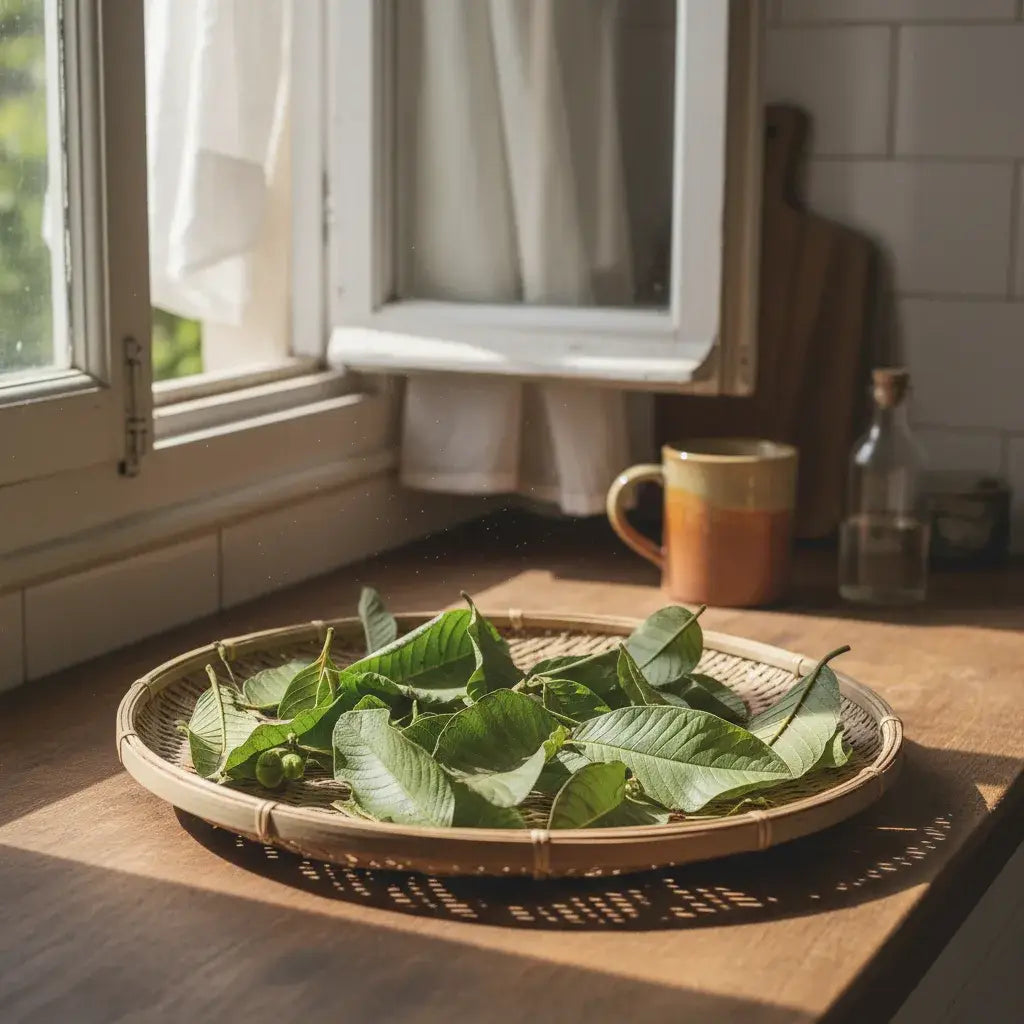
- Ventilated Space: Hang them upside-down in a warm, dry area away from direct sunlight.
- Time Frame: Allow 7–10 days, checking occasionally for crispness.
Tips for Success
- Avoid stacking leaves closely; airflow helps even drying.
- Use a fan in a humid climate to speed the drying process gently.
Oven Drying
Faster and Controlled
- Preheat oven to lowest setting (around 120°F/50°C).
- Arrange leaves on a baking rack in a single layer.
- Leave oven door slightly open for airflow.
- Dry for 40–60 minutes, flipping halfway.
Points to Remember
- Watch carefully to avoid browning or scorching.
- Oven drying offers quick results but less nuanced flavor compared to slow air drying.
Using a Dehydrator
Dehydrators are ideal for consistent drying results.
- Temperature Setting: Use low heat (95–115°F/35–46°C).
- Spread evenly on trays and check after 4–6 hours. Enjoy the benefits of preservation like premium dried options available with Bulk Herbs & Roots - Organic 4oz Bags - Herbal Tea.
Storing Guava Leaves for Lasting Freshness
Proper storage preserves your hard-earned harvest and brings a taste of the garden to your cup any time of year.
Best Containers for Storage
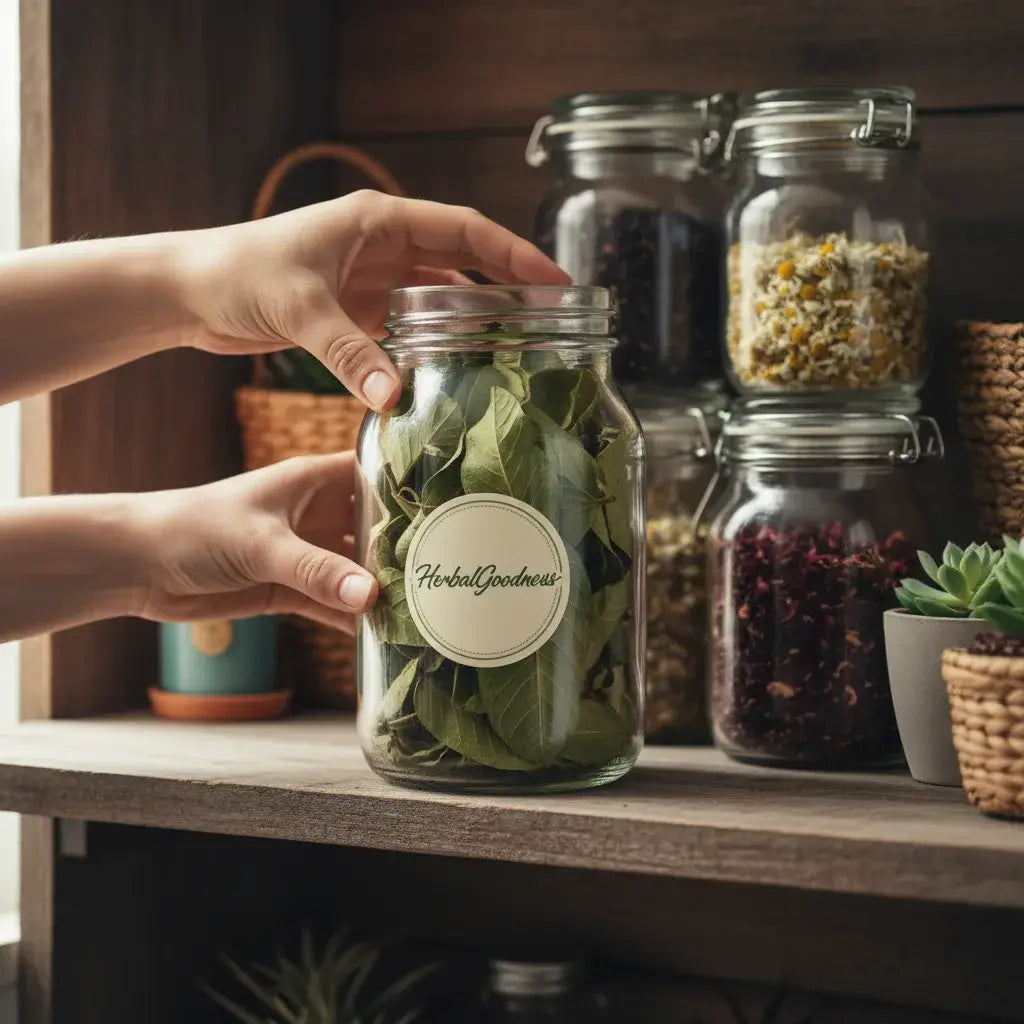
- Airtight glass jars: Classic for preserving flavor and preventing moisture.
- Metal tins: Shield from light and are handy for small spaces.
- Resealable food-grade bags: Useful for bulk storage or travel.
Storage Tips and Tricks
- Keep away from sunlight: Store in a cool, dark cupboard.
- Check for dryness: Ensure every leaf is fully dry to prevent mold and loss of aroma.
- Label and date your jars: This practice helps keep track of freshness. Explore pre-packed blends such as Herbal Tea Gift Set – Wellness Tea Gift Variety Collection - Organic 24 Teabags for long-lasting storage and gifting.
Shelf Life of Dried Guava Leaves
Properly dried and stored, guava leaves often maintain their aroma and quality for 6–12 months. The aroma may gradually fade, so use older leaves for culinary purposes and fresher ones for rich tea infusions.
Creative Uses for Your Guava Leaf Harvest
Harvested guava leaves can elevate your culinary and self-care routines. Here are several simple, creative small-batch ideas to bring out their best qualities.
Guava Leaf Tea
One of the most beloved uses is brewing a warming guava leaf tea.
- Take 4–5 dried guava leaves and crumble them lightly.
- Place in a tea infuser or directly in a teapot.
- Pour freshly boiled water over the leaves.
- Steep for 5–7 minutes to extract maximum flavor.
- Sweeten or blend with herbal accents such as lemongrass or ginger for variety. For added convenience and consistent taste, try Herbal Tea Trio - Guava, Hibiscus & Avocado Bundle – Refreshing Tea Collection.
Crafting Guava Leaf Powder
Guava leaf powder can be a versatile pantry staple, adding subtle herbal notes to recipes or homemade blends.
- Grind completely dry leaves in a spice grinder.
- Store powder in a small airtight jar away from light.
- Sprinkle in smoothies, marinades, or oatmeal for a signature twist — or explore other herbal powder choices like Papaya Seed Powder - Organic 4oz Bag - Colon & Gut Cleanse.
Infused Oils and Vinegars
For creative home cooks, infusing oil or vinegar with guava leaves enhances dressings and marinades.
- Add dried leaves to a bottle of olive oil or mild vinegar.
- Let steep for 1–2 weeks in a cool, dark place, shaking occasionally.
- Strain and use for salad dressings or as a drizzle over grilled vegetables.
Troubleshooting Common Issues When Drying and Storing Guava Leaves
Despite best efforts, you might encounter a few hurdles when processing guava leaves at home. Here is how to overcome some typical challenges.
Mold or Mildew on Drying Leaves
If you notice any signs of mold:
- Discard affected leaves immediately.
- Ensure leaves are spread out well and chosen area is ventilated. For regions with high humidity or to ensure quality, using a food dehydrator or buying Bulk Herbs & Roots - Organic 4oz Bags - Herbal Tea helps reduce spoilage risk.
Leaves Losing Color or Aroma
To maintain vibrancy and scent:
- Avoid direct sunlight during drying. Sunlight can fade both color and flavor.
- Store only once leaves are thoroughly dry to lock in aroma.
Bugs or Unwanted Pests
- Rinse leaves well before drying.
- Store dried leaves in sealed containers, and add a bay leaf to repel insects naturally. Consider options like the Herbal Tea Gift Set – Wellness Tea Gift Variety Collection - Organic 24 Teabags for secure storage and presentation.
Sustainable Harvesting for Future Growth
Conscientious harvesting ensures repeated abundance from your guava trees and benefits your garden ecosystem.
Leave Enough for Growth
Taking just a few leaves at a time ensures new growth and a thriving plant. Rotate harvesting areas and give branches time to replenish their foliage.
Compost Discarded Bits
Unused stems and damaged leaves can be composted, returning nutrients to your soil and supporting your garden's ongoing vitality.
Small-Batch Guava Leaf Blends for the Pantry
Having a stock of dried guava leaves opens the door to DIY pantry creations you can personalize for every season.
Tea Blends
Combine dried guava leaves with other homegrown herbs like basil, mint, or lemon balm. Store in labeled jars for easy access and variety. If you enjoy variety, browse Bulk Loose Leaf Teas & Tisanes - Organic 4oz - Herbal Wellness Teas to experiment.
Culinary Spice Mixes
Mix ground guava leaf powder with spices such as cumin, coriander, or black pepper for unique rubs, soups, or rice dishes. Add depth by incorporating herbal blends or Papaya Seed Powder - Organic 4oz Bag - Colon & Gut Cleanse.
Decorative Jar Gifts
Layer dried guava leaves with floral teas or edible petals for homemade gifts—perfect for sharing a taste of your garden with friends and family. Custom pantries and gifts are enhanced with the Herbal Tea Trio - Guava, Hibiscus & Avocado Bundle – Refreshing Tea Collection.
Maintaining Quality Over Time
Set a routine to check your supply every few months:
- Inspect for moisture or signs of spoilage.
- Use and rotate older leaves first for the freshest cup or meal addition.
- Always keep containers tightly closed between uses.
By following these step-by-step tips, you’ll experience the satisfaction of bringing the freshest guava leaves from your garden to your cup or kitchen, while sustaining healthy habits in your own backyard.
FAQs:
- What is the best time of year to harvest guava leaves?
The best time to harvest guava leaves is during the tree's active growing season, typically in late spring through early fall, when leaves are vibrant and full of aroma.
- How do I ensure my dried guava leaves stay fresh?
Store dried guava leaves in airtight, opaque containers away from sunlight and moisture. Inspect periodically for any signs of dampness and use oldest leaves first.
- Can guava leaves be dried in the sun?
While sun drying is possible, it is generally not recommended as prolonged sunlight can cause leaves to lose their aroma and color. Shade drying or air drying indoors preserves quality.
- How long do dried guava leaves last in storage?
When fully dried and stored properly, guava leaves maintain their aroma and quality for 6 to 12 months. After that, aroma may start to fade, making them better suited for culinary uses.
- What can I make with dried guava leaves?
Dried guava leaves can be brewed as tea, ground into powder for culinary use, or infused in oils and vinegars for creative recipes. They can also be blended with other herbs for unique teas.
- Why did my guava leaves turn brown during drying?
If leaves turn brown, it may be due to excessive heat during drying or prolonged exposure to direct sunlight. Use low heat and shade or ventilated indoor spots for best results.
Author Name:
Herbal Goodness Editorial Team
Author Bio:
The Herbal Goodness Editorial Team specializes in holistic health and superfoods, blending science and nature to educate and empower our community.
References:
Introducing Graviola to Young Taste Buds: Fun, Family-Friendly Flavor Exploration
Graviola in the Classroom and at Home: Creative Activities to Teach Kids About Tropical Plants
Share this

Popular posts


FAQs
1. What are the main benefits of drinking bamboo leaf tea?
Drinking bamboo leaf tea supports hydration, relaxation, skin wellness, and antioxidant balance.
2. What is bamboo leaf extract used for?
It’s used for general body wellness, skin elasticity, hair and nail support, and overall vitality.
3. Can bamboo leaf help with skin care and body wellness?
Yes, bamboo leaf is rich in silica and antioxidants, which promote healthy skin, strong nails, and a youthful glow.
4. What forms of bamboo leaf are available?
You can find dried bamboo leaf, powder, extract, drops, oil, and bamboo leaf green tea.
5. Are there any side effects of bamboo leaf?
Bamboo leaf is generally safe when consumed in moderation. Always consult your healthcare provider before starting any new herbal supplement.