Guava Leaf Quality: Seasonal Timing, Cultivar, and Processing Insights

Guava leaves have gained remarkable attention for their culinary, wellness, and traditional applications. As more enthusiasts seek to incorporate these leaves into daily routines, understanding the factors that shape their quality becomes essential. From the timing of harvest through regional influences to the methods used for drying and extraction, every stage impacts the end characteristics of guava leaves. This article delves into the science and best practices behind sourcing guava leaves sustainably, demystifying how natural and human-controlled elements combine to produce a high-quality product. Whether you’re a beginner or a seasoned guava leaf supporter, these insights will enable informed decisions for optimal sourcing and usage.
Factors Influencing Guava Leaf Quality
Guava leaf quality rests on a combination of nature’s design and human expertise. Three core factors determine the final attributes of the leaves: when they are harvested, the specific type of guava and where it is grown, and how the leaves are processed after picking.
The Importance of Harvest Timing
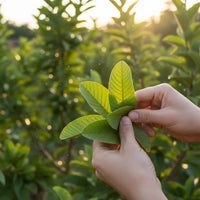
The time of year guava leaves are harvested can dramatically affect their texture, aroma, and flavor profile. Seasonality determines:
- Leaf maturity: Young, tender leaves picked at the right moment often offer a more delicate flavor and aroma compared to older leaves that have become fibrous.
- Concentration of beneficial plant compounds: Just as fruits and vegetables change with the season, guava leaves shift in their content depending on climate, rainfall, and sunlight.
- Optimal harvest windows: In many growing regions, there are recognizable peaks in aroma and characteristic color during specific months.
Proper timing during the growing season allows farmers to select leaves at their best, maximizing their natural potential. For those who want to capture this freshness year-round, selecting products such as the Guava Leaf - Organic 1oz 15X Liquid Extract - Immunity & Herbal Health can help ensure consistent quality regardless of season.
Understanding Guava Cultivar and Growing Region
Not all guava leaves are alike—different cultivars (varieties) of guava can yield leaves with unique qualities. Furthermore, the region in which guavas are grown imparts additional nuances:
- Cultivar Differences: Select guava varieties have been prized for their leaf attributes. Some cultivars might offer a milder taste, while others impart a more robust aroma. Color, leaf thickness, and shape can all vary dramatically.
- Regional Influence: Soil composition, altitude, humidity, and rainfall patterns influence how a guava plant grows. For instance, leaves from high-altitude regions may display increased aroma or particular texture due to environmental stress.
- Climate Factors: Temperature fluctuations, seasonal rainfall, and sun exposure work together to shape leaf color and strength.
If you're interested in exploring blends that showcase different cultivars and synergistic botanicals, try the Herbal Tea Trio - Guava, Hibiscus & Avocado Bundle – Refreshing Tea Collection. These blends offer diversity in flavor profile while highlighting the influence of origin and variety.
Post-Harvest Processing: Unlocking Guava Leaf Potential
Once harvested, the journey of a guava leaf has only just begun. Post-harvest steps play a critical part in shaping its final quality:
Drying Methods
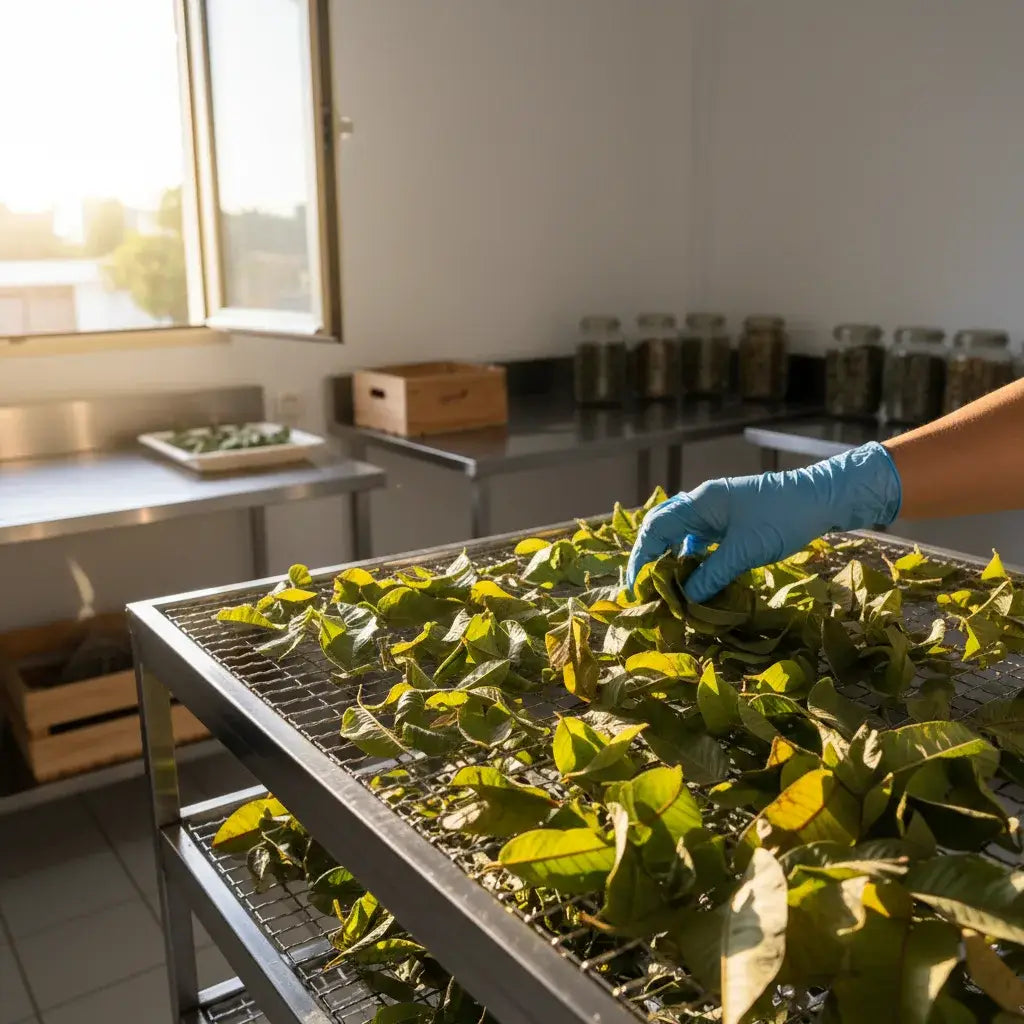
Marking one of the most crucial steps, drying removes ambient moisture, helping to maintain the leaves’ qualities:
- Natural Sun Drying helps preserve natural color and aroma, though it requires careful monitoring to avoid over-drying or loss of essential characteristics.
- Shade Drying protects leaves from direct sun, often retaining more vibrant color and subtle flavors.
- Controlled Environment Drying (such as ovens or dehydrators) allows for consistent results, especially valuable for larger-scale processing.
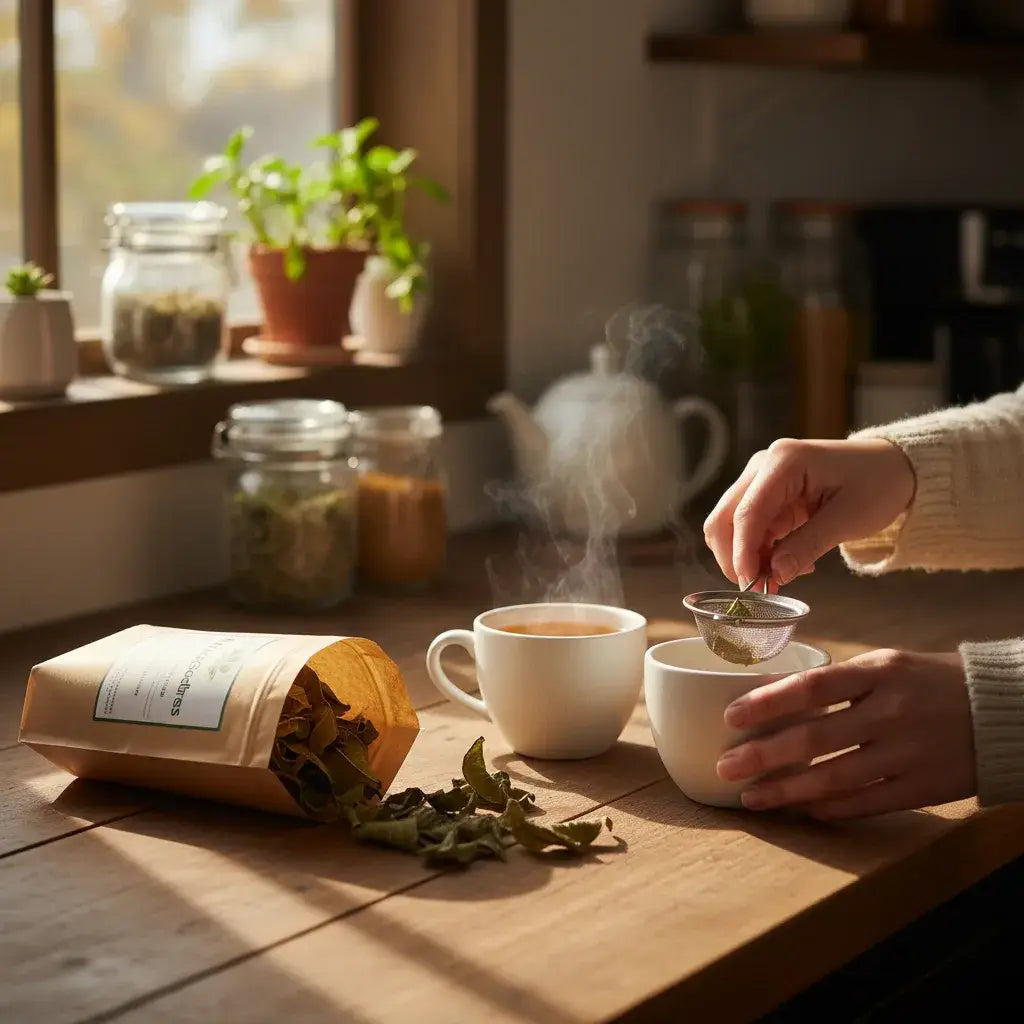
Each drying technique impacts aroma, color retention, brittleness, and shelf life. Complementing drying with high-quality bulk herb products can be a strategic choice for those who wish to experiment with their own post-harvest processing. Consider using our organic herbal teas for versatile home preparation.
Storage Practices
Proper storage safeguards the characteristics of guava leaves until they reach the end user:
- Protection from moisture is essential, as high humidity can affect leaf texture and aroma.
- Airtight, opaque containers shield leaves from light and oxygen, preserving their flavor and color.
- Cool, dark storage areas extend shelf life and help maintain consistency in the leaf’s appearance and aroma.
Products sealed in appropriate packaging, such as the Guava Leaf - Organic 1oz 15X Liquid Extract - Immunity & Herbal Health, can provide confidence that the original properties of the leaves are maintained from source to shelf.
Extraction Techniques
For those who use guava leaf for infusions, teas, or as an ingredient, extraction methods are integral:
- Gentle Water Extraction is preferred for maintaining the leaf's natural aroma and flavor.
- Alcohol-Based Extraction is sometimes used in producing concentrated tinctures, drawing out specific plant compounds.
- Powdering or Crushing leaves requires minimal heat to maintain appearance and subtle flavor notes.
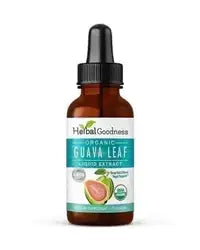
Seeking out expertly crafted extracts ensures optimal potency and flavor. Discover artisanal standards in the Guava Leaf - Organic 1oz 15X Liquid Extract - Immunity & Herbal Health, made to preserve active compounds.
Sustainable Sourcing: How to Choose
A growing interest in guava leaf products makes sustainability a prime concern. Thoughtfully sourced guava leaves help support healthy ecosystems and responsible farming communities. Consumers and buyers should look for:
- Traceability: Origin details like farm location and cultivar name add transparency to sourcing.
- Ethical Harvesting Practices: Hand-picking and selective pruning contribute to long-term plant health and biodiversity.
- Support for Smallholder Farmers: Purchasing from cooperatives or certified sources helps empower local growers and build sustainable supply chains.
- Certified Sustainable Practices: While not always formally labeled, partnerships with farms practicing eco-friendly cultivation can make a meaningful difference.
The Herbal Tea Trio - Guava, Hibiscus & Avocado Bundle – Refreshing Tea Collection highlights the impact of responsible sourcing by featuring teas with traceable origins and ethical partnerships. Additionally, bulk options such as our organic herbal teas provide eco-friendly and community-supportive choices.
Comparing Guava Leaf Products: Key Considerations
When sourcing guava leaves, it pays to be discerning. Here are important attributes and questions to help in selection:
Visual and Sensory Quality
- Color: Look for leaves with a vibrant green or slightly olive hue. Dull, brownish tones may signal improper drying or old stock.
- Aroma: High-quality guava leaves should emit a fresh, slightly sweet aroma. Stale or musty scents can indicate poor storage conditions.
- Texture: Freshly dried leaves should feel crisp but not brittle.
Source Verification
- Region of Origin: Knowing the region can give clues about seasonal characteristics and expected quality.
- Harvest Date: Recent harvests are usually preferred for optimal freshness.
Processing Information
- Drying Method: Brands or suppliers who transparently share their processing techniques often prioritize quality.
- Storage Conditions: Information on how product has been stored can serve as an indicator of care.
Sustainability Measures
- Certifications and Farmer Stories: Seek suppliers who showcase their sustainability initiatives—these often align with better quality and community impact.
The Role of Seasonality in Guava Leaf Characteristics
Seasonal variations are at the core of plant-driven agriculture. For guava leaves, subtle changes throughout the year influence their natural attributes:
- Spring and Early Summer: New growth brings tender, mild-flavored leaves suited to light culinary use.
- Late Summer and Early Fall: Leaves develop deeper color and fuller aroma as the plant matures and climate patterns shift.
- Dry vs. Rainy Seasons: Wetter months may produce larger but more delicate leaves, while drier periods can encourage smaller, intensely aromatic foliage.
Understanding these rhythms can help you select the ideal guava leaf profile, depending on your preferences or needs. For year-round solutions, premium extracts like Guava Leaf - Organic 1oz 15X Liquid Extract - Immunity & Herbal Health are crafted for both consistency and peak property retention.
The Interplay Between Nature and Processing
Nature lays the groundwork with genetics and climate, but every post-harvest choice matters. Each processing method is carefully selected to honor and maximize the leaf’s inherent potential. Those who cultivate, harvest, dry, and store guava leaves with attention to these details provide a product that reflects the plant’s origins and the processor's experience. Choosing products from reputable providers, such as the Herbal Tea Trio - Guava, Hibiscus & Avocado Bundle – Refreshing Tea Collection, allows you to appreciate the balance between nature and expert handling.
Choosing the Right Guava Leaf for Your Needs
To choose the optimal guava leaf product, consider:
- Your intended use: Fresh, dried, powdered, or extract?
- Your flavor and aroma preferences
- The importance of sourcing transparency and sustainability
- The specific cultivar and region, if available
Those interested in flexibility for culinary, tea, or wellness use will appreciate the variety offered through our organic herbal teas.
By focusing on these elements, you can enjoy a guava leaf experience shaped by both nature’s complexity and thoughtful human intervention.
In Summary
High-quality guava leaves are shaped by the synergistic effect of seasonal timing, regional and varietal selection, and meticulous processing methods. Each stage adds a layer of nuance, resulting in a leaf that delights the senses and aligns with responsible sourcing values. Whether enjoying guava leaves in a cup of tea or as part of a culinary creation, making informed choices amplifies your appreciation for this remarkable plant.
FAQs:
- How does the season affect guava leaf quality?
Seasonal changes affect the maturity, aroma, and characteristics of guava leaves. Leaves harvested during optimal seasons typically offer brighter color, fresher aroma, and favorable texture.
- Are all guava leaves the same regardless of where they are grown?
No, guava leaves can vary based on the cultivar and growing region. Factors like soil, climate, and altitude influence their color, aroma, and thickness.
- What drying method is best for guava leaves?
Shade drying and controlled environment drying help preserve color and aroma without over-drying, while sun drying is effective if carefully monitored.
- What should I look for in sustainably sourced guava leaves?
Traceability, ethical harvesting practices, support for local farmers, and transparent information about origin and processing are key sustainability indicators.
- Why is storage important for guava leaves?
Proper storage protects guava leaves from moisture, light, and oxygen, helping to preserve their aroma, color, and overall quality until use.
Author Name:
Herbal Goodness Editorial Team
Author Bio:
The Herbal Goodness Editorial Team specializes in holistic health and superfoods, blending science and nature to educate and empower our community.
References:
Introducing Graviola to Young Taste Buds: Fun, Family-Friendly Flavor Exploration
Graviola in the Classroom and at Home: Creative Activities to Teach Kids About Tropical Plants