





Guava Leaf: Cultural Traditions, Key Compounds, and Insights from Early Scientific Studies
For centuries, guava leaf has held a meaningful place in communities across the globe. From South America to Asia, generations have incorporated guava leaf into their daily lives through varied traditions and practical applications. Interest in guava leaf continues to grow today, drawing attention for its unique plant compounds and the subject of growing scientific curiosity. This article takes a close look at the cultural significance of guava leaf, uncovers the plant compounds that are sparking new research, and helps you thoughtfully navigate what early scientific studies may suggest.
The Deep-Rooted Cultural Significance of Guava Leaf
Historical Practices Across Continents
Guava leaf has been valued across multiple continents, with documented traditions in Latin America, Southeast Asia, Africa, and beyond. Communities have incorporated guava leaves into preparations ranging from household teas to topical washes. These historical uses illustrate a shared global appreciation for the guava plant and the ingenuity of traditional knowledge.
- Latin America: In regions where the guava plant is native, leaves have played a role in family rituals and community wellness practices, often brewed into hot teas or infused in water for both adults and children.
- Southeast Asia: Households in Thailand, the Philippines, and Indonesia have long crafted guava leaf teas and rinses, integrating them into culinary and home care routines.
- Africa: Across West Africa, guava leaves have found a place in daily life through varied household uses.
Learn more about the evolving roles of traditional botanicals through our Herbal Tea Trio - Guava, Hibiscus & Avocado Bundle – Refreshing Tea Collection, which brings together these widely respected plants.
Holistic Approaches Embracing Nature
The use of guava leaves highlights the reliance on accessible, locally grown resources to support daily routines. This cultural connection persists, demonstrating deep respect for the natural world and a desire to make the most of what local flora has to offer. Many communities have passed these practices down through generations, reflecting both practical wisdom and cultural identity.
Key Plant Compounds in Guava Leaf: A Plain-Language Guide
What Are Phytochemicals?
Phytochemicals are substances produced by plants. Many of these compounds have attracted attention due to their unique characteristics and interactions with plant physiology. Guava leaf boasts a diverse array of phytochemicals, some of which are the focus of scientific research.
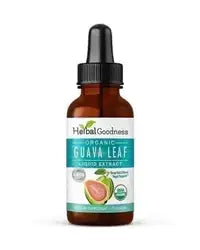
Today, consumers interested in exploring plant phytochemicals can consider thoughtfully produced products such as Guava Leaf - Organic 1oz 15X Liquid Extract - Immunity & Herbal Health, designed to maintain the integrity of these natural compounds.
Flavonoids: Nature’s Colorful Compounds
Among the most commonly discussed phytochemicals in guava leaf are flavonoids. These plant compounds are responsible for many of the vibrant colors seen in fruits and leaves. In guava leaf, major flavonoids include quercetin, kaempferol, and myricetin.
- Quercetin: Known for its presence in many fruits and vegetables, this compound contributes to the pigmentation and overall health of the guava plant. Its physiological properties are under investigation for their potential roles in plant resilience.
- Kaempferol and Myricetin: These flavonoids add to the diversity of guava leaf’s phytochemical profile, each with unique structural attributes.
Using botanicals such as Papaya Leaf Extract - Organic 1oz 15X Liquid - Blood Platelet alongside guava leaf demonstrates the broad interest in phytochemical diversity for wellness routines.
Tannins: The Source of Bitterness
Tannins are another notable group of phytochemicals found in guava leaves. These compounds are often associated with astringency and are why some guava leaf infusions taste slightly bitter or tangy. Tannins serve important roles in the life of the guava plant and are of growing interest among researchers exploring plant-based compounds.
If you're intrigued by the flavor notes tannins provide, you may appreciate the variety offered in curated blends like Herbal Tea Gift Set – Wellness Tea Gift Variety Collection - Organic 24 Teabags.
Terpenoids and More
Beyond flavonoids and tannins, guava leaf contains other noteworthy groups of plant compounds. Terpenoids contribute to the distinctive aroma of guava and are common in many aromatic plants. Researchers also identify saponins, essential oils, and a range of other secondary metabolites that make guava leaf compositionally rich and complex.
Scientific Curiosity: Understanding Early Guava Leaf Studies
What Early Research Is Exploring
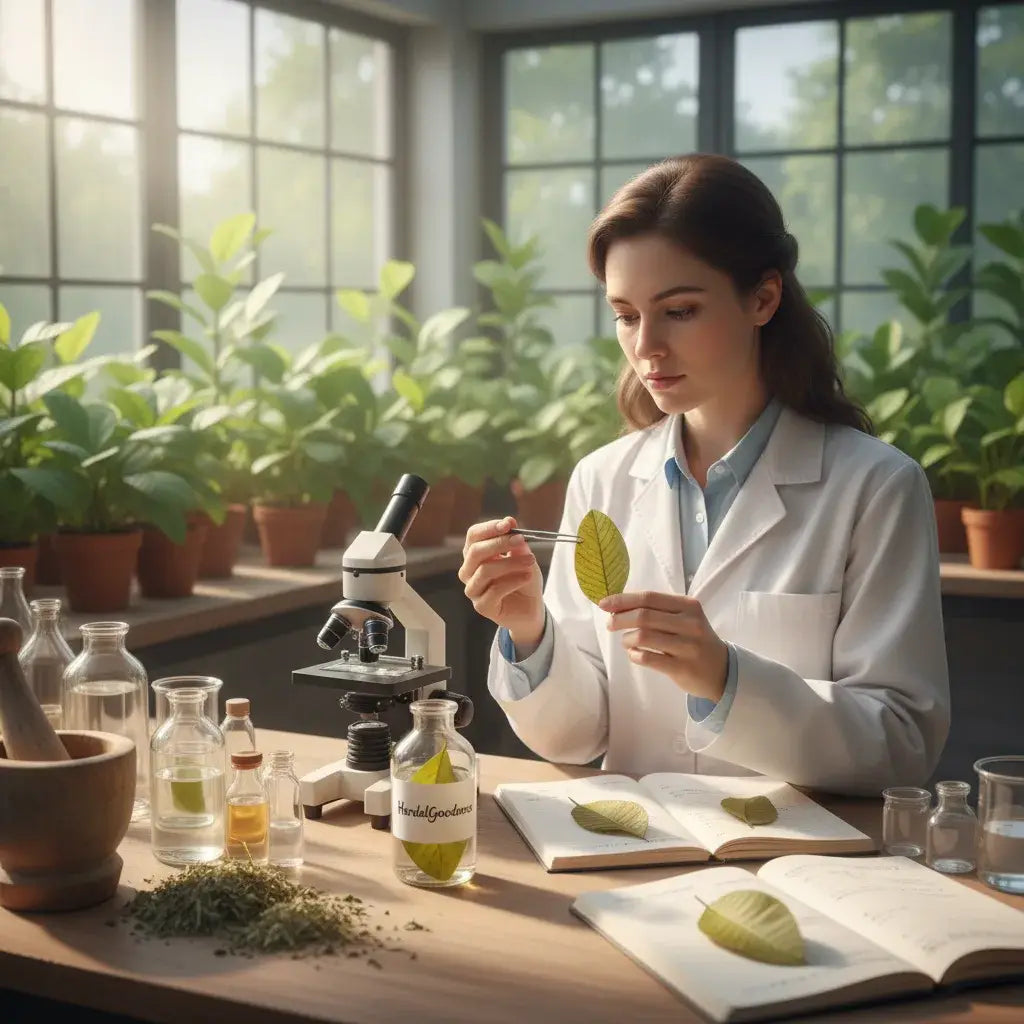
Across the globe, scientists are conducting laboratory and observational studies to better understand the unique compounds in guava leaves. These studies typically seek to analyze how guava leaf extracts or preparations interact with different systems or processes.
- Laboratory research often examines the activity of guava leaf compounds in controlled settings. This can include examining their physical attributes, stability, or interactions with other plant substances.
- Observational studies sometimes analyze the use of guava leaf in traditional settings, attempting to document patterns and perceptions among communities that have longstanding relationships with this plant.
For those who wish to explore guava leaf's place in both science and culture, Guava Leaf - Organic 1oz 15X Liquid Extract - Immunity & Herbal Health offers an accessible introduction to this botanical, preserving many of its natural qualities.
Interpreting the Early Evidence
It is important to recognize that scientific understanding of guava leaf is still emerging. Most studies so far are preliminary and often conducted outside of large-scale human contexts. While these findings are exciting and continually evolving, they must be viewed as early insights rather than conclusive proof of specific applications.
Evaluating Study Quality
When interpreting the results of guava leaf research, it is helpful to consider:
- Study Design: Was the study conducted in a lab, on plant cells, or in a human population? Early research is often limited to very controlled settings.
- Sample Size: Smaller sample sizes help generate initial ideas, but larger studies are needed for stronger conclusions.
- Peer Review: Reliable research is typically peer-reviewed before publication in scientific journals.
By looking at scientific findings with a critical eye, readers can appreciate the process of discovery while understanding the difference between promising potentials and established knowledge.
Contemporary Interest and Applications of Guava Leaf
Modern-Day Integrations
Today, guava leaf remains an important botanical in households and in select commercial preparations. Some people enjoy guava leaf tea as a flavorful addition to their kitchen routine, while others explore the use of guava leaf in personal care or home recipes.
For those seeking to enjoy guava in convenient form, Guava Leaf - Organic 1oz 15X Liquid Extract - Immunity & Herbal Health provides an easy-to-use option for daily routines.
Commercially, guava leaf powders, extracts, and infusions are available from a variety of sources. It is important to select reputable products and to consider guidance from knowledgeable experts when exploring new herbal additions to your lifestyle.
Alongside guava, complementary botanicals can enhance your wellness journey — Papaya Leaf Extract - Organic 1oz 15X Liquid - Blood Platelet and Herbal Tea Trio - Guava, Hibiscus & Avocado Bundle – Refreshing Tea Collection are convenient ways to experience unique benefits and flavors.
Considerations for Personal Use
If you are considering incorporating guava leaf into your daily habits, keep these points in mind:
- Source Quality: Look for ethically sourced and carefully processed guava leaf products for best results.
- Expert Guidance: Seek advice from knowledgeable professionals before making any changes to your wellness routine.
- Traditional Respect: Appreciate guava leaf for its cultural heritage as much as its modern popularity.

Looking Ahead: The Future of Guava Leaf Research
With growing global interest, investment in further research on guava leaf is likely to expand. Scientists may explore deeper into the mechanisms of its plant compounds, and communities with long guava leaf traditions can offer valuable context for new studies.
Responsible Curiosity
As interest grows, it is important for readers and consumers to remain both open-minded and discerning. Understanding guava leaf means considering both ancient wisdom and modern science—respecting tradition while welcoming new knowledge. By approaching guava leaf with curiosity and critical thinking, we honor the full story of this remarkable plant.
How to Stay Informed on Guava Leaf Developments
The field of guava leaf research is dynamic. Staying up to date with trusted sources can help readers make confident, informed decisions. Consider:
- Following scientific publications, botanical organizations, and holistic wellness experts.
- Engaging with expert-led forums or community groups dedicated to botanical learning.
- Reviewing reputable articles or publications when seeking guidance about new products or uses.
By continuing to learn and stay curious, you can discover more about guava leaf and its evolving role in both tradition and science.
FAQs:
- What are the main plant compounds found in guava leaf?
Guava leaf contains flavonoids (like quercetin, kaempferol, and myricetin), tannins, terpenoids, and saponins. These natural substances contribute to the flavor, aroma, and properties of the leaf and are the subject of ongoing research.
- How have different cultures traditionally used guava leaves?
In many regions, guava leaves have long been used in home teas, rinses, and various traditional preparations, often as part of daily wellness practices and communal routines.
- What is the significance of flavonoids in guava leaf?
Flavonoids in guava leaf provide color and unique plant attributes. Compounds such as quercetin are especially noted for their roles in plant health and are presently under scientific study.
- How reliable are early scientific studies on guava leaf?
Most current studies are in early stages and conducted in labs or small populations. While their findings are promising, more robust, peer-reviewed research is needed for stronger conclusions.
- Are there commercial products containing guava leaf?
Yes, guava leaf is available in several forms including teas, powders, and extracts. It's advisable to choose products from reputable sources and seek knowledgeable guidance.
- How can I learn more about guava leaf research?
Follow peer-reviewed scientific journals, trusted botanical organizations, or reputable experts in holistic wellness for up-to-date information on guava leaf.
Author Name:
Herbal Goodness Editorial Team
Author Bio:
The Herbal Goodness Editorial Team specializes in holistic health and superfoods, blending science and nature to educate and empower our community.
References:
Introducing Graviola to Young Taste Buds: Fun, Family-Friendly Flavor Exploration
Graviola in the Classroom and at Home: Creative Activities to Teach Kids About Tropical Plants


FAQs
Drinking bamboo leaf tea supports hydration, relaxation, skin wellness, and antioxidant balance.
It’s used for general body wellness, skin elasticity, hair and nail support, and overall vitality.
Yes, bamboo leaf is rich in silica and antioxidants, which promote healthy skin, strong nails, and a youthful glow.
You can find dried bamboo leaf, powder, extract, drops, oil, and bamboo leaf green tea.
Bamboo leaf is generally safe when consumed in moderation. Always consult your healthcare provider before starting any new herbal supplement.