Understanding Guava Leaf Research: Study Designs, Phytochemical Analyses & Interpreting Headlines

Guava leaves have drawn attention due to their richness in naturally occurring compounds and their long tradition of use in many cultures. Recent years have seen a surge in scientific interest surrounding guava leaves, leading to a wide range of research studies aimed at understanding their composition, potential applications, and overall safety. However, for the casual reader or even a passionate enthusiast, navigating the science behind guava leaves and interpreting research headlines accurately can be challenging. This guide provides a clear overview of common study types, the principal laboratory methods for analyzing guava leaf compounds, and practical tips on how to interpret new research without overstating findings.
Exploring Scientific Study Designs Used to Research Guava Leaves
Laboratory-Based Experiments
Laboratory studies—or in vitro studies—form the foundation of plant research. In these settings, researchers utilize test tubes, petri dishes, or cell cultures to investigate how guava leaf extracts interact with various substances or biological models. Scientists can precisely control conditions such as temperature and concentration, which helps them isolate the properties of guava leaves. While these results are valuable for building basic knowledge, it's important to recognize that test tube and cell-based findings do not always mirror outcomes in more complex living organisms.
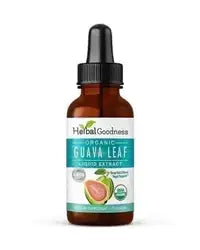
Laboratory-based research often sets the stage for subsequent exploration into other botanicals. Products like Guava Leaf - Organic 1oz 15X Liquid Extract - Immunity & Herbal Health are sometimes developed based on preliminary compound isolation and standardized extraction protocols.
Observational and Field Studies
Observational studies often take place in natural environments or involve real-world usage. Researchers document how groups of individuals use guava leaves in traditional practices or daily routines, sometimes correlating usage patterns with various health markers. These studies help identify patterns and associations but do not deliver direct evidence of cause-and-effect relationships. While observational studies provide valuable context, they are susceptible to confounding variables, meaning that other factors unrelated to guava leaves could influence the outcomes.
Understanding real-life applications is important, which is where research on products such as Papaya Leaf Extract - - Organic 16oz 15X Liquid Extract becomes relevant due to shared usage and phytochemical similarities.
Human Studies and Controlled Trials
Human studies—or clinical trials—represent a more structured approach. In these investigations, participants may be assigned to different groups: some consume guava leaves or extracts, while others receive a placebo. Scientists then monitor specific outcomes using objective measurements. Randomized controlled trials (RCTs) are especially valued in the research hierarchy, as their design helps limit bias. However, human studies can be complicated by variables such as diverse participant characteristics and adherence to study protocols, which can affect the overall consistency and applicability of the results.
When evaluating supplements, it is helpful to consider products with standardized dosages and preparations. For example, Graviola Soursop Leaf Extract – 10X 60/600mg Capsules - Cell Renew & Immunity is formulated under carefully controlled conditions, reflecting approaches described in well-structured clinical studies.
Phytochemical Analysis: Unlocking the Profile of Guava Leaves
A Closer Look at Key Laboratory Techniques
Understanding what compounds are present in guava leaves, and in what quantities, is a major focus of scientific research. Analytical chemistry plays an essential role here. The following methods frequently appear in guava leaf studies:
High-Performance Liquid Chromatography (HPLC)
HPLC enables scientists to separate, identify, and quantify individual compounds in guava leaf extracts. This technique helps pinpoint naturally occurring components such as flavonoids, polyphenols, and tannins.
Gas Chromatography-Mass Spectrometry (GC-MS)
GC-MS provides detailed information on volatile compounds, revealing the chemical fingerprint of guava leaves. Researchers often use this technology to examine essential oils or aroma compounds.
Spectrophotometry
Spectrophotometry measures the interaction of guava leaf extracts with light at specific wavelengths. This approach is typically leveraged for evaluating overall antioxidant activity based on color changes in the extract.
Thin-Layer Chromatography (TLC)
TLC is a rapid, cost-effective method for separating compounds in guava leaves. It suggests which classes of compounds are present based on their migration patterns.
For those curious about how such laboratory protocols translate into consumer options, Guava Leaf - Organic 1oz 15X Liquid Extract - Immunity & Herbal Health offers a formulation based on recognized extraction techniques. Further, botanicals like Soursop Leaf Graviola Extract - - Organic 15X Liquid Extract - Cell Renew & Immunity are evaluated with similar methods for purity and potency.
Commonly Studied Constituents in Guava Leaves
Research has highlighted several phytochemicals of interest:
- Flavonoids: Plant-based compounds such as quercetin, known for their potential biological activities.
- Tannins: These astringent molecules are naturally present in many plants, including guava leaves.
- Terpenoids: A broad class of aromatic compounds that contribute to the characteristic scent of guava leaves.
- Saponins: Naturally occurring glycosides commonly found in guava leaves.
The diversity and concentration of these compounds can vary due to factors such as the plant’s growing conditions, age, and harvesting methods. High-flavonoid content is often a selling point in herbal extracts and teas. Products like Herbal Tea Trio - Guava, Hibiscus & Avocado Bundle – Refreshing Tea Collection allow readers to explore different botanicals and their bioactive profiles side-by-side.
Evaluating Research Headlines: Reading Between the Lines
Separating Sensational Headlines from Real Insights
In today’s digital world, plant-based research findings often cascade into attention-grabbing headlines. Understanding what these headlines truly mean requires a careful look at the underlying study type, the design, and the limitations.
Key Elements to Assess When Interpreting Headlines
- Type of Study Cited: Laboratory and observational studies are foundational, but human studies generally carry greater weight for real-world applications.
- Study Population and Sample Size: Headlines based on small or narrow groups may not translate broadly.
- Dosage and Preparation: Many studies utilize guava leaf preparations or concentrations not typically encountered in daily life. Always compare what was used in the study versus commonly available forms.
- Duration and Follow-Up: Short-duration studies reveal less about continued usage. Long-term studies allow for greater assessment but are less common due to their complexity.
Many readers find value in exploring tea blends such as Herbal Tea Gift Set – Wellness Tea Gift Variety Collection - Organic 24 Teabags to experience safe, standardized doses that more closely resemble those discussed in reputable research.
How to Read Research Summaries Critically
- Look for Nuance: Phrases like “linked to,” “may support,” or “associated with” indicate correlation, not causation.
- Check if Results Have Been Replicated: Repeated studies with consistent findings help solidify the evidence base.
- Identify Study Limitations: Most reputable papers discuss their own limitations, such as sample size, study duration, or measurement accuracy. This transparency is a sign of well-conducted research.
Practical Advice for Staying Informed, Not Overwhelmed
- Consult Primary Sources: Seek out the actual research paper or an official summary instead of relying solely on secondary news articles.
- Explore Multiple Perspectives: Look for meta-analyses and systematic reviews, which summarize the broader body of evidence rather than one isolated study.
- Approach Social Media Sensations with Caution: If a claim seems extraordinary, it’s wise to ask whether it’s supported by solid evidence.
For a balanced approach to wellness, Papaya Leaf Extract Blood Support - Organic 1oz 15X Liquid Extract - Platelet Health can be an alternative to single-ingredient teas or extracts, offering a blend with verified research support.

Real-World Considerations: Factors that Influence Guava Leaf Research
Geographic and Agricultural Influences
Guava plants grow in diverse regions across the globe, and environmental conditions such as soil type, climate, and rainfall can all impact phytochemical profiles. Research findings from guava leaves grown in one part of the world do not always map directly onto samples from another region.
Processing Methods
How guava leaves are harvested, dried, stored, and prepared—whether as extracts, teas, or powders—can significantly affect their chemical makeup. Many studies specify their preparation methods, which can help readers compare to commercial products. Exploring the benefits of Papaya Leaf Extract 10X - 600mg Capsule - Platelet & Digestive Aid demonstrates how various processing approaches influence chemical stability and bioavailability.
Ethical and Safety Considerations in Research
Ethical research practices ensure the responsible and respectful study of guava leaves. This includes transparent reporting, appropriate study approval, and honest communication of results. Responsible researchers also disclose conflicts of interest and funding sources to maintain scientific integrity.
Looking Forward: The Future of Guava Leaf Science
Cross-Disciplinary Collaboration
Research into guava leaves increasingly involves botanists, chemists, ethnobotanists, and other experts working together. This multidisciplinary approach enhances the accuracy, relevance, and innovation within the research.
Emerging Technologies
Advancements such as next-generation sequencing and advanced analytical techniques are starting to transform plant research. These tools allow for finer analysis of phytochemicals and genetic markers, further contributing to our understanding of guava leaves and their composition.
The Importance of Responsible Communication
As the popularity of guava leaves continues to rise, it’s critical that researchers, industry professionals, and the media commit to sharing information honestly and accurately. Readers should continue to demand clarity and evidence from all sources, helping ensure well-informed decisions.
Conclusion: Staying Informed in a Rapidly Evolving Field
Understanding scientific research on guava leaves involves more than skimming headlines. True knowledge comes from appreciating the design of each study, the methods for analyzing phytochemicals, and the honest interpretation of results. With the guidance offered in this article, both new and seasoned readers can approach guava leaf science with confidence, curiosity, and a critical eye, making sense of growing research without falling prey to hype.
FAQs:
- What types of scientific studies are most common in guava leaf research?
Guava leaf research typically includes laboratory experiments, observational studies, and human studies such as randomized controlled trials. Each type offers unique insights, with controlled trials providing the most robust evidence.
- How do scientists analyze phytochemicals in guava leaves?
Researchers use methods like HPLC, GC-MS, spectrophotometry, and TLC to isolate and measure phytochemicals such as flavonoids, tannins, and terpenoids in guava leaves.
- Why is interpreting research headlines about guava leaves challenging?
Headlines often focus on preliminary findings or single studies, overlooking important details like sample size, study design, and limitations. This can result in overgeneralization or misinterpretation.
- What are key considerations when reading research about guava leaves?
Assess the type of study, sample size, preparation methods, and duration. Also, verify whether findings have been replicated and whether the study discusses its own limitations.
- Do environmental factors affect guava leaf composition?
Yes, factors such as soil, climate, and processing methods can influence the concentration and types of phytochemicals found in guava leaves.
- How can readers stay up-to-date with reliable guava leaf research?
Consult primary sources, look for meta-analyses, and critically examine both study design and outcome reporting before drawing conclusions.
Author Name:
Herbal Goodness Editorial Team
Author Bio:
The Herbal Goodness Editorial Team specializes in holistic health and superfoods, blending science and nature to educate and empower our community.
References:
Introducing Graviola to Young Taste Buds: Fun, Family-Friendly Flavor Exploration
Graviola in the Classroom and at Home: Creative Activities to Teach Kids About Tropical Plants