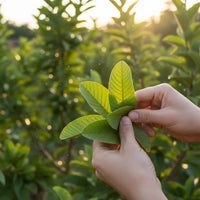
Guava Leaf Quality: How Harvest Timing, Region, and Processing Matter

Guava leaves have gained significant attention in the holistic wellness community due to their diverse applications and time-honored use in many cultures. To fully appreciate the nuanced qualities of guava leaves, it’s important to understand the interplay of three major factors: harvest timing, growing region, and processing methods. Each stage, from orchard to extract, has a direct impact on the quality and characteristics of guava leaves, making it essential for both consumers and producers to comprehend these variables, especially when seeking sustainably sourced guava leaves. This guide provides a comprehensive, beginner-friendly overview of these foundational influences and what savvy buyers should look for when choosing guava leaf products.
Understanding Harvest Timing and Guava Leaf Quality
Guava leaf quality is deeply impacted by the timing of harvest. Like many botanicals, the concentrations and profiles of beneficial compounds in guava leaves fluctuate throughout the year. Several crucial points explain why timing is pivotal:
Defining the Right Season for Harvest
Guava trees experience distinct growth phases, influenced by their environment. Leaves picked during peak maturity—generally in late spring or early summer—often display more desirable qualities. This is due to the plant’s natural cycles, which can affect:
- Texture and color of the foliage
- Volatile aromatic constituents
- Nutritional and botanical profile
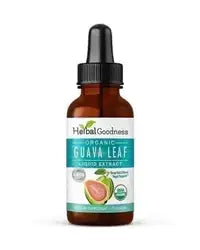
If you're looking for products that harness peak guava leaf benefits, select items that highlight sourcing transparency and seasonal harvest, such as Guava Leaf - Organic 1oz 15X Liquid Extract - Immunity & Herbal Health.
Influence of Weather and Microclimate
Seasonal changes, rainfall patterns, sunlight hours, and temperature variations play a role in modulating plant biochemistry. Extended dry or wet periods can alter leaf consistency and the development of characteristic attributes sought after in guava leaves. Harvesting during periods of optimum weather leads to leaves with enhanced aroma, taste, and texture.
When it comes to herbal tea blends, regional and seasonal variation often means you'll taste the landscape itself in your cup, just as with guava-based infusions.
Practical Considerations for Sourcing
Sustainably sourced guava leaves usually reflect thoughtful harvest scheduling. Ethical growers monitor phenological changes—visible cues like leaf size, color, and firmness—to determine the best picking windows. This not only helps maintain leaf quality but also supports the plant’s regenerative resilience.
Growing Region: Environmental Influence on Guava Leaves
Where guava is grown has a profound effect on leaf characteristics. From the rich volcanic soils of Central America to the humid tropics of Southeast Asia, regional factors shape every aspect of the guava leaf, including its aroma profile and nutritional content.

Soil Quality and Local Biodiversity
A region’s unique soil composition, nutrient availability, and the surrounding ecosystem influence the formation of key compounds in guava leaves. For example:
- Rich, loamy soils may lead to larger, brighter leaves
- High-altitude or shaded areas could foster higher levels of protective compounds due to environmental stress adaptation
Interested in exploring the synergy of multiple regions and superfoods? The Herbal Tea Trio - Guava, Hibiscus & Avocado Bundle – Refreshing Tea Collection offers a taste of botanicals nurtured by distinct growing conditions.
Sunlight, Rainfall, and Temperature
Guava thrives under full sun but can adapt to partial shade depending on the region. Variability in annual rainfall and local temperatures will impact not only the size and color of the leaves but also their textural nuances. Leaves grown in drier, sunnier areas may be firmer and more aromatic, while those cultivated in consistently wet areas could present a more subtle profile.
Cultivar Differences Across Regions
Not all guava plants are the same. There are numerous cultivars around the globe, each selected for specific traits such as leaf size, flavor, and adaptability. Regional traditions may favor local cultivars, adding further variety to guava leaf qualities. Recognizing the diversity introduced by cultivar and origin is key for discerning consumers who prioritize consistency and specific attributes.
Post-Harvest Processing: Protecting and Revealing Guava Leaf Value
The transition from fresh guava leaf to extract or finished product involves several vital steps. How leaves are handled after harvest determines their preservation, quality, and overall usefulness.
Drying Methods: Air, Sun, or Machine?
Proper drying is critical. It helps maintain the sensory and botanical attributes of the leaves. There are three common approaches:
Air Drying
A slow and traditional method, air drying in a controlled environment minimizes exposure to direct sunlight, thus preserving color and aroma. This method favors gradual dehydration, which can help retain characteristic botanical compounds.
Sun Drying
Widely used in regions with consistent sunshine, sun drying is cost-effective and eco-friendly. However, it carries the risk of fading, reduced aroma, or changes in texture if not carefully managed.
Mechanical Drying
Using dehydrators or specialized ovens provides speed and greater control over temperature and humidity. This method can yield a uniform result and reduce risk of spoilage during the drying process, but may require higher energy input.
Storage Best Practices
After drying, guava leaves must be protected from excess moisture, heat, and exposure to air. Storage in airtight containers, away from direct sunlight, ensures optimal preservation. Good storage practices prevent deterioration in taste, aroma, and appearance, making them essential for anyone sourcing or using guava leaves.
The Guava Leaf - Organic 1oz 15X Liquid Extract - Immunity & Herbal Health is crafted with care from harvest through extraction, efficiently locking in those valuable nutrients and flavors.
Extraction Techniques: Unlocking Potential
For those utilizing guava leaves in tea, infusions, or other products, extraction methods play a decisive role. Techniques such as:
- Gentle water infusions
- Alcohol extractions
- Low-heat decoctions All contribute to the transfer of beneficial compounds from the leaf to the final product. Each approach influences the extract’s qualities—taste, color, and overall experience.
Not limited to guava, careful extraction is also essential for botanicals like papaya leaf, often found in Papaya Leaf Tea - Organic 24/2g Tea Bags, prized for maintaining healthful elements.
Quality Control and Testing
Producers committed to sustainable and premium guava leaf products often implement rigorous controls throughout drying, storage, and extraction. This might involve testing for:
- Moisture content
- Aromatic profile consistency
- Overall product integrity These steps are designed to maintain quality from orchard to finished product, building consumer trust.
If you want confidence in your tea's quality, explore Wellness Tea Blends - Organic 4oz - Premium Herbal Infusion with their transparent sourcing and robust quality practices.
Sourcing Guava Leaves Sustainably: What to Look For
Sustainability in guava leaf sourcing is more than a buzzword; it's a key feature that influences product quality and ethical consumer choices. Here’s how to assess sustainability when selecting guava leaf suppliers:
Ethical Harvesting and Environmental Stewardship
Look for suppliers that engage in ethical harvesting, employing harvest strategies that avoid over-plucking and allow for natural regrowth. Stewardship programs often include:
- Maintaining biodiversity
- Supporting soil health
- Conserving water
Experienced brands pay special attention to eco-friendly practices, passing on these benefits through their finished guava leaf products as well as herbal blends.
Transparency Across the Supply Chain
Choose suppliers who openly share information about origin, harvest time, and post-harvest handling. Full traceability empowers buyers to make better-informed decisions and supports broader ecological responsibility.
Herbal Tea Trio - Guava, Hibiscus & Avocado Bundle – Refreshing Tea Collection demonstrates how clear labeling and sourcing empower wellness-conscious buyers.
Community Engagement and Fair Practices
Suppliers focused on sustainability typically partner with local communities, providing fair compensation and encouraging traditional agricultural knowledge. This collaboration helps ensure long-term sustainability of both the land and the people who cultivate it.
Comparing Guava Leaf Products: Tips for Buyers
Not all guava leaf products are equivalent. Learning to compare based on harvest, source region, and processing ensures you’re making a wise selection.
Observe Leaf Appearance
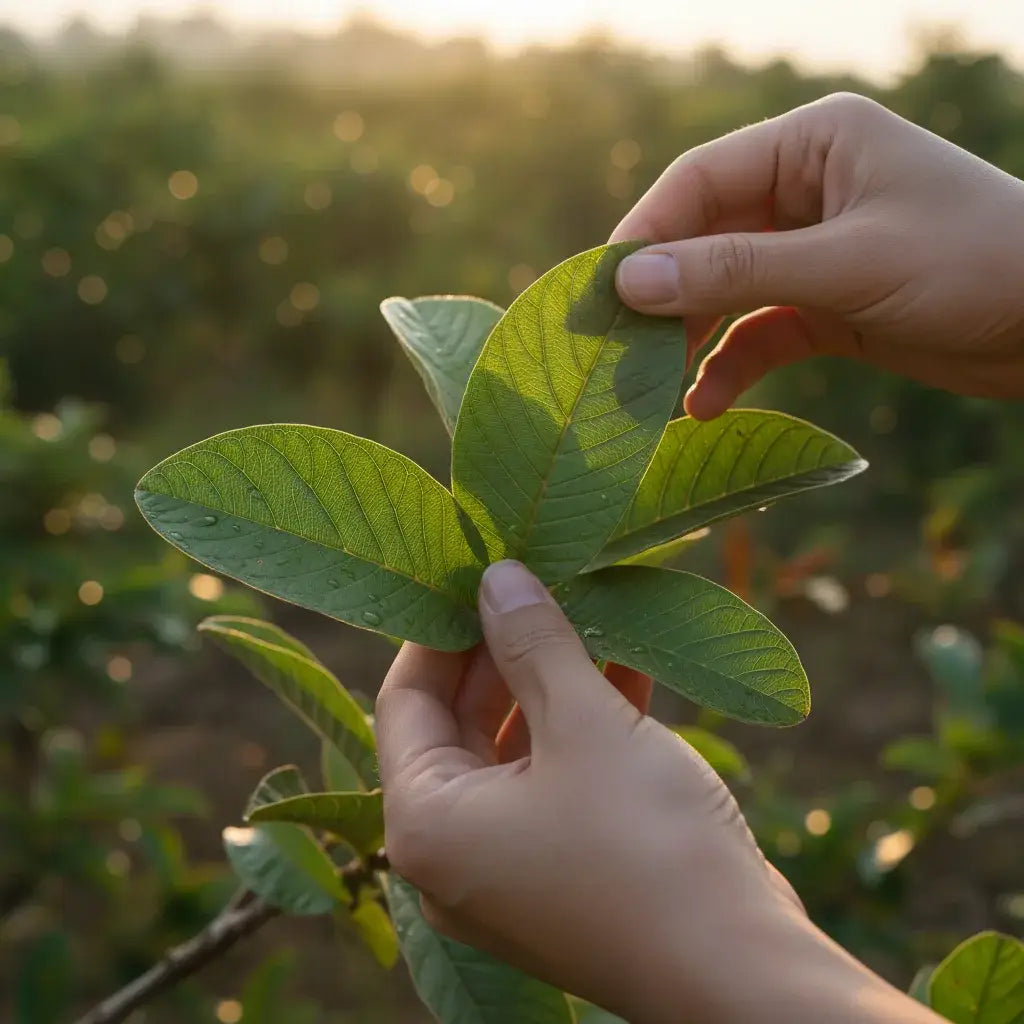
High-quality guava leaves are vibrant green, intact, and without visible signs of damage or excessive drying. Color uniformity often signals careful handling from orchard to shelf.
Aroma and Taste
A delicate, fresh aroma and clean taste are strong indicators of careful harvest and drying. Overly musty or dull leaves may have been stored in less-than-ideal conditions or subjected to poor harvesting timing.
You can compare the aroma profiles of Papaya Leaf Tea - Organic 24/2g Tea Bags or blend them for unique flavor experiences found in thoughtfully processed teas.
Examine Packaging and Labeling
Reputable suppliers provide clear labeling about harvest date, region of origin, and processing. Look for third-party certifications or transparent company information that backs up claims of quality and sustainability.
Before you make your next purchase, consider the advantages of Herbal Tea Trio - Guava, Hibiscus & Avocado Bundle – Refreshing Tea Collection for an assortment of responsibly sourced, quality-controlled options.
Conclusion: The Journey from Orchard to Cup
The unique story of every guava leaf is a blend of nature and nurture—a product of when and where it’s grown, as well as how it’s skillfully handled after harvest. By understanding how seasonal timing, growing region, and processing methods impact guava leaf quality, buyers can make choices that align with their values and expectations. Prioritizing sustainability and clear sourcing helps ensure that guava leaf products deliver both excellence and ecological harmony. With this knowledge, you’re well-equipped to navigate the world of guava leaves, appreciating the thoughtful journey from orchard to your cup.
FAQs:
- What factors most influence the quality of guava leaves?
The primary factors affecting guava leaf quality include the timing of harvest, the region where the guava is grown (considering soil, climate, and cultivar), and the methods used for post-harvest processing like drying and storage. Each element plays a significant role in determining the taste, aroma, texture, and overall properties of the leaves.
- How does harvest timing impact guava leaf characteristics?
Harvest timing influences the concentration of natural compounds in guava leaves. Picking at peak maturity, typically during late spring or early summer, often yields leaves with the optimal blend of color, aroma, and botanical properties.
- Why should buyers care about where guava leaves are grown?
The growing region affects guava leaves through soil nutrients, climate, altitude, and regional cultivars. These regional differences lead to unique attributes in leaf size, color, flavor, and overall quality, directly impacting the final product.
- What is the importance of drying and storage methods for guava leaves?
Proper drying and storage are essential to preserve guava leaf aroma, color, and integrity. Inadequate drying or poor storage can lead to reduced quality and diminished enjoyment, while good practices protect the leaves until they reach the consumer.
- How can consumers identify sustainably sourced guava leaves?
Sustainably sourced guava leaves are typically supported by transparent supply chains, ethical harvest practices, environmental stewardship, and partnerships with local farming communities, all of which are often disclosed by reputable suppliers.
- What should consumers look for on guava leaf product labels?
Labels should specify the harvesting period, region of origin, cultivar, and details on post-harvest processing. Verifiable certifications and clear company information are positive signs of quality and responsible sourcing.
Author Name:
Herbal Goodness Editorial Team
Author Bio:
The Herbal Goodness Editorial Team specializes in holistic health and superfoods, blending science and nature to educate and empower our community.
References:
Introducing Graviola to Young Taste Buds: Fun, Family-Friendly Flavor Exploration
Graviola in the Classroom and at Home: Creative Activities to Teach Kids About Tropical Plants