Cat's Claw 101: Traditional Uses, Key Plant Compounds, and Safe Exploration

Cat’s claw, a tropical vine admired for both its striking hooked thorns and its legacy in indigenous medicine, is earning new attention as more people seek natural options to support wellness. With a history woven through Amazonian and Andean cultures, this botanical—scientifically known as Uncaria tomentosa—boasts a unique blend of traditional wisdom and modern appeal. Beyond folk stories, cat’s claw contains noteworthy plant compounds that drive its popularity today. Whether you’re just beginning to explore herbal traditions or simply curious about what cat’s claw has to offer, this guide delivers a clear, practical, and approachable introduction—focusing on how to choose, prepare, and thoughtfully integrate this herb into your wellness routine.
Botanical Origins and Cultural Heritage of Cat's Claw
The Plant Behind the Name
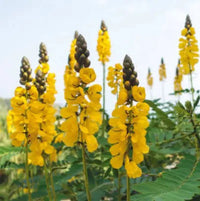
Cat’s claw refers to two closely related vines—Uncaria tomentosa and Uncaria guianensis—that wind up trees in the Amazon rainforest and certain Central American habitats. Their common name comes from the sharp, curved thorns at the base of their leaves, eerily reminiscent of a feline’s claw. The plant produces glossy green leaves and small, ball-shaped clusters of yellowish flowers, but it’s the bark and root that are especially valued.
Uses in Indigenous and Folk Traditions
Cat’s claw has been part of Amazonian herbal practices for centuries, primarily among the Asháninka, Shipibo, and other indigenous communities. Traditionally, it’s brewed as a decoction from bark or root for a variety of uses:
- Strengthening inner vitality
- Supporting healthy digestion
- Promoting wellness in response to environmental stressors
- Fostering a sense of balance throughout seasonal changes
It’s typically prepared and shared as tea or a strong water extraction, sometimes in combination with other plants. The transmission of cat’s claw’s legacy from oral tradition to the spotlight in the global herb market is both a cultural story and a signal of its unique properties.
Key Plant Compounds Explained in Everyday Terms
Complex scientific names can make herbal chemistry sound daunting, but several key compounds set cat’s claw apart.
Oxindole Alkaloids
These naturally occurring compounds are known for their ability to interact gently with the body’s immune and regulatory pathways. The two main types—tetracyclic and pentacyclic oxindole alkaloids—are most often discussed in cat’s claw research. Pentacyclic forms are particularly concentrated in the bark and are associated with traditional uses.
Polyphenols & Flavonoids
Cat’s claw also provides a range of antioxidant plant constituents, especially polyphenols and flavonoids. In simple terms, these compounds help the body address oxidative stress, which naturally arises from daily living, especially in urban environments or during periods of exertion. Flavonoids like quercetin (also found in apples and onions) add to cat's claw's appeal as a nutritious herbal ally.
Glycosides and Terpene Derivatives
Glycosides help shape the plant’s bitter profile—often noticeable in tea or tincture. Terpene derivatives contribute not just to the unique aroma but also to the overall wellness-supporting character of the herb.
The synergy of these plant compounds—rather than any single molecule—forms the basis of cat’s claw’s traditional value and modern reputation.
Cat’s Claw in Modern Herbal Products: What’s on the Market?
Given its popularity, cat’s claw is now widely available in several convenient forms. Understanding their differences can help you select what fits your needs and preferences best.
Loose Bark and Root
This is the most traditional format, reflecting how cat’s claw is used in indigenous settings. You’ll find dried strips or chips of bark and root, intended for long simmering as a decoction (see preparation tips below). This form provides a direct sensory connection to the plant but requires time and a bit of practice.
Tea Blends
Ready-to-steep cat’s claw tea is often found blended with other soothing herbs. It offers a gentle introduction—ideal if you’re curious but want a milder, more palatable experience. Look for organic, pesticide-free sources wherever possible.
Tinctures and Liquid Extracts
Tinctures are concentrated liquid forms, made by soaking the plant in alcohol or glycerin to extract its active phytochemicals. Drops can be easily added to water, juice, or smoothies. Consider a quality Cat's Claw - Organic 1oz 15X Liquid Extract - Joint Health for a modern, standardized approach to this time-honored botanical.
Capsules and Powders
Capsules deliver standardized doses of powdered bark or root, making it easy to add to a supplement routine. Powders can also be mixed into shakes or sprinkled over foods. When opting for these, check for purity (minimal fillers), sourcing transparency, and third-party testing. If you're seeking capsule support for digestion and wellness, Papaya Seed Powder Capsules – Gut & Colon Cleanse Support offers similar convenience.
Thoughtful Sourcing: What to Look for When Buying Cat’s Claw
Quality and safety start with mindful product selection. Here are key factors to help you navigate cat’s claw labels:
- Botanical name: Look for Uncaria tomentosa or Uncaria guianensis on the label.
- Part used: Bark or root—this should be stated. Some products blend both.
- Origin and sustainability: Prioritize brands that source via ethical wild-harvesting or certified cultivation. Cat’s claw is wild in nature, so reputable suppliers support rainforest conservation.
- Purity and additives: Choose products free from synthetic fillers, artificial colors, or preservatives.
- Third-party testing: Certifications for identity, purity, and heavy metals attest to product quality.
It’s worth reaching out to companies for sourcing information if it isn’t clear—responsible brands are happy to share their practices. For another example of transparent sourcing and quality, see the Soursop Leaf Graviola Extract - - Organic 15X Liquid Extract - Cell Renew & Immunity.
How to Prepare Cat’s Claw: Practical Tips for Beginners
Making a Traditional Cat’s Claw Decoction (Tea)
- Measure: Use about 1–2 teaspoons (3–6 grams) of dried bark per cup of water.
- Simmer: Combine bark and water in a saucepan. Bring to a gentle boil, then reduce heat and simmer uncovered for 20–30 minutes.
- Strain: Pour through a fine strainer or cheesecloth.
- Enjoy: Drink warm. The taste can be earthy and mildly bitter; add lemon or a bit of honey if desired.
If convenience is key, ready-to-brew tea blends are a great choice. Blending cat's claw with antioxidant-rich herbs is a gentle way to sample new botanicals. Products like Soursop Leaf Tea Graviola Leaves - Organic 24/2g Tea Bags - Immunity & Cell Renew offer a simple, reliable infusion experience.

Using Tinctures and Extracts
- Start low: Follow the bottle’s serving size, often measured in drops.
- Mix with liquid: Many prefer adding tincture to a glass of water or juice for easier consumption. Using Cat's Claw - Organic 1oz 15X Liquid Extract - Joint Health simplifies this process for those seeking standardized support.
- Track how you feel: Take note of physical or digestive sensations, mood, or energy over several days of consistent use.

Capsules and Powders
- Swallow with water: Capsules are designed for convenience—simply take them as you would any supplement. The Papaya Seed Powder Capsules – Gut & Colon Cleanse Support provides digestive support in an easy-to-take capsule as well.
- Add powder to food or drinks: Start with a small amount in smoothies, oatmeal, or juice, adjusting to taste and desired effects.
Gentle Guidance for Exploring Cat’s Claw Safely
Introducing a new herb is about more than just product choice—it’s also about self-awareness and gradual integration. Although cat’s claw enjoys broad traditional use, it’s wise to:
- Start with low doses: Begin at the lower end of suggested serving sizes for any form.
- Track personal response: Keep a simple journal noting mood, digestion, or any unusual symptoms after taking cat’s claw for a week or two.
- Pause if discomfort arises: If you notice digestive upset, headache, or anything unexpected, reduce or stop use and consult your healthcare provider.
- Watch for medication interactions: Cat’s claw may interact with some medications—especially immune-modulating drugs. Consult a qualified practitioner if you are on prescription medications, pregnant, or have a chronic health condition.
Remember: Herbal exploration is an individual journey rooted in patience and self-listening.

Simple Ways to Integrate Cat’s Claw into Your Routine
Adopting new herbal allies should feel approachable and adaptable to your daily habits. Here are a few ideas:
- Morning ritual: Swap your usual cup of herbal tea for a cat’s claw-blend brew. If you're looking for variety, our organic herbal teas open the door to gentle experimentation.
- After lunch: Add a liquid extract to your water bottle for a midday wellness pick-me-up. Use Cat's Claw - Organic 1oz 15X Liquid Extract - Joint Health or another trusted tincture to simplify dosing.
- Nutrient boost: Blend a teaspoon of powdered extract into a fruit smoothie or protein shake. Digestive blends featuring Papaya Seed Powder Capsules – Gut & Colon Cleanse Support or similar botanicals offer additional wellness support.
- Self-check: Before and after use, pause for a moment of stillness—tune into any subtle shifts in body or mind.
By staying attuned to experience, you can make the most of cat’s claw’s ancient wisdom and vibrant potential.
Conclusion: Embracing Cat’s Claw with Curiosity and Care
Cat’s claw offers a rich story, potent plant compounds, and a bridge between ancestral wisdom and modern wellness routines. Rooted in nature and embraced worldwide, its safe exploration begins with quality sourcing, clear preparation steps, and mindful listening to your own body. Whether you steep, mix, sip, or swallow, let this botanical guide inspire you to connect with the plant world in a supportive, sustainable way.
FAQs:
- What is cat’s claw and where does it come from?
Cat's claw is a tropical vine native to the Amazon rainforest, known scientifically as Uncaria tomentosa or Uncaria guianensis. Its bark and root have been used traditionally by indigenous peoples for wellness support.
- What are the main compounds found in cat’s claw?
The main compounds in cat's claw include oxindole alkaloids, polyphenols, flavonoids, glycosides, and terpene derivatives. These contribute to its traditional and modern reputation as a supportive herb.
- How is cat’s claw traditionally prepared and used?
Traditionally, cat’s claw is prepared as a decoction—simmering the dried bark or root in water to make a strong tea. It’s consumed for general wellness and vitality in Amazonian cultures.
- What forms of cat’s claw are available on the market today?
Cat's claw can be found as loose bark or root, teas, tinctures and liquid extracts, capsules, and powders. Each form offers different benefits, preparation options, and dosing flexibility.
- How can I choose a high-quality cat’s claw product?
Look for products that specify the correct botanical name, part used (bark or root), ethical and sustainable sourcing, third-party purity testing, and minimal additives or fillers.
- Are there any safety tips for trying cat’s claw for the first time?
Start with a low dose, monitor your response, and consult your healthcare provider if you’re on medications, pregnant, or have a health condition. Always choose products from reputable sources.
Author Name:
Herbal Goodness Editorial Team
Author Bio:
The Herbal Goodness Editorial Team specializes in holistic health and superfoods, blending science and nature to educate and empower our community.
References:
Introducing Graviola to Young Taste Buds: Fun, Family-Friendly Flavor Exploration
Graviola in the Classroom and at Home: Creative Activities to Teach Kids About Tropical Plants