





Buying Bamboo Leaves in Bulk: A Practical Guide for Tea Blenders, Cooks, and Craft Lovers

Are you fascinated by the versatility of bamboo leaves and interested in sourcing them in bulk for your projects or business? Whether you’re a tea blender crafting signature infusions, a cook seeking natural wraps for culinary creations, or a DIY enthusiast looking for sustainable craft materials, bamboo leaves offer a world of possibilities. Sourcing large quantities, however, can seem daunting at first glance. With varying grades, forms, origins, and storage needs, a structured approach ensures you maximize quality, minimize waste, and support ethical sourcing. This guide will demystify the process and help you make well-informed choices when buying bamboo leaves in bulk.
Exploring the Different Forms of Bulk Bamboo Leaves
Bamboo leaves are available in several forms, each catering to specific uses and applications:
Dried Whole Leaves
Dried whole bamboo leaves are the most traditional form. Their size and flexibility make them ideal for culinary wraps, tea blends, or intricate crafts. Whole leaves retain structural integrity and are often favored in recipes like rice dumplings or as a base for steaming.
Cut or Chopped Bamboo Leaves
Cut bamboo leaves are typically shredded into smaller strips or patches. These are popular in loose-leaf tea blending, potpourri mixes, and more intricate craftwork where uniform pieces save on preparation time. They provide convenience when portion size or even consistency matters.
Powdered Bamboo Leaves
Powdered bamboo leaf is created by finely grinding dried leaves. This form is favored for blending into teas, seasoning food, or creating smooth-textured craft projects such as paper making and botanical art. Powdered bamboo is highly versatile and disperses easily in liquids.
Choosing the Right Form
Select your bamboo leaf type based on intended use:
- Tea blending: Cut or powdered forms dissolve and release subtle flavors more evenly.
- Culinary wrapping: Whole leaves are best for structural needs.
- Crafting: All forms can be used creatively, but chopped or powdered versions work well for intricate work.
For those looking to easily integrate bamboo leaves into beverages, Bamboo Leaf Tea – 24/1.5g Tea Bags - Nature's Collagen & Biotin offers a convenient and consistent option for both personal and professional use.

Deciphering Labels: What to Watch for When Sourcing Bamboo Leaves
Not all bamboo leaves are equal. Product labels provide vital information—beyond just form and net weight—that can influence your purchase decision.
Organic Certification
Labels bearing a recognized organic certification ensure the bamboo was grown without prohibited synthetic inputs. This is significant for food-grade or beverage uses, as well as for consumers who prioritize environmental practices. If you're interested in organic and eco-conscious options, explore Bamboo Leaf - Organic 1oz 15X Liquid Extract - Nature's Collagen & Biotin, which highlights these premium standards.
Country of Origin
The source country not only impacts the price but also reflects agricultural standards, traditional processing methods, and flavor notes. China, for example, is one of the leading suppliers, but other regions such as Japan and Southeast Asia also export bulk bamboo leaves prized for distinct qualities.
Processing Descriptions
Pay attention to how the leaves were harvested, cleaned, and dried. Descriptions such as “sun-dried,” “steam-sterilized,” or “hand-picked” indicate care in post-harvest handling, which correlates with purity and shelf stability.
Batch or Lot Number
Reliable suppliers provide batch numbers, enabling traceability and accountability. This is particularly important for businesses requiring consistent quality and documentation.
Sourcing Sustainable and Ethical Bamboo Leaves in Bulk
The popularity of bamboo as a renewable resource has, in some regions, led to overharvesting. As a conscious buyer, asking pointed questions of sellers can foster responsible sourcing:
Questions to Ask Suppliers
- How is your bamboo harvested? Look for managed, rotational harvesting practices.
- Do you hold any sustainability certifications? (e.g., FairWild, Rainforest Alliance, or regional eco-labels)
- Is your supply chain transparent? Seek suppliers who detail their growers, processes, and environmental commitments.
Choosing suppliers that also offer transparency in their herbal selections, such as Bulk Herbs & Roots - Organic 4oz Bags - Herbal Tea, can further reinforce your commitment to sustainability.
Third-Party Certifications
Certifications from independent bodies verify that bamboo leaves are produced with ecological sensitivity and traceable labor practices. Trustworthy suppliers often showcase these credentials on their websites or product documentation.
Shelf-Life and Optimal Storage for Bulk Bamboo Leaves
Preserving the freshness and integrity of your bulk bamboo leaves is key, especially if you intend to use them gradually over months.
Estimating Shelf-Life
- Dried whole leaves: Usually stay in prime condition for 1–2 years when properly stored.
- Cut or powdered leaves: Their increased surface area means aromatic subtleties may wane sooner, so aim for use within 6–12 months.
Best Storage Practices
- Keep dry: Moisture is a prime enemy. Always store in a sealed, moisture-barrier container.
- Avoid sunlight: UV exposure can fade color and aroma. Use opaque containers or dark cabinets.
- Stable temperature: Store at room temperature away from stoves or other heat sources.
- Minimal air exposure: Reduce oxidation by removing excess air before sealing each time.

Packaging for Bulk Purchases
When buying in bulk, request resealable packaging or transfer leaves into airtight containers immediately after opening larger bags. For commercial use, food-grade barrels or vacuum-sealed bags are highly effective.
Everyday Uses for Bamboo Leaves (Non-Medical)
Diverse and eco-friendly, bamboo leaves are celebrated among tea enthusiasts, food artists, and creative hobbyists alike.
Crafting Unique Tea Blends
Bamboo leaves impart a subtle, refreshing flavor when incorporated into herbal infusions or green teas. Their gentle aroma pairs well with floral or citrus elements. Blenders often choose cut or powdered bamboo for even distribution and ease of portioning. As a caffeine-free addition, they offer a naturally grassy aroma without overpowering other flavors. For an effortless way to enjoy these benefits, consider Bamboo Leaf Tea – 24/1.5g Tea Bags - Nature's Collagen & Biotin, a product crafted for quality and convenience.
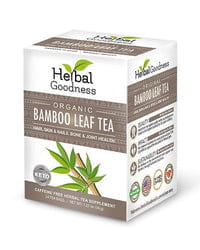
Those interested in exploring blends beyond bamboo can look to the Graviola, Hibiscus, Bamboo Herbal Tea Trio – Bundle (3 Packs), offering creative inspiration for tea artisans.
Culinary Artistic Applications
In the culinary world, bamboo leaves are prized as an all-natural, biodegradable wrapping material. They’re a classic element for preparing traditional dishes:
- Rice and grain wraps: Used across East and Southeast Asian cuisines to enfold sticky rice, grains, or sweets—imparting a gentle fragrance during steaming.
- Steaming mats: Layered in steaming baskets to impart aroma and prevent sticking.
- Garnishing: Add visual appeal and a hint of botanical aroma to serving platters and bento boxes.
Bamboo leaves work well alongside other bulk botanicals, such as Sea Moss - Raw Dried from St Lucia - 8oz Bag - Nature's MultiVitamins, enhancing your kitchen repertoire with healthful, natural ingredients.
Sustainable, Stylish Crafts
Crafters and artisans use bamboo leaves for:
- Papermaking: Their fibrous nature is ideal for creating natural-textured papers for cards or journals.
- Basket weaving: Dried leaves can be softened, split, and woven into small baskets and containers.
- Eco-friendly decor: Bamboo leaves add organic flair to wreaths, centerpieces, and floral arrangements.
Bulk options such as Bulk Herbs & Roots - Organic 4oz Bags - Herbal Tea support both creative and sustainable crafting endeavors, letting you maximize every part of your order.
Evaluating Bulk Bamboo Leaf Suppliers
Identifying a reputable supplier goes beyond price per kilogram or pound. Consider these attributes when evaluating potential bulk vendors:
Product Quality and Consistency
- Request samples, if possible; assess aroma, color, and absence of debris.
- Compare specifications (length, width, cut, color) to match your needs.
- Verify that suppliers test for purity and absence of contaminants.
While reviewing quality, also explore related botanicals such as Bulk Loose Leaf Teas & Tisanes - Organic 4oz - Herbal Wellness Teas, which apply similar sourcing standards that can benefit your purchase experience.
Customer Service and Communication
Prompt and transparent communication is vital, especially for recurring purchases. Look for responsive support, willingness to provide documentation, and clear policies on bulk or wholesale pricing.
Return and Replacement Policy
Reliable suppliers will clearly outline their approach to product issues—such as damaged shipments or dissatisfaction—ensuring you have recourse should a problem arise.
Reducing Waste and Maximizing Value with Bulk Bamboo Leaves
Buying in bulk can minimize packaging waste, lower per-unit costs, and reduce carbon footprint from repeated shipping. To get the most value:
- Consolidate orders with community groups, businesses, or fellow hobbyists.
- Repurpose leftover pieces in crafts or composting.
- Store smaller portions in separate containers to avoid repeated exposure of the full bulk supply.
For broader applications and creative use of herbal botanicals, explore Wellness Tea Blends - Organic 4oz - Premium Herbal Infusion to inspire minimal waste and maximum enjoyment.
Conclusion
Purchasing bamboo leaves in bulk unlocks a spectrum of creative, culinary, and artisanal possibilities for anyone invested in sustainable, nature-inspired projects. By understanding the available forms, scrutinizing label information, choosing ethical sources, and following proper storage protocols, you’ll enjoy a consistent supply and exceptional quality for all your tea blending, cooking, or crafting endeavors.
FAQs:
- How do I choose between dried, cut, and powdered bamboo leaves?
The best form depends on your needs—use dried whole leaves for food wraps, cut leaves for tea blends and crafts, and powder for smooth ingredient mixes or art projects.
- What should I look for on the label when buying bamboo leaves in bulk?
Check for organic certification, clear country of origin, processing details, and batch numbers for traceability and assurance of quality.
- How can I store bulk bamboo leaves to extend their shelf-life?
Keep them in airtight, moisture-resistant containers away from sunlight and heat. Use resealable bags or transfer them to sealed jars to maintain freshness.
- Are bamboo leaves a sustainable craft material?
Yes, bamboo grows quickly and regenerates, making it a renewable and eco-friendly option for culinary, craft, and decorative projects when sourced responsibly.
- Can I purchase food-grade bamboo leaves for culinary purposes in bulk?
Absolutely. Look for suppliers specializing in food-grade leaves, preferably with certifications and clear handling processing for safe culinary use.
- What’s the best way to minimize waste when sourcing bamboo leaves in large quantities?
Consolidate orders, repurpose leftover leaf pieces for crafts or composting, and store smaller amounts separately to preserve freshness and reduce overall waste.
- Where do most bulk bamboo leaf suppliers source their product?
Many suppliers source bamboo leaves from regions in East and Southeast Asia, including China, Japan, and Vietnam, each offering unique qualities and traditional processing methods.
Author Name:
Herbal Goodness Editorial Team
Author Bio:
The Herbal Goodness Editorial Team specializes in holistic health and superfoods, blending science and nature to educate and empower our community.
References:
Introducing Graviola to Young Taste Buds: Fun, Family-Friendly Flavor Exploration
Graviola in the Classroom and at Home: Creative Activities to Teach Kids About Tropical Plants
Share this

Popular posts


FAQs
1. What are the main benefits of drinking bamboo leaf tea?
Drinking bamboo leaf tea supports hydration, relaxation, skin wellness, and antioxidant balance.
2. What is bamboo leaf extract used for?
It’s used for general body wellness, skin elasticity, hair and nail support, and overall vitality.
3. Can bamboo leaf help with skin care and body wellness?
Yes, bamboo leaf is rich in silica and antioxidants, which promote healthy skin, strong nails, and a youthful glow.
4. What forms of bamboo leaf are available?
You can find dried bamboo leaf, powder, extract, drops, oil, and bamboo leaf green tea.
5. Are there any side effects of bamboo leaf?
Bamboo leaf is generally safe when consumed in moderation. Always consult your healthcare provider before starting any new herbal supplement.