





Black Seed Oil Terroir: The Subtle Influences of Region, Farming, and Harvest

Rich, aromatic, and powerfully distinctive, black seed oil—pressed from the small, jet-black seeds of Nigella sativa—has been celebrated across cultures for centuries. Yet, many people are unaware that not all black seed oil is the same. Just as a fine wine reflects its origin, the best black seed oils are deeply shaped by where and how the seeds are grown, when they are harvested, and what agricultural methods are used. From the nuances of soil and climate to the human touch behind organic and small-scale farming, every bottle of black seed oil tells a story of place and practice. Delve with us into this fascinating world, where the journey from seed to oil reveals the unique flavors, aromas, and beneficial compounds influenced by terroir, and gain insights into how these aspects relate not only to quality, but to sustainability and transparency.
The Concept of Terroir in Black Seed Oil
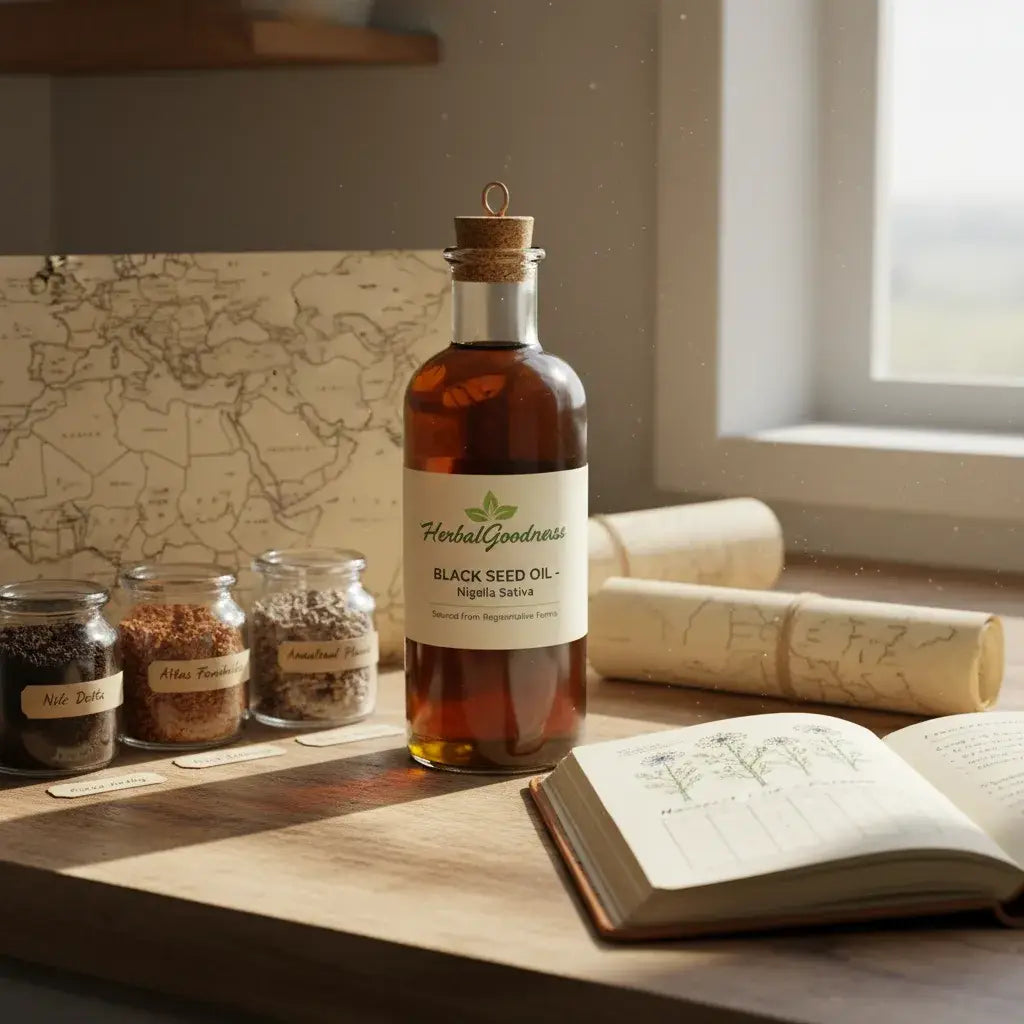
The word "terroir," borrowed from the world of winemaking, refers to the intricate tapestry of environmental and human factors that impart distinctive qualities to a crop. For black seed oil, terroir encompasses the soil composition, local climate, growing region, and traditional farming techniques. Understanding terroir helps explain why black seed oil from one part of the world can taste, smell, and even appear different than oil from elsewhere.
Soil Composition: The Foundation of Flavor and Aroma
The soil in which Nigella sativa is cultivated lays the groundwork for the plant’s growth and, ultimately, the oil’s character. Sandy, well-drained soils—found in Egypt’s Nile Delta—encourage seeds that are particularly aromatic, while loamier soils in southern Asia can yield seeds with more mellow flavors. Soil minerals, pH, and organic matter all influence:
- The aroma profile (spicy, earthy, or herbaceous notes)
- Oil yield per harvest
- Presence of unique phytochemical compounds
Choosing products such as Black Seed Oil 8oz - Cold-Pressed Liquid - Immunity & Wellness ensures you’re getting an oil where soil quality and origin are respected from field to bottle.
Climate Factors: Sun, Rain, and Seasonal Nuances
Climate is another key player in the black seed oil story. Ideal growing conditions tend to feature:
- Warm days for essential oil synthesis
- Cool nights that slow down plant metabolism and prolong the maturation period
- Balanced rainfall to support healthy seed development
In dry regions like northern Africa, seeds often develop an intense aroma and robust oil concentration, while in temperate climates, the flavor profile is sometimes subtler. Microclimates—small pockets of unique weather within a larger region—can also give rise to prized batches known for their exceptional taste or aroma.
Cultivar Choices: Heritage and Diversity
Nigella sativa comes in several cultivars, each adapted to its local environment. Farmers often select seeds handed down through generations, prized for particular attributes:
- Seeds with slightly higher oil content
- Unique flavor and color characteristics
- Adaptation to drought or specific soils
Using traditional cultivars can not only preserve biodiversity but also produce oils with one-of-a-kind sensory profiles, sought after by connoisseurs and culinary enthusiasts alike. For those interested in a holistic approach, Papaya Leaf Extract - Organic 1oz 15X Liquid - Blood Platelet provides plant-based support drawn from time-honored cultivation methods.
Organic and Small-Scale Farming: Traditions That Respect Nature
Organic and small-scale farming practices are gaining traction not only for environmental reasons, but also for the remarkable impact they have on oil quality and transparency.
Benefits of Organic Farming
By steering clear of synthetic inputs, organic growers often:
- Nurture healthier soils rich in organic matter
- Encourage complex root development in Nigella sativa
- Allow beneficial insects to flourish, promoting natural pollination
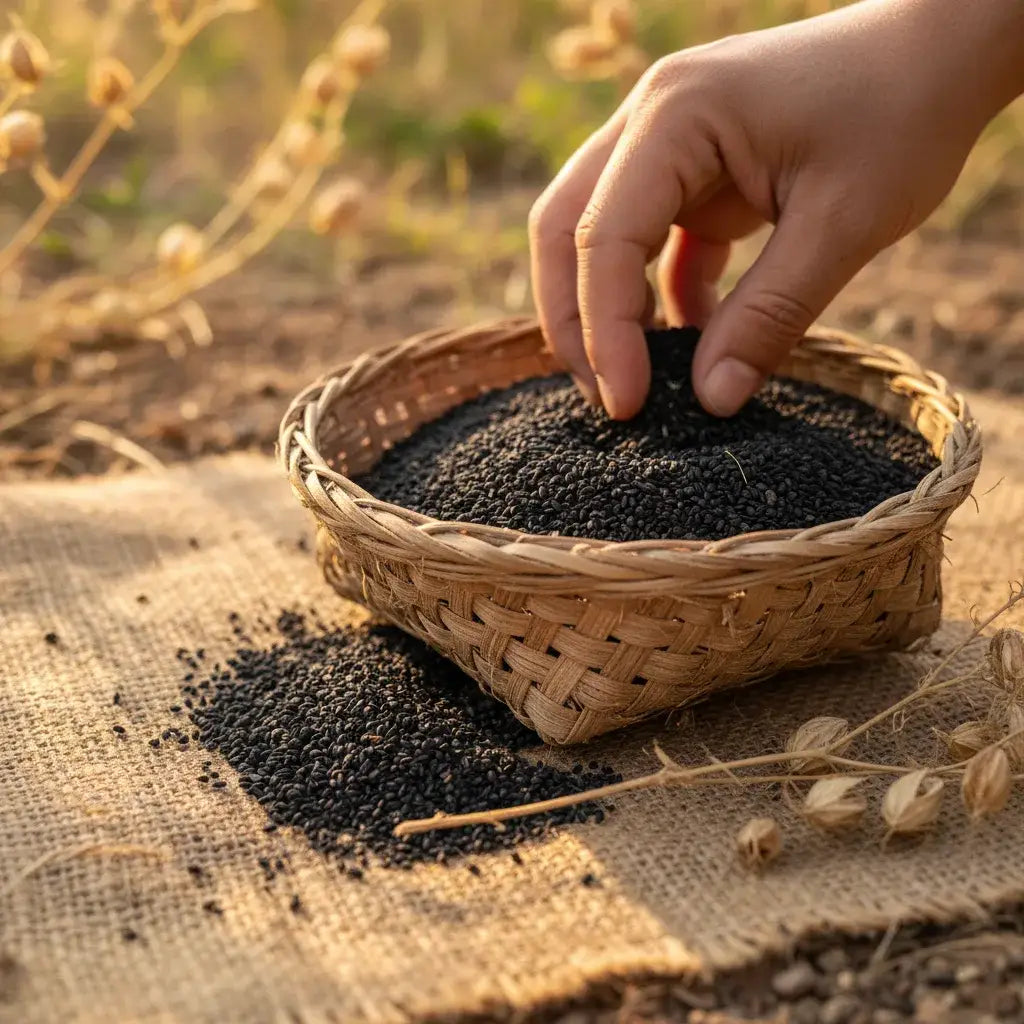
Organic seeds are sometimes smaller but offer an intense, authentic aroma and retain a full spectrum of phytochemicals.
The Role of Small-Scale Producers
Smaller farms, especially those managed by families or communities with generations of experience, are often able to:
- Closely monitor seed maturity and select the perfect harvest windows
- Employ gentle, traditional harvesting and cleaning methods
- Ensure traceability from field to factory, supporting true product transparency
This hands-on approach nurtures distinctive batches of oil, each with its own captivating story. Selecting organic and transparently produced products like Papaya Leaf Extract Blood Support - Organic 1oz 15X Liquid Extract - Platelet Health supports a commitment to both tradition and ethical standards.
Harvest Timing: The Art of Knowing When
When seeds are collected is just as crucial as how and where they are grown. Harvest timing affects not only the flavor but also the chemistry of the seeds.
Early vs. Late Harvest
- Early harvest seeds may yield lighter, more herbaceous oil, often less concentrated but notably fresh.
- Late harvest seeds can result in deeper, nuttier flavors and a richer color, reflecting full maturation and heightened oil content.
Harvesting at peak maturity allows for optimal development of the volatile compounds responsible for the signature spicy aroma. The impact of this careful timing can be experienced in premium Black Seed Oil 8oz - Cold-Pressed Liquid - Immunity & Wellness, which preserves complexity and depth.

From Harvest to Oil: Gentle Extraction Matters
Although this article focuses on growing and harvesting, it’s important to note that gentle, cold-press extraction methods are often chosen by producers who prioritize traditional, quality-focused agriculture. These methods preserve the full range of natural compounds and keep the oil as close as possible to its original state, as shaped by terroir. If you value minimally processed plant extracts, Soursop Leaf Graviola Extract - - Organic 15X Liquid Extract - Cell Renew & Immunity is another excellent example of cold-pressed goodness.
How Terroir Shapes the Sensory Experience
The impact of terroir reveals itself powerfully in the taste, aroma, and texture of the finished oil. When comparing black seed oils from different regions or farming backgrounds, you may notice:
- Egyptian oils: Piercing aroma, notes of cumin, earthy undertones, golden-amber hue.
- Turkish oils: Softer, slightly sweet flavors with nuanced spiciness, often lighter in color.
- Syrian and Ethiopian oils: Deep, pungent flavors and darker tint.
The subtleties can be traced to every decision made in the field—from soil and climate to hands-on traditions. Each bottle is an invitation to explore a new landscape through taste and aroma. For those interested in culinary adventure and sensory delight, the nuanced differences in Black Seed Oil 8oz - Cold-Pressed Liquid - Immunity & Wellness provide a vibrant exploration of terroir.
Sustainability, Ethics, and Transparency in Black Seed Oil
As consumers become more conscious, the demand for oils produced with care for both land and people is growing. Transparent sourcing information—about the region, farm practices, and harvest methods—communicates not just quality, but a commitment to sustainability and ethical stewardship. When choosing a black seed oil, consider looking for:
- Details on origin and farming practices on the label
- Sourcing from farms that support healthy soil and biodiversity
- Partnerships with cooperatives or small-scale producers
This transparency benefits everyone—from farmer to consumer—supporting lasting environmental and community wellbeing. Seeking products that state their region and origin, such as Papaya Leaf Extract - - Organic 16oz 15X Liquid Extract, reflects both transparency and a dedication to quality.
Comparing Black Seed Oils: What to Look For
When evaluating black seed oils, keep these terroir-inspired tips in mind:
- Origin: Seek information about growing regions—Egypt, Turkey, Ethiopia, and Syria are all known for unique profiles.
- Farming Practice: Look for organic certification or evidence of small-scale production.
- Harvesting Details: Brands that share their harvest timing signal dedication to quality.
- Sensory Qualities: Use your senses—rich color, bold aroma, and complex flavor hint at careful cultivation.
The more you know about the journey from seed to oil, the more you can appreciate each drop. Your appreciation can extend to other plant-based extracts; Soursop Leaf Graviola Extract - - Organic 15X Liquid Extract - Cell Renew & Immunity is also shaped by its unique environmental conditions, mirroring the beauty of terroir in every bottle.
Crafting a Connection: Terroir and the Human Element
Finally, the relationship between black seed oil and its terroir is not just agricultural—it’s human. Generations of farmers have learned to read the land, sense the shifting seasons, and nurture crops with patience. Their expertise is preserved in traditional, mindful practices that respect the land’s rhythms and the plant’s needs. As you explore black seed oil, you’re tasting not just a crop, but a legacy—a harmonious blend of soil, sun, season, and stewardship.
FAQs:
- How does the growing region influence black seed oil flavor?
Growing region impacts soil composition, climate, and weather conditions, all of which shape the signature flavor and aroma of black seed oil. Oils from Egypt may be more aromatic, while those from Turkey or Ethiopia exhibit unique taste profiles reflecting their local environments.
- What farming practices support higher-quality black seed oil?
Organic and small-scale farming practices typically nurture healthy soil and allow for careful plant management, which can foster richer flavors, authentic aroma, and greater transparency from seed to bottle.
- Why is harvest timing important for black seed oil?
Harvest timing determines seed maturity and the concentration of natural oils and flavor compounds. Early harvest yields lighter, fresher oil, while late harvest delivers deeper flavors and a richer color.
- How can I tell if a black seed oil is sustainably produced?
Look for oils that clearly state their source, use organic or traditional farming practices, and are made by producers who prioritize soil health, biodiversity, and fair partnerships with growers.
- Do different Nigella sativa cultivars affect oil characteristics?
Yes, different cultivars offer varying oil content, flavors, and aromas, influenced by both natural adaptation and generations of selective farming in specific regions.
- What sensory qualities indicate a high-quality black seed oil?
Rich color, bold and complex aroma, and a finely balanced flavor profile often signal hand-selected seeds, thoughtful cultivation, and expert harvesting from a distinct terroir.
Author Name:
Herbal Goodness Editorial Team
Author Bio:
The Herbal Goodness Editorial Team specializes in holistic health and superfoods, blending science and nature to educate and empower our community.
References:
Introducing Graviola to Young Taste Buds: Fun, Family-Friendly Flavor Exploration
Graviola in the Classroom and at Home: Creative Activities to Teach Kids About Tropical Plants