Is Ashwagandha Safe? A Consumer Guide to Product Quality, Labels, and Buying Decisions

Choosing an herbal supplement can feel overwhelming, especially when terms like 'safety' and 'quality' are front and center. Ashwagandha, also called Withania somnifera, continues to surge in popularity as an herbal product, appearing in everything from traditional teas to modern capsules. As a consumer, understanding what makes an ashwagandha product trustworthy, how to read its label for quality cues, and the best steps to follow when trying a new supplement can help you make confident, well-informed choices. This guide explores the key factors affecting ashwagandha safety — all in practical, accessible language.
Understanding Ashwagandha Product Formats
Ashwagandha is available in a wide array of forms. The type you choose may influence not just your experience, but also how you verify the product's quality and trustworthiness.
Powders
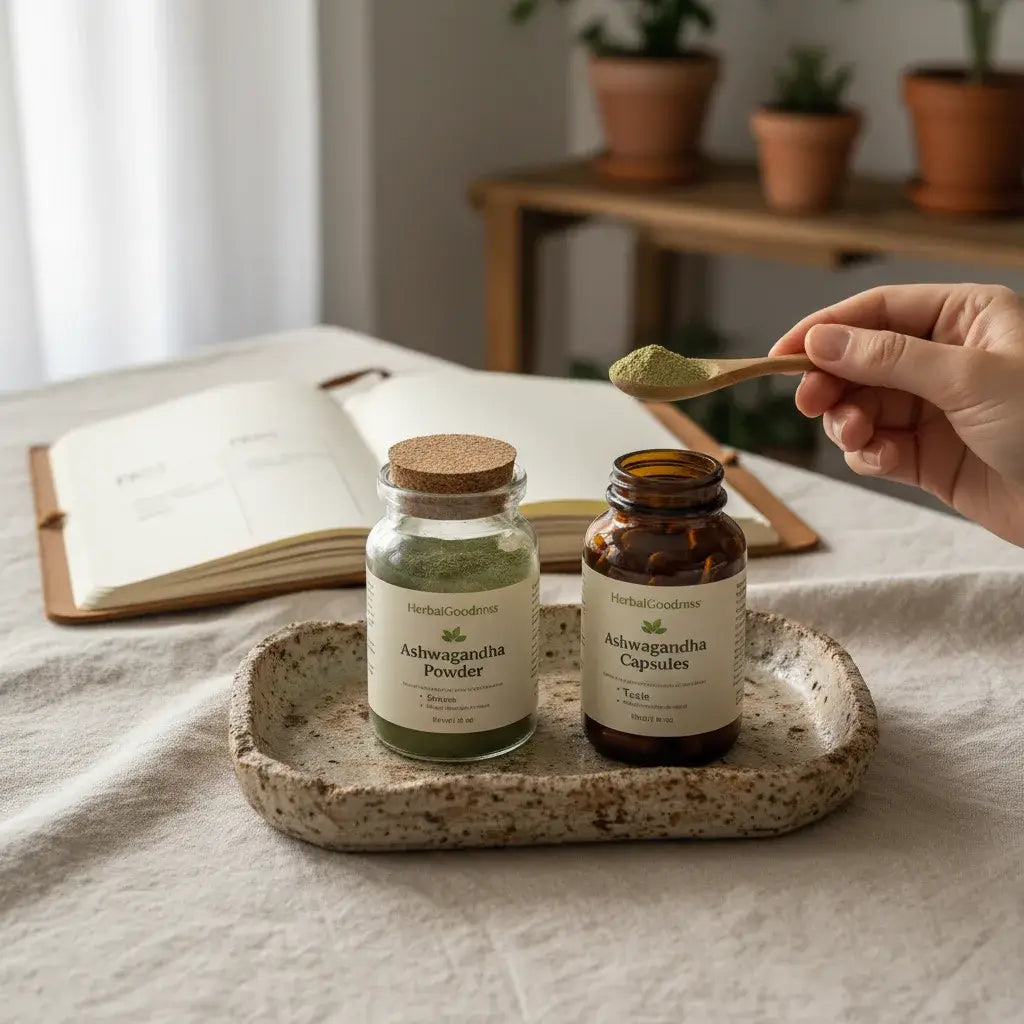
Ashwagandha powders are typically made from dried, ground roots. Powders provide a versatile option, as they can be mixed with water, smoothies, or other foods. When considering powders, look for information about the grinding process and whether any additives have been included. If you want flexibility with serving size in a powdered herb, consider products with a transparent label and a history of trustworthy sourcing similar to what you'd expect from Organic Papaya Seed Powder 4oz | Gut Cleanse & Digestive Support.
Capsules and Tablets
These convenient forms often contain powdered or extracted ashwagandha enclosed in a capsule or pressed into a tablet. Capsules are excellent for precise, measured servings. Label transparency is crucial—confirm the exact content, and check for any bulking agents, fillers, or artificial additives listed in the ingredients. For those aiming for precise and reliable daily servings, capsule-based options like Blood Platelet Plus - 60/600mg 20X Strength Capsule - Platelet Boost underscore the importance of third-party testing and ingredient purity.
Tinctures and Liquid Extracts
Tinctures involve soaking ashwagandha root in a solvent (such as alcohol or glycerin) to draw out its components. Liquids may allow for flexible serving sizes and quick absorption. It's important to review the label for concentration, ingredient purity, and the type of extraction used. Look for features found in high-quality options such as the Ashwagandha Root Liquid Extract - Organic - Energy & Mood, which highlight standardization and transparency about active compounds and extraction method.
Teas and Infusions
Traditional herbal teas featuring ashwagandha are often paired with other herbs or flavors. The quality of the raw materials and the purity of the blend play significant roles. Choose products that disclose their ingredients and sources. This is similar to how Bamboo Leaf Tea – 24/1.5g Tea Bags - Nature's Collagen & Biotin provides details on its sourcing and blend integrity, setting the bar for label clarity.
Sourcing and Processing: Why Origin Matters
The journey of ashwagandha from field to bottle can greatly influence its safety and quality.
Geographic Origin
Ashwagandha is primarily grown in regions like India, the Middle East, and parts of Africa. The exact cultivation environment—including soil health and farming practices—can affect the final product. Some consumers seek ashwagandha labeled as "organic" or from reputable growing regions. Products that carry labels specifying origin and sustainable production, much like Papaya Leaf Extract - Organic 1oz 15X Liquid - Blood Platelet, offer added reassurance about sourcing.
Harvesting and Processing Practices
High-quality ashwagandha products are typically made from the plant's root, harvested at optimal maturity. The drying and grinding processes must be gentle and controlled to preserve beneficial components and avoid contamination. Look for brands that detail their manufacturing methods and emphasize clean, contamination-free processing. Herbal brands that focus on full process transparency, evidenced by batch numbers and detailed info, stand apart in quality.
Third-Party Testing for Purity & Safety
A significant safety cue is independent, third-party laboratory analysis. Reliable companies use these tests to screen for heavy metals, agricultural residues, and other potential contaminants. Trustworthy products will often display "Tested for Purity" or similar phrases with certificates or lab results posted on their website or available on request. This level of openness, as seen in some leading adaptogen supplements such as Ashwagandha Root Liquid Extract - Organic - Energy & Mood, gives consumers greater confidence in product safety.
How to Read and Understand Ashwagandha Labels
Navigating herbal supplement labels can be confusing, but a few essentials help cut through marketing jargon and pinpoint quality.
Ingredient List
Check for clear, single-source ashwagandha in the ingredient list—"Withania somnifera root powder" or "ashwagandha extract" are typical. Avoid products with excessive fillers, artificial preservatives, sweeteners, or unspecified "proprietary blends." The ingredient simplicity and clarity found in Organic Papaya Seed Powder 4oz | Gut Cleanse & Digestive Support can provide a practical benchmark here.
Serving Size and Standardization
Many reputable brands specify the amount of ashwagandha per serving. Some go further, listing certain active plant compounds, such as "standardized to 5% withanolides." While not a guarantee of efficacy, standardization can reflect manufacturing consistency. For example, adaptogen blends such as Ashwagandha Root Liquid Extract - Organic - Energy & Mood highlight both serving size and standardization, helping ensure you know what you're getting in every dose.
Certifications and Quality Seals
Seek out labels featuring recognized third-party seals. Notable certifications include:
- USDA Organic – Indicates organic farming practices
- Non-GMO Project Verified – Signifies the absence of genetically modified organisms
- USP or NSF Certification – Shows independent testing for identity, purity, and quality
- GMP (Good Manufacturing Practice) Certification – Demonstrates adherence to quality standards in processing facilities
When shopping for ashwagandha, certifications such as those often listed for products like Blood Platelet Plus - 60/600mg 20X Strength Capsule - Platelet Boost give assurance of independently verified safety and manufacturing.
Transparency of Sourcing
High-quality brands often describe the origin of their ashwagandha, provide batch numbers for traceability, and offer detailed sourcing information to reassure consumers about production methods. For those who prioritize traceable sourcing and manufacturing transparency, selecting reputable products modeled after Papaya Leaf Extract - Organic 1oz 15X Liquid - Blood Platelet supports more confident supplement choices.
Practical Considerations Before Trying Ashwagandha
Adopting a new herbal supplement like ashwagandha should be a thoughtful process. Here are uncomplicated steps to guide your experience:
Start with Low Quantities
If using ashwagandha for the first time, consider beginning with the minimum serving size listed on the label. This allows you to observe your body's response and minimize unexpected reactions. Products offering a range of formats and serving strengths, such as Ashwagandha Root Liquid Extract - Organic - Energy & Mood, can help with gradual self-experimentation.
Document Your Experience
Keep a simple journal to track your experiences after taking the supplement. Note details such as serving size, time of consumption, and any notable physical responses. This record can help you identify patterns or preferences, especially if comparing how you feel after using products that list actives and serving details as clearly as Organic Papaya Seed Powder 4oz | Gut Cleanse & Digestive Support.
Check for Potential Interactions
Examine the ingredient list for any substances you wish to avoid, including allergens or added components. Consult a health professional if you have questions about your overall wellness or sensitivities. Always ensure cross-checking labels, similar to scrutiny you’d apply when considering any new supplement.

Consult Recognized Sources
Research reputable companies by looking for customer reviews, independent quality testing results, and detailed product information on brand websites. Authentic brands are transparent and responsive to consumer inquiries. Where possible, select products from brands that offer lab analysis or clear contact options for support, typical of industry leaders.
Common Misconceptions About Ashwagandha Safety
There are several prevailing myths surrounding ashwagandha and product safety:
Myth 1: "Natural Means Automatically Safe"
It's easy to assume that herbal products are universally "gentle." However, the safety and suitability of any herbal supplement depend on its sourcing, form, serving size, individual sensitivities, and adherence to quality controls. Rigorously selected ashwagandha and responsible consumer practices create the best outcomes. The same approach—choosing tested supplements from reputable brands—applies to all herbal supplements you consider for wellness.
Myth 2: "All Ashwagandha Is The Same"
From root versus leaf to extraction process and dosage form, ashwagandha products can vary widely. The best way to ensure a reliable choice is to research brands, check for transparent labeling, and opt for products that undergo third-party testing. Use the same judgment you would when exploring label transparency for blends like Bamboo Leaf Tea – 24/1.5g Tea Bags - Nature's Collagen & Biotin.
Myth 3: "More Is Always Better"
A larger amount doesn’t guarantee a better experience. Moderation, caution, and adherence to labeled serving suggestions are important principles. Opting for high-potency options, such as Blood Platelet Plus - 60/600mg 20X Strength Capsule - Platelet Boost, should always be done with care and within recommended guidelines.
Key Factors to Evaluate When Selecting Ashwagandha Products
For a confident buying decision, focus on the following points:
Product Identity and Authenticity
Select ashwagandha labeled by its scientific name—Withania somnifera—and check for batch numbers enabling traceability. Unambiguous identity and traceability are signs of professionalism. Reference high-quality detail level as seen in Papaya Leaf Extract - Organic 1oz 15X Liquid - Blood Platelet.
Purity and Clean Processing
Look for brands emphasizing pure formulations, free from unnecessary fillers, artificial flavors, or questionable additives. The purity of processing, akin to the commitment found in Ashwagandha Root Liquid Extract - Organic - Energy & Mood, helps ensure you're not consuming unwanted ingredients.
Safety Documentation and Consumer Support
Many reputable companies offer Certificate of Analysis (COA) or lab verification demonstrating their product has undergone rigorous screening. Responsive customer support, adherence to regulations, and clear instructions are positive indicators. Trustworthy brands that openly publish test results or answer customer questions help build long-term confidence in supplement selection.
Summary Checklist for Ashwagandha Supplement Safety
- Choose your preferred product format (powder, capsule, tincture, tea)
- Opt for clear labeling of content and origin
- Check for recognized third-party certifications and test results
- Begin with the suggested lowest serving size and maintain a journal
- Confirm ingredient transparency and company openness
- Avoid products with vague or misleading label claims
Staying informed and choosing transparently made ashwagandha puts you in control of your wellness journey. The path to smart supplement selection is built on education, quality checks, and mindful steps.
FAQs:
- What should I look for on an ashwagandha supplement label?
Look for clear ingredient lists naming 'Withania somnifera,' transparency about sourcing, standardization details, serving size, and recognized third-party certifications like USDA Organic or NSF. Avoid excessive fillers and vague proprietary blends.
- Are powdered, capsule, or liquid ashwagandha supplements safer?
Safety can depend more on sourcing and purity than format. Prioritize products with detailed labels, third-party testing, and reputable brand practices, regardless of whether they're powders, capsules, or liquids.
- How can I verify if an ashwagandha product is authentically sourced?
Check if the brand discloses the plant's geographic origin, provides batch numbers for traceability, and shares details on their farming and processing practices. Trusted companies are forthcoming with this information.
- What are third-party supplements certifications and why do they matter?
Third-party certifications (e.g., USDA Organic, NSF, GMP) demonstrate that products have been independently tested for quality, purity, and proper manufacturing practices, offering additional consumer confidence.
- Should I start with a full serving of ashwagandha?
It's often wise to begin with the lowest suggested serving size to observe your body's response, then adjust as you become more familiar with the supplement.
Author Name:
Herbal Goodness Editorial Team
Author Bio:
The Herbal Goodness Editorial Team specializes in holistic health and superfoods, blending science and nature to educate and empower our community.
References:
Introducing Graviola to Young Taste Buds: Fun, Family-Friendly Flavor Exploration
Graviola in the Classroom and at Home: Creative Activities to Teach Kids About Tropical Plants