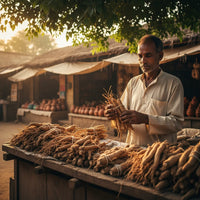
Ashwagandha Root Guide: History, Key Plant Compounds & Scientific Exploration

Ashwagandha root, renowned for centuries as a treasured botanical, continues to capture the interest of both tradition-minded practitioners and modern-day researchers. Its striking relevance spans from ancient customs found throughout South Asia to the cutting-edge laboratories investigating its botanical features today. Ashwagandha’s lasting appeal springs not only from its revered use in time-honored practices but also its unique chemical makeup. This guide offers a clear and accessible journey through the root's rich cultural significance, essential phytochemicals, and the frontiers of scientific exploration surrounding ashwagandha—providing valuable context for anyone from curious newcomers to dedicated enthusiasts.
Tracing Ashwagandha’s Cultural Footprint
Ashwagandha (Withania somnifera) holds a prominent place in traditional botanical use, especially across regions of India, Nepal, and the Middle East. Its historical journey is rooted in ancient practices and cultural beliefs, making it a staple in various wellness traditions.
Revered Traditions in South Asian Heritage
Ashwagandha has long been regarded as a valuable root in South Asian societies. Texts dating back thousands of years reference its central role in daily rituals, emphasizing its integration into local communities and customs. Families often passed down stories and preparations through generations, reinforcing ashwagandha’s enduring popularity.
Spiritual and Symbolic Meanings
Beyond practical uses, ashwagandha symbolizes strength, resilience, and balance. In many ceremonies, the root is celebrated for its supposed ability to help align mind and body, representing a harmonious connection with nature. These beliefs continue to influence how ashwagandha is respected in contemporary holistic lifestyles.
Botanical Overview: The Ashwagandha Plant
Ashwagandha belongs to the nightshade family (Solanaceae), sharing kinship with plants like tomatoes and potatoes. Its small, shrub-like growth features greenish-yellow flowers and orange-red berries, but it is the root that draws the greatest interest.
Growing Regions and Cultivation Practices
The plant flourishes in dry, subtropical climates, thriving in sandy, well-drained soil. Farmers often harvest ashwagandha roots after a full season, taking care to preserve their integrity during drying and storage. This careful cultivation remains an integral part of ashwagandha’s tradition.
Recognizing Quality Roots
Distinguishing high-quality ashwagandha involves evaluating appearance, aroma, and sourcing transparency. Roots are often beige to light brown, with a characteristic earthy scent. Ethical and sustainable harvesting practices are increasingly prioritized by producers and consumers alike. Some ethically grown roots are often available in our Bulk Herbs collection, perfect for those who wish to incorporate pure botanicals into their lifestyle.
Unlocking Ashwagandha’s Key Plant Compounds
Central to ashwagandha’s reputation are the unique phytochemicals present in its root. These natural compounds play a significant role in ongoing scientific investigation.
Main Classes of Phytochemicals in Ashwagandha
Withanolides
Withanolides are steroidal lactones considered the hallmark of ashwagandha’s chemical profile. More than 40 different withanolides have been identified, including withaferin A and withanone. Their structurally diverse nature underpins much of the academic curiosity about ashwagandha. Adaptogenic blends like the Mushroom Blend - Organic 1oz 15X Liquid Extract - Adaptogens & Brain Power often feature such botanicals alongside complementary fungi.
Alkaloids
Ashwagandha root contains a variety of alkaloids, such as anaferine and cuscohygrine. These nitrogen-based compounds contribute to the plant’s robust sensory profile and are integral to its complex phytochemistry.
Saponins and Other Antioxidants
Saponins in ashwagandha, recognized for their soap-like properties, add to the botanical diversity of the root. These, along with select antioxidant molecules, broaden the spectrum of natural substances studied within ashwagandha. Complementary botanicals, including Sea Moss - Raw Dried from St Lucia - 8oz Bag - Nature's MultiVitamins, also have a rich antioxidant profile that may support wellness routines.
Chemotype Variation and Environmental Factors
The precise mix of these compounds can vary widely, influenced by geography, soil composition, and agricultural practices. Modern analytical techniques help researchers map out these variations, contributing to a greater understanding of ashwagandha’s natural diversity.

Scientific Inquiry: Modern Research Pathways
Contemporary researchers are actively exploring ashwagandha’s numerous botanical and phytochemical attributes. Ongoing studies focus on understanding its properties at the cellular and molecular level, as well as unraveling its historical uses with modern tools.
Analytical Techniques in Phytochemical Studies
Advanced laboratory methods such as high-performance liquid chromatography (HPLC) and mass spectrometry have allowed scientists to identify and quantify the complex array of ashwagandha’s compounds. These techniques have expanded the breadth and depth of botanical scholarship.
Areas of Ongoing Scientific Exploration
While much remains to be discovered, researchers are currently examining:
- Variability of plant compounds: How different growing conditions and processing methods affect ashwagandha’s phytochemical content.
- Safety assessment: Evaluating potential safe usage standards for ashwagandha in various botanical preparations like the Ashwagandha Root Liquid Extract - Organic - Energy & Mood.
- Historical documentation review: Comparing current chemical findings with ancient texts and traditional preparations.
Research Initiatives and Collaborations
Interdisciplinary efforts now unite botanists, analytical chemists, and historians. This collaborative spirit helps combine centuries of traditional knowledge with modern scientific rigor, further strengthening the global appreciation of ashwagandha. For individuals interested in learning more, a Personal Consultation with Herbalist or Health Coach can provide tailored insight into ashwagandha and related botanicals.
Navigating Sourcing and Responsible Use
With ashwagandha’s rising popularity, sourcing responsibly has become increasingly important. Sustainability and transparency ensure that both environmental resources and traditional wisdom are honored.
Sustainable Cultivation Initiatives
Some farms now partner with environmental and agricultural organizations to develop resilient cultivation practices. These efforts help protect local biodiversity while offering consumers higher quality and ethically grown ashwagandha root. For instance, sustainably sourced herbs can often be found through curated selections such as our organic herbal teas.
Transparency in Supply Chains
Traceable sourcing—from seed to shelf—empowers shoppers to make informed decisions about which ashwagandha products to choose. Certifications and transparent reporting are now common among reputable producers, enhancing trust and confidence.
How to Identify Quality Ashwagandha Products
With many options available, it can be helpful to know what differentiates premium ashwagandha goods from the rest.
Label Clarity and Certifications
Well-labeled products should include the botanical name (Withania somnifera), indicate root source, and share details about harvesting or extraction methods. Look for third-party certifications that attest to sustainability and quality standards. Products like Ashwagandha Root Liquid Extract - Organic - Energy & Mood often highlight these attributes for transparency.
Supporting Responsible Producers
Choosing brands that invest in the wellbeing of farmers and communities ensures that ashwagandha’s legacy of respect continues for future generations. Responsible brands often contribute to education, fair trade initiatives, and community development in producing regions. If wellness routines are important, you might discover interesting options in Wellness Tea Blends - Organic 4oz - Premium Herbal Infusion.

Exploring Ashwagandha in Everyday Life
Ashwagandha’s role in global wellness culture has expanded far beyond traditional settings. Its presence is now seen in specialty teas, culinary blends, and wellness routines—each a testament to its adaptability and influence.
Culinary Innovation
Modern culinary experts experiment with ashwagandha by incorporating its distinctive earthy taste into smoothies, herbal infusions, and spice mixes. This welcome versatility gives rise to new traditions while connecting with time-honored practices. Antioxidant-rich choices such as Sea Moss - Raw Dried from St Lucia - 8oz Bag - Nature's MultiVitamins can pair well with ashwagandha for diverse nutritional benefits.

Wellness and Lifestyle Integration
Ashwagandha root can now be found as a widely available botanical ingredient, reflecting the convergence between ancient wisdom and contemporary lifestyles. Its use in natural product formulations and wellness regimens continues to shape consumer preferences worldwide. Crafted blends like Wellness Tea Blends - Organic 4oz - Premium Herbal Infusion and concentrated adaptogenic elixirs such as Ashwagandha Root Liquid Extract - Organic - Energy & Mood make incorporating ashwagandha into daily routines simple and approachable.
The Ongoing Story of Ashwagandha Root
The journey of ashwagandha root illustrates a unique confluence of history, science, and culture. From its humble beginnings as a local staple to its emergence on the global stage of scientific investigation, ashwagandha stands as a symbol of both tradition and innovation. As future studies unfold, interest in this ancient botanical is poised to endure—and inspire.
Ready to discover the world of ashwagandha root? Explore responsibly sourced products and continue your journey with trusted information. Embrace centuries of tradition and the excitement of modern research—choose the best for your wellness path today.
FAQs:
- What is ashwagandha root?
Ashwagandha root is the underground part of the Withania somnifera plant, valued for its unique phytochemicals and central role in traditional South Asian cultures.
- What are the primary plant compounds found in ashwagandha?
Key compounds in ashwagandha root include withanolides, alkaloids, saponins, and various antioxidants, all contributing to its complex botanical profile.
- How is ashwagandha traditionally used?
Ashwagandha has been used historically in rituals, culinary preparations, and daily wellness routines across multiple cultures, especially in South Asia.
- Where is ashwagandha typically grown?
Ashwagandha is primarily cultivated in arid and subtropical regions of India, Nepal, and parts of the Middle East, thriving in sandy, well-drained soils.
- How do scientists study ashwagandha root today?
Researchers use advanced analytical tools like HPLC and mass spectrometry to examine the root's phytochemical diversity and compare findings with historical records.
Author Name:
Herbal Goodness Editorial Team
Author Bio:
The Herbal Goodness Editorial Team specializes in holistic health and superfoods, blending science and nature to educate and empower our community.
References:
Introducing Graviola to Young Taste Buds: Fun, Family-Friendly Flavor Exploration
Graviola in the Classroom and at Home: Creative Activities to Teach Kids About Tropical Plants