A Complete Guide to Ashwagandha Preparation: Teas, Tinctures, Powders, and More

Ashwagandha has gained notable attention for its deep roots in herbal traditions and its ability to complement modern lifestyles. How it’s prepared prominently affects its flavor, texture, and how easily it fits into day-to-day habits. Understanding the differences between ashwagandha teas, tinctures, powders, capsules, and culinary uses can help you make informed choices about trying this ancient botanical. With a variety of extraction methods and sensory experiences, there’s a form of ashwagandha suitable for every taste and style. Let’s explore how each preparation stands out, including pro tips for brewing, mixing, and incorporating ashwagandha seamlessly into your routine.
Understanding Ashwagandha and Its Versatile Forms
Ashwagandha (Withania somnifera) is a nightshade family herb found in many global botanical traditions. The most commonly used part is the root, which can be processed into various formats. Choosing a form often comes down to personal preference, desired flavor, and ease of use rather than seeking a particular outcome. Let’s review the primary preparations and how they are typically crafted.
Ashwagandha Tea: Savoring Tradition by the Cup
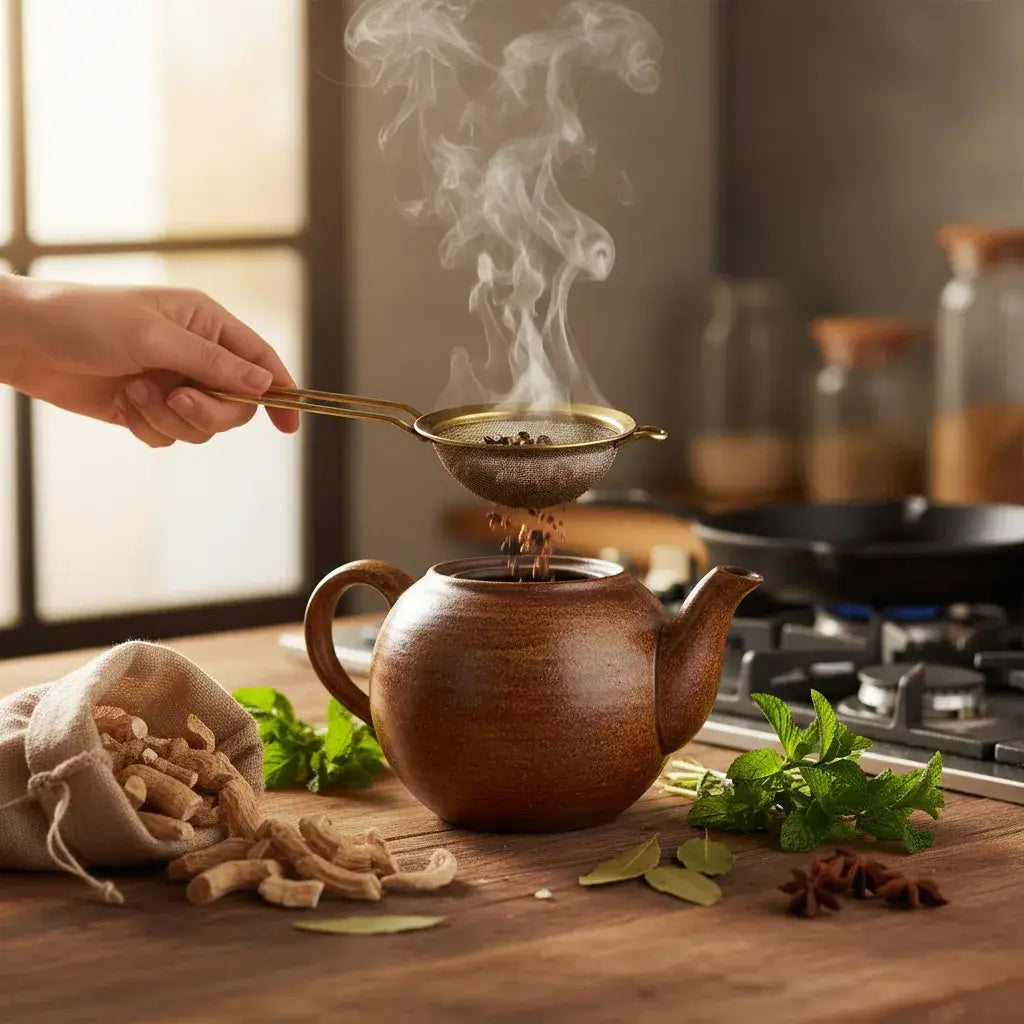
Ashwagandha tea is one of the most traditional ways to enjoy this root. The tea is made either from dried root slices or ground powder, gently simmered in water or milk.
Brewing Methods
- Root Slices: Simmer 1–2 teaspoons of dried root in water for 15-20 minutes. Strain before serving.
- Powder: Whisk 1/2 to 1 teaspoon into hot water or milk until well blended.
Sensory Experience
Ashwagandha tea has an earthy, slightly bitter, and nutty flavor. Brewing with milk or spices like cinnamon and cardamom can mellow the taste, offering a comforting, warming drink. The liquid’s texture is typically light but can be slightly gritty if made from powder.
Culinary Tips
- Add a dash of honey or sweetener for a balanced profile.
- Blend with chai spices for a flavorful infusion.
For those who enjoy exploring teas with unique botanicals, you might find Bamboo Leaf Tea – 24/1.5g Tea Bags - Nature's Collagen & Biotin worth integrating into your herbal repertoire due to its gentle taste and wellness appeal.
Ashwagandha Tincture: Concentrated and Convenient
Tinctures are liquid extracts made by soaking ashwagandha root in alcohol or vegetable glycerin. This preparation method is a popular choice for those seeking convenience and a longer shelf life.
Extraction Basics
- Dried root is steeped in a base of alcohol (or a non-alcoholic medium) for several weeks.
- The liquid is then strained and bottled, typically administered by dropper.
Sensory Experience
Tinctures deliver a robust, concentrated taste with an underlying herbal sharpness, making them ideal for mixing into juice, smoothies, or herbal teas. The alcohol or glycerin base adds a hint of sharpness or sweetness, respectively.
Practical Considerations
- Portability and dosage control make tinctures easy to incorporate into busy lifestyles.
- Start with a few drops and adjust as desired for taste and intensity.
If you’re seeking a direct ashwagandha liquid, the Ashwagandha Root Liquid Extract - Organic - Energy & Mood offers a hassle-free way to include this adaptogen into your day, either on its own or stirred into beverages.
Ashwagandha Powders: Flexible and Food-Friendly
Powdered ashwagandha is simply the dried root ground to a fine consistency. This format is beloved for its flexibility and integrative potential in both beverages and recipes.
Usage Methods
- Mix into smoothies, shakes, nut milks, or warm beverages.
- Stir into yogurts, energy bites, granola, or baked snacks.
Sensory Experience
Powdered ashwagandha has a mild earthy and slightly bitter aftertaste. When well-blended, the texture is smooth, though it can occasionally be chalky if not whisked thoroughly.
Culinary Tips
- Pair with creamy or naturally sweet foods to offset the bitterness.
- Sift the powder before adding to batters or drinks for a smoother result.
Some herbalists also recommend adding Organic Papaya Seed Powder 4oz | Gut Cleanse & Digestive Support to superfood blends or energy bites alongside ashwagandha for an extra layer of wellness.
Ashwagandha Capsules: Pure Simplicity
Capsules offer perhaps the most straightforward way to incorporate ashwagandha into a daily regimen, requiring no preparation or blending.
What Are Capsules?
- Contain measured amounts of ashwagandha powder within a dissolvable shell (often plant-based or gelatin).
- Available in various strengths and counts for easy personalization.
Sensory Experience
As capsules are swallowed whole, neither the flavor nor texture of ashwagandha is experienced directly—ideal for those who prefer a neutral taste.
Practical Benefits
- Quick and easy addition to a morning or evening routine.
- Precise measurement with little mess or clean-up required.
Similarly, botanical supplements such as Blood Platelet Plus - 60/600mg 20X Strength Capsule - Platelet Boost make it possible to maintain herbal support without the fuss of measuring and preparation.
Culinary Uses: Expanding Ashwagandha’s Flavor Horizons
Ashwagandha easily transitions from traditional preparations to modern recipes. It can be a creative ingredient in both sweet and savory dishes, particularly when using powder.
Popular Culinary Ideas
- Add to pancake or muffin batter for a subtle earthiness.
- Stir into oatmeal or overnight oats for morning nourishment.
- Incorporate into warm chocolate drinks, lattes, or golden milk for a distinctive twist.
- Blend powder into wholesome energy balls, protein bars, or nut butters.
Flavor Pairing Suggestions
- Works well with warming spices (cloves, nutmeg, cinnamon)
- Balances naturally with honey, dates, or maple syrup in desserts
- Complements nuts, seeds, and coconut in snack mixes
Extraction Methods: The Science Behind Each Form
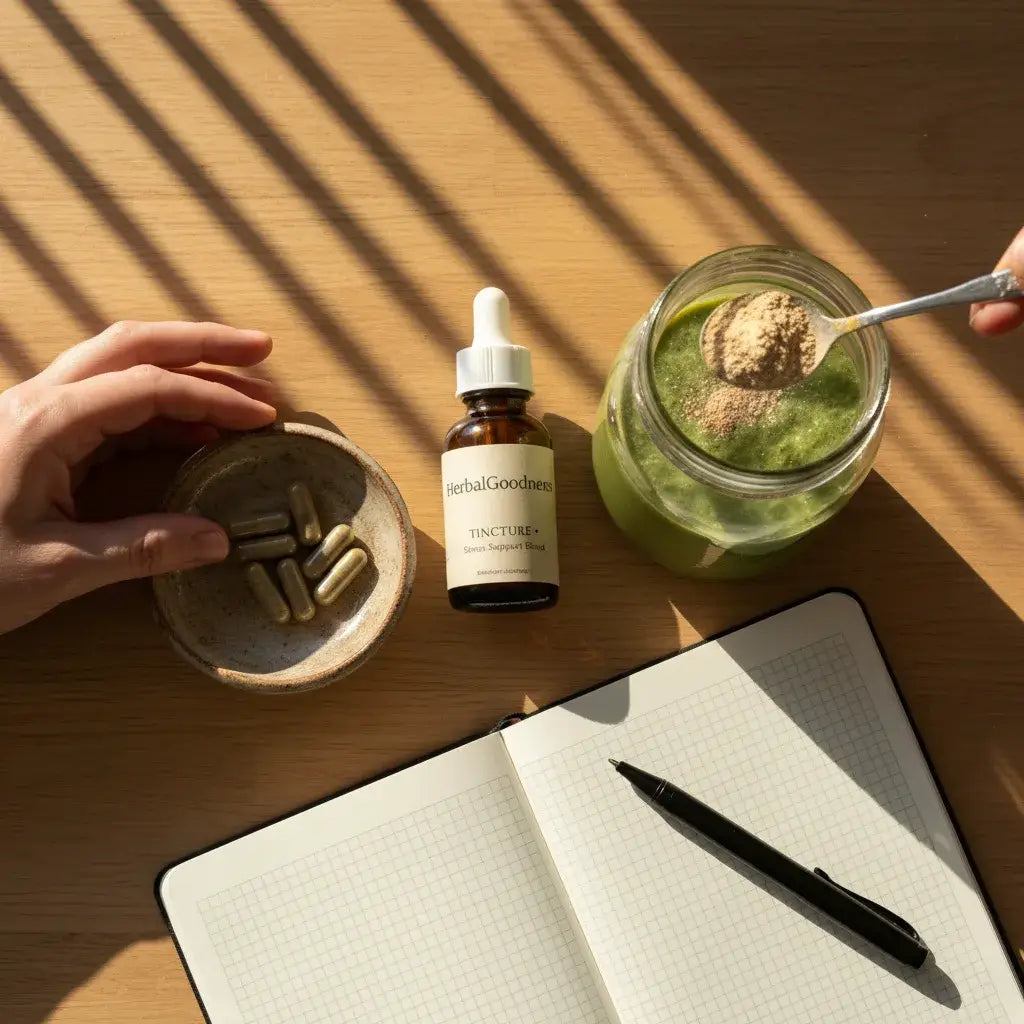
Ashwagandha root’s transition from raw plant to usable preparation involves several natural extraction methods. An understanding of these processes can guide you in selecting the best fit for your preferences.
Basic Extraction Methods
- Infusion (Teas): Hot water or milk extracts water-soluble components as the base for comforting teas.
- Tincturing: Alcohol or glycerin dissolves a broad spectrum of plant compounds, creating potent liquid extracts.
- Powdering: Dehydrated root is finely milled, increasing versatility for culinary and supplement uses.
- Encapsulation: Powder is measured and sealed in capsules for convenience with consistent serving size.
Sensory and Practical Differences
- Flavor: Teas and powders offer earthy and robust notes, while tinctures tend to be more intense.
- Texture: Teas are smooth, powders can be slightly grainy, and capsules leave no texture on the palate.
- Usage: Powders and tinctures are adaptable to various recipes, whereas capsules and teas are straightforward.
When you want to add variety to your beverages, consider including Herbal Tea Gift Set – Wellness Tea Gift Variety Collection - Organic 24 Teabags so you always have an herbal infusion on hand to accompany your ashwagandha rituals.
Simple Recipes and Preparation Tips
Creating your own ashwagandha-infused products at home is accessible even for beginners. Here are some straightforward recipes and tips to get started:
Ashwagandha Tea Latte
Ingredients:
- 1 cup milk (or plant milk)
- 1/2 teaspoon ashwagandha powder
- 1/2 teaspoon cinnamon
- 1 tablespoon honey or maple syrup (optional) Instructions:
- Gently heat the milk in a saucepan.
- Whisk in ashwagandha powder and cinnamon until smooth.
- Sweeten to taste.
- Pour into a mug and enjoy warm.
Ashwagandha Smoothie Blend
Ingredients:
- 1/2 teaspoon ashwagandha powder
- 1 banana
- 1 cup almond milk
- 1 tablespoon almond or peanut butter
- Handful of spinach (optional) Instructions:
- Place all ingredients in a blender.
- Blend until creamy.
- Serve immediately for a nourishing snack.
Tincture Add-In
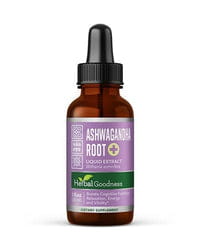
- Add 3–5 drops of Ashwagandha Root Liquid Extract - Organic - Energy & Mood to your herbal or green tea.
- Stir well and sip slowly to appreciate the concentrated herbal notes.
Choosing Your Preferred Ashwagandha Form
With so many available options, selecting your ideal way to use ashwagandha depends on taste, routine, and practicality. Here are a few key considerations:
Lifestyle and Ease of Use
- Busy schedules: Capsules or tinctures offer minimal prep and quick use.
- Culinary enthusiasts: Powders excel for creative recipes and personalized blends.
- Traditional touch: Teas capture the roots of ancient ashwagandha use and can be a comforting ritual.
- Flavor preferences: Capsules provide a neutral experience, while teas and powders express ashwagandha’s earthiness.
You might opt for capsules such as Blood Platelet Plus - 60/600mg 20X Strength Capsule - Platelet Boost if you want a seamless integration into your daily pillbox.
Storage and Shelf Life
- Powders and teas should be stored in cool, dry places, away from light.
- Tinctures last longest due to alcohol or glycerin preservation and are handy for those needing longer storage.
- Store capsules in airtight containers for extended freshness.
For fans of sprouts and botanicals, mixing complementary superfoods such as Organic Papaya Seed Powder 4oz | Gut Cleanse & Digestive Support with ashwagandha powder in recipes may enhance both convenience and nutritional diversity.
Experiment and Personalize
Exploring different preparations can help you discover new flavors and uses. Many find value in combining methods—for instance, enjoying tea in the evening for its ritual, using a morning smoothie with powder for versatility, or keeping capsules for travel. Tinctures can be especially helpful when you’re seeking portability or want to adjust daily intake with precision.
Final Thoughts on Ashwagandha Preparation
Learning about ashwagandha’s various forms ensures you get the most out of this herbal root. Each preparation carries its own sensory journey, convenience factor, and integration potential. Whether you prefer the mindful process of brewing tea, the straightforward use of capsules, or blending it into your favorite dishes, there’s a style to suit every individual’s needs. Experiment with formats, pay attention to storage, and take note of pairings and personal preferences to get the fullest experience ashwagandha can offer.
FAQs:
- What does ashwagandha taste like in different forms?
Ashwagandha tea and powder typically have an earthy and slightly bitter flavor, which can be softened with milk, honey, or spices. Tinctures have a concentrated herbal sharpness, while capsules are tasteless as they are swallowed whole.
- Can you cook with ashwagandha powder?
Yes, ashwagandha powder can be added to a variety of recipes including smoothies, baked goods, oatmeal, and even savory dishes. Flavor pairings with warming spices and natural sweeteners work especially well.
- What is the difference between ashwagandha tincture and powder?
Ashwagandha tincture is a liquid extract, often more concentrated and easy to mix into drinks, while powder is made by grinding dried root and is versatile for cooking or stirring into foods and beverages.
- How should ashwagandha tea be prepared for the best flavor?
Brew ashwagandha tea by simmering root slices or whisking the powder in hot milk or water, adding spices like cinnamon or cardamom and a touch of honey for a more pleasant and balanced profile.
- Which ashwagandha form is most convenient for travel?
Capsules and tinctures are the most portable options, requiring no mixing or brewing—just simple storage in a small bottle or container.
Author Name:
Herbal Goodness Editorial Team
Author Bio:
The Herbal Goodness Editorial Team specializes in holistic health and superfoods, blending science and nature to educate and empower our community.
References:
Introducing Graviola to Young Taste Buds: Fun, Family-Friendly Flavor Exploration
Graviola in the Classroom and at Home: Creative Activities to Teach Kids About Tropical Plants