How to Create a Radiance Herbal Tea Tasting Guests Remember

Hosting a 'Radiance' herbal tea tasting is a fresh way to gather friends, spark delightful conversation, and experience plant-based herbs that are often celebrated in beauty-focused traditions. If you’re new to hosting tea tastings, don’t worry—this guide walks you step-by-step through planning the event, preparing the teas, inviting sensory exploration, and inspiring meaningful conversation. Whether you’re curious about the flavors of radiant herbs like hibiscus, rooibos, bamboo leaf, nettle, and moringa, or interested in how sourcing and preparation add depth to your experience, this guide will help you create a memorable and beginner-friendly tasting experience.
Exploring the 'Radiance' Herbal Tea Theme
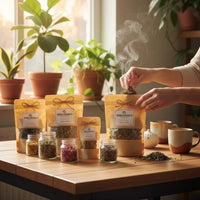
A “radiance” tea tasting centers on herbs highlighted in plant-based wellness circles for their vibrant sensory profiles and heritage. Unlike green or black tea, these caffeine-free botanicals infuse the ritual with gentle aromas, deep colors, and unique tastes, perfect for a beauty-minded gathering. By focusing on herbs like hibiscus (for its tangy flavor and crimson hue), rooibos (smooth, earthy, and caffeine-free), bamboo leaf (light and green), nettle (herbaceous), and moringa (savory and grassy), you welcome guests to sample a spectrum of sensory experiences. This framework invites mindfulness about what we sip, celebrating wellness and connection rather than simply quenching thirst.
A wonderful way to sample these botanicals is with the Organic Herbal Tea Trio – Build-Your-Own Bundle, which lets you mix and match radiance-inspired teas.
Why Focus on Radiance?
The concept of radiance is as much about mood, gratitude, and self-expression as taste. Gathering around teas linked to beauty rituals and vibrant living opens space for authentic conversation. With a thoughtfully curated herbal selection, your tasting gently steers guests toward curiosity about flavor, tradition, and mindful consumption.
Preparing for Your Herbal Tea Tasting
A smooth tea tasting starts with a bit of planning and a spirit of welcome. Here are the essentials:
Selecting the 'Radiance' Herbs
Choose 3–5 single-herb teas representing different sensory notes in the radiance category. Common choices include:
- Hibiscus: Tart, fruity, and vivid red, this flower is a tasting room favorite.
- Rooibos: Sweet, naturally caffeine-free with honeyed undertones and earthy fullness.
- Bamboo Leaf: Green, grassy, and subtly sweet, evokes fresh fields.
- Nettle: Deeply herbal and slightly mineral, offers a wild, green flavor.
- Moringa: Vegetable-forward, almost creamy, with hints of earthiness.
When possible, source premium organic herbs to support both flavor and values. Bamboo Leaf Tea 24 Bags | Nature's Silica – Collagen & Biotin Support offers a perfect example of a single-herb tea with beauty-supporting benefits.
Gathering Equipment and Materials
- 4–8 small tasting cups (tea cups, espresso cups, or even shot glasses)
- A kettle (for precision, one with temperature control)
- Tea filters, infuser baskets, or muslin bags
- Taste-neutral water (filtered or spring)
- Notecards or tasting sheets for observations
- Small plates of neutral crackers or fruit to cleanse the palate
Boost your tea event by giving guests a take-home treat, like the Organic Herbal Tea Gift Set | 24 Teabags Wellness Collection, which features a curated selection of radiant blends.
Simple Brewing Methods for Each Herb
For teas to truly shine, use gentle brewing methods that highlight each herb’s natural character:
- Water temperature: Most herbal teas do best with water just off the boil (around 200°F/93°C).
- Steep time: 5–7 minutes is an ideal starting point for these botanicals. Adjust to taste—too long may intensify bitterness for hibiscus or nettle; rooibos and bamboo leaf can tolerate longer brewing.
- Serving style: Offer both hot infusions and small iced samples if desired. A clear glass teapot or cup lets guests admire each herb’s color.
Share brewing insights and encourage everyone to experiment—products such as the Organic Hibiscus Tea 24 Bags | Heart Health & Antioxidant Wellness make it easy to appreciate vibrant herbal flavors at home.

Building a Flavorful Tea Pairing Experience
Thoughtfully pairing herbal teas creates a layered sensory adventure:
Developing a Tasting Order
Start with milder-flavored teas and work up to bolder, more intense ones. A typical order for radiance herbs might look like:
- Bamboo Leaf (light)
- Nettle (herbal)
- Moringa (vegetal)
- Rooibos (sweet, earthy)
- Hibiscus (tart, bold color)
This progression respects the palate, allowing subtle notes to shine before introducing stronger flavors.
Flavor Pairings Beyond Tea
Complementing your teas with a sampling of small bites can heighten the tasting experience. Consider offering:
- Fresh fruit (e.g., orange slices with hibiscus)
- Nuts or seeds (e.g., almonds with moringa)
- Mild cheese (pairs well with rooibos)
- Simple tea biscuits (for palate-cleansing)
Keep it simple to ensure teas remain the main attraction. If you want to offer variety, our organic herbal teas allows for custom blending and exploration of herbal flavors.

Savoring the Senses: How to Taste Mindfully
Guide guests through noticing each tea’s aroma, color, mouthfeel, and finish. Encourage:
- Inhaling deeply before sipping
- Observing the hue and clarity
- Taking small sips to notice the evolution of flavor
- Describing how the taste feels (velvety, crisp, warming, etc.)
Providing tasting notes handouts or simple scoring cards lets everyone capture personal impressions, sparking post-tasting conversation.
Ethical Sourcing: Conscious Choices for the Tasting Table
Herbal teas tell a story—not just of flavor, but of where and how they're grown. Including ethical sourcing in your tasting topic deepens connection and honors those behind the herbs.
Talking About Provenance
Ask questions such as:
- Was the herb organically grown or wildcrafted?
- Is the tea grown using regenerative or sustainable farming practices?
- Are the growers fairly compensated?
our Bulk Herbs collection let you emphasize non-GMO, ethically harvested ingredients.
Sourcing Conversation Starters
Prompt attendees with questions such as:
- How important is organic certification to you when selecting herbal teas?
- Do you notice flavor differences between mass-market teas and small-batch blends?
- How might knowing a tea’s origin add meaning to your enjoyment?
This encourages respectful discussion and broadens appreciation for mindful sourcing. For truly beauty-minded guests, radiant blends that target skin, hair, and nail wellness are worth exploring. Radiantly Good Looking - 2fl.oz - Skin & Anti-Aging stands out as an excellent post-tea self-care pick.

Conversation Prompts for a Curious Crowd
Tea tastings aren’t just about flavor—they invite moments of discovery and personal sharing. Thoughtful prompts turn your tasting into a lively, beauty-inspired gathering.
Invite conversations on beauty routines and daily glow with natural support from the Radiance Boost 15X Liquid Extract | Skin Beauty & Glow Support.
Sample Prompts
- Which sensory note in today’s herbs feels most “radiant” to you, and why?
- Have you ever enjoyed herbal tea as part of a personal ritual or self-care practice?
- What preparation methods or pairings were most surprising today?
- If you could design your own radiance blend, what herbs or flavors would you include?
- Do you have a memorable story about a plant, herb, or tea from your past?
Encourage guests to jot their radiant blend ideas on provided cards—products like the Bamboo Leaf 15X Liquid Extract – Silica, Collagen & Biotin can inspire new approaches to beauty from within.
Encouraging Participation
Let guests respond as they wish—there are no wrong answers. These prompts nurture an inclusive mood and often spark laughter, memory-sharing, and newfound appreciation for herbal traditions.
Wrapping Up Your Radiance Tea Tasting
End your gathering with gratitude and space for reflection. You might invite everyone to share their favorite tea of the day or write down a note about one thing they learned. Gift guests a small sample sachet of their most-loved tea, or simply invite them to linger and continue their conversations in a relaxed, radiant atmosphere.
A successful herbal tea tasting blends curiosity with connection. Through conscious selection, mindful sipping, and intentional conversation, you create a welcoming space to celebrate beauty—inside and out—with every pour.
FAQs:
- What herbs are best for a 'Radiance' tea tasting?
Popular choices for a ‘Radiance’ herbal tea tasting include hibiscus, rooibos, bamboo leaf, nettle, and moringa. These herbs are often highlighted in beauty-focused wellness traditions and offer a spectrum of vibrant flavors and colors.
- How do I brew herbal teas for a tasting event?
Use water just off the boil (around 200°F), steep each herb for 5–7 minutes, and taste them in small cups. Adjust the brewing time for each herb to highlight its best flavor profile.
- What food pairs well with radiance herbal teas?
Simple foods like fresh fruit, mild cheese, nuts, and neutral tea biscuits are ideal. These pairings complement herbal teas and allow their flavors to shine without overpowering them.
- How can I discuss ethical sourcing at my tea tasting?
Ask guests questions about organic and fair-trade practices, highlight brands that support ethical sourcing, and encourage conversation about why sourcing and provenance matter in choosing tea.
- What conversation prompts can make a tea tasting engaging?
Invite guests to share their favorite flavors, discuss personal tea rituals, or imagine their own 'radiance' blend. Open-ended prompts foster curiosity, learning, and mutual discovery.
- How do I structure the tea tasting for beginner guests?
Start with lighter teas and progress to bolder flavors, offer tasting notes cards, and walk guests through mindful sipping, aroma, and color observations. Keep the process relaxed and approachable.
Author Name:
Herbal Goodness Editorial Team
Author Bio:
The Herbal Goodness Editorial Team specializes in holistic health and superfoods, blending science and nature to educate and empower our community.
References:
Introducing Graviola to Young Taste Buds: Fun, Family-Friendly Flavor Exploration
Graviola in the Classroom and at Home: Creative Activities to Teach Kids About Tropical Plants
Why Social Impact Matters in Plant-Based Wellness