Exploring Herbal Supplement Uses Across Cultures: From Ancient Rituals to Modern Practices

Across continents and centuries, communities have turned to herbs in their daily lives, ceremonial gatherings, and culinary adventures. The global journey of herbal supplement uses reveals a tapestry woven from tradition, ritual, and remarkable adaptability. Today, many age-old practices are being rediscovered and reinterpreted through modern urban wellness movements and contemporary gastronomy, uniting people in a shared appreciation for nature’s bounty. The following exploration is a tribute to how herbs have shaped—and continue to shape—cultural experiences and lifestyles worldwide.
Ancient Roots: Herbs as Cultural Pillars
Origins of Herbal Knowledge
Herbal wisdom often traces back to oral traditions, where families, elders, and healers shared botanical insights across generations. Each community developed its own practices for preparing, storing, and consuming plants from the surrounding landscape. Shared stories and seasonal observances played a key role in preserving these lessons, ensuring their continuity.
Rituals and Ceremonies
Many cultures have incorporated herbs into pivotal ceremonies. For example:
- East Asia: Incense from aromatic herbs is central in spiritual and meditative gatherings.
- Africa: Specific leaves and roots are woven into rites of passage and harvest festivals.
- Europe: Bundled herbs hang in kitchens and homes as symbolic tokens, often associated with prosperity or welcome.
Through such rituals, herbs transcended their nutritional value and were woven into the heart of cultural identity.
Everyday Practices and Kitchens
In everyday kitchens around the world, herbs have long been relied upon for their taste, aroma, and sensory qualities. Families would harvest wild greens, blend unique spice mixes, and pass down secret recipes. Over time, these culinary customs became a defining part of regional cuisines, infusing daily meals with memory and meaning.
Herbal Traditions Through The Ages
Africa: A Tapestry of Plant Wisdom
Across the African continent, the use of native botanicals is both practical and symbolic. For instance:
- North Africa: Mint is often used in tea, an enduring symbol of hospitality and community.
- West Africa: Sorrel and hibiscus flowers are steeped for flavor-packed drinks served at gatherings. West African cultures, in particular, have celebrated the vibrancy of hibiscus, which is also known for its potential wellness benefits. Hibiscus Tea - Organic 24/2g Tea bags - Heart Health captures the spirit of these traditional beverages, blending history and health into every cup.
- Southern Africa: Rooibos has a history entwined with storytelling and relaxing communal evenings.
South America: Amazonian Heritage
The lush biodiversity of South America has given rise to vibrant herbal traditions.
- Amazon Basin: Indigenous groups utilize leaves, seeds, and barks as part of community events and in shared meals, similar to modern nutritional blends like Soursop Leaf Graviola Extract - - Organic 15X Liquid Extract - Cell Renew & Immunity which honor the Amazon’s legacy in a contemporary format.
- Andean Regions: Herbs such as maca have been blended into warm drinks on cold nights, fostering connection and warmth.
India: Spices and Spirituality
India’s centuries-old herbal practices reflect deep philosophical roots and a reverence for balance and harmony.
- Seasonal Festivals: Ingredients like turmeric and tulsi are prominent during religious celebrations.
- Family Meals: Each kitchen blends its unique spice mix, revealing intergenerational wisdom that continues to enrich daily recipes. The principles of mindful tradition are echoed today in herbal infusions designed for well-being, such as Ashwagandha Root Liquid Extract - Organic - Energy & Mood, connecting ancient memory to modern wellness.
East Asia: Balancing Flavor and Wellness
East Asian customs elevate herbs to both culinary and symbolic heights.
- Chinese Traditions: Ginger and cinnamon are prized in teas and broths, reinforcing seasonal rhythms.
- Japanese Festivals: Matcha ceremonies celebrate connection, mindfulness, and heritage.
Europe: From Countryside to Culinary Capital
European herbal traditions stem from both practicality and symbolism.
- Mediterranean Basin: Oregano and basil brighten dishes and feature prominently in garden traditions.
- Central Europe: Lavender and chamomile are woven into both drinks and decorative crafts, particularly during communal festivals. Herbal teas, represented in products like Wellness Tea Blends - Organic 4oz - Premium Herbal Infusion, bring European traditions into present-day rituals of comfort and hospitality.
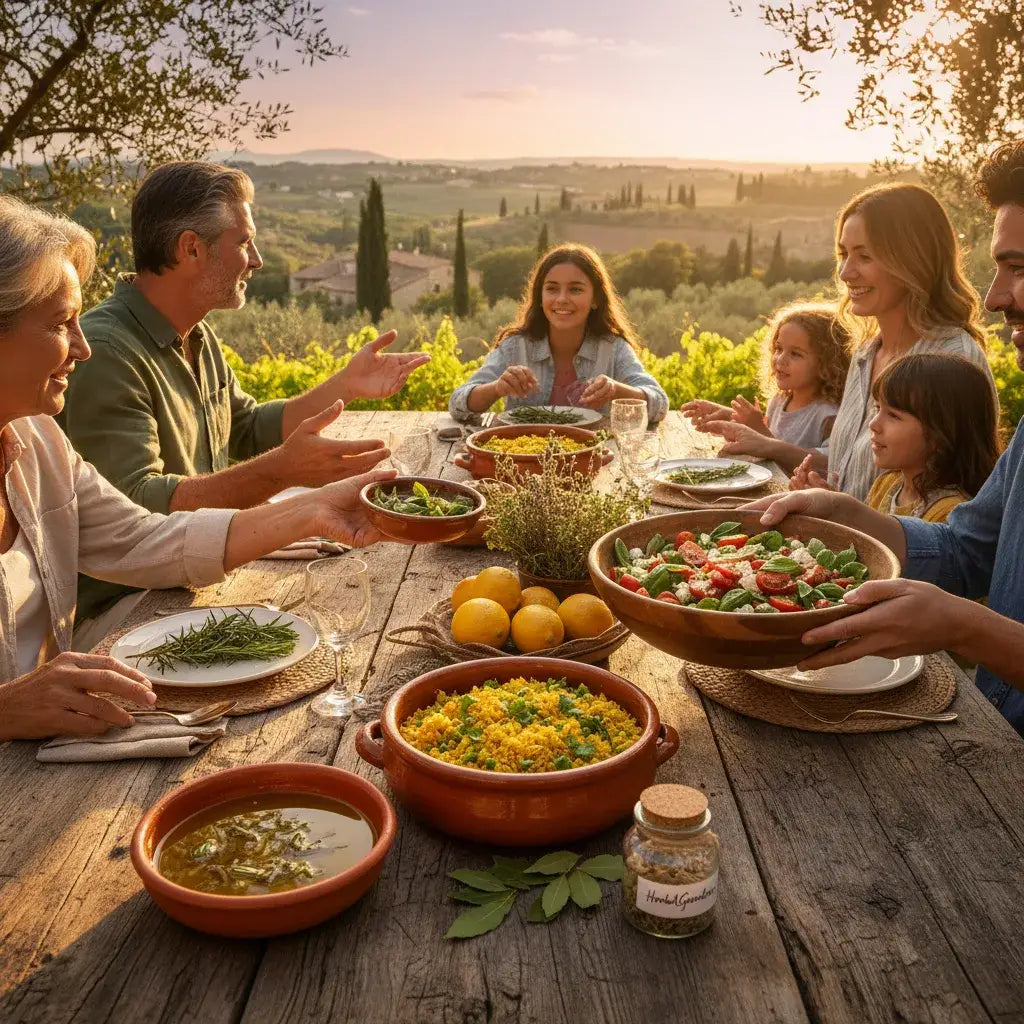
Contemporary Urban Wellness: Adaptation and Innovation
Reimagining Old Practices
Herbal supplements have found a renewed presence in urban environments, where tradition meets innovation. Modern brands often draw on ancestral wisdom, marketing herbal infusions and blends as part of contemporary lifestyles. These products are embraced by wellness communities looking to reconnect with nature while living in fast-paced cities. Blends such as Papaya Leaf Extract - - Organic 16oz 15X Liquid Extract offer those seeking both tradition and modernity a direct link to the plant wisdom of the past.
Urban Rituals and Mindfulness
People incorporate herbal teas, tinctures, and plant-based culinary elements into morning and evening rituals, integrating gentle moments of mindfulness into hectic days. Blends featuring ashwagandha, matcha, or moringa are celebrated for their place in rituals that foster calm and gratitude. For those who aim to infuse their busy lives with these wholesome practices, Moringa Leaf Extract - Organic 1oz 15X Liquid Extract - Immunity & Wellbeing stands out as a versatile companion to daily herbal routines.
Culinary Creativity and Fusion
Modern chefs take inspiration from historical kitchens, merging global herbal traditions with today’s culinary innovations. Urban restaurants and cafes showcase herb-infused dishes, transforming time-honored ingredients like lemongrass, sage, and dandelion into gourmet experiences that nod to their cultural origins. At home, enthusiasts experiment with wellness teas—Papaya Leaf Tea - Organic 24/2g Tea Bags makes it easy to enjoy a timeless blend that supports both flavor and wellness.

Sourcing and Sustainability
A new generation of consumers seeks out sustainably sourced herbal blends, looking to respect both biodiversity and traditional knowledge. Labels highlight origins, harvesting methods, and community partnerships, creating a deeper bond between consumers and the source of their herbal traditions. Bulk products, such as our Bulk Herbs collection, provide a way to support sustainability while recreating meaningful traditions at home.
Celebrating Global Connectivity Through Herbs
Festivals and Cultural Exchange
Global festivals feature herbal traditions as a way to honor heritage and foster cross-cultural exchange. Events focused on food, wellness, and art bring together people from diverse backgrounds, allowing them to share their unique stories and experiences.
Digital Communities and Learning
The internet has become a powerful tool for sharing herbal wisdom. Online courses, forums, and recipe exchanges allow enthusiasts to learn about plant uses around the world, fostering a spirit of curiosity and cross-cultural appreciation. Social media influencers document herbal rituals, bringing centuries-old techniques into the digital age and inspiring new audiences to explore herbs in their own lives.
Preserving Tradition While Embracing Change
Passing Down Knowledge
Families and communities continue to pass down their herbal traditions, adapting old practices to new contexts without losing their essence. Workshops, storytelling events, and intergenerational cooking sessions keep knowledge alive and vibrant.
Innovating for a Modern Audience
Modern product development balances respect for tradition with an openness to innovation. Herbal blends, teas, and culinary creations may integrate ingredients from different continents, showcasing how adaptable and resourceful these customs remain. This evolution ensures that herbal wisdom remains relevant, accessible, and valued by future generations.

The Enduring Appeal of Herbal Supplements
Herbal supplement uses, shaped by history and the spirit of adaptation, demonstrate humanity’s enduring affinity for the natural world. Each tradition, ritual, and recipe underscores the potential of plants to enrich daily life. By honoring this legacy, we participate in a story that bridges continents, generations, and evolving lifestyles, keeping nature’s wisdom at the heart of the modern experience.
FAQs:
- How have herbal supplements been used in traditional cultural ceremonies?
Herbs have played prominent roles in traditional ceremonies worldwide. In many cultures, they are valued for their sensory qualities and symbolism. For instance, herbs may be burned as incense, brewed into communal beverages, or incorporated in decorative bundles to mark celebrations, transitions, and seasonal changes.
- Which herbs are commonly featured in global culinary traditions?
Commonly featured herbs in global culinary traditions include basil and oregano from the Mediterranean, mint in North African and Middle Eastern tea, ginger and cinnamon in East Asian broths, and hibiscus and sorrel in West African beverages. Each offers a unique flavor profile and cultural significance in regional dishes.
- What is the significance of ritual herbal uses in modern urban wellness?
Modern urban wellness often reimagines traditional herbal rituals, using them as a foundation for mindful practices. Herbal teas, infusions, and culinary projects inspired by ancestral wisdom create opportunities for relaxation and intentional living within fast-paced city environments.
- How are chefs using traditional herbs in contemporary culinary scenes?
Chefs infuse traditional herbs into modern recipes, creating innovative dishes that reference heritage while appealing to contemporary tastes. Herb-infused oils, teas, and seasonings draw inspiration from ancestral practices and showcase the adaptability of these ingredients in haute cuisine.
- Why is sustainable sourcing important in the modern use of herbal supplements?
Sustainable sourcing helps ensure that herbal resources are respected and available for future generations. Ethical harvesting and transparency in sourcing support biodiversity, empower local communities, and honor the cultural traditions associated with herbal preparation and usage.
Author Name:
Herbal Goodness Editorial Team
Author Bio:
The Herbal Goodness Editorial Team specializes in holistic health and superfoods, blending science and nature to educate and empower our community.
References:
Introducing Graviola to Young Taste Buds: Fun, Family-Friendly Flavor Exploration
Graviola in the Classroom and at Home: Creative Activities to Teach Kids About Tropical Plants