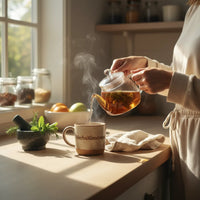
Kitchen Herbs vs. Packaged Herbal Supplements: A Beginner’s Guide to Everyday Plant Power

If you’ve glanced in your spice rack or walked down the supplement aisle, you’ve likely wondered: Are those fragrant kitchen herbs in my pantry basically the same as the herbal supplements sold in bottles? With more people interested in plant-powered living, the path to using herbs can feel surprisingly complex. Whether you’re sprinkling fresh basil onto pasta or eyeing a capsule labeled “oregano extract,” each form of herb offers unique ways to explore botanical traditions every day. Understanding the practical differences between kitchen herbs and packaged herbal supplements helps beginners confidently choose what’s right for their routines, flavor goals, or culinary adventures.
Everyday Kitchen Herbs: Simple Ingredients with Vibrant Character
What Defines a Culinary Herb?
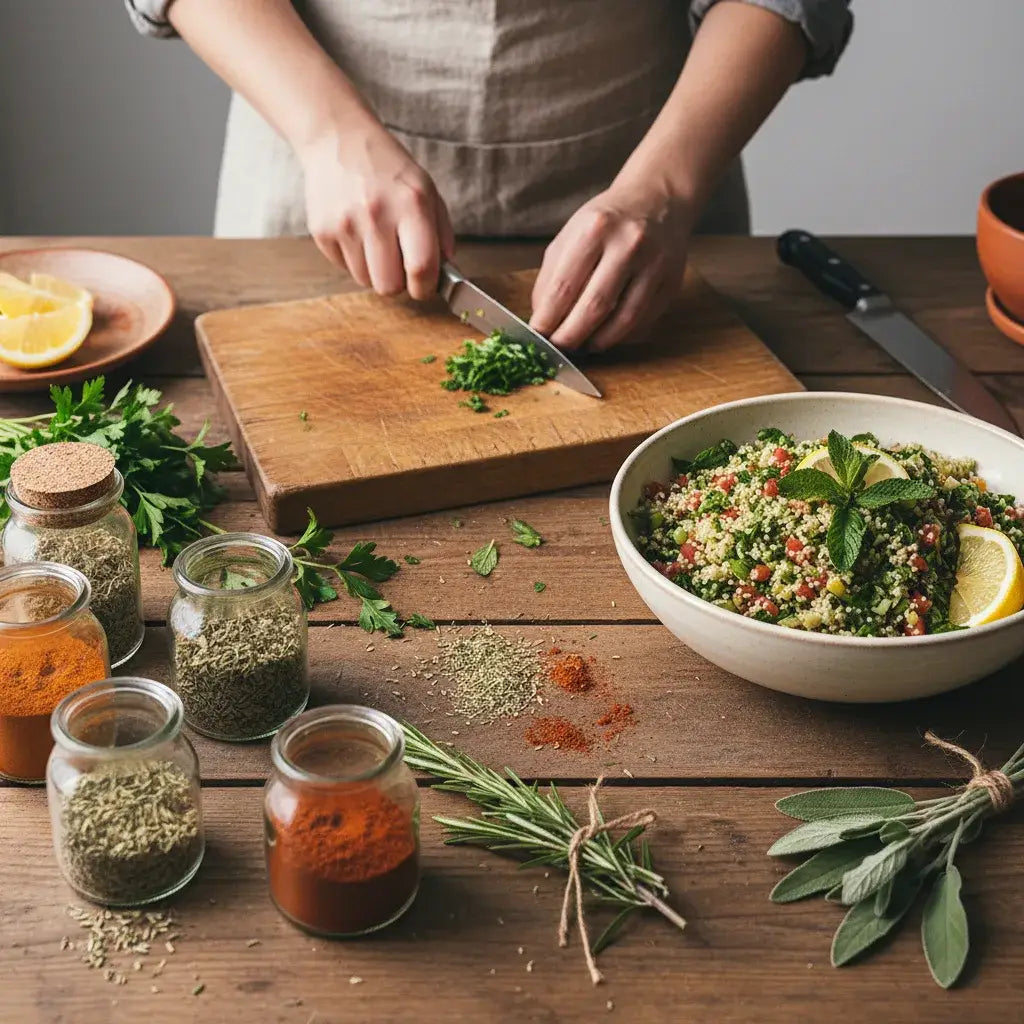
Culinary herbs are the fresh or dried leafy parts of certain plants most often used to season foods. Classic examples like rosemary, basil, oregano, thyme, and cilantro add brightness, aroma, and layers of flavor to dishes. Their primary appeal lies in their taste and versatility—herbs can be tossed into salads, infused into oils, or thrown into sauces with creativity and ease.
Typical Forms Found in Kitchens
- Fresh leaves: Bright, soft, and aromatic—think of vibrant basil or flat-leaf parsley.
- Dried flakes or powders: Often sold in jars, these are more concentrated in flavor but lower in moisture compared to their fresh counterparts.
Culinary herbs are typically used in small amounts, measured in teaspoons, pinches, or sprigs, depending on the preferred flavor intensity of a dish.
Flavor First: The Sensory Experience
Unlike many products in the supplement aisle, culinary herbs are chosen for their fresh aroma, taste, and ability to transform everyday recipes. For example:
- Rosemary provides piney notes in roasted vegetables.
- Basil adds sweet brightness to tomato-based sauces.
- Oregano lends earthiness to pizza and Mediterranean fare.
By using kitchen herbs, even beginners can personalize meals, discover new tastes, and experiment with global cuisines right at home.
Easy Ways to Incorporate More Herbs
- Sprinkle chopped fresh herbs on finished dishes.
- Add dried herbs to soups, stews, or marinades early in cooking.
- Infuse olive oil with a few sprigs of rosemary or thyme.
- Blend parsley, cilantro, and chives into homemade dressings.
Adjustments are easy: taste as you go, start small, and build confidence with each meal.
Packaged Herbal Supplements: Convenience with Concentrated Plant Parts
What Are Herbal Supplements?
Packaged herbal supplements are products made from plant-derived ingredients manufactured in forms such as capsules, tablets, powders, or tinctures. Unlike kitchen herbs, supplements often contain more concentrated extracts or standardized portions of plant materials—sometimes including roots, seeds, or bark instead of just leaves.

Common Forms in the Supplement Aisle
- Capsules or tablets: Standardized servings of dried or concentrated herbal powder.
- Liquid extracts and tinctures: Alcohol- or glycerin-based herbal extracts for direct consumption or adding to liquids.
- Powders: Ground herb or extract for mixing into drinks or food.
Supplements are usually labeled with suggested serving sizes and are intended to be consumed in measured, consistent amounts. Unlike culinary herbs, they do not contribute flavor to food but are designed for convenience and standardization.
Preparation and Use: Simplicity Over Sensory
Most herbal supplements are designed to be taken quickly and easily, often with water or juice. Their use requires little culinary know-how, making them suitable for those who prefer predictable routines or need travel-friendly options.
However, supplements generally lack the vibrant flavors of culinary herbs and are not used directly in cooking.
Comparing Kitchen Herbs and Herbal Supplements
Differences in Form and Preparation
| Factor | Kitchen Herbs | Herbal Supplements | |------------------------|------------------------|----------------------------| | Plant Parts Used | Leaves (mostly) | Leaves, roots, seeds, bark | | Preparation | Chopped, infused, cooked | Encapsulated, extracted, powdered | | Flavor | Integral to experience | Neutral/absent | | Typical Use | Cooking, garnishing | Swallowed, mixed in drinks | | Serving Style | Sprigs, teaspoons, handfuls | Capsules, drops, scoops |
Why Choose Kitchen Herbs?
- Flavor and aroma: Culinary herbs make meals memorable and can inspire exploration in the kitchen.
- Flexibility: Easy to adjust amounts and combinations according to taste and cuisine.
- Gentle introduction: Ideal for beginners and families new to botanical ingredients.
When to Opt for Herbal Supplements?
- Consistency: Supplements offer measured amounts and are easier to track for daily routines.
- Convenience: No chopping, measuring, or prep is required—suitable for travel or busy mornings.
- Less flavor impact: Perfect for those who prefer not to alter the taste of foods or beverages.
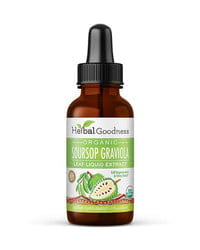
If convenience and quick routines are important, Soursop Leaf Graviola Extract - - Organic 15X Liquid Extract - Cell Renew & Immunity provides a liquid format that effortlessly fits into any supplement routine.
Gentle Ways to Add Herbs to Your Daily Routine
Creative Culinary Ideas
- Make herb-infused water: Float mint or basil in your water pitcher for a refreshing twist.
- Blend into smoothies: Add fresh parsley or cilantro for color and subtle flavor.
- Homemade herbal teas: Steep fresh herbs like thyme or chamomile for a soothing beverage. For a convenient option, try Soursop Leaf Tea Graviola Leaves - Organic 24/2g Tea Bags - Immunity & Cell Renew.
- Herb butters: Mix chopped chives or dill into butter for spreading on bread or melting over vegetables.
Beginner Tips for Herb Exploration
- Start with familiar favorites used in cuisines you enjoy.
- Use small amounts—herbs can have strong flavors and aromas.
- Grow a windowsill pot of basil or mint for easy access to fresh leaves.
- Explore recipes that highlight a single herb to appreciate its unique taste.
If experimenting with capsules or blends is preferred, Graviola Soursop Leaf Extract – 10X 60/600mg Capsules - Cell Renew & Immunity brings simplicity to boosting your plant-based intake.
Factors to Consider When Deciding Between Kitchen Herbs and Supplements
Goals and Preferences
- Are you looking for a flavorful, hands-on kitchen experience?
- Would you rather have a quick, consistent way to enjoy botanical ingredients?
- Are you adding herbs to family meals, or looking for single-serving convenience?
Practical Considerations
- Storage: Fresh herbs require refrigeration and have a shorter shelf life, while dried versions last longer.
- Preparation Time: Kitchen herbs involve some chopping or measuring; supplements are typically ready to use. Those seeking high convenience may appreciate easy-to-measure options such as Papaya Leaf Extract - - Organic 16oz 15X Liquid Extract.
- Culinary Impact: Herbs transform the taste of dishes; supplements leave flavors unchanged.
Making an Informed Choice
Understanding how culinary herbs and packaged herbal supplements differ opens up new possibilities in daily routines. For many beginners, experimenting with everyday kitchen herbs brings discovery, adaptability, and delicious flavors to the table—while herbal supplements provide convenience and standardized portions for flexible lifestyles.
The best choice may be a blend of both: cultivating creativity with fresh basil and rosemary in your kitchen, while also keeping a favorite herbal blend in supplement form for days when time is limited. Whichever approach you choose, appreciating the distinct roles of culinary herbs and supplements lays the groundwork for enjoyable, plant-powered living.
FAQs:
- What is the main difference between kitchen herbs and herbal supplements?
Kitchen herbs are fresh or dried leaves used in cooking for flavor and aroma, while herbal supplements contain concentrated plant extracts in forms like capsules or powders for easy, measured intake.
- Can I get the same flavors from supplements as I do from culinary herbs?
No, herbal supplements are designed for neutral taste and standard serving size, while culinary herbs are used for their distinctive flavors in food and drinks.
- Are fresh herbs better than dried herbs for daily use?
Fresh herbs offer vibrant flavor and aroma, but dried herbs provide convenience and longer shelf life, making both popular for various recipes and routines.
- When might someone choose herbal supplements over kitchen herbs?
Herbal supplements appeal to those seeking standardized amounts, portability, and minimal impact on food flavors, especially with limited time for meal preparation.
- How can beginners start using more kitchen herbs in their meals?
Start by adding chopped fresh herbs to salads or finished dishes, infusing oil, or experimenting with herbal teas for simple, flavorful experiences.
- Do supplements use the same parts of the plant as culinary herbs?
Herbal supplements can use a wider variety of plant parts—including roots and bark—whereas culinary herbs mainly use leafy sections for flavor.
Author Name:
Herbal Goodness Editorial Team
Author Bio:
The Herbal Goodness Editorial Team specializes in holistic health and superfoods, blending science and nature to educate and empower our community.
References:
Introducing Graviola to Young Taste Buds: Fun, Family-Friendly Flavor Exploration
Graviola in the Classroom and at Home: Creative Activities to Teach Kids About Tropical Plants