Creative Ways to Use Olive Leaves and Prunings for Sustainable Garden Practices

Olive trees, with their timeless appeal and hardy nature, often require regular pruning to maintain their health and shape. While the shiny green leaves and slender branches may seem like garden waste, they are actually a valuable resource for any eco-conscious gardener. Instead of discarding olive leaf trimmings, you can harness their potential to create a more productive, sustainable outdoor space. This guide delves into the best ways to repurpose olive leaf prunings, from boosting your compost pile to innovative mulching techniques and harmonious garden integration.
Transforming Olive Leaf Trimmings into Garden Gold
Olive leaf prunings accumulate quickly during seasonal maintenance, so finding practical uses maximizes both garden beauty and resourcefulness. Their resilient nature and nutrient content can be put to work in several impactful ways.
Composting Olive Leaves: Building a Healthier Pile
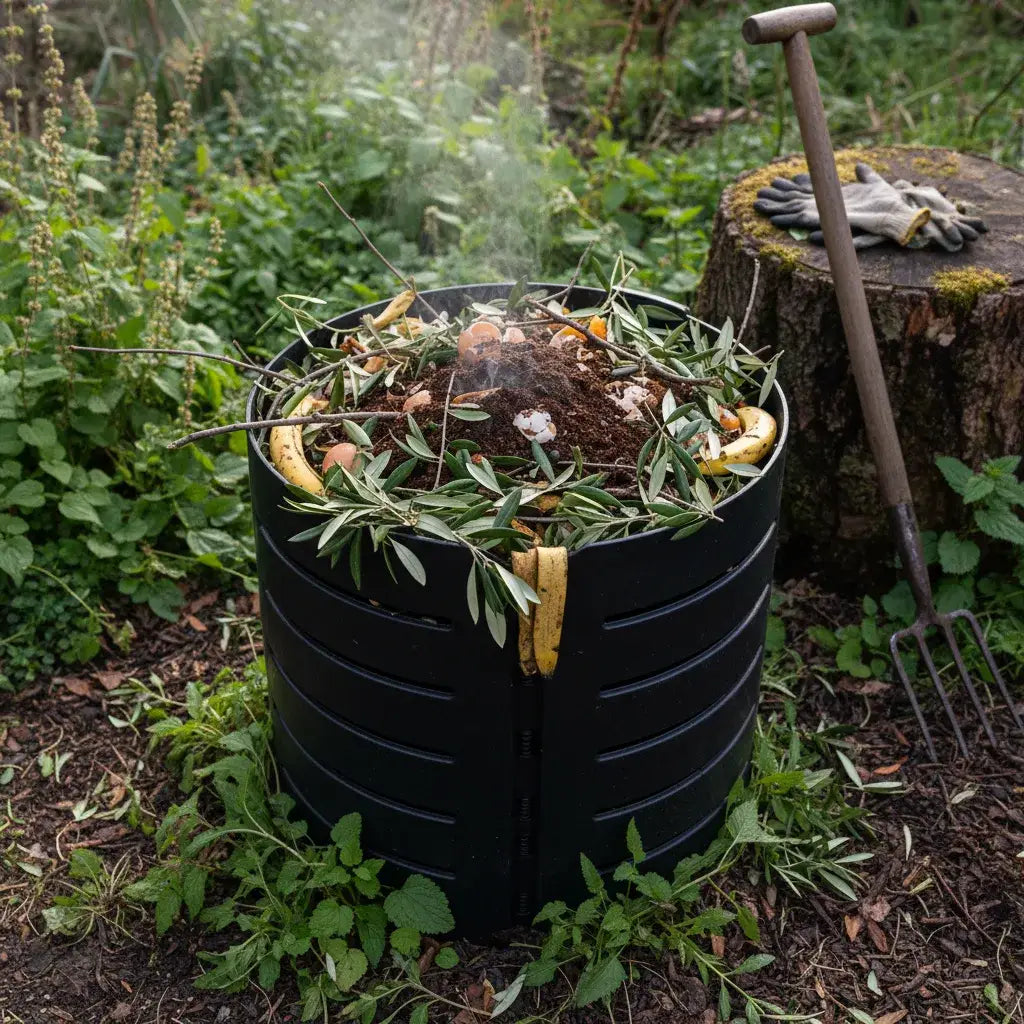
Composting is a time-honored approach to returning organic matter to the soil, creating a rich material cherished in every garden. Olive leaves contribute unique qualities:
Balanced Composition
- Olive leaves are carbon-rich, fitting well in the 'brown' category of compost materials. Balancing these with 'green' materials (like vegetable scraps or mowed grass) ensures a healthy decomposition process.
- Shredding the leaves into smaller pieces can help them break down more quickly and distribute more evenly throughout the compost. If you want an extra boost of beneficial nutrients, integrating Papaya Leaf Extract - Organic 1oz 15X Liquid - Blood Platelet to your compost tea can support soil vitality.
Slow Breakdown for Lasting Benefits
- Olive leaves have a waxy coating, which means they decompose more slowly than many other leafy trimmings. This can be an advantage, supplying a slow-release source of organic material and supporting long-term soil structure.
- Tip: Alternately layer olive leaves with moist, nitrogen-rich greens and turn the pile periodically for best results. Many gardeners also experiment with incorporating other botanicals, such as soursop leaves, found in Soursop Graviola Leaf (Whole Leaves) - Organic - 300 + Leaves - Immune & Wellness Support, as complementary compost enhancers.
Mulching with Olive Leaves: Conservation and Aesthetic Appeal
Mulching serves many purposes in the garden, from maintaining moisture to moderating soil temperature. Olive leaves are an underutilized but effective mulching material:
Mulch Application Techniques
- Spread lightly: A thin layer—about 2 to 3 inches—over soil around ornamental plants, shrubs, or perennial beds.
- Consider mixing with other organic materials such as wood chips or grass clippings for improved performance and visual diversity. For an extra green touch, adding Bamboo Leaf Tea – 24/1.5g Tea Bags - Nature's Collagen & Biotin mulch can enhance soil health and add texture.
Advantages of Olive Leaf Mulch
- Moisture retention: Mulching helps keep the soil from drying out, reducing the need for frequent watering.
- Soil protection: Olive leaves shield delicate soil from compaction and surface erosion caused by wind or rain.
Companion Planting: Using Olive Leaves to Support Other Garden Residents
Companion planting focuses on creating mutually beneficial plant relationships. Integrating olive leaf trimmings into your companion planting strategy yields subtle but noticeable rewards:
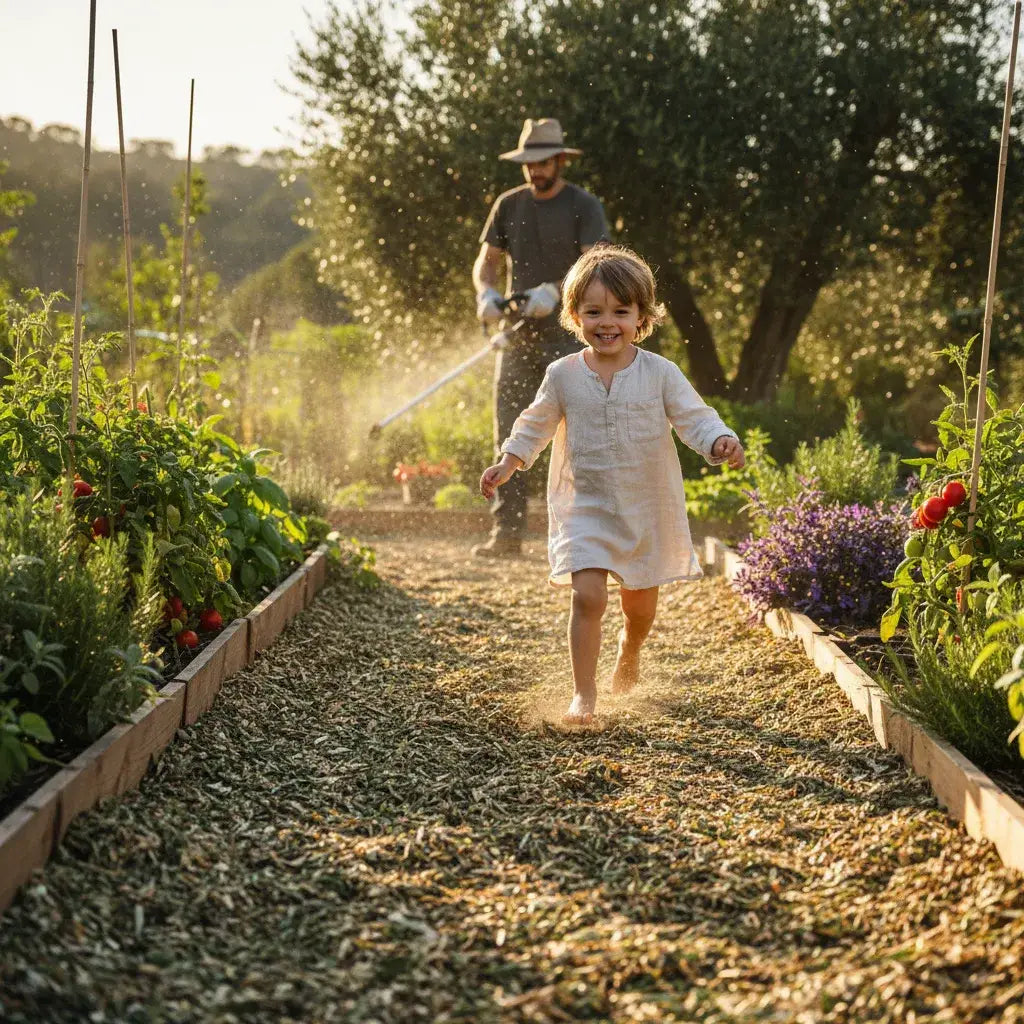
Pathway Ground Cover
- Olive leaves make an excellent natural ground cover along garden paths, helping to suppress unwanted growth and provide a tidy appearance.
- This approach can be particularly handy in Mediterranean-style gardens or sensory spaces that celebrate natural textures and scents. When considering alternative natural solutions for garden beds, Olive Leaf - Organic 1oz 15X Liquid Extract - Immunity & Performance can be explored for its plant-supporting benefits.
Supporting Beneficial Insects
- The loose structure of olive leaves can encourage habitat for beneficial insects—predators and pollinators alike—contributing to a vibrant, balanced garden ecosystem.
Sustainable Disposal and Resourcefulness
Properly utilizing all components of tree maintenance aligns with principles of ecological gardening. Instead of sending olive leaves to landfill or green waste bins, recycling them within your own landscape minimizes outside input and closes the nutrient loop.
Creating Wildlife Shelters
- Piles of olive leaves in the corners of your garden can offer temporary shelter for hedgehogs, lizards, and other small wildlife.
- Position these piles in quiet, shady spots, replacing them seasonally as the material breaks down. Building on this sustainable practice, you can supplement habitats with dried botanicals from our Bulk Herbs collection to add structural variety.
Natural Weed Suppression Around Trees
- Spread olive leaves around mature tree bases to discourage unwanted growth, reducing the work needed for future upkeep. Gardeners keen on maximizing weed-smothering efficacy have paired olive leaves with bamboo and papaya leaf materials, like those in Papaya Leaf Extract 10X - 600mg Capsule - Platelet & Digestive Aid, to broaden soil benefits.
Simple Garden Crafts and Decorative Ideas
For the creative gardener, olive leaves offer opportunities beyond traditional gardening uses:
Pathway Accents
- Lay lines of olive twig bundles to define garden beds or create rustic pathway borders. Dried leaf bundles from Soursop Leaf Tea Graviola Leaves - Organic 24/2g Tea Bags - Immunity & Cell Renew can serve a dual purpose of bringing color and subtle fragrance as border accents.
Handmade Mulch Rings
- Create small mulch 'rings' around the base of young saplings. These rings prevent grass and other growth from encroaching too closely, giving new trees a tidy buffer zone.
Tips for Safe and Effective Use of Olive Leaf Prunings
Correct handling ensures that olive leaf trimmings work harmoniously with your garden systems:
Proper Drying and Storage
- If not using immediately, allow olive leaves to air-dry in a sheltered, well-ventilated area. This reduces the risk of clumping and allows for more uniform spreading later.
- For gardeners looking to preserve botanical materials for off-season use, small batches stored alongside Bamboo Leaf - Organic 1oz 15X Liquid Extract - Nature's Collagen & Biotin retain freshness for longer.
Mindful Application
- Avoid over-piling leaves in any one spot—excessive layers may compact, limiting airflow to the soil beneath.
- Always monitor the response of your soil and plants, adjusting the amount of olive material as needed through the seasons. Enhance observation by keeping a garden log, and consider noting how Olive Leaf - Organic 1oz 15X Liquid Extract - Immunity & Performance impacts your edible and ornamental beds.
Integrating Olive Leaves in Edible Gardens
While olive leaf trimmings are best known for their ornamental uses, many gardeners wonder about their role in vegetable patches and herb gardens:
Use as Pathway Material Between Vegetable Rows
- Lay olive leaves to create dry, non-muddy walkways between raised beds. This keeps shoes clean and helps define pathways in productive spaces. Adding our organic herbal teas leaf fragments increases aromatic interest along walking paths.
Perimeter Mulch in Pollinator Borders
- Scatter olive leaf mulch around the edge of pollinator-friendly beds to discourage weed growth and conserve moisture for flowering plants. Blending in finely shredded soursop or papaya leaves from Papaya Leaf Extract Blood Support - 10X 60/450mg Capsules - Blood Platelet offers added garden variety and function.

Eco-Conscious Garden Practice: The Bigger Picture
Utilizing olive leaf prunings supports the philosophy of making every garden task count towards sustainability. Instead of purchasing external mulching products or bagged compost, adopting a circular approach with homegrown resources benefits the environment and your wallet alike.
Key considerations for ongoing success:
- Monitor how olive leaf layers integrate with local climate and soil conditions
- Adjust application thickness in response to rainfall, plant health, and visible soil structure changes
- Celebrate the subtle improvement in garden appearance and resource stewardship
By making olive leaves a regular part of your gardening toolkit, you cultivate a thriving outdoor space that honors natural cycles and reduces unnecessary waste. With just a few adjustments, every olive tree maintenance session can become an opportunity for garden enrichment and creative expression.
FAQs:
- Can olive leaves be composted at home?
Yes, olive leaves make a valuable carbon-rich addition to home compost piles. For best results, shred them into smaller pieces and balance with green, moisture-rich materials. Periodically turning the pile speeds decomposition.
- How thick should an olive leaf mulch layer be?
Apply olive leaf mulch in a thin layer, about 2 to 3 inches thick. This helps conserve moisture and protect soil without causing compaction or limiting airflow.
- Are olive leaves safe for use around all types of plants?
Olive leaves are suitable for most ornamental and perennial planting areas. When using in edible beds, use as pathway material or peripheral mulch rather than in direct contact with seedlings.
- Do olive leaves break down quickly in the garden?
Olive leaves have a waxy texture, causing them to decompose more slowly than softer foliage. Shredding the leaves and combining them with nitrogen-rich materials encourages a more efficient breakdown.
- What are other creative ways to use olive leaf prunings?
Beyond compost and mulch, olive leaf trimmings can mark pathways, craft decorative garden borders, or serve as seasonal shelters for beneficial insects and wildlife.
Author Name:
Herbal Goodness Editorial Team
Author Bio:
The Herbal Goodness Editorial Team specializes in holistic health and superfoods, blending science and nature to educate and empower our community.
References:
Introducing Graviola to Young Taste Buds: Fun, Family-Friendly Flavor Exploration
Graviola in the Classroom and at Home: Creative Activities to Teach Kids About Tropical Plants