Choosing Mullein Tea: Flavor Pairings, Brew Ratios & Buying Tips

Mullein tea, with its earthy-smooth profile and gentle aroma, has long been appreciated for ritual sipping across seasons. Blending mullein with carefully chosen companion herbs can unlock a spectrum of delicate flavors and harmonizing aromas, transforming this classic herbal brew into something uniquely yours. If you’re curious about how to blend or select mullein tea for the ultimate seasonal experience, this flavor-first guide is for you. Below, we walk through the most complementary pairing herbs, the basics of blending ratios, a simple tasting test, and essential tips for buying high-quality, loose or preblended mullein tea—without medical or hype-driven claims.
Why Pair Mullein Tea with Other Herbs?
Mullein (Verbascum thapsus) on its own offers a mild herbal flavor, slightly sweet with notes reminiscent of gentle hay and honeyed grass. While some appreciate its simplicity, many new and seasoned herbal tea drinkers find that pairing mullein with select herbs can deepen complexity, round out mouthfeel, and soften or brighten the cup for everyday enjoyment. Where mullein is soothing yet understated, strategic blending can illuminate subtle flavors and transform your mug into a sensory adventure.
Common reasons for blending mullein tea with companion herbs include:
- Enhancing Flavor and Complexity: Add brightness, mintiness, spice, or sweetness
- Improving Mouthfeel: Companion herbs may add silkiness, lightness, or a cooling sensation
- Layering Aroma: Uplift the bouquet with citrus, floral, or spice undertones
- Seasonal Adaptation: Shift the character of your cup to match the weather or time of year
Blending is as much art as science: there are no rigid rules, only trusted pairings and a world of possibility.
Companion Herbs That Flavorfully Pair with Mullein Tea
When thinking about which herbs best complement mullein, consider both flavor and mouthfeel. Here are the top flavor-forward pairing herbs for seasonal sipping:
Marshmallow Root
Long prized for its naturally smooth, slightly sweet character and creamy mouthfeel, marshmallow root melds seamlessly with mullein. When brewed together, the result is a gentle, comforting cup ideal for cool evenings or whenever you crave something soothing yet understated.
- Best For: Extra-smooth, neutral blends; comfort sippers
- Flavor Note: Sweet, mellow, mildly earthy
Licorice Root
For an added touch of natural sweetness and a subtle, lingering aftertaste, licorice root remains a classic pairing. Licorice gives mullein blends body and a lightly syrupy texture—wonderful as a gentle, sweet finish.
- Best For: Sweet blends, balanced sweetness, complex aftertaste
- Flavor Note: Naturally sweet, slightly spicy, smooth
Thyme
Thyme, with its savory herbal undertone and faint citrusy aroma, can bring brightness and subtle depth to mullein. Just a pinch can provide an uplifting, garden-fresh finish without overwhelming mullein’s core notes.
- Best For: Savory, complex, winter-inspired blends
- Flavor Note: Earthy, savory, hint of lemon
Peppermint
Peppermint leaves offer coolness and vibrancy, cutting through mullein’s mellow taste while adding a lively aroma. Peppermint-mullein blends feel crisp and refreshing—especially suited for seasonal transitions or clear-minded afternoon cups.
- Best For: Invigorating, refreshing blends; cold weather sipping
- Flavor Note: Fresh, cool, bright
Lemon Peel
Adding dried lemon peel or fresh zest to mullein enhances the top notes, lending a citrusy sparkle that can awaken your senses. This pairing balances the earthiness of mullein with gentle brightness, creating a nuanced cup perfect for morning or springtime.
- Best For: Uplifting morning blends; summer sipping
- Flavor Note: Bright, tangy, aromatic
Other pairing botanicals that integrate well with mullein (though best in modest amounts) include sage, lavender, and calendula for a floral or slightly spicy twist.
Simple Brew Ratios for Blending Mullein with Companion Herbs
One of the simplest joys of herbal tea is the freedom to blend in proportions that suit your palate. Here’s a trusted starting-point for mullein-based blends:
Quick-Reference Blend Ratios
- Basic Mullllein Tea: 1–2 tsp dried mullein leaves/flowers per 8 oz cup
- Gentle Blend: 60% mullein / 40% companion herb
- Balanced Blend: 50% mullein / 50% companion herb
- Subtle Accent: 80% mullein / 20% companion herb
For beginner-friendly blending, start with a small batch—about 1 tablespoon of dry herbs to 1 large mug—and adjust by tasting. Root herbs (like marshmallow or licorice) should be prepared as a decoction (simmered), while delicate leaves (like mullein, thyme, or peppermint) are generally best steeped.
Popular Blend Examples:
- Soothing Cup: 1 tsp mullein + 0.5 tsp marshmallow root
- Bright & Crisp: 1 tsp mullein + 0.5 tsp peppermint + 0.25 tsp lemon peel
- Sweet Harmony: 1 tsp mullein + 0.75 tsp licorice root + 0.25 tsp calendula
Step-by-Step Guide to Testing Your Ideal Flavor
Curious which blend is just right for you? Consider this simple, three-step tasting process:
- Start Simple: Brew a mug of mullein on its own. Note the flavor, body, and aroma.
- Add One Pairing: Brew a second cup adding just one companion herb (using the subtle accent ratio). Taste again and note how the additional ingredient changes your experience.
- Experiment Further: Adjust ratios—or try a second companion herb in small quantity. Document your impressions, focusing on what pleases your senses most.
A tasting journal can be helpful for tracking your experiments as you refine your perfect cup.
Tips for Buying Quality Mullein Tea: Loose Leaf vs. Preblended
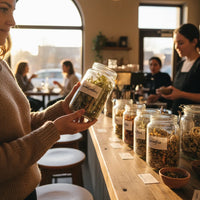
Selecting good mullein tea or mullein blends can be as rewarding as the brewing experience itself. Whether you prefer to blend at home or shop for expertly crafted, preblended teas, keep the following smart buying strategies in mind:
Sourcing Quality: What to Look For
- Freshness: Look for vibrant color (light green to golden) and a pleasant, clean aroma
- Cut & Sift: Cleanly cut leaves and flowers, free from excess dust or debris
- Organic or Wildcrafted: When available, opt for organic or ethically wildcrafted options for purity
- Reputation: Purchase from reputable brands or trusted herbal suppliers. Herbal Goodness, for example, is known for diligent sourcing quality and transparent practices.

Choosing Between Loose Leaf and Preblended Mullein Tea
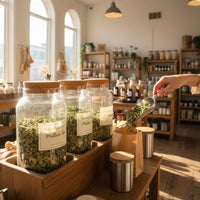
- Loose Leaf: Ideal if you want control over flavors, ratios, and freshness. Enables precise blending, adjusting, and personal experimentation.
- Preblended: Convenient, expertly crafted for flavor, and saves time. Good for those new to herbal tea or looking for consistent quality and taste every time.
Buy Where Quality Counts
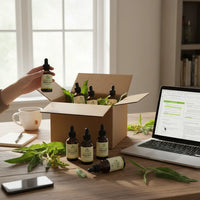
You can find mullein tea for sale at specialty wellness shops, reputable herbal retailers, or online marketplaces. Many enthusiasts choose to shop mullein tea online for access to a wider selection, ingredient transparency, and convenient delivery. Look for brands offering detailed ingredient lists, sourcing info, and clear product descriptions to ensure the best price and premium quality.
Packaging and Storage Essentials
Keep in mind: the way your mullein tea is packaged affects quality and shelf-life.
- Airtight Packaging: Preserves flavor and aroma
- Opaque Bags/Jars: Protects from light, preventing degrade
- Cool, Dry Storage: Extend freshness by keeping blends away from heat and humidity

Flavor Pairing Inspiration: Seasonal Blends
Throughout the year, mullein tea can be customized to fit the mood or weather by pairing with thoughtful herbs. Consider these seasonally inspired blend ideas for loose or preblended shopping:
- Spring: Mullein + Lemon Peel + Peppermint (bright and awakening)
- Summer: Mullein + Lemon Peel + Calendula (uplifting and floral)
- Fall: Mullein + Marshmallow Root + Thyme (earthy and comforting)
- Winter: Mullein + Licorice Root + Sage (warming and gently sweet)
When browsing mullein blends or crafting your own, check the ingredient ratios and choose those that lean into your favorite seasonal tastes. Always prioritize best quality, ethically sourced botanicals for full enjoyment.

Whether you’re hand-blending or seeking premium mullein tea, exploring bulk loose leaf teas, or discovering new herbal tea pairings, there are endless ways to savor your seasonal mug.
Concluding Thoughts: Flavor & Mindful Choice
Whether you are venturing into the world of mullein tea for the first time or seeking to elevate your daily herbal ritual, focusing on flavor-first companion herbs, mindful blending ratios, and smart shopping will help you create your perfect seasonal cup. The world of mullein tea is flexible and endlessly customizable: experiment with ratios, journal your tasting notes, and seek out premium, organic or expertly preblended options that fit your lifestyle. Let every mug be a gentle reminder to savor each season, one sip at a time.
FAQs:
- What herbs pair best with mullein tea for flavor?
The most popular companion herbs for mullein tea include marshmallow root, licorice root, thyme, peppermint, and lemon peel. These herbs enhance mullein's mellow flavor and aroma, allowing you to create custom blends for every season.
- How do I blend mullein tea with other herbs for the best taste?
Start by mixing 60% mullein with 40% of your chosen companion herb. Adjust the ratio to taste. Keep notes as you experiment to discover your perfect flavor combination using single herbs or blends.
- What’s the difference between loose leaf and preblended mullein tea?
Loose leaf mullein offers total control over your blend and freshness, while preblended mullein teas provide convenience and consistent flavor profiles crafted by herbal experts. Both formats can deliver premium quality when sourced from reputable suppliers.
- Where can I buy high-quality mullein tea or blends?
You can buy premium mullein tea and blends at specialty herbal shops, wellness retailers, and online platforms. Look for brands that offer detailed sourcing information, organic choices, and clear ingredient lists to ensure best quality.
- How should I store mullein tea to maintain freshness?
Store mullein tea in airtight, opaque containers in a cool, dry place. This preserves its natural aroma and flavor while maximizing shelf-life, whether you’ve bought loose leaf or preblended tea.
- Are there any herbs I should avoid blending with mullein for taste reasons?
Bold or bitter herbs such as wormwood or certain roots may overpower mullein’s delicate flavor. For a pleasant cup, stick with gently sweet, floral, or citrusy herbs as companion ingredients.
- What is the ideal way to taste-test my own mullein blend recipes?
Brew single-serving cups with different herb ratios, tasting each sequentially. Document your impressions, adjust as desired, and blend small batches for continued experimentation until you find your ideal mix.
Author Name:
Herbal Goodness Editorial Team
Author Bio:
The Herbal Goodness Editorial Team specializes in holistic health and superfoods, blending science and nature to educate and empower our community.
Related blogs:
Mullein Tea Bags Online: Packaging Terms Buyers Should Know
Buy Organic Soursop Leaf Extract: Best Packaging for a Cleaner Cup
What to Ask Before You Buy: Key Questions for Soursop (Graviola) Extra
IG Live: Being A Well-Being Advocate
Exploring The Wonders of Bamboo Leaves- Surprising Facts and Uses
Papaya Seed Powder Buying Guide: Freshness & Flavor Check Tips
5 Ancient Healing Practices eBook | Herbal Goodness
Build a Local Mullein Tea Starter Kit for Fresh, Flavorful Brews
How to Buy Truly Caffeine-Free Mullein Tea Online With Confidence
Graviola Capsules: What ORAC, FRAP & DPPH Test Results Really Mean