How to Find Low-Waste Mullein Tea Near You (Bulk & Refill Guide)

Interest in sustainable living is reshaping how we shop and consume our favorite everyday items, including mullein tea. For eco-conscious tea lovers, the search for low-waste mullein tea options is part of a broader mission to reduce packaging waste, embrace compostable solutions, and minimize single-use plastics. Whether you’re seeking to buy mullein tea in bulk, looking for refill stations, or hoping to spot compostable packaging at a local store, this guide is designed to help you learn, explore, and take practical steps toward a lower-impact tea ritual.
The Basics: What Does Low-Waste Mean for Mullein Tea?
Low-waste mullein tea is all about minimizing disposable packaging and maximizing sustainable practices across sourcing, storage, and even disposal. Instead of single-use plastic or non-recyclable tea bags, low-waste options include:
- Bulk loose-leaf mullein tea sold by weight
- Refill stations allowing you to reuse containers
- Vendors using compostable, recyclable, or minimal packaging
By choosing these options, you reduce your ecological footprint and show support for a circular economy that values reusable resources over one-time products.
Where to Buy Low-Waste Mullein Tea Near You: Bulk and Refill Options
Shopping Bulk Bins: What to Expect
Bulk bins are a classic go-to for low-waste shoppers. Many natural grocery stores and co-ops offer bulk herbs, including mullein tea, letting you buy by weight and fill your own container. Here’s how to get started:
- Bring a clean, reusable jar or bag from home. Many stores let you tare (pre-weigh) your container before filling it.
- Check the bin label for ingredient sourcing, organic certification, and best-before dates.
- Ask staff where the mullein is sourced from if you’re looking for organic or wildcrafted options.
For added convenience and variety, some enthusiasts opt for our Bulk Herbs collection, letting you stock up from reliable sources while still avoiding excess packaging at home.
Finding Mullein Tea Refill Stations
Some eco-friendly stores dedicate a section to refillable herbal teas. Here’s how to spot them:
- Look for signage about refill programs—often near the herbal section.
- Ask staff if you can refill your own jar or purchase a reusable container.
- Inquire about their cleaning protocols for communal bins if you have food safety concerns.
Refillable options aren’t limited to brick-and-mortar shops. If you prefer shopping online, our organic herbal teas offers eco-friendly, bulk loose leaf blends that allow you to refill your storage containers at home.
Farm Stands, Herbalists, and Sunday Markets
Local farm stands, herbalists, and weekend markets often sell mullein tea loose-leaf style, typically with minimal or zero packaging. Perks include:
- Conversation with growers about how plants are grown and processed
- The chance to request packaging alternatives (like no bag or compostable wrap)
- Supporting small-scale producers dedicated to sustainable practices
Connecting with such community-focused vendors encourages transparency and can uncover Mullein Leaf Tea Organic 24 Bags | Respiratory & Lung Wellness Support products specifically packaged with sustainability in mind.
Identifying Compostable and Sustainable Packaging for Mullein Tea
When bulk or refill isn’t available, the next best choice is prepackaged mullein tea using compostable or recyclable materials. Here’s what to look for:
Spotting Compostable Packaging
Look for these descriptive terms or certification logos:
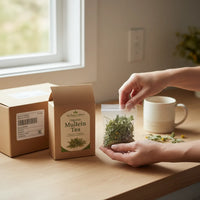
- Compostable tea bags or pouches (often made from corn starch, cellulose, or unbleached paper)
- Biodegradable inner bags
- Plant-based plastic alternatives
- BPI, ASTM D6400, or TUV OK compost certifications
If your tea ritual also includes herbal blends or wellness teas, consider exploring options like Wellness Tea Blends – 4oz Organic Premium Herbal Infusions, which may be available in eco-friendly packaging.

Read the label to distinguish between merely “biodegradable” (which can still take years to break down) and “compostable” (suitable for home or municipal composting, given correct conditions).
Avoiding Common Pitfalls
- Many paper tea boxes contain an inner plastic wrapper; choose those without or with clear compostable labeling
- Individually-wrapped tea bags often create unnecessary waste—opt for loose-leaf blends when possible
- If unclear, ask the retailer or brand directly about their packaging materials and compostability
Not all eco-friendly teas are created equal, so for those prioritizing respiratory wellness, a liquid option like Mullein Leaf Organic 15X Liquid Extract | Respiratory & Lung Wellness may align with your environmental and wellness goals.
Key Questions to Ask Local Vendors or Sellers
Not sure if your favorite store or tea shop meets your eco values? Use these questions to start a meaningful, curiosity-driven conversation:
- Can I buy mullein tea in bulk or refill my own container here?
- Is your mullein tea certified organic, sustainably harvested, or sourced regionally?
- What kind of packaging do you use for mullein tea—are the bags compostable or recyclable?
- Do you offer incentives for bringing my own jar or bag?
- How do you recommend composting or disposing of spent mullein leaves?

Clear answers reveal which vendors align with your sustainability priorities—and often inspire more eco options in your community.
Clues for Sustainable Packaging: Reading the Label
Learning to spot the telltale signs of eco-conscious packaging makes shopping much easier. Signs include:
- Clear labeling: “Compostable,” “biodegradable,” or “100% plant-based packaging”
- Third-party certifications: Look for compost seals or standards identifiers
- Minimal packaging: Simple paper sacks or uncoated cardboard (without glossy liners)
- Visible materials: Transparent sections made from wood-based cellulose films, not petroleum-based plastics
When you’re in doubt about a product, the Organic Papaya Leaf Tea | 24 Premium Bags – Caffeine-Free option provides well-labeled, caffeine-free blends in responsible packaging, suitable for those building an eco-friendly tea shelf.
If information is missing, a quick online search or a direct inquiry often clarifies a company’s stance.
Home Storage Tips for Bulk and Low-Waste Mullein Tea
Once you’ve sourced your eco-friendly mullein tea, storing it well preserves freshness and minimizes further waste. Here’s how:
- Use airtight glass jars—mason jars or repurposed food containers work well
- Store in a cool, dark place to maintain aroma and potency
- Label your jars with purchase date and source to keep organized
- Avoid plastic bags (unless truly compostable) that degrade with repeated use
If you’re shopping for bulk herbs for infusions or DIY blends, Raw Sea Moss 8oz Bag | St. Lucia Wildcrafted – Nature's Multivitamin is another great product for the zero-waste pantry—store it alongside herbal teas in an airtight container for ultimate freshness.
If you buy in very large quantities, consider splitting your stash into smaller containers to minimize air exposure each time you brew.
Composting Spent Mullein Tea Leaves at Home
After enjoying your mullein tea, composting used leaves closes the sustainability loop. Mullein is a plant material that fits neatly into most home compost systems. Steps include:
- Cool the leaves before adding to compost to avoid killing beneficial microbes
- Mix with other "brown" compost items (like dried leaves or paper) for good carbon balance
- Avoid adding flavored or highly processed teas, as they may contain non-compostable residues
- If you use a tea bag, make sure the bag itself is compostable—if not, remove leaves first
Within a few months, your used mullein tea leaves become part of nutrient-rich compost, perfect for garden beds or potted plants. Conscious composting extends the value of each cup for both health and the planet.
If liquid extracts are more your style for making herbal drinks, the Mullein Leaf Organic 15X Liquid Extract | Respiratory & Lung Wellness can also be added to teas or water, with zero waste from bags—and comes in packaging designed for easy recycling.

Making Low-Waste Mullein Tea Part of Your Lifestyle
Transitioning to low-waste mullein tea shopping can seem intimidating, but it’s a journey of small, impactful changes. Start by trying one new habit—refilling a jar, reading labels more closely, or chatting with your herbal vendor. Every step helps shift demand toward sustainable practices, making it easier for everyone to find eco-friendly options. Over time, you’ll gain confidence navigating bulk bins, deciphering packaging, and composting spent leaves, all while enjoying the earthy, traditional goodness of mullein tea in a way that feels true to your values.
With community-driven brands, co-ops, and passionate producers like Herbal Goodness and local herbalists responding to this call, exploring low-waste mullein tea is both accessible and deeply rewarding. Your curiosity and care serve as catalysts for ongoing positive change across the herbal landscape.
FAQs:
- Where can I buy mullein tea in bulk with low-waste packaging?
Look for natural grocery stores, herbal co-ops, or specialty markets offering mullein tea in bulk bins. Many allow you to bring your own reusable container, reducing packaging waste. If none are nearby, search for online vendors highlighting compostable or minimal packaging in their shipping options.
- How do I identify compostable or eco-friendly mullein tea packaging?
Check for certifications such as BPI or TUV OK compost on the packaging, and read labels for terms like 'compostable,' 'plant-based,' or 'biodegradable.' Avoid pouches that use layers of plastic or foil unless specifically marked as compostable.
- What questions should I ask local vendors about low-waste mullein tea?
Ask if you can purchase mullein tea in bulk, whether they allow refilling your own jar, what packaging they use, and if the materials are compostable or recyclable. These questions help you shop in alignment with your values.
- How should I store bulk mullein tea at home to keep it fresh?
Use an airtight glass jar or tin, store it in a cool, dry, and dark spot, and label each container with the purchase date. Avoid plastic bags unless they are truly compostable and designed for repeated use.
- Can used mullein tea leaves be composted at home?
Yes. Once cooled, add spent mullein leaves to your home compost bin along with other plant materials. If using a tea bag, make sure it's certified compostable before composting the whole bag.
- Are there any online stores for buying eco-friendly mullein tea?
Several online retailers and specialty tea brands now offer mullein tea in compostable or minimal packaging. Look for brands that detail their sustainability practices and packaging materials on their websites.
- What common materials should I avoid when shopping for low-waste mullein tea?
Avoid plastic-wrapped or individually packaged tea bags, non-recyclable foil bags, and containers without compostable or recyclable labeling. Opt for plain paper, glass, or cellulose-based packaging when possible.
Author Name:
Herbal Goodness Editorial Team
Author Bio:
The Herbal Goodness Editorial Team specializes in holistic health and superfoods, blending science and nature to educate and empower our community.
References:
Introducing Graviola to Young Taste Buds: Fun, Family-Friendly Flavor Exploration
Graviola in the Classroom and at Home: Creative Activities to Teach Kids About Tropical Plants
Why Social Impact Matters in Plant-Based Wellness