How to Buy Truly Caffeine-Free Mullein Tea Online With Confidence

Shopping for herbal teas online opens a world of possibility, especially if you’re seeking caffeine-free options like mullein tea. But simply spotting a “caffeine-free” label doesn’t always mean there’s zero caffeine or no risk of other ingredients making their way into your cup. Understanding what “caffeine-free” really means in the online shopping world, and how hidden caffeine or unintentional cross-contamination can occur, empowers you to make informed decisions. With a mindful approach to reading labels, examining seller photos, and inspecting product details, you’ll have confidence your mullein tea is as pure as you expect.
What Does 'Caffeine-Free' Mean on Mullein Tea Product Pages?
Most shoppers interpret “caffeine-free” as a promise of zero caffeine. With single-ingredient herbs like mullein, that’s the intent. However, regulations allow some leeway in how brands use terms like “caffeine-free,” “decaffeinated,” and “naturally caffeine-free.” It’s important to know the distinctions:
Caffeine-Free (Absolute): No caffeine was intentionally added, and the ingredient is not known to naturally contain caffeine. This is usually the case with pure mullein leaves.
Decaffeinated: Initially contained caffeine but has undergone a process to remove it, common with teas like decaf green or black tea, but not herbal mullein.
Naturally Caffeine-Free: The plant naturally has no caffeine, but trace amounts can occasionally show up from cross-contact or facility processing.
When buying mullein tea, look for language that clearly states the tea is 100% mullein leaf with no additives, blends, or flavorings. Watch for inclusion of any botanicals that could be caffeine sources (camellia sinensis, yerba mate, guayusa), as these could alter the “caffeine-free” integrity.
Understanding Manufacturing and Blending Risks to Purity
You might wonder how caffeine could end up in a product that’s marketed as caffeine-free. The answer lies in the manufacturing environment and sourcing practices. Here’s how cross-contamination can happen:
Shared Processing Facilities
Many herbal teas, including mullein, are often processed and packaged in facilities that also handle caffeinated teas. This raises the possibility of trace caffeine residue, especially if equipment isn’t completely sanitized between batches or if storage areas are shared with caffeinated herbs. For a reliably caffeine-free cup, some customers prefer herbals produced by brands offering truly pure teas such as Mullein Leaf Tea Organic 24 Bags | Respiratory & Lung Wellness Support.
Blended or Flavored Mullein Teas
Sometimes mullein is offered as part of a custom blend or with flavor-enhancing ingredients. Even small additions of green, black, or “energy” botanicals can introduce caffeine, intentionally or not. Always scrutinize the full ingredient list, not just the product title. If seeking alternative caffeine-free blends, you could consider options like Organic Papaya Leaf Tea | 24 Premium Bags – Caffeine-Free, which is formulated to be safe for those monitoring their caffeine intake.
Human Factor and Packaging Errors
Accidental mislabeling or bagging can occur, especially with small-scale or third-party repackagers. While rare, a blend could be incorrectly labeled as caffeine-free due to production oversight. Selecting clearly labeled, dedicated herbal products can reduce this risk.
Key Label Wording and Statements to Examine
Your best defense is careful label reading before purchasing online. Here’s what to focus on:
Ingredient List
- Look for “Mullein leaf” or “Verbascum thapsus” as the sole ingredient.
- Investigate multi-herb blends or “with flavorings” teas for sources of caffeine. The growing popularity of Bamboo Leaf Tea 24 Bags | Nature's Silica – Collagen & Biotin Support as a naturally caffeine-free herbal alternative shows shoppers value ingredient clarity.
“May Contain” Allergen and Cross-Contact Statements
Ethical brands often disclose shared facility warnings. Look for statements like “manufactured in a facility that processes caffeinated teas.” Some products specify “processed in a facility free from caffeine-containing ingredients,” offering higher confidence.
Decaffeinated vs. Caffeine-Free
“Decaffeinated” does not mean zero caffeine. Only “caffeine-free” or “naturally caffeine-free” apply to mullein. For those especially sensitive, sticking to single-herb, purity-tested teas such as Mullein Leaf Organic 15X Liquid Extract | Respiratory & Lung Wellness provides extra assurance.
100% Pure, Single-Herb, or Non-Blended Claims
These phrases support purity but should align with the ingredient list and allergy statements. Always verify these against label photos and product details.
Certifications and Quality Assurance
Some companies publish Certificates of Analysis (COA) verifying purity, residue-free status, and absence of unwanted plant material. Examining for these credentials is a smart step for peace of mind.
Taking a Closer Look: Seller Images and Transparent Documentation
Online shopping is visual. Product photos, close-ups of the packaging, and clear shots of ingredient lists help you match reality to marketing claims. Here’s how to assess images and supporting documents:
- Label Zoom: Can you clearly read the ingredient list and allergy statements? Avoid products with blurry or incomplete images.
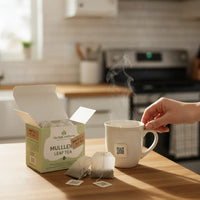
- Back-of-Package Photos: See if facility certifications, COA statements, or allergen notes are included or legible. For a quality example, browse Mullein Leaf Tea Organic 24 Bags | Respiratory & Lung Wellness Support and check how ingredient transparency is provided.
- Batch Codes or Test Dates: Look for evidence the product is regularly tested or updated.
- COA Access: Some reputable sellers provide certificates on request or with the listing. A COA can show if testing included screening for caffeine or potential contaminants.

Dedicated Processing and Purity Practices
Some producers understand the value of truly caffeine-free herbal tea and take extra steps:
Dedicated Lines for Herbal Processing
Companies that process only non-caffeinated herbs can confidently claim lower risk of cross-contamination. For discerning shoppers, choosing facilities that exclusively manufacture herbal infusions—such as dedicated suppliers of Organic Papaya Leaf Tea | 24 Premium Bags – Caffeine-Free—adds a layer of confidence.
Third-Party Certification
Independent third-party inspections or certifications for gluten or allergen-free often include cross-contamination protocols. While not focused on caffeine, they can add confidence regarding facility cleanliness. If interested in clean herbal teas, another option to consider is Bamboo Leaf Tea 24 Bags | Nature's Silica – Collagen & Biotin Support for its focus on ingredient transparency and facility protocols.
Transparent Sourcing
Brands that share sourcing stories or manufacturing standards are usually more likely to highlight steps taken to minimize cross-contact, whether that’s exclusive processing, strict batch separation, or additional screening layers.

How to Ask the Right Questions Before You Buy
For peace of mind about your caffeine-free mullein tea:
- Contact sellers to confirm the product is packed in a caffeine-free facility.
- Ask about cleaning protocols between production runs if the facility handles caffeinated teas.
- Request documentation or COAs if not posted with the product listing.
- Inquire about quality control for third-party resellers or bulk packers.

Common Pitfalls to Avoid When Shopping Online
It’s easy to rush online purchases, especially with appealing product photography or optimistic reviews. Yet, being thorough can pay dividends. Avoid these pitfalls:
- Relying only on the front-of-box or product title; always seek the ingredient list.
- Skipping allergy and cross-contact statements.
- Assuming blends or flavored teas are caffeine-free based on the main ingredient. Looking for detailed blends or safe mixes? The Organic Herbal Tea Trio – Build-Your-Own Bundle | Mix & Match Any 3 USDA Organic Herbal Teas & Save 20% lets you select with clarity.
- Overlooking third-party sellers where labeling and handling standards might vary.
The Herbal Goodness Approach to Mullein Tea Purity
At Herbal Goodness, we believe in empowering the community with knowledge. While we take extra care to offer clearly labeled, single-herb teas, our goal is to make the purchasing process as transparent as possible. Ensuring dedicated sourcing and visible testing helps you, the customer, make choices aligned with your personal preferences regarding caffeine and herb purity. Paired with the confidence that comes from choosing options like Mullein Leaf Tea Organic 24 Bags | Respiratory & Lung Wellness Support, your herbal tea routine can be as mindful as it is healthy.
Summary: Smart Steps for Caffeine-Free Mullein Tea Shopping
For the most confident purchase:
- Read all parts of the label: ingredient list, allergy statements, facility information.
- Inspect seller photos for real package details, not just marketing images.
- Look for references to dedicated processing or independent testing.
- Contact the seller about sourcing, facility protocols, or see if a COA is available.
By prioritizing these checks, you transform the online herbal tea shopping experience into a mindful, informed, and satisfying process.
Frequently Asked Questions
Question 1: How can I ensure my mullein tea is truly caffeine-free when buying online?
Answer: Read the entire product label, focusing on the ingredient list and cross-contamination statements. Opt for reputable suppliers such as those offering Mullein Leaf Tea Organic 24 Bags | Respiratory & Lung Wellness Support or caffeine-free blends like Organic Papaya Leaf Tea | 24 Premium Bags – Caffeine-Free, and review package images closely.
Question 2: What does 'processed in a caffeine-free facility' mean and why is it important?
Answer: It means the product is manufactured where no caffeinated ingredients are handled, greatly reducing cross-contamination risk. Brands that highlight this, or that focus on products like Bamboo Leaf Tea 24 Bags | Nature's Silica – Collagen & Biotin Support, offer extra peace of mind.
Question 3: Are blended herbal teas safe for people sensitive to caffeine?
Answer: It depends on the specific blend. Always check the full ingredient list for hidden caffeinated plants. Safer choices include single-herb or clearly labeled caffeine-free products such as Mullein Leaf Organic 15X Liquid Extract | Respiratory & Lung Wellness.
Question 4: What are Certificates of Analysis (COA), and should I look for them?
Answer: A COA verifies purity and checks for unwanted ingredients or contamination. You should request a COA if it's not shown for products like mullein tea or Organic Papaya Leaf Tea | 24 Premium Bags – Caffeine-Free for maximum confidence.
Question 5: Can I find herbal teas that are both caffeine-free and offer additional wellness benefits?
Answer: Yes, teas like Bamboo Leaf Tea 24 Bags | Nature's Silica – Collagen & Biotin Support are naturally caffeine-free and support other aspects of wellness such as hair, skin, and nail health.
Question 6: Why should I be cautious when buying from third-party sellers?
Answer: Third-party sellers may have less strict handling and labeling standards. Sticking with reliable brands or bundles like Organic Herbal Tea Trio – Build-Your-Own Bundle | Mix & Match Any 3 USDA Organic Herbal Teas & Save 20% helps ensure quality control.
Explore quality, clearly-labeled mullein teas by checking packaging details, certifications, and product information before you buy. Make every purchase with confidence.
About the Author
Herbal Goodness Editorial Team
The Herbal Goodness Editorial Team specializes in holistic health and superfoods, blending science and nature to educate and empower our community.
References
Introducing Graviola to Young Taste Buds: Fun, Family-Friendly Flavor Exploration
Graviola in the Classroom and at Home: Creative Activities to Teach Kids About Tropical Plants
Why Social Impact Matters in Plant-Based Wellness