





Buy Guava Leaf Tea Online: 30-Day Tasting Passport for Beginners

Stepping into the world of guava leaf tea can feel a bit like being handed a passport to a new continent of flavors and traditions. If you’re curious but not sure where to begin, our 30-Day Guava Leaf Tea Tasting Passport guides you gently through a month of discovery—no hype, just the joy of exploring premium varieties at your own pace. This hands-on, flavor-first experience is crafted for beginners ready to expand their palates, compare online options, and reflect on the sensory journey each cup brings.
Why Try a Guava Leaf Tea Tasting Passport?
A tasting passport is more than a list—it’s an invitation to engage your senses, learn by doing, and develop your own preferences without rushing or outside influence. Guava leaf tea, available from a number of reputable online sources, offers a surprisingly diverse range of aromas, textures, and flavors, shaped by where and how the leaves are grown, harvested, processed, and packaged. By tasting small batches over a 30-day period, you’ll gain confidence in evaluating quality and style, documenting what makes a brew truly memorable for you.
Selecting Premium Guava Leaf Tea Samples Online
Identifying Well-Sourced Varieties
When exploring online, focus on small, single-origin guava leaf tea samples or sampler sets from trusted specialty retailers. With options like Guava Leaf Tea Organic 24 Bags | Immunity & Gut Wellness – Caffeine-Free, you can be assured of clear origin details and careful sourcing. Look for information about the origin (country, region, or even farm), picking season, and whether the tea comes from wild or cultivated guava trees. Descriptions highlighting fresh harvests, minimal processing, and careful packaging can assure you that you’re sampling teas at their flavorful peak.
Recognizing Leaf Cuts and Blends
Premium guava leaf teas may be offered as whole leaves, large-cut, or finely shredded forms. Whole or large-cut leaves typically signal gentler handling and often provide a cleaner, more nuanced taste. Blends with fruit pieces or herbs are popular but may mask the subtle flavors of the leaf itself—begin with pure guava leaf before adventuring into blends, such as those included in the Herbal Tea Trio Bundle | Guava, Hibiscus & Avocado – 3 Organic Packs.
What Packaging Tells You
Freshness and quality go hand-in-hand, so check for packaging that’s lightproof, airtight, and clearly labeled with harvest or expiration dates. Samplers packaged in resealable pouches tend to preserve natural aromas and flavor notes best. Avoid generic labels or overly sparse descriptions, which may signal older stock or lower attention to freshness. For added variety, the Organic Herbal Tea Trio – Build-Your-Own Bundle | Mix & Match Any 3 USDA Organic Herbal Teas & Save 20% gives you curated freshness across various herbal offerings.
Your 30-Day Tasting Passport: Weekly Plan
Week 1: The First Sip—Unpacking Origins and Preparations
- Select two to three guava leaf teas from different regions or producers
- Brew each using the simplest method: steeping in hot water
- Journal your first impressions: color, aroma, clarity, and flavor complexity
- Note mouthfeel—smooth, dry, light, or robust?
- Compare packaging clues to your sensory notes for any freshness impact
Week 1 is all about getting acquainted and noting first differences. Let yourself describe flavors in your own words, whether grassy, mineral, floral, or nutty—there are no wrong answers!
Week 2: Experimenting With Brewing Methods
- Try cold-brewing one sample overnight in the refrigerator
- Create sun tea: steep leaves in clear jars with cool water set in indirect sunlight for several hours
- Compare flavor extractions to your hot-brewed notes
- Observe clarity, depth, and any new aromas
Brewing experiments reveal how the same leaf can transform depending on method. Note sweetness, body, or unexpected flavors that emerge. For an alternative infusion experience, you might also compare with Organic Papaya Leaf Tea | 24 Premium Bags – Caffeine-Free, as it provides a gentle, non-caffeinated flavor profile useful for tasting comparisons.
Week 3: Exploring Pairings and Sensory Journaling
- Taste guava leaf teas alongside a simple snack—plain crackers, fresh fruit, or a sweet bite
- Capture what happens to flavors and aromas when paired with food
- Journal which textures or notes are heightened or balanced
Pairing brings new dimensions. Does the tea complement or contrast your snack? This week, you’ll start to see which styles fit your moods or mealtime moments.
Week 4: Reflecting, Comparing, and Storing Favorites
- Lay out your remaining samples, side-by-side
- Brew two or more in parallel for a mini blind tasting
- Rank your personal favorites and note what you appreciate about each
- Learn to store extra leaves in cool, dry, airtight containers, away from sunlight
This reflection rounds out your journey—by now, you’ll know which characteristics you value and how freshness, leaf cut, and packaging matter. Your notebook becomes the start of your own tea traditions, ready to be expanded on future explorations.
Breaking Down Tasting Prompts for Beginners
Approaching guava leaf tea with curiosity is key. Use these simple prompts to build your sensory vocabulary:
- Visual: What color is the brewed tea? Is the liquor clear or cloudy? Are the brewed leaves green, brown, or somewhere in-between?
- Aroma: Do you notice vegetal, floral, earthy, or grassy notes? Is the scent faint or pronounced?
- Taste: Can you describe what you taste beyond ‘tea’? Try words like bright, mellow, toasted, or herbal.
- Texture/Mouthfeel: Does the tea feel silky, crisp, soft, or bold on your palate?
- Aftertaste: Any lingering notes, bitterness, or cooling sensations?
Record observations without worry about correctness. The beauty of a 30-day passport is discovering your palate’s personal language.
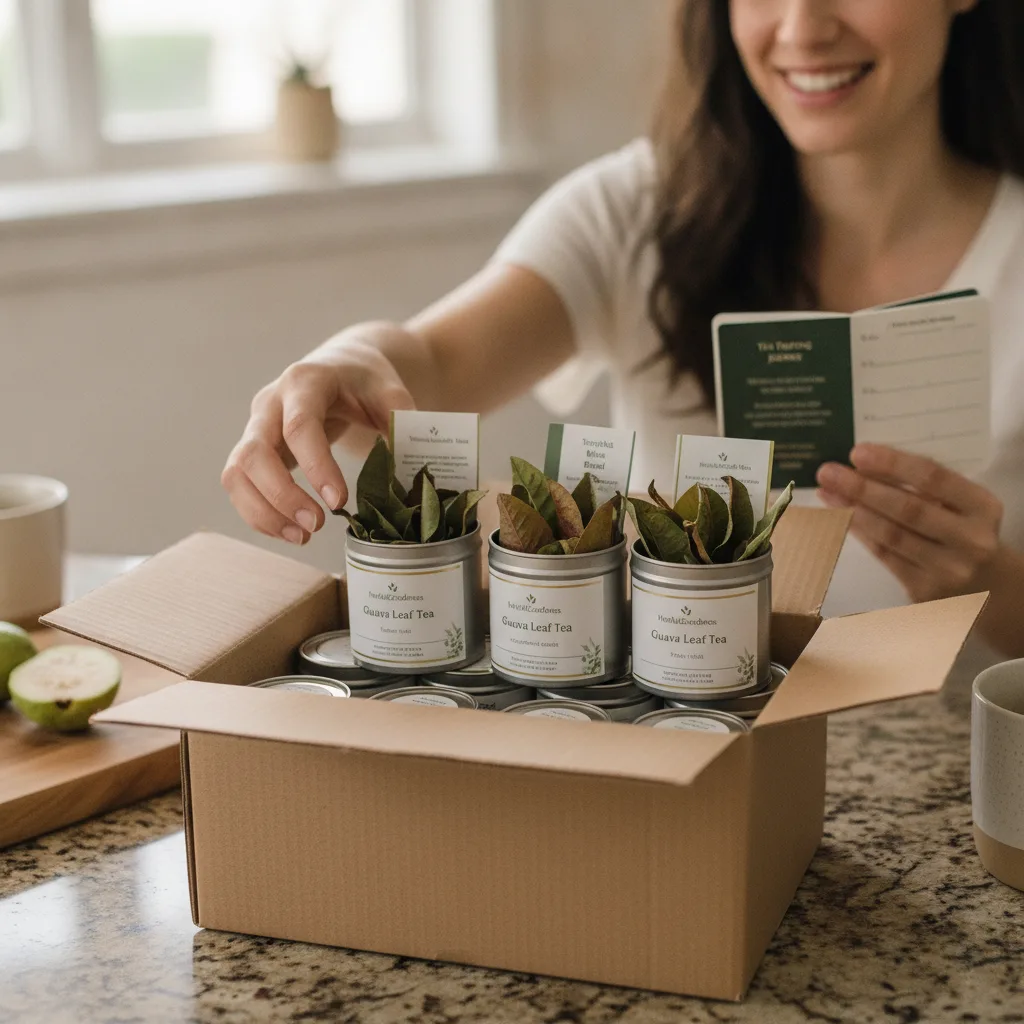
Comparing Guava Leaf Tea Origins and Forms
Each region and type of guava leaf tea brings subtle differences:
- Region: Leaves from tropical, volcanic soils versus drier, sunny climates may influence flavor strength and depth.
- Leaf Cut: Whole leaves steep slowly and can release more layered aromas; finely cut or shredded leaves brew quickly and tend to offer sharper, straightforward flavors.
- Processing Style: Sun-dried leaves compared to gently oven-dried may reveal unique visual and aromatic notes. Some producers take extra steps to preserve native oils and color.
Compare a range by reading online descriptions, then confirm (or challenge) your expectations with each tasting session. If you’re looking to expand your journey, incorporating Guava Leaf Organic 15X Liquid Extract | Immunity & Gut Wellness into your tastings provides yet another perspective on the plant's wellness benefits.
Reading Packaging for Quality and Freshness Clues
Premium guava leaf teas often tell their story right on the packaging:
- Harvest Dates: Recent harvests typically deliver brighter aroma and flavor. Look for best-by or pick dates where available.
- Storage Notes: Quality packaging may mention how the tea was dried, packed, and how best to store at home.
- Material: Thick, dark, resealable bags or vacuum-sealed containers support freshness. Avoid clear bags exposed to sunlight.
Studying packaging details empowers you to make better online selections, especially when comparing premium options from different sources.

Simple Storage Tips for Maximum Freshness
Proper storage keeps your guava leaf teas at their best while you explore. Follow these fundamentals:
- Use opaque, airtight containers or tins
- Store away from heat, moisture, and direct light
- Label containers with the tea’s name and sample date
- Finish opened samples within one to three months to enjoy peak aroma
Storing your teas with care means the flavors you discover remain true to their intended profile. A similar approach also works well with other premium teas, such as the Bamboo Leaf Tea 24 Bags | Nature's Silica – Collagen & Biotin Support, where freshness is integral to both taste and nutritional value.

Keeping a Sensory Journal (and Why It Matters)
Tracking your tasting experiences lets you notice subtle shifts over time and revisit favorites with a deeper appreciation. Set aside a small notebook (or digital journal), and record each session with details such as:
- Date and time
- Tea sample and origin
- Brewing method and steeping time
- Sensory notes (appearance, aroma, flavor, texture)
- Personal ‘enjoyment score’ or final thoughts
Journaling develops your ability to distinguish and remember what you love—this passport is uniquely yours.
Pairing Guava Leaf Tea with Foods and Moments
Part of the tasting journey includes finding what fits your lifestyle. Guava leaf tea is often gently flavored, making it a cooperative partner for simple foods. Try pairing with:
- Mild snacks (rice crackers, soft cheeses)
- Swirls of honey or slices of fresh fruit
- Light breakfasts or afternoon reflection time
Matching flavors and moments is a creative process—use your notes to build routines that inspire relaxation and curiosity.
It can also be rewarding to compare with botanical infusions that focus on supporting wellness, for example, adding Avocado Leaf Tea Organic 24 Bags | Heart Health & Immunity Support to your tasting matrix to see how the experience diversifies.
Next Steps On Your Flavor Journey
After completing your 30-Day Guava Leaf Tea Tasting Passport, reflect on your discoveries. Perhaps you’ll want to explore new regions, rare cultivars, or creative infusions with your favorite styles. With foundational tasting skills and a journal filled with impressions, ongoing exploration can be as simple as sampling one new tea per month or sharing your thoughts with like-minded friends. Try rotating in Bamboo Leaf Organic 15X Liquid Extract | Silica, Collagen & Biotin to see how leaves from other botanicals expand your palate and wellness routine. Your curiosity is the best guide.
Frequently Asked Questions
Question 1: What makes a guava leaf tea tasting passport unique for beginners?
Answer: A tasting passport encourages mindful exploration and documentation. Using single-origin options like Guava Leaf Tea Organic 24 Bags | Immunity & Gut Wellness – Caffeine-Free, you actively compare and build sensory skills rather than just following recommendations.
Question 2: How do I choose the best guava leaf tea online?
Answer: Look for harvest and region details, freshness, and reputable sources. Trusted selections such as the Herbal Tea Trio Bundle | Guava, Hibiscus & Avocado – 3 Organic Packs let you compare quality and flavor across different botanicals.
Question 3: Are there other teas that pair well on a similar 30-day journey?
Answer: Yes! Try Organic Papaya Leaf Tea | 24 Premium Bags – Caffeine-Free or Bamboo Leaf Tea 24 Bags | Nature's Silica – Collagen & Biotin Support for a parallel herbal exploration.
Question 4: What’s the best way to store guava leaf tea for freshness?
Answer: Store teas in opaque, airtight containers away from light and moisture. This method works for both guava leaf blends and specialty botanicals like Avocado Leaf Tea Organic 24 Bags | Heart Health & Immunity Support.
Question 5: How does sensory journaling enhance my tasting experience?
Answer: By tracking appearance, aroma, flavor, and aftertaste in your journal, you’ll spot personal favorites over time. Journaling is especially insightful when comparing across different options, such as Guava Leaf Organic 15X Liquid Extract | Immunity & Gut Wellness.
Question 6: Can I experiment with liquid extracts instead of just tea bags?
Answer: Absolutely. Incorporate Guava Leaf Organic 15X Liquid Extract | Immunity & Gut Wellness or Bamboo Leaf Organic 15X Liquid Extract | Silica, Collagen & Biotin for alternate infusion and flavor experiences.
Ready to embark on your own guava leaf tea tasting adventure? Select a few high-quality online samples, set up your journal, and savor each step of your 30-day passport journey to discovery.
About the Author
Herbal Goodness Editorial Team
The Herbal Goodness Editorial Team specializes in holistic health and superfoods, blending science and nature to educate and empower our community.
References
Introducing Graviola to Young Taste Buds: Fun, Family-Friendly Flavor Exploration
Graviola in the Classroom and at Home: Creative Activities to Teach Kids About Tropical Plants
Why Social Impact Matters in Plant-Based Wellness
Share this

Popular posts


FAQs
1. What are the main benefits of drinking bamboo leaf tea?
Drinking bamboo leaf tea supports hydration, relaxation, skin wellness, and antioxidant balance.
2. What is bamboo leaf extract used for?
It’s used for general body wellness, skin elasticity, hair and nail support, and overall vitality.
3. Can bamboo leaf help with skin care and body wellness?
Yes, bamboo leaf is rich in silica and antioxidants, which promote healthy skin, strong nails, and a youthful glow.
4. What forms of bamboo leaf are available?
You can find dried bamboo leaf, powder, extract, drops, oil, and bamboo leaf green tea.
5. Are there any side effects of bamboo leaf?
Bamboo leaf is generally safe when consumed in moderation. Always consult your healthcare provider before starting any new herbal supplement.