





Organic Guava Leaf Tea Guide for Small Batch Market Sellers

For those considering turning a bountiful guava tree into more than just a backyard feature, crafting small-batch organic guava leaf tea for local markets is an accessible idea. With a few simple steps—starting with careful harvesting and drying, followed by smart packaging—you can transform fresh guava leaves into a shelf-stable, aromatic tea with market appeal. This beginner-friendly guide breaks down each phase, from leaf selection to low-waste pouch choices, providing practical insights without overwhelming jargon, so you can confidently bring your own home-harvested guava tea to the community.
Timing and Selecting Guava Leaves for Tea Making
Choosing when and which leaves to pick sets the foundation for quality guava leaf tea. Guava leaves are most vibrant just before the plant begins flowering, often in late spring or early summer, though timing may adjust based on climate and variety.
- Aim for Early Morning: Harvest in the cool hours after dew has evaporated but before sun exposure peaks. This preserves natural oils and aroma.
- Opt for Young-Mature Leaves: Mature, fully expanded leaves (not too tender, not too tough) tend to yield the best balance of flavor and aroma. Avoid washed-out or bug-bitten material.
- Look for Healthy Growth: Only gather leaves that are free from visible spots, mold, or insect damage. Healthy foliage equals better shelf life and flavor.
Simple Harvesting Hygiene
Gently snip or pluck leaves by hand, using clean, sanitized tools to minimize contamination. Avoid gathering leaves directly after rainfall to reduce unwanted moisture. If you're interested in working with guava for wellness, Guava Leaf Organic 15X Liquid Extract | Immunity & Gut Wellness provides a convenient way for herbalists and beginners to explore the benefits beyond tea.
Beginner-Friendly Guava Leaf Drying Methods
Fresh leaves need to dry thoroughly to become shelf-stable. The goal is to reduce moisture without sacrificing the leaf’s aroma, color, or qualities appreciated by tea drinkers. Several low-cost approaches work well at a small scale.
Air Drying on Racks
- Spread in Single Layers: Place clean leaves on mesh racks or screens for ample air circulation.
- Keep Out of Direct Sunlight: Shade is essential—direct sun can bleach and damage flavor compounds.
- Provide Good Ventilation: Position racks where fresh air flows but dust and pests are limited (covered patio, shaded porch, or a well-ventilated indoor area).
- Monitor Regularly: Gently turn and check leaves daily. Drying can take anywhere from 5–10 days depending on humidity.
Using a Home Dehydrator
- Set to Low Temperature: 95–115°F (35–46°C) preserves the leaf’s natural qualities.
- Check Frequently: Leaves are done when they crumble easily but retain a fresh color and scent.
- Batch Size: Dehydrators offer more control and efficiency if humidity is high or you’re handling larger volumes.
Sensory Checks for Proper Dryness
Learning to judge dryness with your senses is key:
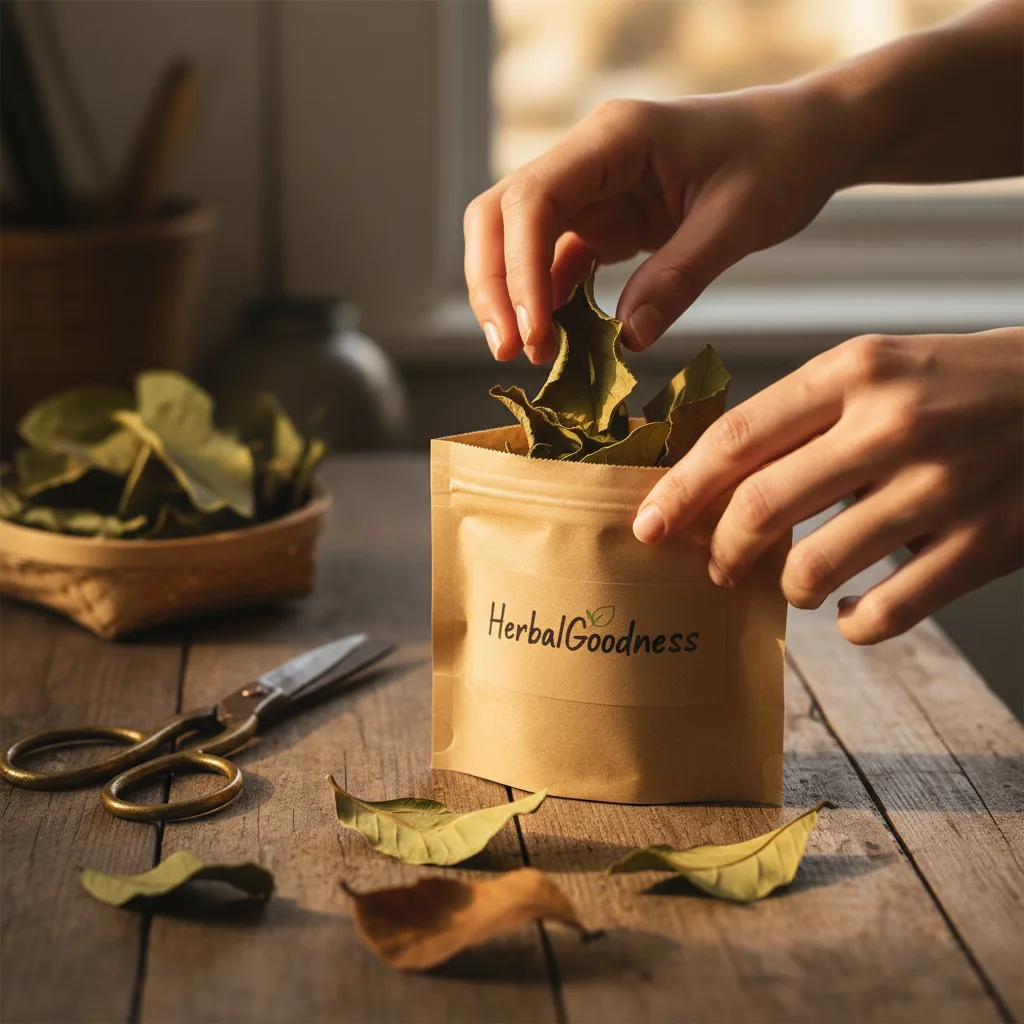
- Touch: Properly dried leaves feel crisp—snap cleanly without folding.
- Sight: Good color, not brown or faded.
- Scent: Should retain a pleasant, grassy-guava aroma with no mustiness.
- Sound: Leaves may ‘rustle’ as you handle them.
If you're looking to diversify your herbal collection, Guava Leaf Tea Organic 24 Bags | Immunity & Gut Wellness – Caffeine-Free offers a ready-to-brew option for local tea lovers and is suitable for gifting or market sales.
If unsure, dry a few extra hours; even slight moisture can lead to spoilage after packaging.
Freshness Preservation Through Hygienic Handling
From harvesting to final storage, maintaining cleanliness helps protect both the quality and safety of guava leaf tea.
- Hand and Surface Sanitation: Wash hands thoroughly and keep all preparation surfaces, containers, and tools clean.
- Storage While Drying: Use breathable cloth or mesh to cover leaves if air drying outdoors. This keeps away grit and insects without trapping excess moisture.
- Separation: Don’t mix leaves from different drying sessions or variants unless consistent quality is confirmed.
For additional home wellness beverages, Organic Papaya Leaf Tea | 24 Premium Bags – Caffeine-Free can accompany guava leaf blends for an expanded local offering.
Preventing Flavor Loss
Avoid over-manipulating or crushing dried leaves during the handling process. Keep batches separate until packaging to preserve unique attributes. Shopkeepers interested in herbal variety bundles can look to Herbal Tea Trio Bundle | Guava, Hibiscus & Avocado – 3 Organic Packs for creative local presentation.
Packaging Ideas for Small-Batch Guava Leaf Tea
Packaging does more than hold your product—it communicates care, freshness, and your values to local customers. For small-batch sellers, simplicity and sustainability can balance appeal and cost.
Popular Low-Waste and Resealable Packaging Options
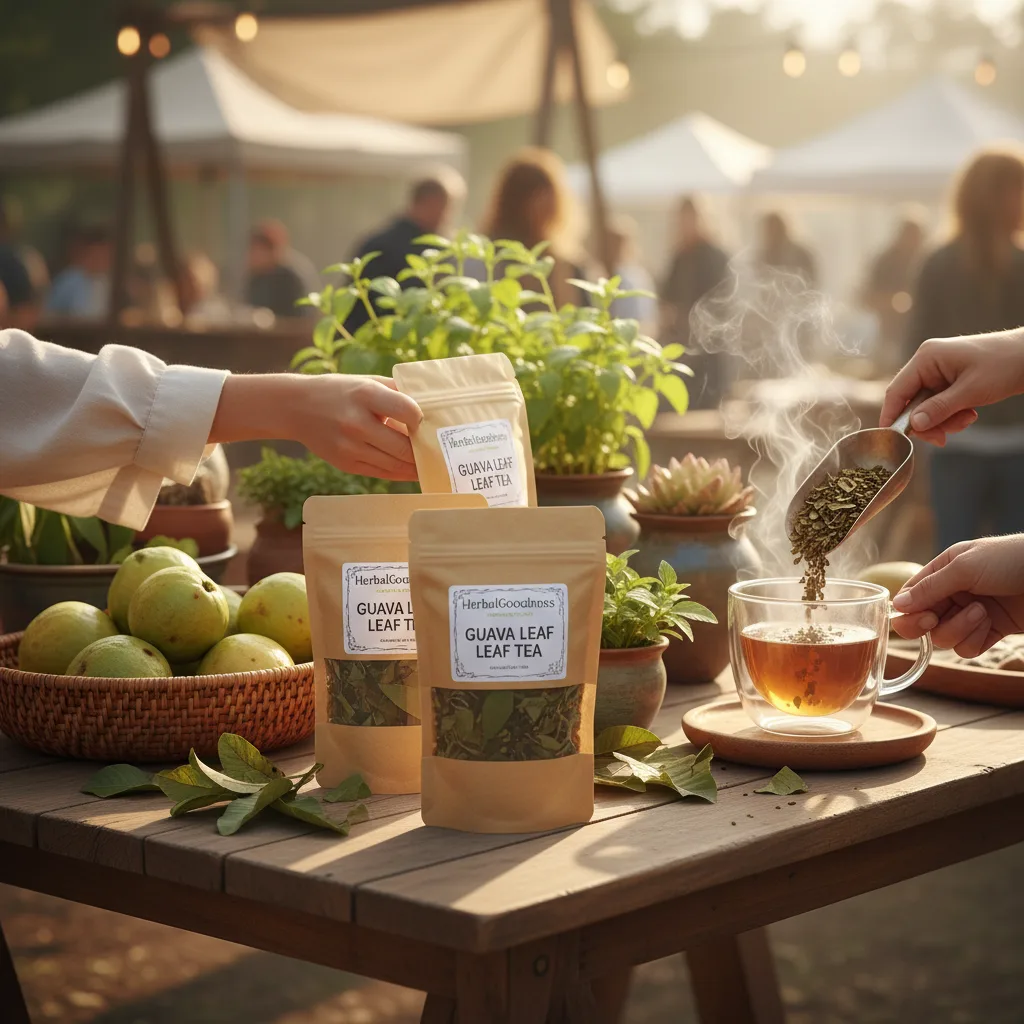
- Stand Up Pouches with Zippers: Food-grade kraft or compostable pouches with resealable closures protect against air and moisture while supporting multiple uses.
- Glass Jars for Local or Reusable Markets: Attractive but more breakable and heavier, prefer for refill models or customer returns.
- Paper Bags with Tabs: Affordable and compostable, suitable for quick turnover markets.
- Labels/Stickers: Use as few as needed for essential information.
If your market demands variety, Bulk Loose Leaf Teas & Tisanes - Organic 4oz - Herbal Wellness Teas allow sellers to package custom herbal tea pouches in addition to guava.
Hygienic Filling Techniques
- Cool, Dry Environment: Only package leaves completely cooled after drying.
- Don’t Overstuff: Leave room for air circulation within each pouch or jar.
- Glove Use: Food-grade gloves reduce direct contact.
Essential Label Elements for Small-Batch Guava Tea
Local markets require specific label details, both for transparency and compliance. Double check with local food business authorities but generally include:
- Product Name: E.g., Organic Guava Leaf Tea
- Weight/Volume: In ounces and grams
- Ingredient List: Essential for transparency (100% dried organic guava leaves)
- Producer Contact Info: Name, location, and a way to contact (email or phone)
- Batch/Lot Number: Helps track quality or issues
- Harvest & Packaging Dates: Highlights freshness
- Storage Instructions: E.g., “Store in a cool, dry place.”
- Allergen Notice (if relevant): Note if handled in facilities with common allergens
For first-time sellers, a simple, clear label is best. Handwritten or printable options are both acceptable at a small scale.

When to Check with Local Food Safety Regulations
Before selling to the public, review requirements with your local health department or agricultural extension. Regulations may differ by state/county, especially for herbal teas and loose-leaf products. Most agencies appreciate proactive communication and can offer guidance on:
- Permits and business licenses for food production
- Acceptable packaging materials
- Required labeling language
- Approved locations for drying and handling
If you anticipate growing your line, Bulk Herbs & Roots Online for Tea, Tinctures & DIY Wellness - Organic 4oz Bags support herbal start-ups with high-quality raw material sourcing.
Sourcing for Assurance
If you scale up, sourcing pre-printed pouches or using co-packaging/processing spaces (with food safety certification) can aid consistency and confidence in your product. Herbal Goodness research suggests building relationships with local agricultural support networks for ongoing guidance.
Final Sensory Quality Checks Before Selling
Before sealing or selling, use another round of sensory inspection on your dried leaves:
- Color Consistency: Uniform, vibrant green or olive tones
- Aroma: Fresh, unmistakably guava
- Texture: Crumbles easily but not pulverized
- Absence of Visible Dust/Debris: Quality is in the details
A clear-headed quality check means better customer experiences—and repeat buyers at market. Expand your offerings by combining products like Guava Leaf Organic 15X Liquid Extract | Immunity & Gut Wellness and Organic Papaya Leaf Tea | 24 Premium Bags – Caffeine-Free for an herbal tea collection that stands out.
Conclusion: Crafting Community Through Thoughtful Guava Leaf Tea Production
Transforming home-harvested organic guava leaves into tea for your local market can be rewarding and approachable. By focusing on the essential steps—smart harvest, attentive drying, careful packaging, clear labeling, and local regulatory consultation—you not only deliver quality but build trust in your community. Every step, from careful leaf selection to your final hand-labeled pouch, adds value and character unique to small-batch makers who care.
Frequently Asked Questions
Question 1: What is the best time to harvest guava leaves for tea?
Answer: The best time is early morning after dew has evaporated but before full sun, as this preserves the leaves' natural oils and aroma. For a convenient year-round alternative, check out Guava Leaf Tea Organic 24 Bags | Immunity & Gut Wellness – Caffeine-Free.
Question 2: How can I ensure my guava leaf tea is shelf-stable?
Answer: Thoroughly dry the leaves until they snap crisply and store them in resealable, low-waste packaging. For consistent quality, consider blending with teas like Organic Papaya Leaf Tea | 24 Premium Bags – Caffeine-Free.
Question 3: What should my guava tea packaging include for market sale?
Answer: Essential elements include product name, weight/volume, ingredient list, producer contact, batch number, harvest and packaging dates, storage instructions, and allergen notices if applicable.
Question 4: How do I keep guava leaves clean during drying?
Answer: Use breathable cloth or mesh covers to protect while allowing moisture exit, keep hands and tools sanitized, and avoid mixing batches until consistency is confirmed.
Question 5: Are there ready-made guava or similar herbal teas I can sell?
Answer: Yes, Guava Leaf Tea Organic 24 Bags | Immunity & Gut Wellness – Caffeine-Free and Herbal Tea Trio Bundle | Guava, Hibiscus & Avocado – 3 Organic Packs are perfect options for small sellers.
Question 6: Do I need special licenses or labels for selling guava leaf tea?
Answer: Yes. Consult local health authorities for food business licenses, approved packaging, and proper labeling—including storage directions and producer contact information.
Question 7: Can I source bulk herbs for additional blends with guava tea?
Answer: Absolutely. Bulk Loose Leaf Teas & Tisanes - Organic 4oz - Herbal Wellness Teas is ideal for creating diverse herbal blends to attract local customers.
Explore more guides and resources on crafting high-quality herbal teas with Herbal Goodness—connect your harvest to your local community with skill and care.
About the Author
Herbal Goodness Editorial Team
The Herbal Goodness Editorial Team specializes in holistic health and superfoods, blending science and nature to educate and empower our community.
References
Introducing Graviola to Young Taste Buds: Fun, Family-Friendly Flavor Exploration
Graviola in the Classroom and at Home: Creative Activities to Teach Kids About Tropical Plants
Why Social Impact Matters in Plant-Based Wellness
Share this
Popular posts


FAQs
1. What are the main benefits of drinking bamboo leaf tea?
Drinking bamboo leaf tea supports hydration, relaxation, skin wellness, and antioxidant balance.
2. What is bamboo leaf extract used for?
It’s used for general body wellness, skin elasticity, hair and nail support, and overall vitality.
3. Can bamboo leaf help with skin care and body wellness?
Yes, bamboo leaf is rich in silica and antioxidants, which promote healthy skin, strong nails, and a youthful glow.
4. What forms of bamboo leaf are available?
You can find dried bamboo leaf, powder, extract, drops, oil, and bamboo leaf green tea.
5. Are there any side effects of bamboo leaf?
Bamboo leaf is generally safe when consumed in moderation. Always consult your healthcare provider before starting any new herbal supplement.