





Why Oregano Oil Smells and Feels Different by Region

Why Oregano Oil Smells and Feels Different by Region
Have you ever uncapped a bottle of oregano oil and immediately noticed a bold, spicy fragrance—or perhaps a milder, earthier aroma? As you touch the oil, the sensation might be sharp, warming, or smooth, leaving some to wonder: why does oregano oil vary so much, especially depending on where it comes from? For curious shoppers, understanding these differences isn’t just about taste and scent—it's about appreciating the fascinating journey from wild Mediterranean hillsides or North American fields to the small bottle in your hand.
In this guide, we’ll unravel how factors like oregano species, growing climates, local traditions, harvest timing, and even the techniques used to extract the oil all influence how oregano oil looks, smells, and feels. Plus, you’ll discover practical sensory clues to help you compare oils in stores or online—empowering you as a mindful, informed shopper.
The Origins of Oregano: Regional Species and Their Influence
Oregano isn’t a single plant but a family of aromatic herbs. While its classic flavor and scent are famous in Mediterranean cooking, the exact species used for oil can vary considerably across regions.
Mediterranean Marvels vs. Global Varieties
- Origanum vulgare: The classic "true" oregano native to Europe and the Mediterranean. Renowned for its robust and spicy aroma.
- Origanum onites and Origanum heracleoticum: Cultivated mainly in Greece and Turkey, they have stronger, sometimes even peppery notes.
- Lippia graveolens (Mexican oregano): Actually related to verbena, offering citrusy, less pungent aromas.
- Other regional species: Varieties found in Central and South America or West Asia can contribute unique undertones, like camphor or mint.
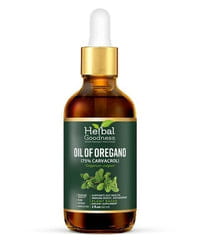
The specific species grown in a region will determine many aspects of the resulting oil, from scent intensity to flavor complexity. When comparing oregano oils, products such as the Oil of Oregano (75% Carvacrol) - 2oz Liquid - Immunity often list their botanical sources, helping you connect aroma to origin.
Climate: The Hidden Hand in Aroma and Strength
The climate and terrain where oregano grows add layers of character to each harvest. Just as wine’s "terroir" shapes its taste, factors like elevation, sunlight hours, and rainfall mold oregano oil’s sensory profile.
How Weather and Soil Shape the Experience
- Mediterranean climates: Dry, sunny summers yield more intense essential oils, concentrating spicy and herbal notes.
- Cooler, wetter climates: Oregano from places with mild summers may produce oil with subtler, green or grassy undertones.
- High-altitude fields: Plants grown higher up often have more concentrated aroma compounds, resulting in pungent, robust oils.
Even seasonal fluctuations—like an unusually rainy spring or a heatwave—can impact the balance of key aromatic compounds in the oil. Some shoppers seek out Black Seed Oil 8oz - Cold-Pressed Liquid - Immunity & Wellness for its robust profile, further illustrating how climate and craft shape oils across traditions.
Harvest Timing: Nature’s Clock and the Oil’s Potency
When farmers choose to harvest oregano is crucial. Much like timing a fruit at the peak of ripeness, oregano’s oil content and softness change rapidly through the growing season.
Early vs. Late Harvest
- Early harvests: Leaves are often more tender, giving oils that are lighter and sometimes greener in scent.
- Peak bloom: Harvesting during the full flowering stage typically results in oil that's richer, spicier, and more potent—the aroma you might recognize from premium Mediterranean oils.
- Late-season harvest: As the plant matures, oil concentration may decrease, and earthy or woody notes can appear.
Careful farmers time their harvests to capture the perfect aromatic complexity nature offers. For instance, brands transparent about their harvest practices, similar to those offering Papaya Leaf Extract - Organic 1oz 15X Liquid - Blood Platelet, often help you identify oils with peak potency.
Extraction Methods: From Ancient Traditions to Modern Craft
Once the fresh oregano is gathered, how the oil is extracted is a major influence on its final qualities. Traditional and modern extraction methods can bring out different aromas and textures.
Popular Extraction Techniques Explained
- Steam distillation: The most widely used for culinary and aromatic oils, this gentle process preserves the bright, spicy top notes.
- Cold pressing: Less common for oregano, but sometimes used in artisanal oils. This may yield a thicker texture and retain unusual undertones.
- Solvent extraction: Used in perfume industries, it can draw out complex bouquets but isn’t standard for culinary or supplemental oils.
- Infusion: Oregano is soaked in a carrier oil (like olive oil) for weeks. The result is usually softer, rounder, and less concentrated.

Both the choice of method and the equipment’s age and cleanliness can subtly alter aroma and texture. Enthusiasts comparing Oil of Oregano (75% Carvacrol) - 2oz Liquid - Immunity with other pure essential oils or infused blends can sometimes pick up on these differences right away.
Sensory Clues: How to Compare Oregano Oils Like a Pro
Even if you don’t visit the Mediterranean hills or aromatic fields yourself, there are tactile and aromatic hints in every bottle of oregano oil. Here’s how to evaluate them as a curious shopper:
1. Aroma (The Nose Test)
- Intense, sharp, spicy scent: Common in oregano oil from Greece, Turkey, and Italy, often a sign of high essential oil content.
- Milder, slightly floral or citrusy aroma: Can signal Mexican or wild varieties, or early harvest timing.
- Grassy, earthy, or woody notes: Frequently found in North American or late-harvest oregano oils.
Tip: If the aroma is faint, the oil may be diluted or derived from lower-quality leaves. At this stage, it's helpful to look for products with concentration details, much like the specificity found in Papaya Leaf Extract Blood Support - 10X 60/450mg Capsules - Blood Platelet.
2. Texture (The Touch Test)
- Thin, quickly evaporates: Indicative of pure essential oil, often produced through steam distillation.
- Slightly viscous or silky: Suggests blending with a carrier oil (like olive or sunflower); often labeled as "drops" or "infused."
- Very thick, sticky, or cloudy: Could mean the oil includes plant residues or is less filtered—common in craft or cold-pressed varieties.
Tip: True essential oil is highly concentrated and should feel very light. If it leaves a residue, check the label for added oils.
3. Color (The Visual Clue)
- Golden-yellow to deep amber: Steam-distilled, high-quality oils often show a clear, vibrant color.
- Pale or greenish: May be infusion-based, using olive oil or young leaves.
- Very dark or cloudy: Could indicate artisanal extraction or less filtering; not automatically lower quality, but worth investigating.
Tip: Natural color variations occur by region, but extremely dark or oddly colored oil may be a sign of poor handling.
Some pure oils, such as Oil of Oregano (75% Carvacrol) - 2oz Liquid - Immunity, provide details about their clarity and batch to reassure quality-conscious buyers.
Tales from Different Regions: What to Expect
Let’s summarize some typical regional distinctions, so you know what to look (and sniff) for during your next oregano oil adventure:
Greek and Turkish Oregano Oils
- Pungent, spicy, almost peppery aroma; high sharpness on the nose
- Light and quick-absorbing texture
- Often golden yellow in color
Italian Oregano Oil
- Robust but more balanced herbal scent, with hints of sweetness
- Smooth, lightweight feel
- Warm yellow hue
North American Oregano Oil
- Earthier, grassier aroma; sometimes a "green" freshness
- Mild, sometimes slightly heavier mouthfeel (if infused)
- May be lighter in color
Mexican Oregano Oil
- Distinctively citrusy and fresh, softer aroma
- Infusions often more viscous or silky
- Greenish-yellow tones
If you appreciate exploring diverse regional flavors and aromas, you might also enjoy herbal teas that showcase unique botanicals, such as Bamboo Leaf Tea – 24/1.5g Tea Bags - Nature's Collagen & Biotin, for an equally nuanced tasting experience.
The Role of Local Craft and Sustainable Harvest
In many regions, traditional growing and wildcrafting techniques are still handed down through generations. Ethical wild harvest ensures plant populations aren’t depleted, while small-scale producers may favor hand-harvest and slow extraction, yielding unique, batch-to-batch variations.
Supporting sustainable producers helps preserve these distinctive community traditions—and the naturally rich aromatic profile of regional oregano oils.
Sustainably harvested botanicals, as seen in products like Soursop Leaf Graviola Extract - - Organic 15X Liquid Extract - Cell Renew & Immunity, help protect the future of plant-based wellness.

How to Use Sensory Observations When Shopping
Even if you’re browsing online and can’t open the bottle, look for the following information:
- Species and origin specified ("Origanum vulgare from Crete" or "Mexican oregano oil")
- Method of extraction (steam-distilled essential oil, cold-pressed, or infused)
- Color and consistency described in product details
- Harvest time or batch number sometimes available from specialty producers
You can also check for reviews describing scent and texture, or look for brands that offer sample sizes, so you can compare before deciding. If quality assurance is key, consider options that provide batch transparency, similar to Papaya Leaf Extract Blood Support - Organic 1oz 15X Liquid Extract - Platelet Health.
Embracing the Rich Diversity of Oregano Oil
The next time you uncork a bottle of oregano oil, take a moment to explore its scent, texture, and color. Maybe this time it’s spicy and bold, recalling the sunbaked mountains of Greece—or perhaps it’s citrusy and mellow, echoing Mexican highlands. Each bottle is a story shaped by nature and careful human craft. For informed shoppers, paying attention to these sensory details is both a practical way to find quality and an enjoyable way to connect with cultures and landscapes around the world.
FAQs:
- What is the main factor affecting oregano oil's aroma?
Oregano oil's aroma primarily depends on the plant species used and the local climate where it is grown. Other strong influences include harvest timing and extraction method, which can enhance or mellow the oil's signature scent.
- How does the region impact oregano oil texture?
Regional growing conditions, such as soil and altitude, can subtly influence the oil's composition. However, texture is most affected by extraction method—pure essential oil feels light, while infused or cold-pressed oils may be thicker.
- Why does oregano oil color vary between brands?
Oil color is shaped by harvest timing, extraction method, and whether it's mixed with carrier oils. Steam-distilled oils tend to be golden, while infused or artisanal oils may be lighter, greener, or cloudier.
- How can shoppers evaluate oregano oil quality using their senses?
You can assess oregano oil by smelling for a robust, spicy aroma, examining its clarity and color, and rubbing a drop between your fingers to check texture. Labels detailing origin, species, and extraction method also provide quality clues.
- Does stronger scent mean higher quality oregano oil?
Not always. While a potent, fresh scent often means high concentration, variation is natural between regions and species. Some high-quality oils are milder due to their unique plant background or artisan extraction methods.
- What’s the difference between oregano essential oil and infused oil?
Essential oil is highly concentrated and steam-distilled from oregano, giving a sharp, intense aroma and very light texture. Infused oil is made by soaking oregano in a carrier oil, resulting in a milder aroma and silkier feel.
- Can I tell the origin of oregano oil just by its scent?
Scent can hint at the region or species, but it's not definitive. For example, Mediterranean oils are often spicier, while Mexican oils may smell citrusy. Comparing scents can be fun, but checking product details provides more certainty.
Author Name:
Herbal Goodness Editorial Team
Author Bio:
The Herbal Goodness Editorial Team specializes in holistic health and superfoods, blending science and nature to educate and empower our community.
References:
Oregano Oil vs. Black Seed Oil: Sensory & Sourcing Guide
A World Map of Adaptogenic Herbs: Origins & Traditions
Introducing Graviola to Young Taste Buds: Fun, Family-Friendly Flavor Exploration
Share this

Popular posts


FAQs
1. What are the main benefits of drinking bamboo leaf tea?
Drinking bamboo leaf tea supports hydration, relaxation, skin wellness, and antioxidant balance.
2. What is bamboo leaf extract used for?
It’s used for general body wellness, skin elasticity, hair and nail support, and overall vitality.
3. Can bamboo leaf help with skin care and body wellness?
Yes, bamboo leaf is rich in silica and antioxidants, which promote healthy skin, strong nails, and a youthful glow.
4. What forms of bamboo leaf are available?
You can find dried bamboo leaf, powder, extract, drops, oil, and bamboo leaf green tea.
5. Are there any side effects of bamboo leaf?
Bamboo leaf is generally safe when consumed in moderation. Always consult your healthcare provider before starting any new herbal supplement.