





US vs. India vs. Africa: Comparing Moringa Labels and Standards
Moringa extract is celebrated around the world for its versatile use in wellness products, but understanding the differences in product labeling, quality standards, and sourcing stories can be overwhelming for shoppers. Whether you’re browsing a U.S. health store, exploring an Indian market, or learning about African-grown moringa, each region brings its own approach to how moringa extract is labeled and sourced. This guide breaks down the essentials—without technical jargon or medical promises—so you can confidently compare moringa products across regions and make informed shopping choices.
Why Understanding Moringa Extract Labels Matters
Shoppers often face a maze of terms, seals, and claims when selecting moringa extract. Labels may look similar, but what they denote can be vastly different depending on where the product is produced and sold. By knowing what to look for, you can ensure your moringa purchase aligns with your values for quality, ethics, and transparency.
Moringa Labeling and Certification in the United States
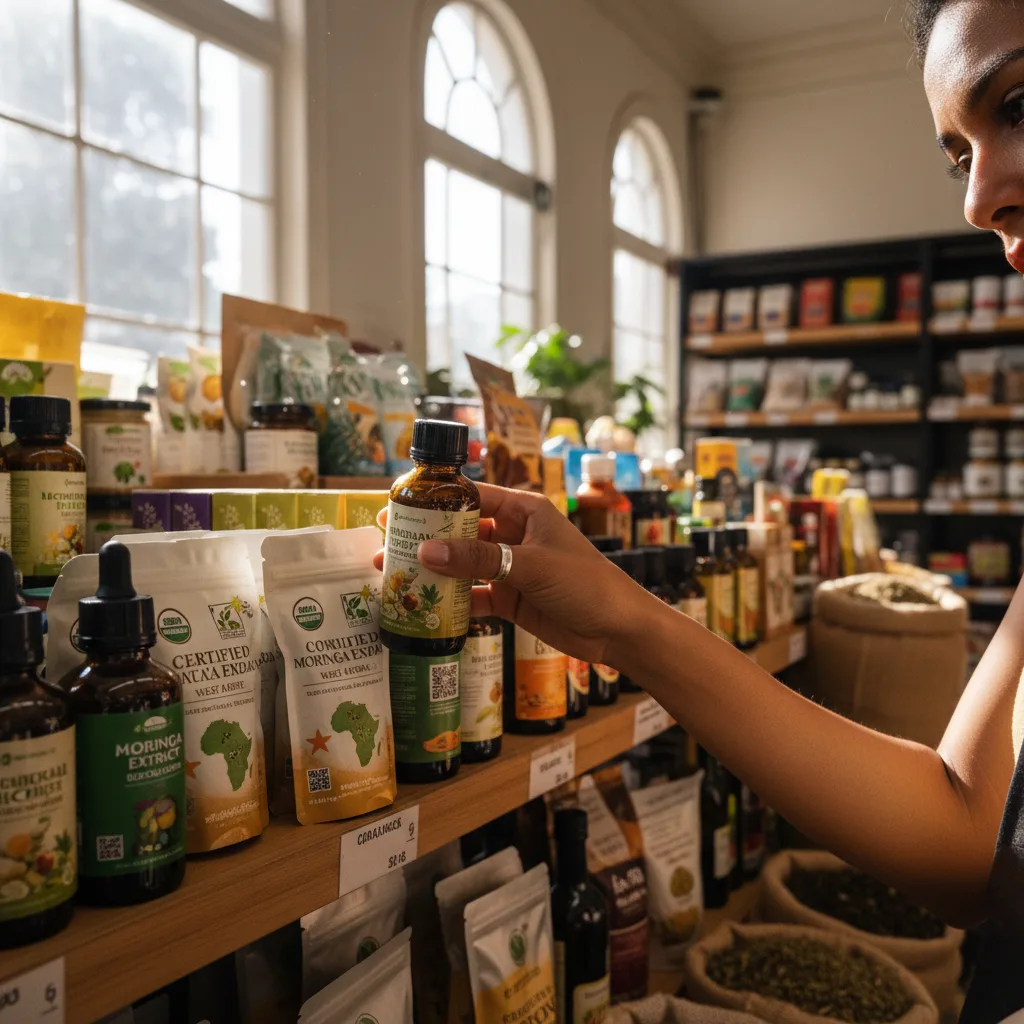
The U.S. consumer market is one of the most regulated in terms of dietary supplements, including moringa extract. Here’s what typically appears on a U.S. moringa label and what it means:
Certification Seals and What They Represent
- USDA Organic: Products with this seal are verified to be grown and processed under strict organic standards. It signifies no synthetic pesticides or fertilizers.
- Non-GMO Project Verified: Indicates that the moringa extract is not sourced from genetically modified crops.
- Good Manufacturing Practices (GMP): While not a consumer-facing seal, U.S. supplements must be manufactured in facilities that comply with FDA’s GMP regulations, ensuring consistency and safety.
- Third-Party Testing: Some labels show seals indicating testing by organizations like NSF or USP. This generally means the product's purity and ingredient accuracy have been audited.
For those who prioritize organic certification, you might consider the Moringa Leaf Extract 15X Liquid | Organic – Immunity & Total Wellbeing, which clearly highlights its organic status and thorough production standards.
Typical Label Language
- Supplement Facts Panel: Clearly lists active ingredients, serving size, and other components.
- Statements Regarding Use: Required disclaimer language (e.g., “This statement has not been evaluated by the FDA”) is present on non-medical products.
- Country of Origin: Authentic brands may note where the moringa is grown, which can help identify the source.
Whenever you look at the supplement facts panel, also ensure that the product origin is fully traceable. Products like Soursop Leaf Graviola Extract 15X Liquid | Organic Cell & Immunity list comprehensive ingredient and source information, which is key for making an informed choice.
Regulatory Approach
The U.S. Food and Drug Administration (FDA) oversees labeling but does not approve supplements before sale. Instead, it monitors for accurate labeling and safety compliance post-market. This makes additional third-party validations—such as those listed on Blood Platelet Support with Papaya Leaf | Organic 15X Liquid Extract—a valuable marker for quality-conscious consumers.
Moringa Sourcing and Label Practices in India
India is a leading global supplier of moringa extract, with a landscape shaped by local traditions and rapid market expansion:
Key Certification and Label Marks
- India Organic: A government-backed certification for organic products. While similar to USDA Organic, the criteria are established locally through India’s National Programme for Organic Production (NPOP).
- FSSAI License: The Food Safety and Standards Authority of India requires products like moringa extract to bear a mandatory FSSAI number, confirming they meet domestic food safety regulations.
- Ayurvedic References: Indian labels may reference traditional use or Ayurvedic benchmarks, reflecting cultural heritage rather than standardized analysis.
Common Label Elements
- Batch Number and Manufacturing Date: Details crucial for traceability and shelf-life assessment.
- Processing Method: Some labels specify if moringa is freeze-dried, air-dried, or liquid-extracted, each affecting taste and perceived quality.
- Sourcing Region in India: Reputable brands often spotlight the region (Tamil Nadu, Andhra Pradesh) to emphasize unique growing conditions.
<-- Cloudinary image insertion after 400+ words -->
Regulatory Environment
India has a structured, if evolving, approach to supplement oversight through both FSSAI and Ministry of AYUSH for traditional products. However, enforcement consistency can vary, so label transparency is especially valuable.
When shopping for moringa extract sourced from India, reviewing the batch number and the processing method helps you judge product freshness and efficacy. Similar diligence is advised if you’re choosing other botanicals, such as the Organic Papaya Leaf Extract 16oz | 15X Liquid – Best Value Size, which emphasizes these label details for customer assurance.
African Moringa: Sourcing Stories and Emerging Standards
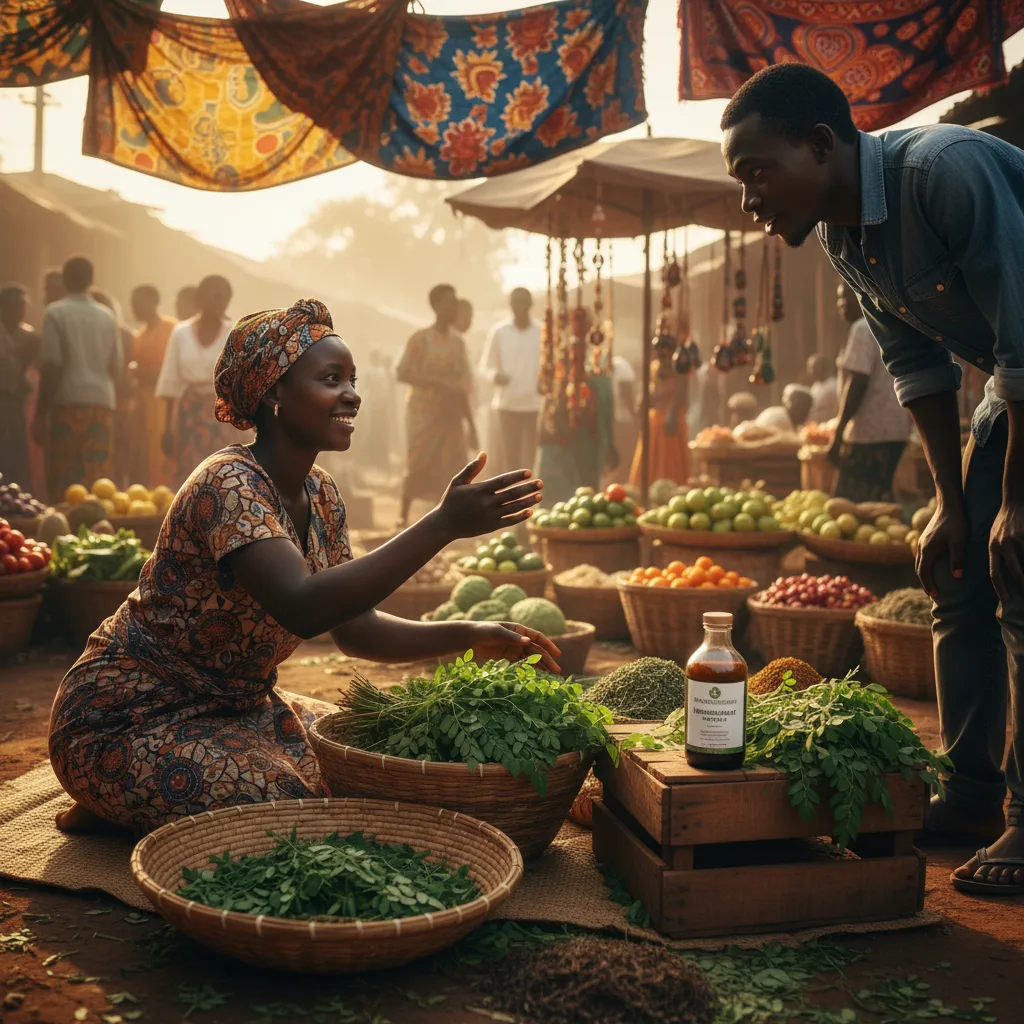
Africa, especially West and East Africa, is rapidly increasing its moringa production and export. Here’s how African-sourced moringa extract typically appears in the marketplace:
Certification Pathways
- ECOCERT Organic: Many African producers seek this internationally recognized certification for organic farming, which is respected in both local and global markets.
- Fair Trade Certifications: Some moringa products will display the Fairtrade or similar seals, signaling an ethical supply chain and community investment.
- Local Government Approvals: In export-focused regions like Ghana and Kenya, moringa extract often carries documented approval or permit numbers for traceability.
Label Characteristics
- Harvest and Processing Date: Labels may feature direct information about when the moringa leaves or seeds were harvested and processed, highlighting freshness.
- Producer or Cooperative Info: Community-driven sourcing stories are common, often including information about local women’s cooperatives or sustainability initiatives.
- Export Certification Numbers: Especially for products entering the U.S. or EU, numbers confirming export eligibility may be shown.
For added transparency and traceability in African moringa, international certifications are common—qualities also often found in products such as Raw Sea Moss 8oz Bag | St. Lucia Wildcrafted – Nature's Multivitamin, where detailed origin and sustainability stories set them apart.
Regulatory Perspective
While some African countries are still developing standardized frameworks, top exporters prioritize international certifications to assure buyers of product quality and integrity.
How Label Language Differs by Region
Though every reputable moringa product label should offer clarity and transparency, the wording and focus can be quite distinct:
- US labels concentrate on supplement facts, transparency, and claims limited by FDA regulations.
- Indian labels may integrate references to Ayurvedic heritage, region-specific growing conditions, and FSSAI compliance.
- African labels often highlight harvest conditions, social impact, and global certifications as a mark of export readiness.
Shoppers should always interpret claims like "100% Pure" or "Premium Grade" through the lens of regional standards—such terms can mean different things from one country to the next.
Questions to Ask When Comparing Moringa Extract Across Regions
To assist in decision-making, here are a few simple questions shoppers can use:
- What certifications does this product carry?
- Where was the moringa grown and processed?
- What processing method is used (powder, liquid extract, capsule)?
- Is the product batch-tested or third-party verified?
- Are the producers part of a cooperative or fair-trade initiative?
- Is the expiry or harvest date clearly stated?
Asking these questions helps you move beyond packaging and understand the story behind your moringa extract—key for quality and personal confidence.
Practical Ways to Compare Moringa Extract Labels and Sourcing Stories
With regional differences in mind, here’s a step-by-step way to compare moringa products as a practical, globally curious shopper:
Step 1: Scan for Recognized Certifications
If you value organic practices, look for seals like USDA Organic, ECOCERT, or India Organic. These show a level of oversight. For community-minded shoppers, Fair Trade or cooperative affiliation on the label is a meaningful mark. Similarly, products such as Moringa Leaf Extract 15X Liquid | Organic – Immunity & Total Wellbeing and Blood Platelet Support with Papaya Leaf | Organic 15X Liquid Extract highlight robust verification and sustainable sourcing.
Step 2: Check the Ingredient List and Processing Details
A quality moringa label should state whether you’re buying pure extract, leaf powder, seed oil, or a blend. Specifics on how the product is processed (e.g., cold-pressed, air-dried) can hint at what’s inside. For example, the Organic Papaya Leaf Extract 16oz | 15X Liquid – Best Value Size illustrates the significance of detailing processing method and composition.
Step 3: Confirm Origin and Traceability
Knowing where moringa comes from (country, region, or even village) helps you evaluate the story and supply chain ethics, especially in Africa and India where community sourcing is integral. Products like Raw Sea Moss 8oz Bag | St. Lucia Wildcrafted – Nature's Multivitamin and Moringa Leaf Extract 15X Liquid | Organic – Immunity & Total Wellbeing are transparent about their origin and harvesting.
Step 4: Look for Batch Numbers and Test Results
Batch numbers, test certificates, or third-party validations are signs of transparency and traceability—features that can signal quality management regardless of region. These details are commonly seen on trusted supplements, similar to Blood Platelet Support with Papaya Leaf | Organic 15X Liquid Extract.
Step 5: Evaluate Label Clarity and Language
Labels that are clear, consistent, and easy to read reflect a brand's commitment to honest communication. Watch for overly broad claims and ensure the label aligns with the region’s common practices.

Cultural and Ethical Considerations
Each region’s approach to growing, labeling, and selling moringa extract is shaped by local traditions, value systems, and economic realities. US brands may emphasize laboratory standards; Indian suppliers may integrate cultural reverence; African sources may highlight empowerment and direct trade. Understanding these nuances lets you select moringa extracts that reflect your own priorities—be that sustainability, fair participation, or traditional roots. Responsible choices also extend to related botanicals, such as seeing how Organic Papaya Leaf Extract 16oz | 15X Liquid – Best Value Size or Soursop Leaf Graviola Extract 15X Liquid | Organic Cell & Immunity ethically detail their production journeys.
Summary: Key Takeaways for Moringa Shoppers
- The meaning of certification seals and label terms can vary by country.
- Ask practical questions about sourcing, processing, and authenticity, especially for international products.
- Understanding the origin, processing, and standards in each region allows for confident, values-driven choices when selecting moringa extract.
- As the global moringa market evolves, transparency and traceability are increasingly prioritized, making it easier for shoppers to make informed decisions.
Moringa’s journey from local farms to your home is a story shaped by geography, culture, regulations, and ethics. With these regional insights, you’ll be able to decode your next moringa label, wherever it’s from, with confidence and curiosity.
Frequently Asked Questions
Question 1: How do I know if a moringa extract is truly organic?
Answer: Look for official seals on the label like USDA Organic, ECOCERT, or India Organic depending on the region. Products like the Moringa Leaf Extract 15X Liquid | Organic – Immunity & Total Wellbeing feature this certification clearly.
Question 2: What label details should I check for quality assurance?
Answer: Review the supplement facts panel, origin country, batch number, and any third-party validation. The Blood Platelet Support with Papaya Leaf | Organic 15X Liquid Extract highlights these for transparency and traceability.
Question 3: Are there different standards for moringa extract in the US, India, and Africa?
Answer: Yes. Labels in the US often focus on supplement facts and FDA-compliant claims, Indian labels may add Ayurvedic details and FSSAI numbers, and African products highlight social impact and certifications like ECOCERT. Transparency in products such as Raw Sea Moss 8oz Bag | St. Lucia Wildcrafted – Nature's Multivitamin is a good model.
Question 4: Why is batch testing and third-party validation important for moringa extract?
Answer: These steps provide added assurance of purity and accurate labeling. Referencing a product like Soursop Leaf Graviola Extract 15X Liquid | Organic Cell & Immunity can help you understand the types of testing and validation available.
Question 5: How can consumers compare moringa extract label clarity across brands?
Answer: Look for crisp language, ingredient transparency, and clear certification seals. Products such as Organic Papaya Leaf Extract 16oz | 15X Liquid – Best Value Size make their sourcing and processing methods easy to find.
Question 6: Does processing method affect moringa extract quality?
Answer: Yes, methods like freeze-drying or liquid-extract can influence the nutrient integrity. Always check for processing details on trusted labels, similar to those of Blood Platelet Support with Papaya Leaf | Organic 15X Liquid Extract.
Ready to take the next step on your global moringa journey? Use what you’ve learned to review labels and ask the right questions, so every moringa extract purchase is an informed, values-based choice.
About the Author
Herbal Goodness Editorial Team
The Herbal Goodness Editorial Team specializes in holistic health and superfoods, blending science and nature to educate and empower our community.
References
Moringa Extract Shopping Guide: Compare Ratios, Potency & Cost
How to Find Moringa Extract Near Me Using Your Phone
Where to Find Moringa Near You: Culinary vs. Supplement Products


FAQs
Drinking bamboo leaf tea supports hydration, relaxation, skin wellness, and antioxidant balance.
It’s used for general body wellness, skin elasticity, hair and nail support, and overall vitality.
Yes, bamboo leaf is rich in silica and antioxidants, which promote healthy skin, strong nails, and a youthful glow.
You can find dried bamboo leaf, powder, extract, drops, oil, and bamboo leaf green tea.
Bamboo leaf is generally safe when consumed in moderation. Always consult your healthcare provider before starting any new herbal supplement.