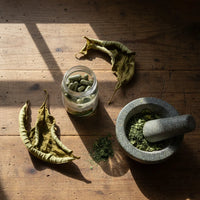
Understanding Papaya Leaf Forms in Research: Teas, Extracts, Powders, and Platelet Measures

Papaya leaf has long captured the interest of scientists, wellness enthusiasts, and those interested in botanical research. When reading newspaper headlines, product labels, or ingredient lists, it's common to see various forms of papaya leaf highlighted for their relevance to scientific observations about platelets. Teas, tinctures, powders, extracts, capsules, and even juices each represent different preparation methods, and the way each is processed can affect what compounds researchers track in studies. Understanding the nuances behind these forms, how they appear in the scientific literature, and the practical questions readers should consider can lead to more informed decisions—without relying on technical or medical language.
Exploring the Most Common Papaya Leaf Preparations in Research
Papaya leaf is available in several different preparations, each with its own processing method and chemical composition. Scientific and observational studies often focus on specific forms, depending on the compounds they're interested in measuring and the practicalities of standardization. Here’s a closer look at the most common papaya leaf preparations featured in research concerned with platelet-related measures:
Fresh Papaya Leaf Juice
Fresh juice is made by crushing or blending raw papaya leaves and extracting the liquid. This preparation is closest to the plant’s natural state and is featured in some studies due to the presence of water-soluble compounds. Researchers may select fresh juice for experiments that seek to analyze the full spectrum of phytochemicals, although the composition can vary based on how the leaves are sourced and processed. Fresh juice is highly perishable, which influences both its popularity in studies and its shelf life for consumer products.
Key Considerations:
- Contains water-soluble compounds
- Expiration is faster than other forms
- May vary significantly depending on how leaves are harvested
Dried Papaya Leaf Tea
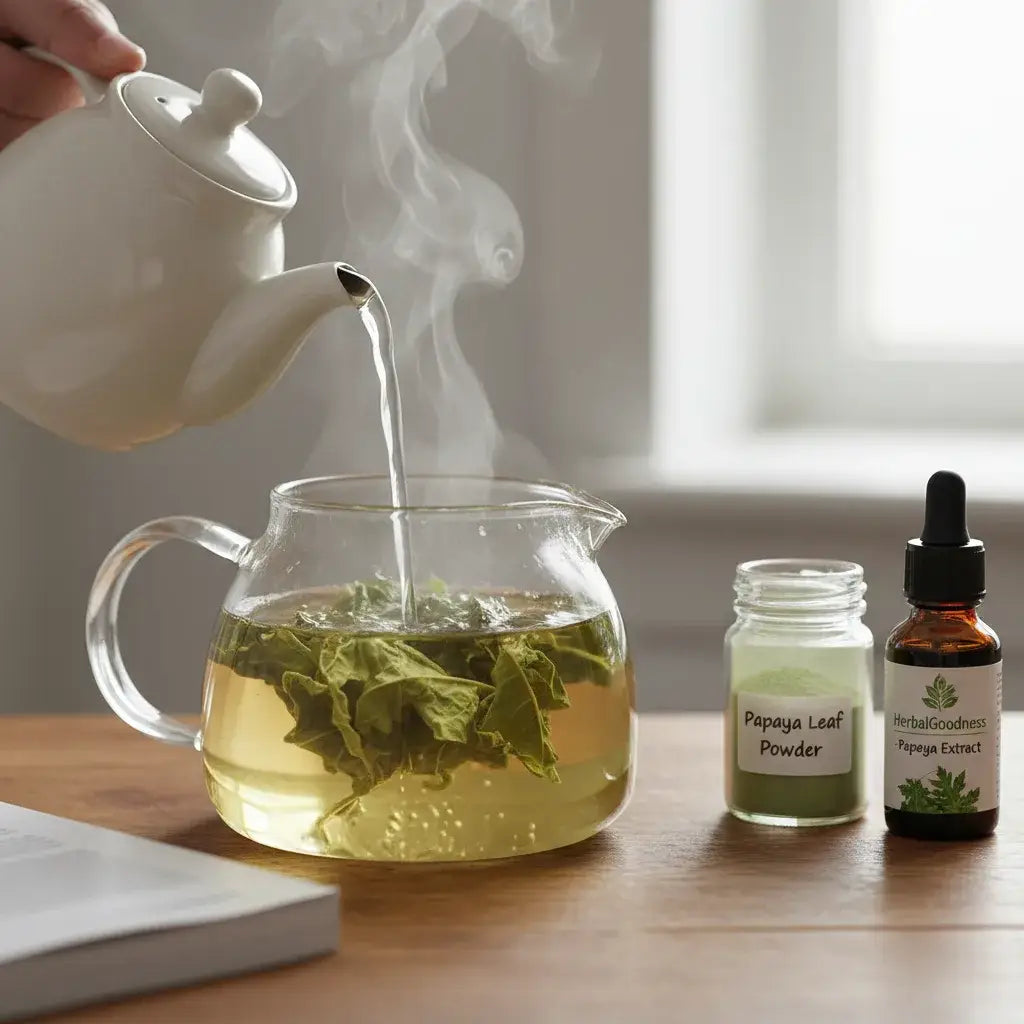
One of the most accessible forms, dried papaya leaf is typically brewed like a traditional tea. The drying process removes moisture, which helps concentrate certain constituents while possibly degrading others due to heat or oxidation. Teas used in research may involve steeping dried leaves in boiling water, with variables such as temperature, duration, and leaf size impacting the concentration of botanical compounds measured. For those seeking convenient access to this preparation, Papaya Leaf Tea - Organic 24/2g Tea Bags offers a standardized format that is easy to use and store for everyday wellness routines.
Key Considerations:
- Physical preparation can alter compound availability
- Steeping methods influence results in the lab
- Easier long-term storage compared to fresh leaf
Alcohol-Based and Alcohol-Free Extracts (Tinctures)
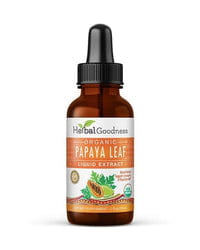
Extracts and tinctures are concentrated forms where papaya leaf is soaked in alcohol or water-glycerine mixtures to isolate certain constituents. Alcohol-based extracts often retain different phytochemicals compared to non-alcoholic ones due to their variable solubility. These forms are popular in controlled trials because researchers can standardize dosage and yield concentrations for testing. When searching for a reliable, research-focused option, Papaya Leaf Extract - Organic 1oz 15X Liquid - Blood Platelet provides a liquid extract formulated to meet specific concentration needs.
Key Considerations:
- Alcohol vs non-alcohol solvents extract different compounds
- Standard dose makes research comparison easier
- Often more shelf-stable
Papaya Leaf Powders
Powdered papaya leaf is typically produced by air-drying or freeze-drying the leaves and grinding them into a fine consistency. Powders are easy to blend into foods or encapsulate, and are sometimes used directly in laboratory settings for their convenience in measuring fixed dosages. Processing temperature, exposure to light, and duration can all influence the powder’s chemical profile. In practical terms, many choose encapsulated forms of papaya leaf powders, such as Papaya Leaf Extract Blood Support - 10X 60/450mg Capsules - Blood Platelet for predictable dosing focused on blood platelet support.
Key Considerations:
- Shelf-stable and easy to dose
- Heat and light can influence compound retention
- May be added to foods or drinks
Papaya Leaf Capsules
Capsules generally contain dried or powdered leaf, sometimes mixed with binders or flowing agents. They're attractive in both research and practical settings for their consistent dosage. However, what’s inside the capsule can vary—some may feature whole-leaf powder, while others may contain extracts, which can affect both the concentration and variety of measured compounds. Consistency in dosage is a key benefit, evident in products like Papaya Leaf Extract - Capsules 600mg - 10X Strength, which support both research protocols and consumer needs.
Key Considerations:
- Precise and convenient dosing
- Capsule contents and processing methods vary
- Useful in studies needing dosage accuracy
How Preparation Influences Research Findings on Platelet Measures
It’s important to note that papaya leaf’s chemical makeup changes significantly depending on processing and preparation. The same leaf can deliver dramatically different compound profiles depending on whether it’s used fresh, dried, extracted in alcohol, or ground into a powder. This diversity matters to researchers, especially when measuring platelet-related values in laboratory or observational settings. The choice of form can shape which botanical constituents are present at measurable levels, thus influencing study results and conclusions.
Solubility and Heat Sensitivity
- Water-Based Preparations: Teas and juices extract water-soluble compounds. Some antioxidants and phytoconstituents dissolve well in water, but others might not, meaning tea or juice won't capture the full spectrum found in the fresh leaf. Those wanting a high degree of consistency can look into standardized preparations such as Papaya Leaf Extract Blood Support - Organic 1oz 15X Liquid Extract - Platelet Health.
- Alcohol or Solvent Extracts: Alcohol can draw out a different set of constituents, including some fat-soluble and complex molecules not easily extracted in water.
- Heat Sensitivity: Preparation methods involving high heat (like boiling for tea) may degrade delicate molecules or convert them into other compounds, potentially altering what’s measured in the lab.

Standardization and Dosage Consistency
Researchers often seek preparations where the amount and type of botanical component is easy to control:
- Extracts and capsules allow measurable, standardized dosing. Blood Platelet Plus - 60/600mg 20X Strength Capsule - Platelet Boost is designed specifically for those interested in controlled support for platelet health.
- Fresh juice and teas can be variable based on preparation method and leaf size.
- Some studies specify preparation details (e.g., how long a tea is steeped) to help ensure clarity and repeatability.
Common Laboratory Methods for Platelet-Related Studies
When reviewing research involving papaya leaf, different study methods are applied to examine how the plant interacts with the body’s normal platelet processes. While the article avoids technical specifics, it's helpful to recognize what procedures might be referenced and the practical impacts:
Basic In Vitro Approaches
In vitro studies often use prepared extracts, juices, or powders added to lab samples. These controlled environments let researchers observe how compounds might interact with biological samples outside the body, providing insights into basic mechanisms.
Standardized Human or Animal Observations
Some observational studies use capsules or prepared teas given under specific conditions, allowing for measurements that can be compared within and across trials.
Analytical Chemistry
Techniques such as chromatography and spectroscopy may be used to identify and quantify key papaya leaf constituents present in the preparation (such as specific enzymes, antioxidants, or micronutrients relevant to platelet measures). These methods help correlate preparation methods with observed laboratory outcomes.
Practical Questions: How to Read Labels and Headlines with Confidence
With growing mainstream interest in papaya leaf products, reading labels and interpreting headlines about their studied properties requires a critical, practical approach. Consider these key questions each time you encounter claims tied to papaya leaf and platelet measures:
What Type of Papaya Leaf Preparation Is Referenced?
Ask whether the headline, label, or study refers to juice, tea, extract, powder, or capsule. Each form contains a unique concentration and range of botanical constituents due to different processing methods. If you’re looking for a clear starting point, Papaya Leaf Extract - Organic 16oz 15X Liquid Extract provides a prominent example of a well-defined, liquid papaya extract referenced in research and wellness settings.
How Is the Preparation Produced?
Pay attention to preparation details. For example:
- Was the extract made with alcohol or water?
- Were the leaves air-dried, freeze-dried, or heat-dried?
- Was the tea brewed from whole leaves or powder? These subtle details can influence both the chemical makeup and how the leaf's components appear in research findings.
What Details Are Provided About Standardization?
Look for information about standardization, dosage, or ingredient concentration. Products and studies that clearly specify these details allow for better apples-to-apples comparisons. In the marketplace, formulations discussed in the context of platelet support, like Blood Platelet with Papaya Leaf - Organic 1oz 15X Liquid Extract - Platelet & Bone Marrow, indicate clear quality measures.
Are the Results From Lab, Animal, or Human Studies?
Find out if conclusions referenced are based on laboratory (in vitro), animal, or human studies. Each setting offers a different degree of relevance in translating findings to real-world use.
How to Approach Papaya Leaf Research as a Savvy Reader
Given the multitude of preparation types and research approaches, readers can empower themselves to:
- Compare forms and dosages referenced in studies to those found in commercial products. Choosing scientifically-supported options such as Papaya Leaf Extract 10X - 600mg Capsule - Platelet & Digestive Aid may help bridge lab findings to practical wellness applications.
- Recognize that differences in preparation may lead to different study outcomes—and not all forms are interchangeable.
- Seek trustworthy sources that clearly state how papaya leaf products are processed and standardized.
Engaging thoughtfully with research, labels, and media headlines ensures a deeper understanding and more confident decisions about papaya leaf—especially in the context of studies mentioning platelet measures. By knowing what forms researchers actually use and what methods are applied to measure their contents, consumers, healthcare professionals, and curious readers alike can navigate information more effectively.
FAQs:
- What forms of papaya leaf are most frequently used in platelet-focused studies?
The most commonly studied forms include fresh papaya leaf juice, dried leaf tea, alcohol-based extracts (tinctures), alcohol-free extracts, powders, and capsules. Each preparation method is chosen based on its chemical profile and relevance to the research question.
- How does the preparation method affect the compounds in papaya leaf?
Preparation methods like drying, steeping, or extracting with alcohol influence which compounds are present. Some components are sensitive to heat, light, and extraction solvents, leading to variations in the botanical makeup measured by researchers.
- Why do researchers use standardized extracts or capsules?
Standardized extracts and capsules provide consistent dosages, making it easier to compare results within and across studies. This helps ensure clarity and reproducibility of results when studying platelet measures.
- Does dried papaya leaf tea offer the same composition as fresh juice?
No. While both contain beneficial botanicals, fresh juice preserves more volatile and heat-sensitive compounds, while dried tea may lose some of these due to processing.
- What details on labels or studies should I look for about papaya leaf preparation?
Look for any mentions of the preparation type, drying technique, solvent used for extracts, standardization, and dosage. These aspects clarify what constituents are likely present.
- Is there a difference between alcohol-based and alcohol-free papaya leaf extracts?
Yes. Alcohol-based extracts generally isolate a broader range of compounds compared to alcohol-free versions, which tend to focus on water-soluble constituents.
Author Name:
Herbal Goodness Editorial Team
Author Bio:
The Herbal Goodness Editorial Team specializes in holistic health and superfoods, blending science and nature to educate and empower our community.
References:
Introducing Graviola to Young Taste Buds: Fun, Family-Friendly Flavor Exploration