Understanding Oil of Oregano Potency: Botanical Factors That Matter

Oil of oregano is celebrated for its remarkable aromatic strength, earthy flavor, and presence in kitchens and wellness traditions worldwide. Yet, anyone who has browsed different oregano oils knows that not all bottles are equal. Some smell more robust, have a distinct sharpness, and highlight high concentrations of compounds like carvacrol and thymol. What determines these differences? This guide unpacks the key botanical, agricultural, and processing factors behind oregano oil's strength, equipping curious readers with the context to understand what 'potency' really means on those product labels and ingredient stories.
Exploring the Main Compounds: Carvacrol and Thymol
At the heart of oregano oil's strength are two core natural compounds: carvacrol and thymol. These are phenolic substances, both found all across the Origanum genus, but their proportions can vary dramatically.
What Are Carvacrol and Thymol?
Carvacrol is the dominant compound associated with oregano's intense aroma and notable heat. Thymol, found in both oregano and thyme, brings a slightly milder, herbal complexity. The combined concentration of these substances greatly determines an oil's overall strength.
- Carvacrol: Responsible for a hot, peppery edge
- Thymol: Delivers a smooth, herbal note
Why Do Their Levels Matter?
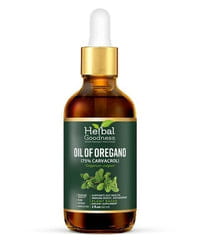
The ratio and total quantity of carvacrol and thymol influence the sensory experience (aroma, taste) and many traditional uses. The higher these levels, the more pronounced the oil's flavor and scent. Consumers seeking especially strong oregano oil should look for products, such as Oil of Oregano (75% Carvacrol) - 2oz Liquid - Immunity, which disclose high percentages of these vital compounds.
Oregano Species and Cultivars: Not All Oregano Is the Same
Major Species Used for Oil of Oregano
Oregano isn’t a single plant, but a family with multiple species and dozens of cultivars. The most frequently harvested for oil production are:
- Origanum vulgare (Wild Oregano): Often boasts the highest carvacrol levels
- Origanum onites: Noted for both carvacrol and thymol
- Origanum minutiflorum: Known for concentrated oils
The right species—combined with traditional knowledge—often yields the most robust oil, but cultivars within each species matter, too. When evaluating various oils, you’ll notice that premium choices, like Oil of Oregano (75% Carvacrol) - 2oz Liquid - Immunity, often specify the species and even the harvest batch, giving you clues about both makeup and potency.
Cultivar Selection Effects
Plant breeders may select for specific oil characteristics. Some cultivars are prized for their distinctive aromatic profile or higher yields of phenolic components. Even within a species, different cultivars may result in an oil with drastically different potency. In the world of functional botanicals, similar attention to cultivar and extraction is seen in products like Black Seed Oil 8oz - Cold-Pressed Liquid - Immunity & Wellness, where the chosen variety plays a key role in its health profile.
Agricultural Factors Shaping Oregano Oil Potency
Influence of Soil Quality
Soil composition—the balance of minerals, organic matter, and moisture—directly shapes a plant's aromatic profile. Oregano plants grown in mineral-rich soils often display more concentrated essential oils. For instance, many Mediterranean farms optimize not only mineral content but also drainage, leading to superior oregano crops just as select regions cultivate Soursop Leaf Graviola Extract - - Organic 15X Liquid Extract - Cell Renew & Immunity for maximum plant benefits.
- Sandy, well-drained soils: Encourage stronger oil development
- High-nutrient soils: May shift the balance between carvacrol and thymol
Climate and Growing Region
Terroir, the environmental context of where oregano is grown, can have a significant effect on oil potency. Plants exposed to more sun, warmth, and lower rainfall develop different oil profiles than those in cooler or wetter regions.
- Mediterranean climates: Traditionally yield oils rich in carvacrol
- High-altitude regions: May concentrate certain aromatic molecules due to unique temperature patterns
As with oregano, plant sourcing and climate are also critical in herbs like sea moss, featured in Sea Moss - Raw Dried from St Lucia - 8oz Bag - Nature's MultiVitamins, where regional waters impart mineral differences.
Harvest Timing: Catching the Peak
There is a critical link between the stage of growth at harvest and the resulting oil’s concentration and composition. Strategic harvesting ensures peak levels of key actives.
- Flowering Stage: Oregano harvested at full bloom often contains peak levels of carvacrol and thymol
- Pre-bloom or late-harvest: May produce milder, less concentrated oils
Growers and producers may time harvests carefully to maximize the desired aromatic content, just as optimal leaf harvest times enhance the value of extracts used for cell and immune support.
Processing Methods: Preserving and Concentrating Potency
Extraction Techniques
Getting concentrated oil from oregano leaves and flowers is both an art and a science. The most common method is steam distillation, where steam ruptures plant cells and collects the volatile essential oil.
- Steam Distillation: Most effective at preserving a full spectrum of volatile compounds
- Cold Press or Solvent Extraction: Less common, can yield different aromatic profiles
Each method, temperature range, and distillation length influences the resulting oil’s potency and the proportion of key compounds. Those looking for reliably potent, carefully processed oils should look for brands committed to similar standards as those observed in Oil of Oregano (75% Carvacrol) - 2oz Liquid - Immunity.
Storage and Handling: Potency Doesn’t Always Last
Oil of oregano is sensitive to both light and air. Producers who store oil in dark glass bottles and minimize air exposure are best able to maintain high levels of the most desirable compounds.
- Exposure to Light/Air: May cause gradual decline in carvacrol and thymol
- Cool, Dark Storage: Extends the oil's aromatic vibrancy
The importance of correct storage can be seen across many potent plant extracts, such as those bottled as Soursop Leaf Graviola Extract - - Organic 15X Liquid Extract - Cell Renew & Immunity.
Reading Oregano Oil Labels Like a Pro
What “High Potency” Really Means
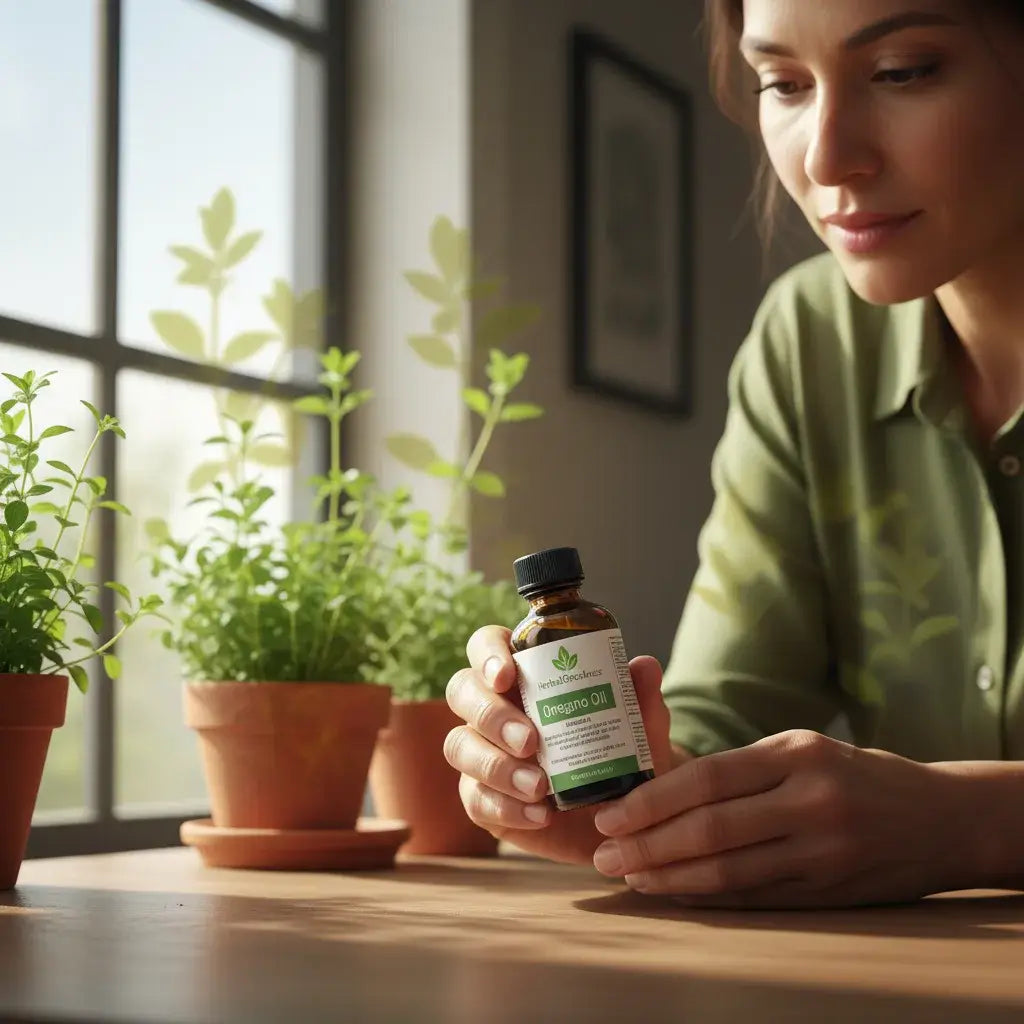
Not all claims of “high potency” are created equal. Typically, this label signals that a bottle contains oil with an especially high carvacrol (and, ideally, thymol) percentage.
- Check the numbers: A transparent brand lists actual percentages of carvacrol and thymol
- Know your needs: Some uses may call for a more aromatic, punchy oil, while others may require a gentler touch
The Source Story
Reading beyond the label is key. Brands that share details on plant source, growing region, and harvest or extraction method provide deeper insight into what makes their oil unique. A closer examination of these details for Oil of Oregano (75% Carvacrol) - 2oz Liquid - Immunity can help you gauge both potency and heritage.
Factors Creating Natural Variation: Expect Differences
The world of oregano oil is complex and naturally variable. Even two plants of the same species, grown in neighboring fields, can yield oils of noticeably different strength. Fluctuations in rain, sun, soil nutrients, and even small shifts in harvest timing result in ever-changing essential oil profiles. This inherent diversity is reminiscent of the harvest variability found in premium whole-leaf botanicals, such as Sea Moss - Raw Dried from St Lucia - 8oz Bag - Nature's MultiVitamins.
Embracing Plant Diversity
This variability isn’t a flaw—it’s the signature of natural agriculture. When you notice subtle differences between bottles, remember that these reflect the nuanced world of plant chemistry and the expertise of growers and producers.

How to Choose Oil of Oregano With Confidence
- Start with transparency: Seek out oils with clear information on botanical source and percentage of active compounds, such as those featured with Oil of Oregano (75% Carvacrol) - 2oz Liquid - Immunity.
- Ask about processing: Inquire how the oil is produced and stored for peak aromatic strength, and consider high standards also seen in Black Seed Oil 8oz - Cold-Pressed Liquid - Immunity & Wellness.
- Review harvest and growing region: Oils from traditional Mediterranean climates, harvested at peak bloom, are often prized among enthusiasts for their full bouquet. If you’re interested in exploring botanical potency more broadly, examine product details in Soursop Leaf Graviola Extract - - Organic 15X Liquid Extract - Cell Renew & Immunity.
- Respect the journey: Understand that natural oils vary from batch to batch; celebrating those differences can be part of the enjoyment.
The Takeaway: Potency Is a Spectrum Influenced by Nature and Tradition
The strength of oil of oregano isn’t random or solely based on marketing—it’s the result of a complex interplay between species, growing region, harvest timing, soil, extraction, and storage. With this understanding, you can better interpret labels and sources, and appreciate the vibrant diversity that makes each bottle unique.
FAQs:
- What makes some oil of oregano stronger than others?
The strength of oil of oregano is primarily determined by the concentration of key aromatic compounds, especially carvacrol and thymol. Factors such as plant species, soil quality, climate, harvest timing, and processing methods all play a significant role in shaping the final potency of the oil.
- Are there specific oregano species best for potent oil production?
Yes, Origanum vulgare, Origanum onites, and Origanum minutiflorum are commonly considered top species for producing robust oils high in carvacrol and thymol. Even within these species, different cultivars may impact oil strength.
- How do processing and storage affect oregano oil’s strength?
Oregano oil strength can decline if exposed to light or air during storage. Properly processed and stored oils—typically using steam distillation and dark bottles—help maintain the vibrancy and concentration of active compounds like carvacrol and thymol.
- Can growing region and climate influence oregano oil quality?
Yes, climate and growing region play a crucial role. Warmer, sunnier Mediterranean climates often produce oregano with higher concentrations of aromatic compounds. Soil minerals and rainfall also impact oil composition.
- Why do oregano oil labels mention carvacrol and thymol percentages?
Carvacrol and thymol are key indicators of an oil's potency and aromatic strength. Transparent labeling of these percentages helps consumers compare products and understand the aromatic intensity of different oils.
Author Name:
Herbal Goodness Editorial Team
Author Bio:
The Herbal Goodness Editorial Team specializes in holistic health and superfoods, blending science and nature to educate and empower our community.
References:
Introducing Graviola to Young Taste Buds: Fun, Family-Friendly Flavor Exploration
Graviola in the Classroom and at Home: Creative Activities to Teach Kids About Tropical Plants