





Understanding Low Platelet Count: Lab Insights and Lifestyle Factors

A low platelet count on a lab report can be a source of concern, but understanding what these results mean and how they're influenced by daily habits can help you approach the topic with confidence. Platelets, also known as thrombocytes, play a crucial role in blood clotting. When platelet counts appear lower than average, it’s important to analyze results in context, consider common and temporary factors, and be prepared to discuss findings with your healthcare provider. This guide will demystify the basics of platelet levels, causes of variations, and the subtle ways lifestyle factors like nutrition, hydration, alcohol, and commonly used herbs and supplements may affect your lab reports.
Demystifying Platelet Counts: What Does Low Mean?
Platelets are tiny cell fragments circulating in your blood, playing an essential part in your body’s natural processes. A platelet count measures how many platelets are in a microliter of blood. The typical reference range is generally between 150,000 and 450,000 platelets per microliter. Receiving a platelets result below this range is defined as a low platelet count.
But what does this actually mean? Not all low platelet counts signal lasting concern, and minor fluctuations can happen for a variety of everyday reasons. It’s essential not to draw immediate conclusions from a single result, but rather look for patterns and consider overall health and recent activities.
Everyday Causes for Low Platelet Counts
Several common and often temporary factors may influence your platelet test results. Understanding these can bring reassurance and clarity when interpreting lab findings.
Infections
Many routine viral or bacterial infections can briefly lower platelet levels as your body mounts a response. This decline usually reverses as overall wellness is restored, and counts often return to baseline on their own.
Natural Body Variability
Blood counts can fluctuate throughout the day. Certain physical activities or minor injuries may prompt subtle changes. Even something as simple as stress before your blood draw, or recent vigorous exercise, can sometimes lead to lower readings.
Lab Testing Variability
Small inconsistencies in the lab process, like sample handling or equipment calibration differences, may account for occasional out-of-range platelet counts. This is one reason why most providers look for trends rather than single readings when evaluating lab results.
Impact of Medications and Supplements
Several types of commonly used medications, including over-the-counter pain relievers and some herbal supplements, have the potential to influence platelet counts. It's essential to inform your healthcare provider about all substances you take, including supplements, vitamins, and herbal products, before a blood test.
Lifestyle Factors That May Influence Platelet Results
Your daily habits and choices can subtly affect blood-related lab tests. While these influences are generally modest and unlikely to cause dramatic shifts, being mindful of these factors helps you gain better insight into your lab reports.
Nutrition and Diet
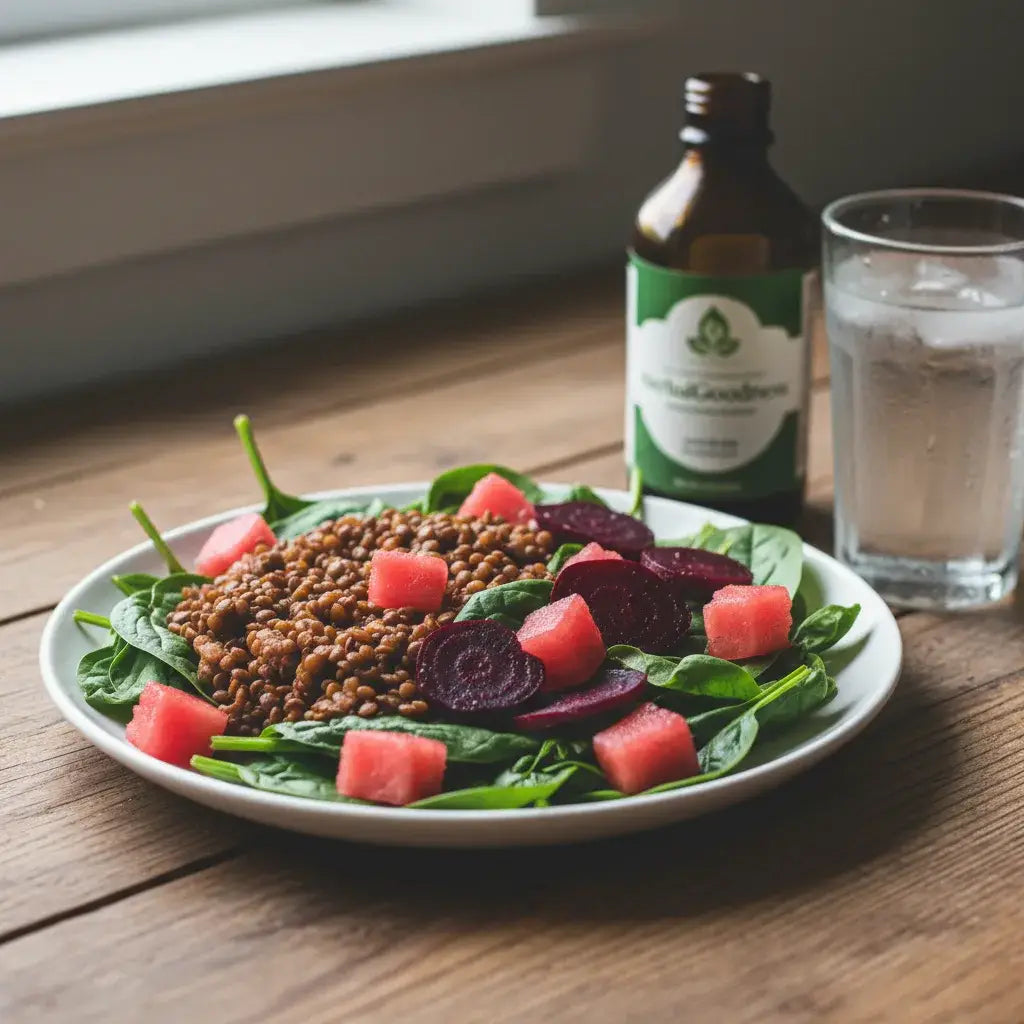
Eating a balanced, nutrient-rich variety of foods supports the body’s ability to produce healthy blood components, including platelets. In particular, nutrients such as folate, vitamin B12, iron, and vitamin C are all essential for overall blood health. Skipping meals, fasting, or following restrictive eating patterns could potentially influence test outcomes over time. For those seeking additional nutritional support, Sea Moss - Raw Dried from St Lucia - 8oz Bag - Nature's MultiVitamins is a nutrient-rich option that can easily be incorporated into your routine.
Hydration Status
Proper hydration supports optimal blood sample collection and circulation. Being underhydrated—especially on the day of blood testing—can sometimes result in slightly skewed lab results, including blood counts.
Effects of Alcohol Consumption
Alcohol’s impact on the body is far-reaching, and regular or excessive intake may influence the way platelets are produced and circulate. Occasional social drinking is unlikely to have a significant effect on platelet counts for most individuals, but regular or high levels of alcohol use may be associated with more pronounced changes.
Commonly Discussed Herbs and Nutrients
Many people are curious about how herbs, supplements, and certain superfoods may relate to platelet function. Ingredients such as ginger, garlic, ginkgo biloba, and turmeric are frequently discussed in wellness circles. While these are popular for many purposes, their effects on platelets are complex and may depend on individual factors, amounts used, and combinations with other supplements or medications.
Whenever you're considering adding new herbs or nutrients to your wellness routine, it’s advisable to do so thoughtfully—always disclose new supplements to your healthcare provider and seek information from reliable, evidence-based sources.

How to Interpret Platelet Results in Context
Knowing how to interpret your lab report is crucial for making informed health decisions. Here are steps to help you make sense of your platelet count findings:
Consider the Bigger Picture
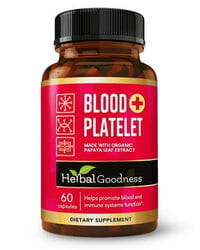
A single out-of-range result doesn’t necessarily indicate a persistent concern. Review trends over time – has there been a gradual change, or does this represent a sudden, isolated dip? For those looking to support healthy blood counts consistently, Blood Platelet Plus - 60/600mg 20X Strength Capsule - Platelet Boost offers a supplement specifically formulated with platelet health in mind.
Account for Recent Activities
Think about any recent factors—recovering from a cold, a vigorous workout before your appointment, or a new over-the-counter supplement—that could have influenced your results.
Communicate with Your Healthcare Provider
Prepare to share a full picture of your nutrition, supplement use, recent illnesses, and all medications. Asking well-informed questions ensures you receive tailored guidance and helps rule out less-common causes for changes in your platelet count.
Be Mindful with Supplements and Herbal Products
While natural products are widely used, not all are neutral when it comes to blood components. Supplements can interact in unexpected ways, especially if you’re also using medications. Whenever you research a new ingredient, begin with credible sources and discuss your choices openly with your medical advisor. To support platelet function, consider Papaya Leaf Extract Blood Support - 10X 60/450mg Capsules - Blood Platelet, known for its well-documented benefits.
Safe Approaches to Supplement Research and Interaction
Exploring supplements and herbal products is a common part of many people’s wellness routines, but it’s important to take a careful and thoughtful approach. Here are tips for navigating this landscape:
Seek Trusted, Evidence-Based Information
Use reputable sources such as university health pages, professional organizations, and peer-reviewed journals when learning about new herbs or nutrients. Beware of exaggerated, unrealistic claims online.
Start Slowly and Monitor Responses
If you decide to try a new supplement or herb, introduce only one at a time and watch for any unexpected changes. Maintain a list of products you’re taking to help identify possible interactions more easily. Those looking for a gentle introduction to platelet support might explore Papaya Leaf Extract - Organic 1oz 15X Liquid - Blood Platelet.
Keep Your Healthcare Provider Updated
Sharing your supplement list at every checkup enables your provider to offer personalized guidance and makes interpreting lab results simpler and more accurate.
Questions to Bring to Your Healthcare Provider
To make the most of your health appointments, consider arriving with specific questions about your lab results, such as:
- How significant is this platelet count in the context of my overall health?
- Could any of my regular habits, foods, or supplements play a role in this result?
- Should I repeat the test, and if so, when?
- Are there any lifestyle or supplement considerations you recommend before my next test?
- Where can I find more reliable information about herbs or nutrients discussed in wellness circles?
Taking an active, informed approach to your lab reports can provide peace of mind and help you make empowered health choices. For those already interested in the benefits of papaya, Papaya Leaf Extract - Capsules 600mg - 10X Strength offers another targeted option.
Conclusion: Empowered Platelet Understanding
Low platelet counts reported on a lab form can seem alarming at first, but with the right knowledge, you can approach your results thoughtfully. Everyday factors ranging from nutrition and hydration to exercise, alcohol, and natural supplements can all play a role. By understanding these influences, maintaining open communication with your healthcare provider, and researching supplements safely, you’re well-equipped to navigate your next blood test result with clarity and confidence.
FAQs:
- What is considered a low platelet count on a lab report?
A low platelet count typically refers to a value below 150,000 platelets per microliter of blood, though exact reference ranges may vary slightly by laboratory.
- Can everyday factors cause my platelet count to fluctuate?
Yes, factors like hydration, nutrition, recent illnesses, exercise, and even stress before a blood draw can all contribute to temporary changes in platelet counts.
- Do herbs and supplements affect platelet lab results?
Some herbs and supplements might influence platelet counts or their function. Always communicate all supplements and herbal products you use with your healthcare provider for safe, personalized guidance.
- Is a single low platelet count result a cause for concern?
Not necessarily. One out-of-range result can be influenced by many temporary factors. Trends over time and discussion with your healthcare provider offer a clearer picture.
- How should I prepare for a platelet count test?
Maintain regular hydration, follow your usual eating patterns, and discuss all current supplements and medications with your healthcare provider prior to the test.
Author Name:
Herbal Goodness Editorial Team
Author Bio:
The Herbal Goodness Editorial Team specializes in holistic health and superfoods, blending science and nature to educate and empower our community.
References:
Introducing Graviola to Young Taste Buds: Fun, Family-Friendly Flavor Exploration
Graviola in the Classroom and at Home: Creative Activities to Teach Kids About Tropical Plants
Share this

Popular posts


FAQs
1. What are the main benefits of drinking bamboo leaf tea?
Drinking bamboo leaf tea supports hydration, relaxation, skin wellness, and antioxidant balance.
2. What is bamboo leaf extract used for?
It’s used for general body wellness, skin elasticity, hair and nail support, and overall vitality.
3. Can bamboo leaf help with skin care and body wellness?
Yes, bamboo leaf is rich in silica and antioxidants, which promote healthy skin, strong nails, and a youthful glow.
4. What forms of bamboo leaf are available?
You can find dried bamboo leaf, powder, extract, drops, oil, and bamboo leaf green tea.
5. Are there any side effects of bamboo leaf?
Bamboo leaf is generally safe when consumed in moderation. Always consult your healthcare provider before starting any new herbal supplement.