





Soursop Supply Chain: Farming, Processing, and Sustainable Sourcing

Soursop, also known as graviola, is a tropical fruit long valued for its distinctive flavor and versatility. Whether enjoyed as tea, tincture, dried powder, or incorporated into various foods, soursop’s appeal extends from its orchard origins to its place in the modern wellness market. For those curious about what goes on behind the scenes, understanding the soursop supply chain—from farming and harvest through processing and sustainability—is key to making informed, responsible choices. This guide will map the journey of soursop, explore its cultivation and processing, and discuss ethical sourcing considerations so you can feel connected to the roots of your favorite botanical products.
Understanding Soursop’s Tropical Roots
Soursop thrives in warm, humid climates typical of the Caribbean, Central America, South America, and select parts of Africa and Asia. The fruit, with its spiky green skin and custard-like interior, grows on small evergreen trees and has historically been appreciated in both culinary and traditional wellness practices.
Soursop Growing Conditions
- Climate Requirements: Soursop trees flourish in temperatures between 68°F and 86°F, with high humidity and consistent rainfall.
- Soil Needs: Well-drained soils with a slightly acidic to neutral pH support optimal fruit development.
- Shade & Sun: These trees need plenty of sunlight but can tolerate partial shade, especially in their early years.
Orchard caretakers pay careful attention to soil quality and irrigation, investing in healthy root systems and natural growth cycles for strong harvests and fruit quality.
Soursop Harvest: Timing, Techniques, and Quality
Harvest timing greatly influences soursop’s flavor, texture, and nutritional value. Knowing when and how soursop is harvested is central to understanding why some products deliver superior taste and character.
How Soursop is Harvested
- Optimal Ripeness: Soursop must be picked when mature but still firm, as it ripens rapidly post-harvest.
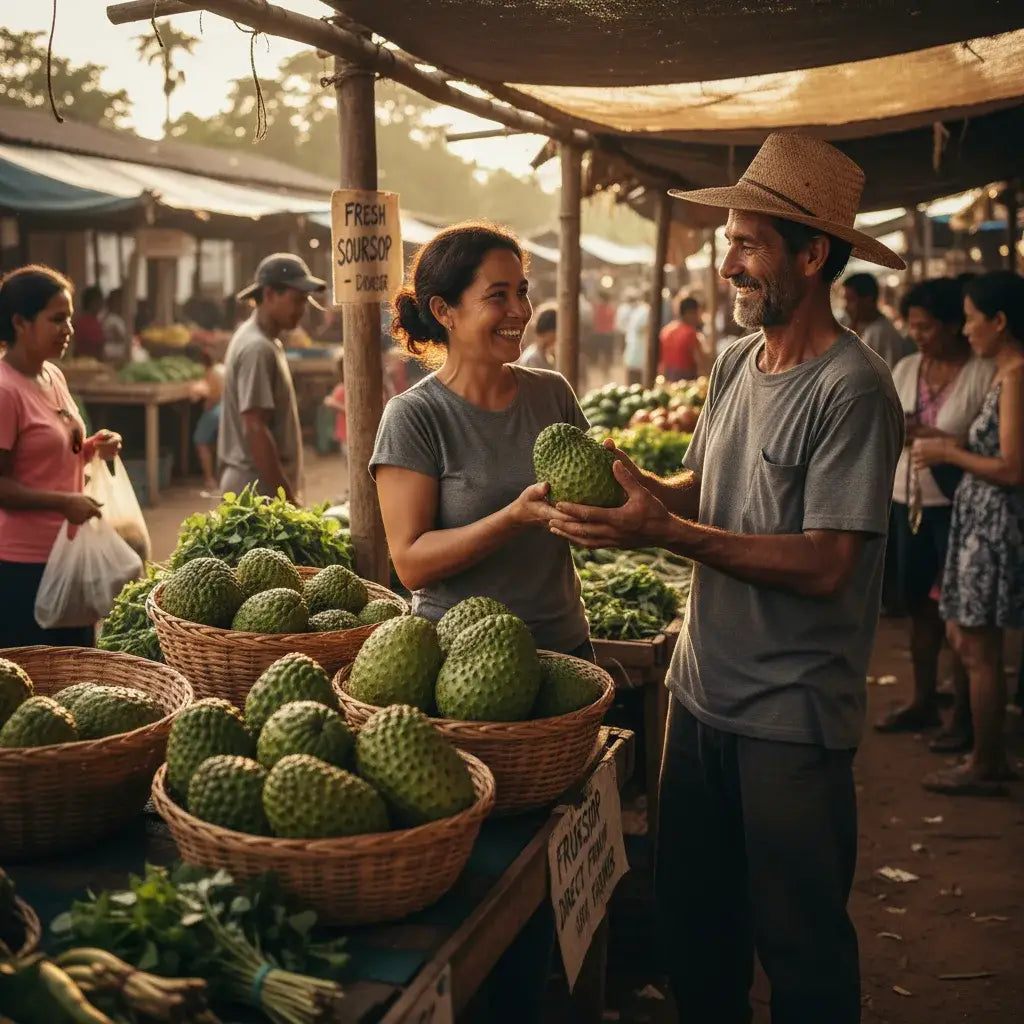
- Manual Harvesting: Since the fruit is delicate, most farmers opt for hand-picking. This avoids bruising and helps select only the best-quality soursop.
- Transport and Sorting: Fruits are gently handled and sorted at the farm, where undersized or overripe specimens are separated from those suitable for further processing.
What Harvest Timing Means for Consumers
Soursop harvested at the right moment preserves more of its natural aroma and flavor in teas, powders, or extracts. Early or late harvests may diminish these qualities, so product source and harvest timing matter when considering taste and consistency. Products like Soursop Leaf Tea Graviola Leaves - Organic 24/2g Tea Bags - Immunity & Cell Renew are often crafted from carefully timed harvests to capture peak flavor.
From Orchard to Finished Product: Key Processing Steps
After harvest, soursop undergoes a series of processing steps designed to convert the fresh fruit into shelf-stable forms while retaining as much flavor and botanical integrity as possible.
Initial Handling and Preparation
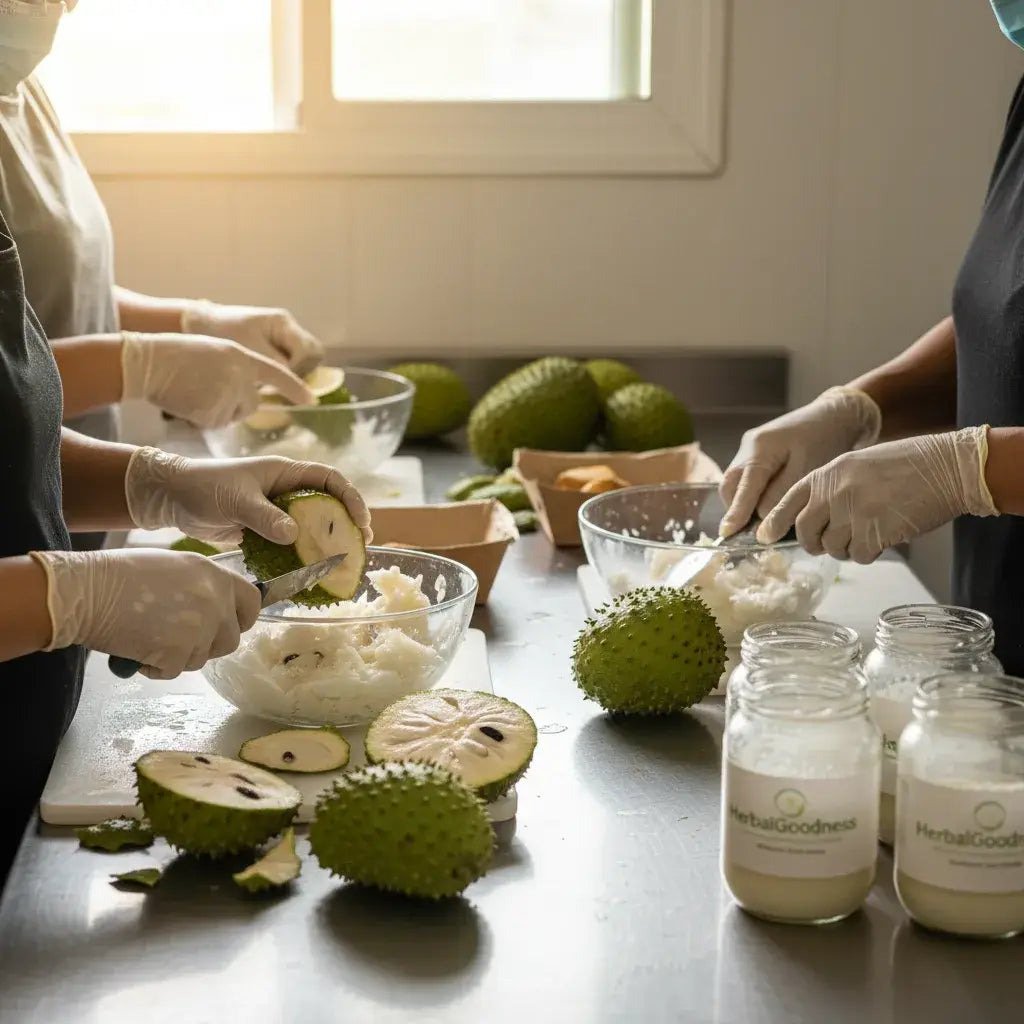
- Cleaning: Fruits are washed to remove soil or debris.
- Pulp Separation: The pulp is separated from the skin and seeds, sometimes by hand or using gentle mechanical tools.
- Preserving Quality: During all steps, low temperatures and careful handling help safeguard delicate compounds naturally occurring in soursop.
Transformation into Teas, Powders, and Extracts
Drying:
- The pulp or sliced fruit may be air-dried or placed in controlled-temperature dehydrators to reduce moisture content. Gentle, slow drying is preferred, as rapid drying at high heat may alter flavor and degrade plant compounds.
Milling and Powdering:
- Once dried, soursop is milled into a fine powder. This form is common in supplement formats and for culinary use in smoothies or baking. Selecting products that use gentle drying methods ensures a more genuine flavor, as found in soursop teas and premium powders.
Preparation for Teas and Tinctures:
- Leaves and fruit may be selected for herbal teas. In tinctures, an extraction process draws plant compounds into a liquid medium, typically using food-grade alcohol or vegetable glycerin.
Each processing step aims to balance product stability, potency, and taste—providing a range of options for consumers interested in the benefits and unique characteristics of soursop. Processing approaches behind Soursop Leaf Graviola Extract - - Organic 15X Liquid Extract - Cell Renew & Immunity reflect this careful balance and dedication to quality.
Soursop Flavor and Quality: What Processing Means for Experience
Quality processing is essential for preserving soursop’s celebrated flavor profile—sweet with a hint of tartness, containing tropical notes reminiscent of pineapple and strawberry.
How Processing Affects Flavor
- Gentle Drying: Maintains a natural, subtle sweetness and preserves aromatic compounds found in fresh fruit.
- Careful Extraction: For tinctures, controlled extraction parameters safeguard beneficial compounds traditionally sought after in herbal use.
- Freshness Factors: Properly sealed and stored powders or teas maintain quality longer, avoiding the cardboard-like taste that can result from exposure to moisture or air.
High-quality soursop products owe much to mindful farming and careful post-harvest handling—a chain of decisions that supports an enjoyable consumer experience. If you’re looking for convenience and consistent flavor, Graviola Soursop Leaf Extract – 10X 60/600mg Capsules - Cell Renew & Immunity offers a potent supplement option built on these principles.
Sustainability and Ethical Soursop Sourcing
More consumers are asking where their botanicals come from and how they can support sustainable, responsible agricultural practices. Soursop is no exception.
Environmental Impact and Conservation
- Agroforestry Practices: Some soursop is grown within diverse agroforestry systems, where the trees coexist with native plants. This can help conserve local biodiversity.
- Soil and Water Stewardship: Sustainable farms often invest in soil enrichment, erosion control, and efficient irrigation to protect the environment and the longevity of their orchards.
When choosing options such as Soursop Bitters - 15X Liquid Extract - Detox & Cell Renew, sourcing transparency and thoughtful supply-chain engagement add further value.
Ethical Sourcing Fundamentals
- Fair Labor: Responsible brands work with farming communities to support fair, safe working conditions and ensure that farming families benefit from their work.
- Transparent Supply Chains: Being able to trace the journey from orchard to package empowers consumers to choose companies aligned with ethical values.
- Supporting Smallholder Farmers: Many premium soursop suppliers prioritize sourcing from smallholder farms, strengthening local economies and community resilience.
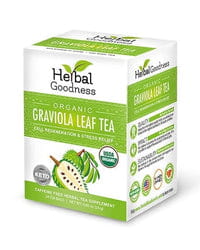
Brands like Herbal Goodness often build close relationships with growers, focusing on transparency, respect, and shared environmental values in the sourcing process. Soursop Leaf Tea Graviola Leaves - Organic 24/2g Tea Bags - Immunity & Cell Renew embodies this approach by delivering clean, ethically sourced teas from dedicated farming partners.
Quality Assurance: What to Look for as a Consumer
Navigating the soursop supply chain can seem daunting, but knowing what to look for can help you make more informed choices:
- Source Transparency: Credible suppliers provide information on fruit origin, harvesting methods, and processing steps. Brands that produce Soursop Leaf Graviola Extract - - Organic 15X Liquid Extract - Cell Renew & Immunity offer comprehensive sourcing details to build consumer trust.
- Testing Protocols: Look for brands that perform purity and quality testing, even though these are not always explicitly stated on packaging.
- Ethical Labels and Certifications: While not universal, certifications (such as organic or fair trade) can serve as indicators of responsible practices and provide additional peace of mind.
How Soursop Moves Into Everyday Use
Soursop’s journey from orchard to your cup or pantry shelf involves thorough care at every stage—ensuring its flavors and valued botanical compounds reach you intact.
- Teas: Leaves and fruit pieces, carefully dried, are blended for a naturally aromatic infusion. Products like Soursop Leaf Tea Graviola Leaves - Organic 24/2g Tea Bags - Immunity & Cell Renew make it easy to add soursop tradition to your daily routine.
- Powders: Fine, shelf-stable soursop powders provide an easy way to enjoy the fruit’s flavor in smoothies or recipes.
- Extracts and Tinctures: Prepared through careful, food-grade extraction to ensure plant compounds and essence are transferred into a liquid form. For those wanting a concentrated botanical option, Soursop Leaf Graviola Extract - - Organic 15X Liquid Extract - Cell Renew & Immunity is ideal for bioactive support in a simple liquid format.
For everyday wellness enthusiasts, exploring soursop in its different forms can be a rewarding way to connect with tropical tradition and global sourcing stories. “Cell Renew” capsules, such as Graviola Soursop Leaf Extract – 10X 60/600mg Capsules - Cell Renew & Immunity, offer a portable, consistent option for busy lifestyles while remaining true to sustainable supply-chain values.
Balancing Tradition, Quality, and Responsibility
Understanding the soursop supply chain offers more than curiosity—it can inform meaningful decisions. Whether you’re seeking the freshest flavor, supporting sustainable farming, or valuing fair sourcing, your choices can reflect your priorities. Looking for transparency, traceability, and a commitment to ethical agriculture can ensure your selection not only meets your quality standards but benefits farming communities and the environment along the way.
FAQs:
- Where is soursop typically grown?
Soursop is primarily cultivated in tropical regions, including the Caribbean, Central America, South America, parts of Africa, and Southeast Asia. Warm temperatures, abundant rainfall, and fertile, well-drained soil create the ideal environment for soursop orchards.
- How is soursop harvested without affecting its quality?
Soursop is hand-picked at the optimal stage of ripeness to minimize bruising and preserve its delicate pulp. Gentle handling throughout the harvest ensures that only the best-quality fruit is selected for further processing.
- What processing steps are involved in turning soursop into powder or tea?
After harvest, soursop is washed, the pulp separated, and then either dried using controlled temperatures or air drying. The dried pulp or fruit is milled into powder, while leaves or fruit pieces are prepared for tea by gentle drying to preserve flavor and botanical integrity.
- Why is ethical sourcing important for soursop products?
Ethical sourcing ensures that farming communities benefit from fair labor practices, supports local economies, and promotes environmental stewardship through sustainable agriculture, transparency, and community engagement.
- How can consumers identify high-quality soursop products?
Look for transparency in the product’s origin, clear descriptions of harvest and processing methods, third-party quality testing information, and, where applicable, certifications such as organic or fair trade, which indicate a commitment to responsible sourcing.
- What sustainability practices are common in soursop farming?
Sustainable soursop farms may practice agroforestry, mulching, and soil enrichment. Water conservation, erosion control, and the preservation of local biodiversity are also prioritized to support long-term productivity and environmental health.
Author Name:
Herbal Goodness Editorial Team
Author Bio:
The Herbal Goodness Editorial Team specializes in holistic health and superfoods, blending science and nature to educate and empower our community.
References:
Introducing Graviola to Young Taste Buds: Fun, Family-Friendly Flavor Exploration
Why Social Impact Matters in Plant-Based Wellness
Graviola in the Classroom and at Home: Creative Activities to Teach Kids About Tropical Plants
Share this
Popular posts


FAQs
1. What are the main benefits of drinking bamboo leaf tea?
Drinking bamboo leaf tea supports hydration, relaxation, skin wellness, and antioxidant balance.
2. What is bamboo leaf extract used for?
It’s used for general body wellness, skin elasticity, hair and nail support, and overall vitality.
3. Can bamboo leaf help with skin care and body wellness?
Yes, bamboo leaf is rich in silica and antioxidants, which promote healthy skin, strong nails, and a youthful glow.
4. What forms of bamboo leaf are available?
You can find dried bamboo leaf, powder, extract, drops, oil, and bamboo leaf green tea.
5. Are there any side effects of bamboo leaf?
Bamboo leaf is generally safe when consumed in moderation. Always consult your healthcare provider before starting any new herbal supplement.