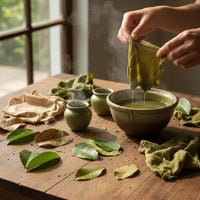
Soursop Fruit vs. Soursop Leaves: A Practical Guide to Using Each Part

Soursop, also known as graviola or Annona muricata, captures the imagination of many for its remarkable tropical flavor and long history of traditional uses. As interest in plant-based wellness grows, so too does curiosity about different parts of this fascinating plant—especially the fruit and the leaves. Are there practical reasons to use one over the other? What do they taste like, and how are they typically prepared? This guide offers a close look at soursop fruit versus soursop leaves, how each is used, important safety considerations, and straightforward ways to experience their unique properties at home.
Understanding Soursop: What Are the Fruit and Leaves?
Soursop Fruit: Taste, Appearance, and Composition
The soursop fruit stands out with its large size—sometimes as big as a football—spiky green rind, and soft, creamy white pulp. Its flavor is often described as a blend of strawberry, pineapple, and citrus, with underlying notes of banana and coconut. The texture is juicy and custardy, filled with black seeds.
Researchers and nutritionists pay particular attention to several compounds found in soursop fruit:
- Vitamins: notably vitamin C and some B vitamins
- Minerals: such as potassium and magnesium
- Phytochemicals: including acetogenins, alkaloids, and flavonoids
- Fiber: mostly soluble fiber that contributes to the creamy mouthfeel
The fruit is typically consumed fresh, juiced, blended into smoothies, or used in desserts and beverages. While finding fresh soursop fruit may be a challenge, many health-conscious individuals rely on carefully sourced extracts or supplements to experience similar benefits year-round.
Soursop Leaves: Sensory Profile and Constituents
Soursop leaves are glossy, dark green, and slightly leathery. Unlike the fragrant fruit, the leaves have a mild, earthy aroma with faint grassy notes.
Researchers study several unique compounds in soursop leaves:
- Phytochemicals: such as annonaceous acetogenins, flavonoids, and tannins
- Trace Minerals: including calcium and iron
- Volatile Oils: which give the leaves a subtle, lingering scent when brewed
Leaves are often prepared as a hot infusion (herbal tea), cold brew, or an extract. They’re less commonly consumed as food, but hold a valued place in traditional brewing and botanical practices. Those looking for a convenient and potent formulation often turn to Soursop Leaf Graviola Extract 15X Liquid | Organic Cell & Immunity, which offers a concentrated way to incorporate the unique properties of soursop leaves into wellness routines.
Nutritional Highlights and Common Phytochemicals
Nutrients in Soursop Fruit
Soursop fruit is appreciated for its vitamin C content, which supports everyday wellness, and its potassium and magnesium, important minerals for hydration and balance. The fiber in the fruit gives it a naturally satisfying texture, and the fruit sugars offer an energizing sweetness for culinary uses.
Phytochemicals such as acetogenins and flavonoids are often a focus in academic research for their diverse plant activities, but the fresh fruit’s overall nutrient profile also makes it popular as a food choice in tropical regions.
Nutrients and Compounds in Soursop Leaves
Soursop leaves contain many plant-based compounds that researchers find intriguing. Notable are the annonaceous acetogenins—a class of natural compounds found throughout the plant family—as well as tannins and flavonoids. While not a direct source of macronutrients, the leaves are valued for their aromatic properties when brewed, and are used traditionally as a calming beverage. The distinctive gentle aroma of a brewed cup can be savored with Soursop Leaf Tea | Organic Graviola 24 Bags | Soursop Tea Benefits for Immunity & Wellness, which brings convenient, measured servings to the home kitchen.
Traditional and Culinary Uses: Fruit vs. Leaves
Using Soursop Fruit in the Kitchen
Fresh soursop fruit is often enjoyed as-is, spooned straight from the rind. Its unique texture and flavor lend well to creative recipes such as:
- Smoothies and Juices: blending the pulp with water, coconut milk, or other fruits
- Ice Cream and Sorbet: naturally creamy soursop is a base for chilled desserts
- Jams and Jellies: cooked down with sugar and citrus to make spreads
- Cocktails and Mocktails: muddled into drinks for a tropical flair
The seeds are usually removed before eating, as they are considered inedible. For ongoing access to the fruit’s beneficial compounds in a concentrated format, Soursop Leaf Graviola Extract 15X Liquid | Organic Cell & Immunity is a helpful alternative.
Soursop Leaves: Brewing and Everyday Uses
Soursop leaves have a much more subtle flavor profile and are seldom used directly in meals. Instead, they are commonly prepared as:
- Herbal Tea: steeped in hot water for a gently aromatic beverage
- Cold Brew: left in cool water for several hours, resulting in a milder extract
- Supplement Extracts: concentrated into liquid or capsule form for convenience (traditionally, not as a medicine)

Many botanical traditions appreciate soursop leaf infusions as a calm, grounding beverage to be sipped in the evening or as part of a contemplative routine. The ease of use and standardization in products like Soursop Leaf Tea | Organic Graviola 24 Bags | Soursop Tea Benefits for Immunity & Wellness can make it simple for anyone to explore this centuries-old ritual safely at home.
Processing Methods: How Form Changes Function
Fresh, Dried, and Processed Soursop Fruit
- Fresh Fruit: High moisture, lively flavor, bright nutrients. Ideal for direct eating and blending into recipes.
- Dried Fruit: Can be chewy with concentrated sweetness. Drying may slightly reduce some temperature-sensitive vitamins but makes the fruit shelf-stable and portable.
- Juice and Puree: Removing pulp and blending can reduce fiber content but make the flavor highly accessible for beverages and desserts.
Dried, Brewed, and Extracted Soursop Leaves
- Dried Leaves: Intensify the natural compounds and last longer than fresh leaves. Best stored away from light and moisture.
- Brewed Tea: Drawing out aromatic oils and soluble compounds; the resulting beverage is smooth and earthy, with a gentle aroma.
- Extracts: Typically made by soaking leaves in alcohol or vegetable glycerin to concentrate certain phytochemicals. These forms may be offered as liquid drops, capsules, or in blends. Sourcing quality-crafted extracts—such as those from Herbal Goodness—means ensuring careful processing for consistency and safety. If you prefer a capsule format for convenience and standardized intake, Soursop Graviola Leaf Extract Capsules 10X Potency | 60ct – Cell Renew & Immunity might suit your wellness goals.

Safety, Considerations, and Common Downsides
When exploring soursop fruit and leaves, it’s helpful to be aware of a few safety points to make your experience enjoyable.
Soursop Fruit Safety
- Seeds: Always discard seeds before eating or preparing the fruit, as they are considered inedible and may contain compounds unsuitable for consumption.
- Overripe Fruit: Use fresh, intact fruits when possible. Overripe or damaged fruit may spoil rapidly due to high moisture content.
- Moderation: Enjoy soursop fruit in ordinary serving sizes, as you would with other tropical fruits.
Soursop Leaves Safety
- Dosage: When making tea or infusions, follow reputable recipes and avoid excessive brewing times or highly concentrated extracts. Botanical traditions tend to recommend moderation with all herbal preparations. For peace of mind, using Soursop Leaf Tea | Organic Graviola 24 Bags | Soursop Tea Benefits for Immunity & Wellness allows you to control strength and serving size easily.
- Quality: Purchase dried leaves or teas from reputable brands with clear labeling, such as Herbal Goodness, to be sure you’re using properly sourced and processed material.
- Individual Sensitivities: As with any new food or herb, start with a small amount when trying soursop leaves. Observe your own reactions and consult a professional if you have questions about introducing new botanicals to your lifestyle.
Sourcing, Storage, and Product Label Wisdom
Choosing and Storing Soursop Fruit
- Selection: Look for fruits that are slightly soft to the touch, with a glossy, green skin and few blemishes. Soursop fruit ripens quickly after harvesting, so consume it soon after purchase.
- Refrigeration: Store ripe fruit in the refrigerator and use within a few days. You can also freeze the pulp for smoothies or desserts.
- Label Tips: When buying soursop juice, puree, or dried pieces, check for minimal added sugar and preservatives. The ingredient list should be simple and direct. Those unable to find fresh fruit commonly turn to stable options like Soursop Leaf Graviola Extract 15X Liquid | Organic Cell & Immunity for consistency.
Best Practices for Soursop Leaves
- Appearance: Dried leaves should be whole, green, and aromatic—avoid those that are brown or lack fragrance.
- Container: Store leaves in an airtight container, away from heat, moisture, and light to preserve potency.
- Label Clues: Good soursop leaf products should include the botanical name (Annona muricata), origin, and any certifications, as well as directions for preparation. Choosing packaged tea products such as Soursop Leaf Tea | Organic Graviola 24 Bags | Soursop Tea Benefits for Immunity & Wellness ensures proper labeling and instructions, supporting a safe and enjoyable experience every time.
Reading Labels and Observing Personal Responses
No matter which soursop product you try, it’s helpful to:
- Read the label for source, lot number, and instructions.
- Note serving sizes for both fruit and leaf infusions.
- Try a small amount first, especially when sampling a new preparation.
- Assess freshness based on aroma, color, and texture.
- If buying extracts or supplements, look for clear ingredient lists and transparency about sourcing—Soursop Graviola Leaf Extract Capsules 10X Potency | 60ct – Cell Renew & Immunity and similar products offer this level of confidence to the discerning shopper.

Curiosity-Driven Ways to Try Soursop Fruit and Leaves at Home
Simple Ways to Experience Soursop Fruit
- Scoop and Eat: Enjoy the flesh cold, straight from the shell with a spoon.
- Smoothie Bowls: Blend soursop pulp with frozen bananas and coconut water for a tropical treat.
- Frozen Bites: Puree, portion into ice cubes, and freeze for healthy summer snacks.
Easy Soursop Leaf Preparations
- Basic Tea: Place 1–2 whole dried leaves in a cup, cover with boiling water, and steep for 5–10 minutes. Strain and enjoy warm or chilled. Pre-portioned bags from Soursop Leaf Tea | Organic Graviola 24 Bags | Soursop Tea Benefits for Immunity & Wellness simplify this process for reliable results.
- Cold Brew: Soak a few leaves in a glass jar with lukewarm water, refrigerate overnight, strain in the morning.
- Herbal Bath: Add soursop leaves to a warm bath for an aromatic soak (ensure leaves are food-safe and not sprayed).
If seeking flexible and potent options for supplementation, Soursop Leaf Graviola Extract 15X Liquid | Organic Cell & Immunity and Soursop Graviola Leaf Extract Capsules 10X Potency | 60ct – Cell Renew & Immunity provide convenient dosing with clear directions and quality sourcing at top-of-mind.
A Balanced View: Fruit or Leaves—Which Should You Choose?
The choice between soursop fruit and soursop leaves comes down to goals and context. If you’re looking for a delicious tropical flavor and a naturally sweet snack, the fruit is unmatched. For those interested in calm moments and soothing rituals, the leaves may provide a gentle introduction to traditional herbal practices. Both parts of the soursop plant offer their own sensory experiences and are celebrated in cultures worldwide.
If you’re new to soursop, consider your preferences—taste, preparation style, and the kind of experience you want. Both forms can be safely and enjoyably explored at home, with a little mindfulness about quality, serving size, and personal observation.
Frequently Asked Questions
Question 1: What is the main difference between soursop fruit and soursop leaves?
Answer: The fruit provides a rich, sweet-tart tropical flavor and is usually eaten fresh or blended into drinks and desserts. Soursop leaves, in contrast, carry a milder, earthy aroma and are commonly brewed as tea or made into extracts, such as the convenient Soursop Leaf Graviola Extract 15X Liquid | Organic Cell & Immunity.
Question 2: Is it safe to drink soursop leaf tea daily?
Answer: Most botanical traditions recommend moderation. Using portioned products like Soursop Leaf Tea | Organic Graviola 24 Bags | Soursop Tea Benefits for Immunity & Wellness helps control serving size. As always, start with smaller amounts and monitor your own response.
Question 3: What are the best forms of soursop leaf products to try?
Answer: Beginners often appreciate pre-portioned tea bags or liquid extracts for ease and consistency, such as Soursop Leaf Graviola Extract 15X Liquid | Organic Cell & Immunity or Soursop Leaf Tea | Organic Graviola 24 Bags | Soursop Tea Benefits for Immunity & Wellness.
Question 4: Can soursop fruit and leaf products be stored long-term?
Answer: Properly stored, dried products and extracts, such as Soursop Graviola Leaf Extract Capsules 10X Potency | 60ct – Cell Renew & Immunity, have long shelf lives. Fresh fruit should be eaten or frozen soon after purchase.
Question 5: How should I choose quality soursop leaf tea?
Answer: Opt for products with clear labeling, whole leaf appearance, and reputable sourcing—Soursop Leaf Tea | Organic Graviola 24 Bags | Soursop Tea Benefits for Immunity & Wellness meets all these criteria.
Question 6: Is there a convenient way to try soursop leaves if I don’t have fresh leaves?
Answer: Absolutely; Soursop Leaf Graviola Extract 15X Liquid | Organic Cell & Immunity and Soursop Graviola Leaf Extract Capsules 10X Potency | 60ct – Cell Renew & Immunity deliver the properties of soursop leaves in a supplement form, making them easy to incorporate into your routine.
Question 7: Do soursop fruit and soursop leaves offer the same health benefits?
Answer: They share some overlapping phytochemicals (like acetogenins), but soursop fruit is valued for vitamin C and fiber, while leaves are prized for concentrated plant compounds. The right choice depends on your specific wellness interests.
Curious about soursop? Explore both fruit and leaf options in small batches, look for clear labeling, and observe your own taste preferences as you experience this remarkable tropical plant.
About the Author
Herbal Goodness Editorial Team
The Herbal Goodness Editorial Team specializes in holistic health and superfoods, blending science and nature to educate and empower our community.
Related Articles
Fresh vs. Dried Soursop Leaves: How to Choose and Use Them Confidently
Soursop Fruit 101: Guide to Selecting, Preparing, and Cooking at Home
How Long Should I Boil Soursop Leaves? Brewing Times, Methods & Safety Tips
How to Evaluate Organic Soursop Bitters Before Writing a Review
When is the Best Time to Drink Soursop Tea? Evidence-Aware Timing Guide