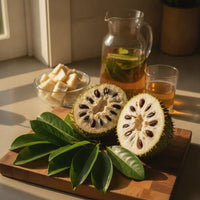
Fresh vs. Dried Soursop Leaves: How to Choose and Use Them Confidently

Soursop leaves, whether fresh or dried, have earned a respected place in botanical traditions and modern wellness routines alike. But when you’re considering which to use—fresh or dried—it’s easy to find yourself wondering about flavor, aroma, texture, and the right way to incorporate them into teas, infusions, or topical blends. Understanding the differences in form, handling, and use can help you make confident choices that fit your lifestyle and preferences. This guide explores everything you need to know about choosing and using fresh versus dried soursop leaves, so you can make them a meaningful part of your wellness journey.
Understanding Soursop Leaves: Fresh vs. Dried
Soursop (Annona muricata) is a tropical plant native to the Americas and is beloved for its large, spiky fruit and glossy green leaves. The leaves have been used in various preparations, valued for their aromatic qualities and versatility. When harvested, soursop leaves can be used fresh or preserved through drying. Each form offers unique attributes and best-use scenarios, influencing their flavor, aroma, and shelf life.
Key Differences Between Fresh and Dried Soursop Leaves
- Fresh Soursop Leaves: Retain a green, grassy aroma with subtle floral notes. Their texture is pliable and soft, making them suitable for infusions where delicate flavors are desired.
- Dried Soursop Leaves: Develop a deeper, earthier scent and a more concentrated flavor profile. Drying removes moisture, intensifying the leaf's signature notes while changing the texture to crisp and sometimes slightly brittle.
Fresh and dried soursop leaves each serve unique roles in herbal practices, with some people preferring the convenience and longevity of dried products such as Soursop Leaf Tea | Organic Graviola 24 Bags | Soursop Tea Benefits for Immunity & Wellness for daily use.
How Drying Affects Flavor, Aroma, and Texture
Drying is a preservation method that impacts the inherent qualities of soursop leaves:
Flavor: Fresh leaves lend a lighter, more vegetal taste when steeped in tea or used in infusions. Dried leaves, by contrast, provide a stronger, sometimes slightly bitter or robust flavor due to the concentration of natural compounds during the drying process.
Aroma: The aromatic profile shifts with drying—fresh leaves release gentle, green aromatics, while dried leaves present deeper, more complex scents that can be comforting in teas and topical preparations.
Texture: Fresh leaves are flexible, allowing for easy folding or rolling into teas or poultices. Dried leaves are crisp and may crumble easily, which can impact the preparation process but allows for convenient measuring and storage.
Understanding these changes can guide your selection depending on whether you prioritize freshness, potency, or storage convenience. Those interested in concentrated options may also consider Soursop Graviola Leaf Extract Capsules 10X Potency | 60ct – Cell Renew & Immunity, which use dried extracts for ease and strength.

Sourcing and Seasonality Considerations
Availability of Fresh Soursop Leaves
Fresh soursop leaves are usually available in regions where soursop trees are cultivated—such as tropical and subtropical zones. However, their availability outside of these areas is limited, especially off-season. When purchasing, look for vibrant green, unblemished leaves to ensure optimal aroma and quality.
Dried Soursop Leaves: Year-Round Access
Dried leaves are shelf-stable and widely distributed, making them accessible even when fresh options are out of season. When sourcing dried soursop leaves, opt for reputable brands like Herbal Goodness that have transparent harvesting, drying, and packaging practices to uphold quality and purity. Products such as Soursop Leaf Graviola Extract 15X Liquid | Organic Cell & Immunity help ensure you enjoy the potent wellness benefits of soursop leaves, regardless of the season.
Storage and Shelf Life: Best Practices
Proper storage preserves the qualities of both fresh and dried soursop leaves, ensuring you get the most out of your purchase.
Fresh Soursop Leaves Storage
- Refrigeration: Store fresh soursop leaves in a breathable produce bag or loosely wrapped in paper towel inside the vegetable drawer. Use within a week for maximal flavor and pliability.
- Short-Term Use: Because of moisture content, fresh leaves are best used soon after harvesting or purchase.
Dried Soursop Leaves Storage
- Airtight Containers: Keep dried leaves in a glass jar or sealed pouch, stored in a cool, dark, and dry environment. This protects them from humidity and light, which can degrade their aroma and potency.
- Long Shelf Life: Properly stored dried soursop leaves can remain aromatic and flavorful for up to a year, making them ideal for those who want a consistent supply. Shelf-stable dried options such as Soursop Bitters Graviola Capsules 1000mg | 120ct – Immunity & Detox make it easy to keep a wellness staple on hand.
Signs of Quality Loss
- Fresh Leaves: Wilted, browned, or slimy appearance indicates loss of freshness.
- Dried Leaves: A musty smell or faded color suggests they’ve been stored too long or exposed to moisture.

Brewing and Culinary Infusions: Preparation Tips
Soursop leaves lend themselves to a variety of preparations—from soothing teas to herbal infusions and more. Here are practical guidance and usage ideas for both forms:
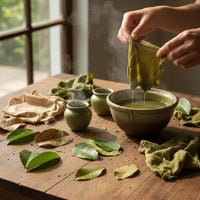
Brewing Tea with Fresh Soursop Leaves
- Wash thoroughly to remove debris.
- Tear or gently crush leaves to expose aromatic oils.
- Simmer in hot water for 10–15 minutes.
- Strain and enjoy on its own or with natural sweeteners.
Fresh leaves impart a subtle, grassy taste—making for a gentle and uplifting cup. Still, for greater convenience and year-round access, many turn to options such as Soursop Leaf Tea | Organic Graviola 24 Bags | Soursop Tea Benefits for Immunity & Wellness, which deliver robust flavor in an easy-to-use format.
Brewing Tea with Dried Soursop Leaves
- Use one to two dried leaves per cup of water.
- Rinse swiftly with cool water to remove dust.
- Steep in boiling water for 15–20 minutes.
- Strain. The flavor will be more robust than a fresh leaf infusion.
Dried leaves are often convenient and deliver a consistent, concentrated flavor—perfect for tea aficionados who enjoy depth and earthiness. For those seeking on-the-go solutions, encapsulated dried leaf products like Soursop Graviola Leaf Extract Capsules 10X Potency | 60ct – Cell Renew & Immunity offer maximum strength in a portable format.
Rehydrating Dried Soursop Leaves
- Soak dried leaves in warm water for a few minutes before using in topical or culinary applications.
- Once softened, they can be handled similarly to fresh leaves for poultices or infusions.
Culinary and Topical Uses: Which Form to Choose?
Use Cases for Fresh Soursop Leaves
- Mild Teas: When a delicate flavor is preferred.
- Culinary Infusions: For lightly aromatic broths or flavored water.
- Poultices and Topical Blends: Their flexibility and moisture make them easy to apply, particularly in wellness routines where you're looking for whole-leaf texture.
Use Cases for Dried Soursop Leaves
- Potent Teas and Decoctions: Robust in both aroma and taste, making options such as Soursop Bitters Graviola Capsules 1000mg | 120ct – Immunity & Detox a practical choice for modern routines.
- Long-Term Storage: Ideal for travel or keeping a consistent supply.
- Herbal Tinctures: Dried leaves are often easier to measure and extract for tincture making.
- Bath Soaks and Topical Preparations: Dried leaves can be ground or crumbled and rehydrated as needed, offering flexibility in holistic care.
Deciding What Fits Your Routine
When choosing between fresh and dried soursop leaves, consider the following factors:
- Flavor Preferences: Fresh for subtlety, dried for intensity. Dried leaf teas like Soursop Leaf Tea | Organic Graviola 24 Bags | Soursop Tea Benefits for Immunity & Wellness provide a bold, reliable experience for everyday sipping.
- Convenience and Storage Needs: Dried for longevity, fresh for immediate use.
- Preparation Style: Dried leaves work well for teas and long infusions; fresh is wonderful for quick, aromatic applications.
- Accessibility: Dried leaves are widely available and easy to find; fresh leaves may be preferred by those in tropical regions or when in season.
Personal routines, taste, and access will naturally guide your decision. If you enjoy experimenting, try both forms and see which harmonizes with your daily habits. For anyone looking to streamline daily wellness, concentrated products such as Soursop Leaf Graviola Extract 15X Liquid | Organic Cell & Immunity deliver a convenient boost.

Choosing Quality Soursop Leaves
No matter the form, selecting leaves that are carefully grown and packaged is essential. Look for:
- Certified sourcing to ensure leaves are harvested in healthy, uncontaminated environments
- Minimal processing to retain aroma and nutrients
- Transparent brands like Herbal Goodness that share their standards; always check that your chosen Soursop Graviola Leaf Extract Capsules 10X Potency | 60ct – Cell Renew & Immunity or liquid extracts provide clear information about origins and handling.
These details help you enjoy the natural gifts of soursop leaves in your favorite format, and support your wellness journey.
Practical Use Tips for Everyday Enjoyment
- Alternate fresh and dried leaves based on season or intended preparation.
- Experiment with blends; add fresh leaves to summer drinks or dried leaves to soothing winter teas, utilizing convenient bagged options for ease.
- Store both forms properly to preserve flavor and aroma.
- Adjust steeping times based on preference—longer for deeper flavors with dried leaves, shorter for lighter infusions with fresh.
Adopting these habits will ensure you always have high-quality soursop leaf options for tea, culinary, or topical routines—helping you create a rewarding and sensory botanical experience, every time.
Frequently Asked Questions
Question 1: Which is better: fresh or dried soursop leaves for tea?
Answer: Fresh soursop leaves offer a lighter, grassy taste with subtle florals, while dried leaves—often found in Soursop Leaf Tea | Organic Graviola 24 Bags | Soursop Tea Benefits for Immunity & Wellness—bring a deeper, robust flavor. The choice depends on personal taste and accessibility, but dried leaves are easier to store and use year-round.
Question 2: How should dried soursop leaves be stored for maximum freshness?
Answer: Store dried soursop leaves in airtight glass jars or sealed pouches, kept in a cool, dark, and dry area. This preserves the aroma and benefits, similar to the shelf life of Soursop Graviola Leaf Extract Capsules 10X Potency | 60ct – Cell Renew & Immunity.
Question 3: Are there convenient alternatives to brewing whole soursop leaves?
Answer: Yes. Capsule and liquid forms such as Soursop Leaf Graviola Extract 15X Liquid | Organic Cell & Immunity and Soursop Graviola Leaf Extract Capsules 10X Potency | 60ct – Cell Renew & Immunity offer potent wellness support in an easy-to-use form.
Question 4: What are signs that soursop leaves have gone bad?
Answer: Fresh leaves should be vibrant green—if they appear wilted, brown, or slimy, they are past their prime. Dried leaves that smell musty or have faded color, like any high-quality dried product, should be replaced to avoid diminished potency.
Question 5: Do dried soursop leaves retain the same benefits as fresh leaves?
Answer: Dried soursop leaves retain much of the plant’s natural compounds, but the flavor may be more concentrated or slightly bitter. Consistently prepared dried products, such as Soursop Bitters Graviola Capsules 1000mg | 120ct – Immunity & Detox, offer standardized benefits for immunity and cell health.
Question 6: Can you use rehydrated dried soursop leaves in recipes calling for fresh?
Answer: Yes, soaking dried leaves in warm water makes them pliable for culinary and topical recipes, providing an alternative in the absence of fresh leaves.
Whichever form you choose, fresh or dried soursop leaves can become a versatile and satisfying part of your wellness habits. Explore both in your brewing, culinary, or self-care rituals to find what best suits your lifestyle.
About the Author
Herbal Goodness Editorial Team
The Herbal Goodness Editorial Team specializes in holistic health and superfoods, blending science and nature to educate and empower our community.
Related Articles
Soursop Comparison Guide: Exploring Flavor, Texture, and Cooking Uses
Soursop Tea and Liver Health: Tradition, Evidence, and Practical Guidance
How Long Should I Boil Soursop Leaves? Brewing Times, Methods & Safety Tips
Translating Soursop Leaves Benefits from Tradition to Your Teacup Experience