





Soursop Bitters & Digestion: Exploring Bitter Compounds, Taste, and the Gut Connection
The world of botanicals offers countless opportunities to uncover nature’s flavors. Among the notable contenders, soursop bitters have drawn attention for their intriguing interplay between taste, traditional wisdom, and emerging scientific curiosity. Bitter compounds—long celebrated in wellness traditions—are now being investigated for their interactions within the sensory and digestive systems. Unlike sweet or salty tastes, bitters invite an exploration into how we experience flavors, triggering a cascade of complex responses beginning on the tongue and extending to the gut. This article takes a curiosity-driven approach to unravel how soursop bitters may connect taste receptors, digestive signaling, and the gut environment, highlighting how to explore these experiences safely and knowledgeably.
The Role of Bitter Compounds in Soursop Bitters
Soursop bitters are crafted from the leaves, bark, or fruit of the soursop plant (Annona muricata), often blended with other deeply bitter botanicals. The core focus of bitters lies in their characteristic flavor profile—a profile shaped by alkaloids, flavonoids, and other plant-derived phytochemicals. These compounds are responsible for the sharply bitter taste that has been prized in many culinary and folkloric traditions.
Varieties of Bitter Compounds in Soursop Bitters
Soursop bitters typically draw on phytochemicals like annonaceous acetogenins, which contribute to their notable taste signature. When sipped or sampled, these compounds interact with specific receptors on the tongue and mouth, signaling the brain to recognize bitterness.
The formulation of soursop bitters can vary depending on:
- Plant Part Used: Leaves, bark, fruit rind, or all three
- Preparation Method: Alcohol-based extracts, glycerites, or decoctions
- Additional Botanicals: Inclusion of herbs like gentian, dandelion, or orange peel for amplified bitterness
Those interested in exploring traditional soursop leaf preparations might appreciate Soursop Leaf Tea Graviola Leaves - Organic 24/2g Tea Bags - Immunity & Cell Renew, which highlights leaf-based flavor elements found in many bitters.
Bitterness and Human Taste Receptors
Bitterness is sensed by a group of specialized proteins known as TAS2R receptors, located throughout the mouth, throat, and even further along the gut lining. Unlike sweet or umami, which commonly signal nutritional value, bitterness may historically have alerted humans to protective compounds in wild plants.
How the Body Detects Bitter Taste
- Initial Sensation: Bitter compounds activate TAS2R receptors on the tongue.
- Flavor Perception: This triggers a rapid taste signal to the brain.
- Downstream Signaling: Some studies suggest that these same bitter taste receptors exist in the stomach and intestines, potentially influencing internal sensory signaling.
This evolutionary heritage is part of why bitters often elicit such a strong and complex sensation when tasted.
For those who are mindful of digestive wellness, a formulation like Green Papaya Fruit Extract - 4X 60/600mg Capsule - Digestion Aid can complement your investigative approach, as papaya-derived extracts offer additional digestive support when paired with culinary bitters.
Bitter Flavors & Digestive Signaling
The journey of a bitter taste doesn’t end at the tongue. Modern research suggests that, after recognition, the body responds with a cascade of internal signals. Sensory cues from bitter taste may prepare the digestive system for the presence of diverse phytochemicals.
Observed Digestive Responses
- Salivation: The astringent, challenging nature of bitters often increases the flow of saliva, beginning the process of breakdown.
- Sensation of Mouthfeel: Many users report a “tingling” or “awakening” sensation in the mouth and throat.
- Preparation for Digestion: Ongoing scientific exploration is mapping how exposure to bitter flavors may influence appetite signals, digestive juices, or gut motility.
It’s important to emphasize that these responses are part of normal bodily signaling related to taste—not claims of physiological effect.
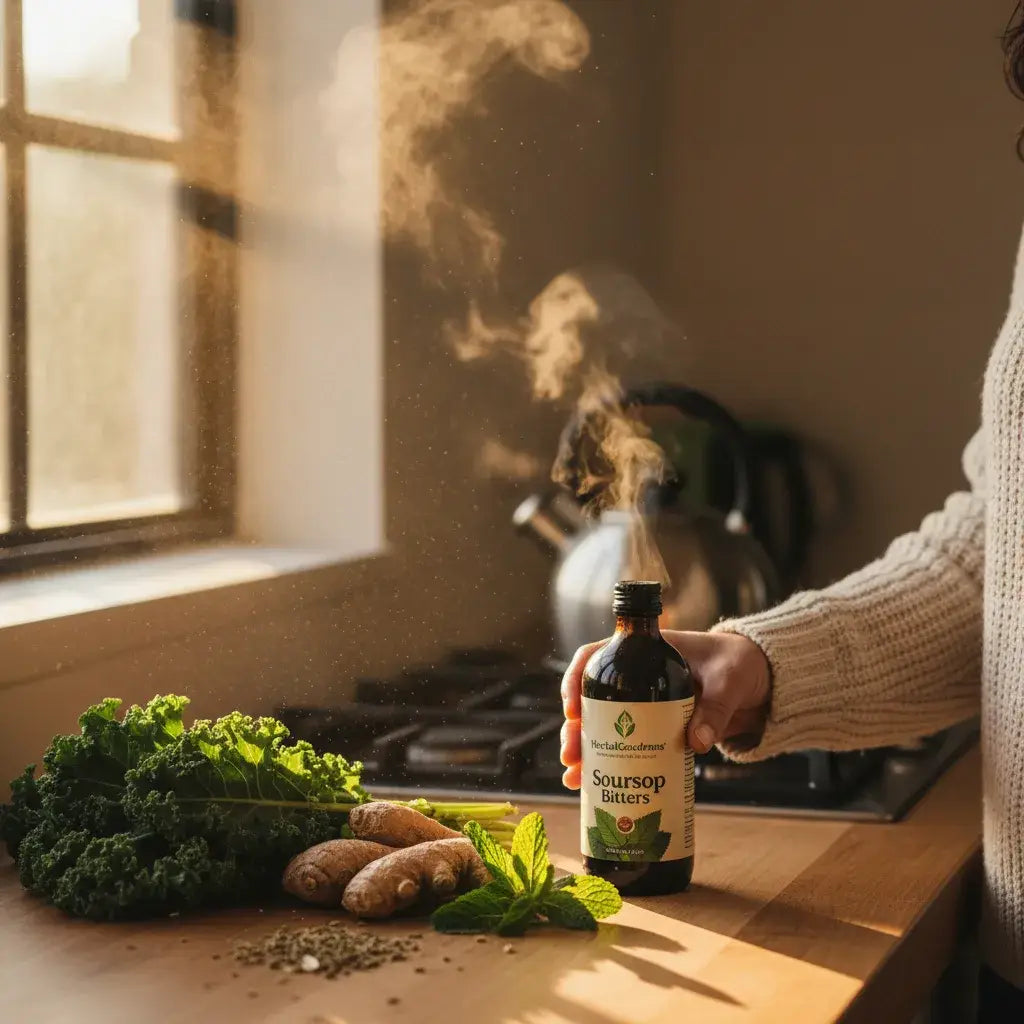
Soursop Bitters and the Gut Environment
The gut, often called the “second brain,” is home to a remarkably diverse ecosystem. While much public attention focuses on probiotic supplements or fiber, bitter flavors are a less-discussed but emerging area of interest for researchers exploring the gut environment.
What Is the Gut Environment?
The digestive landscape is shaped by:
- Cells lining the stomach and intestines
- Thousands of different microbial species
- Chemicals and nutrients derived from foods and beverages
For those interested in combining the benefits of bitter herbs with gut nourishment, exploring the relationship between soursop and other botanicals such as Gut Digest Plus - Organic 1oz 15X Liquid Extract - Gut & Immunity can enrich your experience.
Bitter Flavors and the Ongoing Research
Some lines of investigation focus on how bitter-tasting plant compounds might influence the environment of the digestive tract, such as through changes in enzyme activity or the passage of food.
Evidence in this area is preliminary. Systematic reviews and preliminary studies are observing potential relationships, but causal connections are an active area of scholarly work. No definitive conclusions can be drawn at present.
Different Types of Research: From Traditional Wisdom to Modern Exploration
Observational and Anecdotal Evidence
For generations, communities around the world have prized bitters as important culinary or flavoring agents. Observational knowledge—stories from families and communities—forms one pillar of our understanding.
Experimental and Laboratory Studies
Contemporary research increasingly investigates how taste and digestion interact through controlled studies:
- Sensory Research: Exploring how humans perceive different types of bitterness
- Cellular Studies: Examining receptor activity in response to bitter compounds
- Gastrointestinal Response Studies: Monitoring taste responses and downstream bodily reactions in laboratory settings
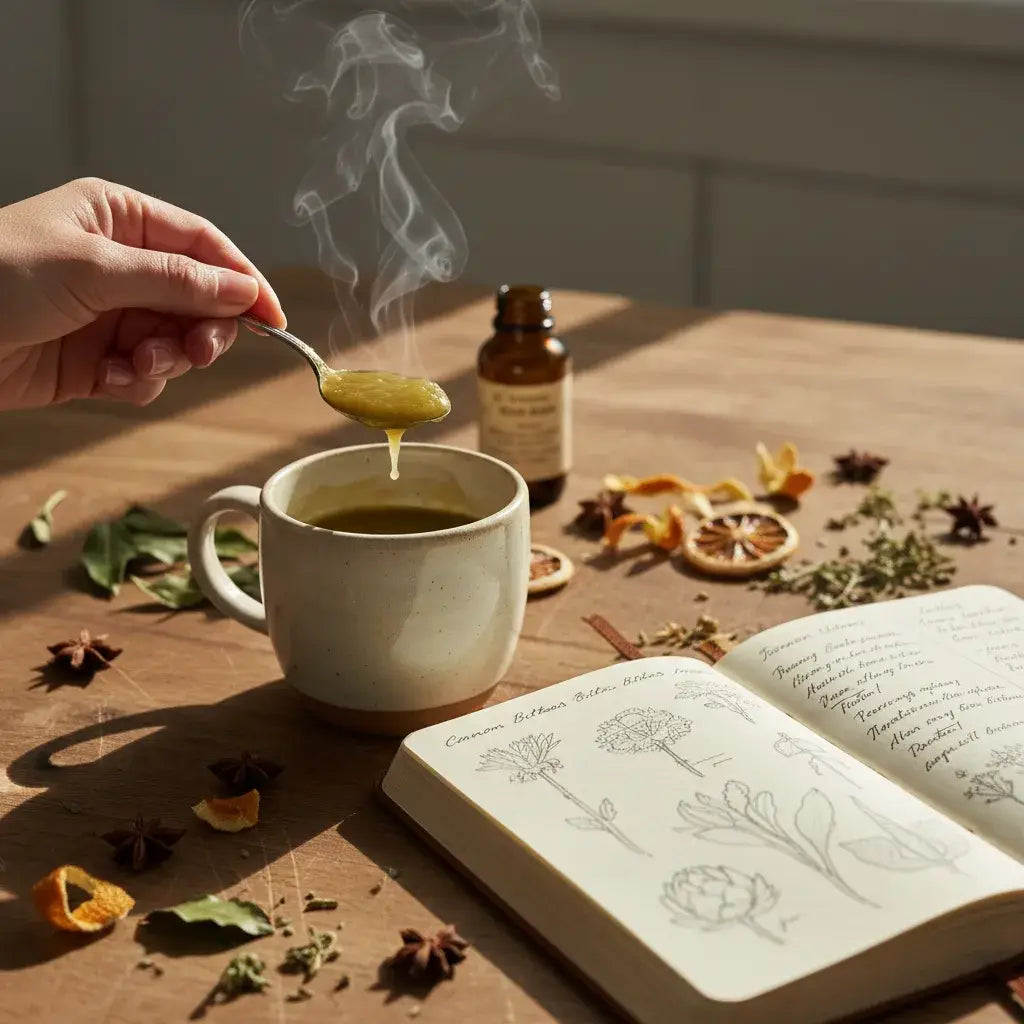
Systematic Reviews & Meta-Analysis
The most robust evidence comes from reviews that summarize many studies, but the study of soursop bitters and related herbs remains in early stages. Interested individuals are encouraged to look for ongoing registered research and expert-reviewed publications.
Sourcing Soursop Bitters: What to Ask and Look For
Mindful sourcing of botanical preparations is critical for both flavor experience and product integrity. As soursop bitters grow in popularity, consumers should ask informed questions:
- Origin of Raw Materials: Was the soursop sustainably harvested? Is the source reputable?
- Processing Methods: How are the bitters extracted? Are solvents or other processes used?
- Quality Assurance: Does the manufacturer share batch testing results or certifications?
- Ingredient Transparency: Are all herbs and botanical ingredients listed? Are there artificial flavors or colors?
Choosing a product like Soursop Bitters Graviola Extract - 120/1000mg Capsules - Immunity & Wellbeing will help ensure ingredient clarity and peace of mind regarding product origin.
Asking these questions not only ensures a better sensory experience but also supports ethical and sustainable practices.
Exploring Flavor: Sensible Home Experimentation with Soursop Bitters
One of the best ways to connect with botanicals is through personal sensory exploration. Soursop bitters present a unique opportunity for mindful tasting—paying close attention to the full spectrum of flavors and experiences each drop delivers.
Simple Steps for Soursop Bitters Exploration
- Smell First: Notice the aroma—herbaceous, earthy, floral, or sharp notes.
- Taste Mindfully: Swish a small, measured amount on the tongue. Consider both the initial and lingering flavors.
- Track the Experience: Make notes about mouthfeel, aftertaste, and overall impressions.
- Pair with Food: Try a drop before or after a meal, paying attention to how foods taste afterward.
For those new to the journey, incorporating Soursop Leaf Graviola Extract - - Organic 15X Liquid Extract - Cell Renew & Immunity can introduce an authentic botanical note to the tasting process.
Safe Exploration Tips
- Start with small, labeled amounts.
- Observe any personal sensitivities.
- Avoid combining with unfamiliar herbs unless experienced.
Common Questions When Choosing Soursop Bitters
Consumers may encounter a wide variety of soursop bitters. To help demystify options, consider these questions:
- What are the main ingredients? Clarify both the soursop source and any added botanicals.
- Are products third-party tested? Look for certificates or evidence of safety and purity.
- Has the product been stored safely? Proper packaging preserves both flavor and freshness.
- Can you consult with a botanical specialist? Some producers provide personalized guidance.
Selecting herbal teas such as Soursop Leaf Tea Graviola Leaves - Organic 24/2g Tea Bags - Immunity & Cell Renew can offer another enjoyable, gentle way to experience these flavors while exploring the world of soursop botanicals.
Summary: Soursop Bitters as a Curiosity-Driven Flavor Experience
Soursop bitters represent a fascinating intersection of heritage, sensory adventure, and emerging scientific inquiry. From the way their complex bitter compounds engage taste receptors to the robust debates in ongoing research, soursop bitters invite mindful exploration. Wherever you are in your sensory journey, approaching botanicals with curiosity, care, and attention to sourcing can help foster an enriching relationship with flavors, traditions, and ongoing discovery.
Ready to discover the bold world of botanicals? Explore soursop bitters from trusted producers, engage your senses, and take notes on your unique flavor journey. Approach with curiosity and discernment, and enjoy each taste as a step toward deeper understanding of natural flavors. Start your exploration—your taste buds may surprise you!
FAQs:
- What gives soursop bitters their distinctive bitter taste?
Soursop bitters derive their sharp, complex taste from natural plant compounds such as acetogenins, alkaloids, and flavonoids. These interact with taste receptors, delivering the signature bitterness recognized in specialty herbal blends.
- How do soursop bitters relate to the digestive process?
When sampled, soursop bitters activate taste receptors on the tongue, which send signals to the brain and may initiate typical digestive cues such as increased saliva flow and a heightened sensory experience.
- What types of research explore soursop bitters and their interaction with the gut?
Current research includes sensory studies on taste perception, cellular investigations of taste receptors, and emerging studies examining the potential effects of bitter compounds on digestive signaling, though findings are still preliminary.
- How should consumers choose a high-quality soursop bitters product?
Look for bitters with clearly labeled ingredients, origin information, batch testing or third-party certification, and ethical sourcing. Transparency in processing and storage also reflects quality.
- Can I experiment with soursop bitters at home safely?
Begin with small amounts, take note of your sensory impressions, and avoid combining with unfamiliar herbs unless you have experience. Prioritize products from reputable sources for the best tasting experience.
Author Name:
Herbal Goodness Editorial Team
Author Bio:
The Herbal Goodness Editorial Team specializes in holistic health and superfoods, blending science and nature to educate and empower our community.
References:
Bitter Taste Receptors and Gastrointestinal Function
The Taste of Bitter: How Bitter Compounds Influence Human Health


FAQs
Drinking bamboo leaf tea supports hydration, relaxation, skin wellness, and antioxidant balance.
It’s used for general body wellness, skin elasticity, hair and nail support, and overall vitality.
Yes, bamboo leaf is rich in silica and antioxidants, which promote healthy skin, strong nails, and a youthful glow.
You can find dried bamboo leaf, powder, extract, drops, oil, and bamboo leaf green tea.
Bamboo leaf is generally safe when consumed in moderation. Always consult your healthcare provider before starting any new herbal supplement.