Single-Ingredient vs. Blended Ashwagandha: 2026 Shopper’s Guide

Single-Ingredient vs. Blended Ashwagandha: 2026 Shopper’s Guide
In recent years, ashwagandha has become one of the most celebrated adaptogens in the wellness community. Whether it’s a single star or part of a team of herbs, you’ll find ashwagandha in everything from capsules to liquid extracts, powdered shakes, and even chocolate bars. But with shelves offering both single-ingredient ashwagandha products and complex blends, about to buy supplements in 2026 can feel overwhelming. How do you know which fits your daily routine best? This guide unpacks the differences, what to look for on labels, and honest reasons why you might gravitate toward one type to support your wellness lifestyle.
Understanding Ashwagandha’s Place in Herbal Supplements
Ashwagandha—known scientifically as Withania somnifera—is an adaptogenic root valued for its presence in traditional herbal wellness practices. Appreciated for helping the body maintain balance in times of everyday stress, ashwagandha often serves as a foundation in personal wellness regimens.
The Adaptogen Phenomenon
Adaptogens, like ashwagandha, are botanicals long valued for helping the body respond to everyday challenges. In supplement aisles, you’ll spot ashwagandha starring solo and sharing the stage with complementary herbs.
Single-Ingredient vs. Blended: What Does This Mean?
Single-Ingredient Ashwagandha: The product contains ashwagandha as the primary (often sole) active botanical. Additional components might include natural fillers or stabilizers (e.g., cellulose in capsules), but no other significant herbs.
Blended Ashwagandha: These supplements feature ashwagandha alongside other botanicals—commonly other adaptogens (such as rhodiola or holy basil), or herbs known for supporting related functions. Blends aim to provide a broader spectrum of traditional benefits.
What To Look For on Ingredient Lists and Labels
When shopping for ashwagandha—either solo or in a blend—it’s essential to decode the ingredient list and labeling details. Here’s how to approach your next supplement label with confidence:
Transparency and Purity
- Single-Ingredient Products: Look for labels that boldly feature "Ashwagandha Root Extract" or "Withania somnifera." Confirm it’s the main, or exclusive, herb.
- Blends: Ingredients should be clearly listed, ideally in descending order of quantity. Note whether ashwagandha is the first-listed (which often signals its prominence in the formula).
Potency and Standardization
- Extract Ratios: Verify the extract strength (e.g., 5:1 or ksm-66, a branded standardized form). This hints at concentration and purity.
- Amount Per Serving: Single-ingredient options usually specify ashwagandha content in milligrams. Blends may split dosages among herbs.
Quality Assurance
- Certifications: Seek out marks such as organic, non-GMO, or vegan for cleaner supplement profiles.
- Other Additives: Whether single or blended, check for unnecessary binders or sweeteners if those matter to your preferences.
Why Choose Single-Ingredient Ashwagandha?
While both forms can harmonize with your wellness plan, here’s why some shoppers lean toward a single-herb option.
Clarity and Simplicity
A single-ingredient ashwagandha product is just that—simple. For anyone who wants precise control, or is mindful about introducing new botanicals, this streamlined approach appeals. You’re assured of knowing exactly what goes into your body with every capsule, drop, or scoop.
Ashwagandha Root Liquid Extract - Organic - Energy & Mood is an ideal example, offering only the key root extract with high bioavailability in each dropperful.
Taste and Ritual
Pure ashwagandha can be added seamlessly to smoothies, teas, or rituals without competing flavors. If you’re sensitive to the tastes or aftertaste of added herbs, single-ingredient powders and tinctures let you manage taste better.

Customization
If you already incorporate other herbal supplements, a single-ingredient product won’t unintentionally overlap or interact with your existing regimen. It’s easier to moderate total intake when you know the exact amount of ashwagandha per serving.
You might combine a straightforward ashwagandha extract with digestion-enhancers such as the Papaya Leaf Extract Blood Support - 10X 60/450mg Capsules - Blood Platelet for a truly customized wellness approach.
Format Options
Single-ingredient ashwagandha comes in various forms:
- Capsules/Tabs: Ultra-simple and taste-neutral.
- Powders: Flexible and easy to blend into foods or drinks.
- Liquids: Swift absorption via drops, sometimes in sweet or alcohol-free versions. Each offers convenience and clarity, allowing you to tailor use to your routine.
Why Opt for Blended Ashwagandha Supplements?
Blended products combine ashwagandha with other botanicals, providing a multidimensional option for those who appreciate synergy in their wellness approach.
Complementary Tradition
Herbal blends are traditionally crafted to offer a spectrum of benefits, supporting different parts of the wellness journey. For example, blends might pair ashwagandha with:
- Rhodiola for everyday resilience
- Holy Basil for a gentle sense of calm
- Schisandra or Eleuthero when seeking balance
To experience these complementary effects, try dynamic mixes like Mushroom Blend - Organic 1oz 15X Liquid Extract - Adaptogens & Brain Power which often includes adaptogens similar to ashwagandha and rhodiola.
Practical Habit-Building
Some find blends helpful for reducing supplement “bottle clutter.” One capsule, powder, or beverage delivers multiple adaptogens, streamlining wellness routines. For busy mornings or nighttime rituals, blends can make herbal intake simple and comprehensive.
For a boost in resilience and memory, the Brain and Focus - Organic 1oz 15X Liquid Extract - Cognition & Memory stands out – often containing ashwagandha along with botanicals that target mental clarity and relaxation together.
Taste and Flavor
Blends often feature natural flavors and complementary herbs. If you dislike the earthy tone of ashwagandha, some blends mask it with sweet or spicy botanicals. This can make stick-to-it habits easier for those sensitive to taste.
Novelty and Enjoyment
If you thrive on new experiences, herbal blends offer variety, often tied to seasonal wellness needs or unique daily moods in 2026.
Matching Ashwagandha Products to Your Routine: Gentle Tips for 2026
Consider Your Personal Wellness Goals
Do you prefer straightforward routines or enjoy the complexity of a comprehensive regimen? Are you new to herbal supplementation, or a seasoned user looking for something to complement what you’re already taking?
- Single-ingredient: Great for those who want simplicity, enjoy customizing, or are exploring ashwagandha for the first time.
- Blends: Ideal if you have broad wellness goals, or appreciate the time-saving aspect of multiple herbs in one serving.
Assess How You Like to Take Supplements
- Capsules/Tablets: Go for single-ingredient if you like “set and forget.” Blends if you want broader support in one pill.
- Powders & Drink Mixes: Both options exist. Single for purists; blends for those who enjoy flavor nuances.
- Liquid Drops: Quick and often more potent. Both formats exist—just check labels for blend details.
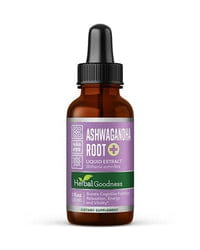
If quick absorption or mixing into a beverage is your thing, the Ashwagandha Root Liquid Extract - Organic - Energy & Mood provides a versatile option that fits right into modern routines, from morning smoothies to evening teas.
Taste Preferences in 2026
Flavor profiles matter more than ever. If you’re seeking a neutral addition for food or DIY recipes, pure ashwagandha may be best. If you want inspiration or to make supplement-taking enjoyable, explore well-reviewed blends with natural fruit, spice, or herbal flavors – many users pair them with functional drinks like Papaya Leaf Extract - - Organic 16oz 15X Liquid Extract for a daily wellness boost without overwhelming your palate.

Budget and Packaging
Single-ingredient products can offer value when you want targeted support and clear dosing. Blended supplements sometimes cost a bit more due to extra ingredients but offer a bundled approach that may reduce your overall need for multiple products.
Practical Example Scenarios
- Early mornings, on-the-go?—Consider a potent single-ingredient capsule, easy to take with water and minimal fuss.
- Part of a nightly tea ritual?—A calming blend with ashwagandha and other relaxing herbs may feel like a gentle wind-down routine.
- Blender breakfast lover?—Single-ingredient or tasteful blends in powder form can boost smoothies without overpowering flavor.
To tailor your supplement ritual, try alternating a focus blend, such as the Brain and Focus - Organic 1oz 15X Liquid Extract - Cognition & Memory on busy workdays and Papaya Leaf Extract Blood Support - 10X 60/450mg Capsules - Blood Platelet during times of increased physical demand.
Reading Supplement Labels: The Shopper’s Checklist
No matter which route you choose, keep this label checklist handy:
- Confirm ashwagandha’s position on the ingredient list (first means most prominent).
- Note the specific extract used and its standardization.
- Check for third-party certifications relevant to your lifestyle (organic, vegan, gluten-free).
- Ensure serving size matches your expectations—especially if you’re comparing single and blended forms.
- Look for a “supplement facts” panel that’s easy to read and transparent.
- Avoid proprietary blends with undisclosed quantities when possible, so you know exactly what you’re getting.
2026 Trends: How Shoppers Are Choosing Ashwagandha
More consumers are reading beyond the front label, prioritizing transparency and meaningful details. Here’s what is shaping choices in 2026:
- Personalization: The desire for targeted routines is leading to a resurgence in single-ingredient supplements.
- Convenience: Blends remain a favorite for multi-benefit seekers and those short on time.
- Clean Label Movement: Simpler ingredient decks, verified sourcing, and certifications are in high demand.
- Holistic Rituals: Product choice is tied to not just benefits, but the enjoyment of daily wellness habits—whether it’s a morning boost, an evening wind-down, or fitting into a busy lifestyle.
Making a Confident Choice for Your Wellness Routine
There’s no one-size-fits-all answer. The “best” supplement is the one that aligns with your daily habits, values, preferences, and wellness intentions. By knowing the key differences between single-ingredient and blended ashwagandha, you’re empowered to choose what fits your needs today—and as wellness trends shift in 2026.
FAQs:
- What is the main difference between single-ingredient and blended ashwagandha supplements?
Single-ingredient ashwagandha supplements contain just ashwagandha as the active botanical, usually alongside only necessary capsule or powder fillers. Blended supplements combine ashwagandha with other herbs, adaptogens, or botanicals to provide a broader spectrum of traditional benefits.
- How can I tell if a supplement is single-ingredient or blended?
Check the ingredient list for other herbs or botanicals. If ashwagandha is the only herb listed (apart from carriers or natural fillers), it’s single-ingredient. If other herbs appear, it’s a blend.
- Why might I choose a single-ingredient ashwagandha product?
A single-ingredient product offers simplicity, clear dosing, easier customization with other supplements, and a neutral taste—ideal if you prefer straightforward routines or are new to ashwagandha.
- When could a blended ashwagandha supplement be a better fit?
Blends are practical if you want the convenience of multiple herbs in one serving, enjoy new flavors, or aim for broader wellness support from various botanicals working together.
- Does label reading really matter for ashwagandha supplements?
Yes—reading the label helps you confirm ashwagandha’s concentration, identify certifications, and ensure the product fits your preferences and lifestyle, especially when comparing single-ingredient versus blended options.
- Is there a difference in taste between single-ingredient and blended ashwagandha?
Often, yes. Pure ashwagandha has an earthy, sometimes bitter taste, while blends may have added flavors or complementary herbs that can mask or improve the flavor experience.
- Are there risks of combining ashwagandha blends with other supplements?
If you take multiple supplements, a single-ingredient ashwagandha allows more precise control to avoid overlap. With blends, check the ingredient list to prevent duplicating botanicals already in your routine.
Author Name:
Herbal Goodness Editorial Team
Author Bio:
The Herbal Goodness Editorial Team specializes in holistic health and superfoods, blending science and nature to educate and empower our community.
References:
Introducing Graviola to Young Taste Buds: Fun, Family-Friendly Flavor Exploration
Graviola in the Classroom and at Home: Creative Activities to Teach Kids About Tropical Plants
Why Social Impact Matters in Plant-Based Wellness