Shopping for Sustainable Reishi: A Guide to Ethical Sourcing & Buying

Reishi mushroom—long valued in holistic traditions—is now readily available everywhere, from bustling farmers’ markets and local health shops to sprawling online retailers. But as the popularity of reishi grows, so does the importance of choosing products that honor environmentally responsible practices. If you’re keen to buy reishi with sustainability in mind but unsure where to start, you’re not alone. This guide breaks down how to navigate your options with clear, curiosity-driven strategies so you can confidently shop for ethical reishi—no advanced science required.
Why Sustainability Matters When Shopping for Reishi
Each time you purchase reishi—a mushroom with deep roots in wellness traditions—you also support the practices that brought it to harvest. Choosing mushrooms grown and handled with care makes a difference for forests, farming communities, and your peace of mind. Sustainable sourcing ensures the environmental footprint of your purchase is minimized, supports fair labor, and encourages transparency throughout the supply chain.
Your shopping decisions create ripples. Sustainably sourced reishi helps maintain biodiversity, protect wild habitats, and foster long-term stewardship of land. It encourages companies and growers to adopt responsible harvesting, use eco-friendly packaging, and operate with traceable, honest supply chains. Even small actions like reading a label carefully or asking a few questions at a local market can have a big effect.
Where to Buy Reishi Mushroom Products
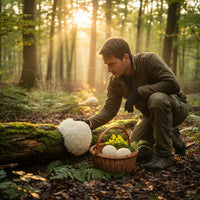
Local markets offer the unique advantage of meeting growers face-to-face. Whether it’s a tent at a neighborhood fair or a booth at a seasonal farmers’ market, this route often provides direct insight into how mushrooms are grown and harvested.
- Ethical Inquiry Made Easy: Come prepared with a few simple questions for vendors. Ask about their growing methods (organic, wildcrafted, or conventional), land stewardship, and packaging. Farmers who take pride in sustainable methods usually enjoy sharing their story.
- Labeling & Signage Clues: Look for mentions of organic certification, forest-friendly harvesting, or compostable packaging. Locally branded products might also highlight community involvement or land restoration efforts.
Specialty shops and apothecaries often partner with small-scale producers or ethically vetted brands.
- Curated Selections: Staff at these shops are typically knowledgeable and may provide background information on product sourcing, partnerships, and how brands vet their own suppliers.
- Transparency & Documentation: Some stores showcase certificates, third-party lab results, or relationships with local growers right at the counter. Don’t hesitate to ask for more details.
Shopping online widens your choices but can feel overwhelming. With a few strategies, you can still ensure your reishi is sourced and handled responsibly.
- Official Brand Sites: Buying directly from a brand’s website usually allows for in-depth product and process transparency.
- Eco-Conscious Retailers: Prioritize shops that emphasize sustainable packaging, fair trade sourcing, and ingredient traceability. Look for stores that provide meaningful information about where and how their reishi is cultivated.
- Read Real Reviews: Customer reviews can offer practical insight into not just product quality, but delivery practices and perceived brand integrity.
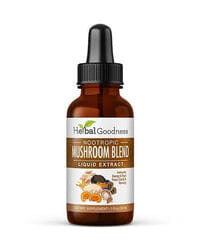
If you are interested in broader mushroom wellness and eco-friendly choices, blends like the Mushroom Blend - Organic 1oz 15X Liquid Extract - Adaptogens & Brain Power are crafted with mindful sourcing and combine various mushrooms for multi-faceted support.
Evaluating Sourcing: Simple Questions for Mindful Buyers
Whenever you consider a new reishi product, ask yourself:
- Who grew or harvested this mushroom?
- Is the producer a small local farm, a cooperative, or a large-scale operator?
- Are workers’ rights and fair pay a company priority?
- Where did it come from?
- Is the reishi wild-foraged or farmed? Is it from your region, or imported from overseas?
- How are local ecosystems protected in the sourcing area?
- What methods were used?
- Are organic, regenerative, or low-impact methods mentioned?
- Are the mushrooms harvested in ways that allow for regrowth and future abundance?
Some wellness enthusiasts expand their sustainable choices by including adaptogenic and immune-boosting options. Products like Lion's Mane Mushroom Liquid Extract - Organic 1oz - Brain & Mood can complement your reishi routine and provide additional cognitive support—just be sure to check for similar sourcing and transparency values.
- Green Lights:
- Specific details about farm practices
- Certifications (organic, fair-trade, forest stewardship)
- Transparency about supply chain
- Compostable or recyclable packaging
- Red Flags:
- Vague product origins (“distributed by” with no grower info)
- No mention of ethical or ecological practices
- Excessive plastic or non-recyclable packaging

Certifications and What They Really Mean
Common certifications offer assurance about sustainability and ethical practices:
- USDA Organic: Indicates mushrooms were grown without synthetic chemicals and with attention to soil health and biodiversity.
- Fair Trade Certified: Signals fair wages and support for farming communities.
- Non-GMO: Ensures cultivation avoids genetically modified strains.
- Forest Stewardship Council (FSC): Applies if wild forests are involved, reflecting careful habitat management.
When shopping for herbal teas, Bamboo Leaf Tea – 24/1.5g Tea Bags - Nature's Collagen & Biotin is an example of a product where organic labeling and mindful sourcing are clearly communicated, offering confidence to sustainability-minded shoppers.
Certifications are a starting point but not the entire story. A product can be environmentally friendly even if it’s not certified, especially for small local growers for whom certification is cost-prohibitive. Certification bodies often have public databases where you can check claims. Don’t hesitate to ask retailers about their verification process—transparency should always be accessible.
Packaging: The Overlooked Factor in Sustainable Reishi Shopping
Eco-conscious buyers recognize that packaging matters just as much as ingredients. Compostable or biodegradable wrappers, recyclable glass, paper, or minimal packaging help reduce environmental strain. Opt for products with an explicit focus on packaging sustainability, such as those found in the Tea & Infusions section, where you’ll often see clear details about recyclable and eco-friendly solutions.

Ask yourself whether the packaging is locally recyclable or compostable, how much is used, and whether natural dyes or recycled materials are incorporated. Every step toward eco-friendly packaging helps reduce your purchase’s overall environmental impact.
Environmental Impact Beyond the Product
Practices that make a difference include regenerative agriculture, careful water and energy management, and waste reduction. Sustainable growers may use renewable energy or capture rainwater and may reuse spent substrates or compost production scraps. Transparency from producers is key—many trustworthy brands prioritize sharing such environmental efforts with their customers.
Stewardship indicators might include community education commitments or partnerships with conservation groups. Choosing products from brands that openly discuss such practices furthers environmental and social responsibility.
If supporting community impact matters to you, ingredient blends—such as Mushroom Blend - Organic 1oz 15X Liquid Extract - Adaptogens & Brain Power—are worth exploring, as companies behind these often make their environmental stewardship public.
A Mindful Buying Checklist: Your Sustainable Reishi Shopping Toolkit
- Ask about origins—Who produced this and where?
- Examine certifications—Are there any, and what do they mean in context?
- Assess packaging—Is it recyclable, compostable, or otherwise eco-friendly?
- Evaluate transparency—Does the brand or seller offer details about farming methods, community impact, or resource use?
- Consider reviews—What do others say about sustainability claims?
- Start conversations—Vendors at markets and specialty stores often welcome questions and can offer valuable insights.
Every choice you make as a shopper nudges the marketplace toward better practices. By using your curiosity to inquire, your observation to notice, and your values to choose, you help foster a world where mushrooms—and the communities that nurture them—can thrive for generations. Whether you’re picking up mushrooms from a smiling farmer or clicking “add to cart” from a trusted online retailer, thoughtful questions and a few extra seconds of label reading make a real, positive difference.
FAQs:
- What makes reishi mushroom products sustainable?
Sustainable reishi products are cultivated or harvested using approaches that prioritize soil health, local ecosystems, fair labor, and responsible packaging. This includes practices like organic farming, regenerating the land, and using eco-friendly materials for packaging.
- How can I recognize ethical and eco-friendly reishi brands?
Look for clarity about where and how mushrooms are grown, relevant certifications (such as organic or fair trade), minimal or compostable packaging, and transparent information on sourcing. Brands that openly discuss their stewardship practices are often good choices.
- Are certifications necessary for sustainable reishi?
Certifications like USDA Organic or Fair Trade can help guide you, but some small local producers follow sustainable methods without formal certification. Asking questions and looking for transparency remains important regardless.
- How important is packaging when choosing reishi products?
Packaging plays a significant role in sustainability. Opt for products with recyclable, biodegradable, or minimal packaging to help reduce environmental impact and landfill waste.
- Where is the most sustainable place to buy reishi?
There’s no single best place, but local farmers’ markets and specialty health shops allow you to ask questions directly and support smaller, community-based producers with transparent practices. Online options can also be sustainable if you carefully review sourcing and packaging details.
- What questions should I ask sellers about their reishi sourcing?
Ask about the farm’s location, growing or harvesting practices, labor policies, type of packaging, and whether they hold any relevant certifications. Inquiring about regenerative or low-impact farming methods is especially helpful.
- Can wild-harvested reishi be sustainable?
It can be, if done responsibly. Sustainable wild-harvesting involves gathering mushrooms in a way that preserves the local ecosystem and allows for continued natural growth. Transparency from harvesters or sellers is key here.
Author Name:
Herbal Goodness Editorial Team
Author Bio:
The Herbal Goodness Editorial Team specializes in holistic health and superfoods, blending science and nature to educate and empower our community.
References:
Introducing Graviola to Young Taste Buds: Fun, Family-Friendly Flavor Exploration
Graviola in the Classroom and at Home: Creative Activities to Teach Kids About Tropical Plants
Why Social Impact Matters in Plant-Based Wellness