Shop Allergen-Friendly Herbal Tea Bundles: Complete Safety Guide
Allergen awareness in herbal tea bundle creation isn't just for big brands—it’s fundamental for every small tea maker and local herbalist. With increasing consumer focus on food transparency and ingredient safety, designing allergen-aware herbal tea bundles helps build trust while safeguarding your customers and your reputation. This essential guide walks you through the practical basics: from ingredient labeling and cross-contact prevention, to offering swap-friendly herbal alternatives in your blends. You’ll find approachable, non-medical advice designed for creators and curious readers alike, helping you communicate clearly and foster a more inclusive tea experience.
Why Allergen Awareness Matters for Herbal Tea Bundles
Every mug of herbal tea tells a sourcing and production story. For people with food sensitivities or allergies, this story can have high stakes. Herbal tea blends—whether traditional or custom—can contain ingredients that are common allergens, or trace elements from cross-contact during processing. As a small maker, prioritizing allergen safety means you’re not just meeting best practices; you're also respecting the needs of a diverse audience seeking enjoyment without worry.
Common Allergens in Herbal Teas
While many herbs are considered safe for broad enjoyment, some commonly found ingredients or flavorings can trigger allergic reactions, including:
- Nuts or nut-derived flavorings (like almond or hazelnut)
- Certain flowers (like chamomile, which is in the Asteraceae family)
- Spices (such as cinnamon or licorice)
- Fruits, peels, or zest included in blends
- “Natural flavorings” with undisclosed origins
For herbal bundles that cater to all, consider highlighting caffeine-free and single-ingredient teas like Organic Papaya Leaf Tea | 24 Premium Bags – Caffeine-Free, which can appeal to those with specific concerns. Learning to recognize and label these clearly is key to consumer trust and safety.
Building Ingredient Transparency Into Your Tea Bundles
The Power of Clear, Simple Labels
Accurate and easy-to-read labeling is one of the most powerful tools for allergen awareness. Even small-batch makers should aim to:
- List every individual herb, flower, or additive (no generic groupings)
- Specify if any ingredient is a common allergen
- Note any ingredient with varied names (e.g., “licorice root” vs “sweet root”)
- Avoid ambiguous “blend,” “extract,” or “natural flavors” without explanation
Labeling example:
- Instead of “herbal citrus blend,” list: “Lemongrass, Orange peel, Hibiscus, Stevia leaf.”
- If using a nut flavoring, indicate: “Contains almond-derived flavor.”
When providing alternatives, consider offering Herbal Tea Trio Bundle | Guava, Hibiscus & Avocado – 3 Organic Packs as a clearly-labeled, swap-friendly gift.
Batch Codes and Production Details
Adding a batch code or date stamp on each packet or box allows traceability if issues arise. Some makers also note the kitchen or production day, particularly helpful for home-based or farmers market products.
Cross-Contact: Practical Steps to Minimize Risk
What Is Cross-Contact?
Cross-contact refers to the unintended transfer of an allergen from one ingredient, tool, or surface to another. Even tiny amounts can matter to highly sensitive individuals. In a home or small kitchen, risk often comes from shared utensils, surfaces, improperly cleaned jars, or bulk storage bins.
Reducing Cross-Contact in Herbal Tea Making
To create safer, allergen-aware tea bundles, adopt these core practices:
1. Dedicated Equipment:
- Use separate utensils, scoops, and bowls for allergen-containing and allergen-free blends.
2. Meticulous Cleaning:
- Wash and sanitize mixing bowls, pitchers, work surfaces, and hands between each blend. Consider food-safe sanitizers or high-temperature dishwashing.
3. Storage Strategy:
- Store herbs prone to allergies (like nuts, chamomile, or fennel) in sealed containers, stored separately from mainstock items.
Including caffeine-free options like Organic Hibiscus Tea 24 Bags | Heart Health & Antioxidant Wellness may further reduce cross-contact with common allergens.
4. Package on Separate Days:
- If possible, prepare blends with known allergens on different days from allergen-free blends; thoroughly clean workspace between sessions.
5. Document Your Process:
- Keeping notes on production practices and cleanings adds confidence—for both yourself and customers, should a question ever arise.
Applying Clear, Honest Labeling Language
Key Phrases and Disclosures
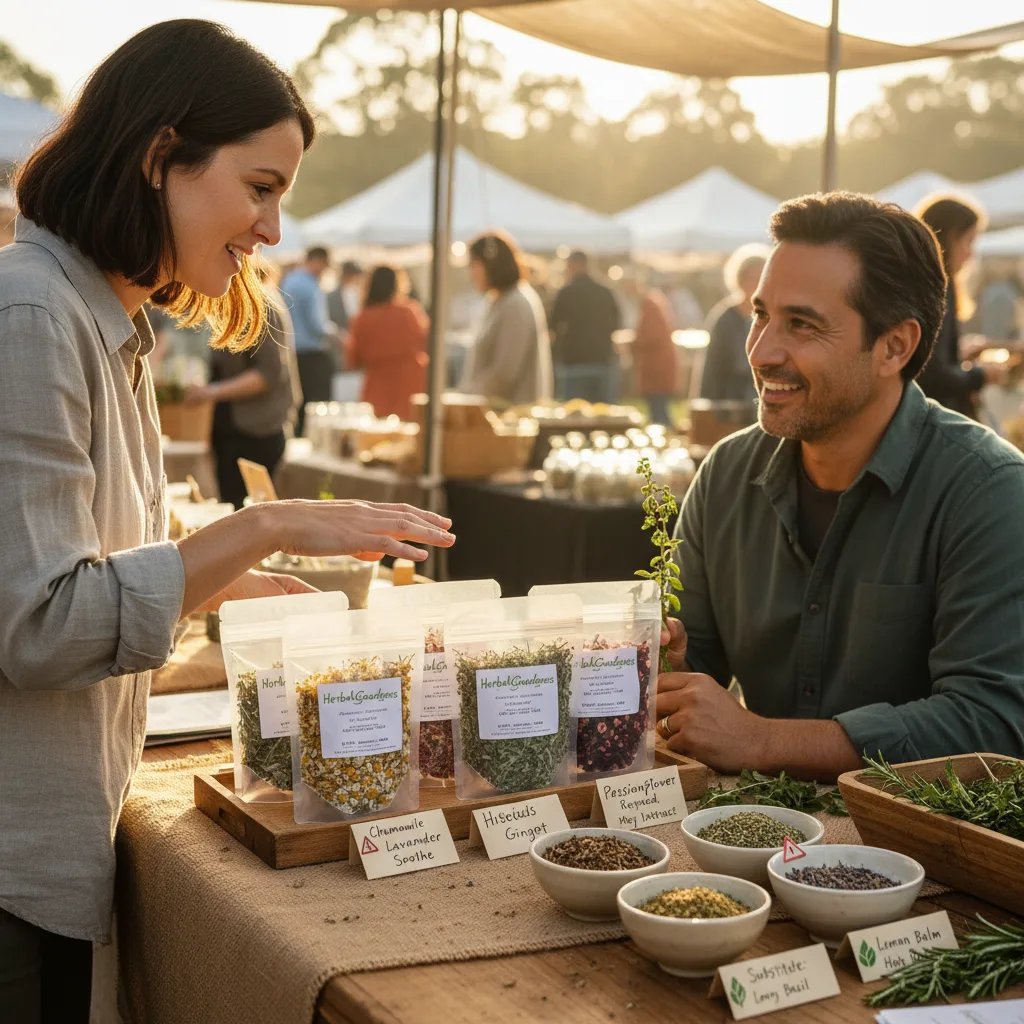
Descriptive, plain-language notes on your tea packaging or insert cards give consumers immediate clarity. Some widely recognized phrasing includes:
- “Produced in a facility that also handles [allergen].”
- “Contains [allergen] or processed in shared equipment with [allergen].”
- “Allergen-free blend—made without major allergens and with care to prevent cross-contact.”
Don’t hesitate to use bold or highlight allergen notes separately from the ingredients list, ensuring visibility.
Communicating Trace Possibilities
When you can’t fully guarantee allergen absence due to shared kitchen space, transparency is critical. Include a short note on possible trace exposure, empowering customers to make informed choices. You can reference blends such as Bamboo Leaf Tea 24 Bags | Nature's Silica – Collagen & Biotin Support, where allergen notes and pure ingredient lists are featured clearly for consumer peace of mind.
Substitution Strategies for Allergen-Aware Tea Packs
Why Friendly Substitutes Matter
Everyone deserves to enjoy flavorful, beautiful herbal teas. When a common tea ingredient triggers allergies or sensitivities, providing alternatives expands who can safely share in your blends. Thoughtful swap suggestions show care and creativity.
If you want to build custom allergen-free blends, products like Bulk Loose Leaf Teas & Tisanes - Organic 4oz - Herbal Wellness Teas offer flexibility to substitute one herb for another efficiently.
Popular Herb and Flavor Substitutions
Below are ideas for swap-friendly alternatives you can feature in brew cards, online bundle descriptions, or customer options:
- Chamomile Substitute: Lemon balm or linden blossom (for gentle, soothing notes)
- Licorice Root Substitute: Fennel seed (if tolerated) or anise hyssop (for sweet undertones)
- Almond Flavors: Roasted chicory root or hazelnut alternatives, or simply omit and add vanilla bean
- Citrus Peel: Dried apple pieces or rose hips (for bright, tart notes)
- Spices (e.g., cinnamon): Rooibos or cardamom (for warm, mellow depth)
To further personalize, use add-ins like Soursop Leaf Tea | Organic Graviola 24 Bags | Soursop Tea Benefits for Immunity & Wellness as a base for your blends.

Use wording like “If you have a sensitivity to [ingredient], try this alternative:” and list the option clearly. This empowers your customers to personalize the tea bundle to their needs.
Creating Customization and Notes on Brew Cards
Tea-brewing instructions often include origin wisdom, steeping tips, and flavor details. For allergen-aware bundles, add a section for "swap-friendly options" and brief notes on each blend:
- “This blend traditionally features chamomile. For those who avoid it, lemon balm is a gentle, soothing substitute.”
- “Request nut-free at checkout, or choose our vanilla bean/rose blend for a similar aromatic experience.”
This style of note demonstrates understanding and inclusive intent, reinforcing trust. Consider including an insert card showcasing bundles like Organic Herbal Tea Trio – Build-Your-Own Bundle | Mix & Match Any 3 USDA Organic Herbal Teas & Save 20%.
Packaging Practices for Safer, Allergen-Aware Herbal Tea Bundles
Packaging Materials
Opt for packaging that is:
- Non-reactive and food-grade (such as glass, BPA-free plastic, or lined paper)
- Machine- or thoroughly hand-cleaned before use
- Clearly labeled (front and back) with both branding and detailed ingredients
Safe Handling Checklist
Before assembling bundles:
- Double-check all herbs and add-ins for ingredients sourced from shared suppliers or bulk bins
- Sanitize all packaging surfaces and your workspace
- Review labels for missing or ambiguous language
- Store finished, labeled bundles in dedicated bins or sealed containers until delivery
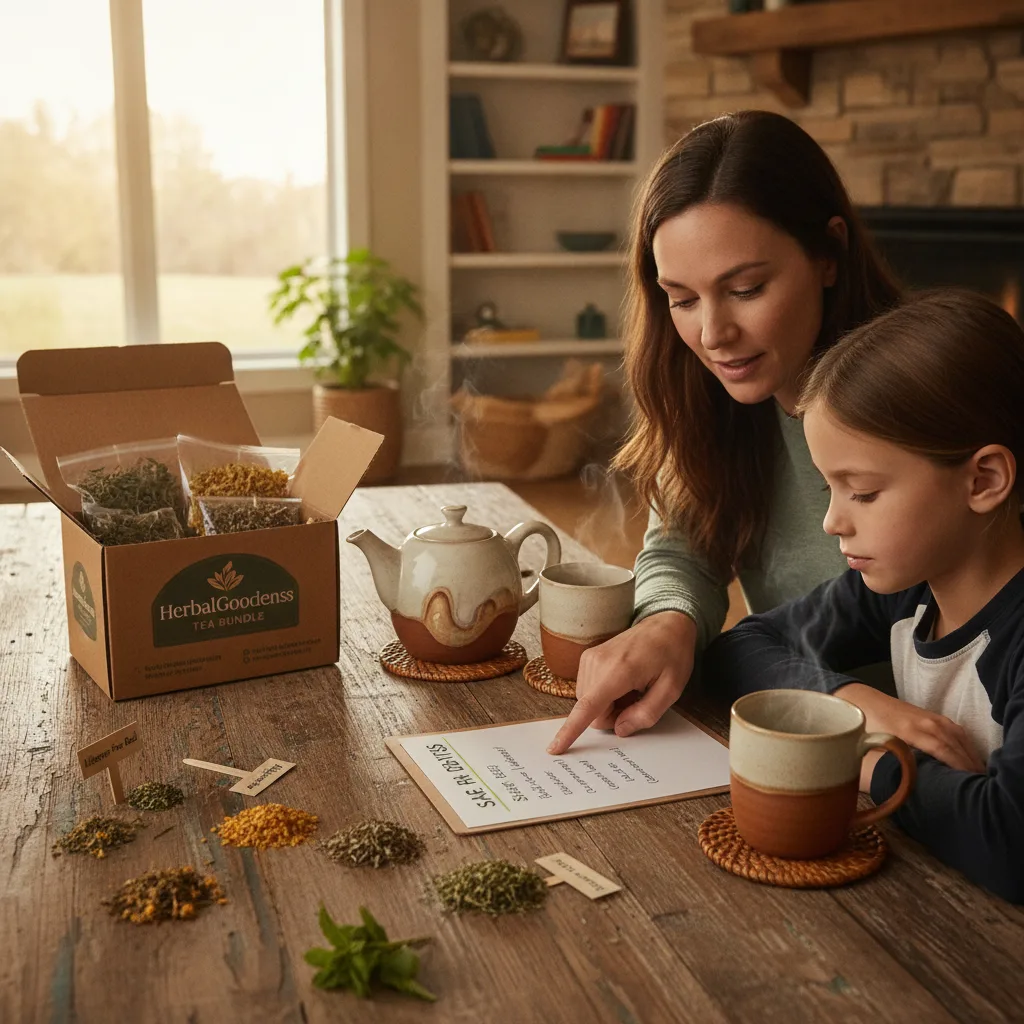
If you want to offer your blends unblended and pure, browse Bulk Herbs & Roots Online for Tea, Tinctures & DIY Wellness - Organic 4oz Bags for transparent, single-ingredient choices that support traceability in home tea crafting.
Communicating Allergen Safety to Customers
Building Trust Through Transparency
Simple, thoughtful communication makes a difference. When customers see clear ingredient lists, allergen notes, and swap suggestions, they feel respected and cared for. Herbal Goodness and many artisan brands continue to innovate packaging and production transparency so everyone—from the experienced tea drinker to the newcomer—can make confident choices.
If you're creating educational cards, highlight blends like Guava Leaf Tea Organic 24 Bags | Immunity & Gut Wellness – Caffeine-Free which have single, well-known origin ingredients reassuring to sensitive consumers.
Sample Wording for Online Descriptions or Market Booths
- “Allergen-aware: Every tea bundle lists all ingredients and notes potential traces.”
- “Prepared mindfully, with dedicated tools and careful handling.”
- “Swap-friendly guides are included; ask us about herb alternatives anytime.”
These messages create conversation, reduce confusion, and show that you’re committed to a positive, safe tea-drinking experience.
The Essential Role of Allergen Awareness for Small Herbal Tea Makers
Inclusion in food and beverage isn’t only about taste—it’s about fostering well-being and trust. For tea makers curating bundles, emphasizing allergen awareness through careful ingredient selection, meticulous handling, and honest labeling serves as the foundation of responsible small-batch crafting.
Taking the initiative to design with transparency, communicate cross-contact risk, and provide friendly substitutes ensures everyone can feel welcome in your unique tea world. By weaving consumer safety into every step of your creation process, you transform a simple cup of tea into an act of hospitality and care.
Frequently Asked Questions
Question 1: What are the most common allergens to watch out for in herbal teas?
Answer: Common allergens include nuts (such as almond flavorings), chamomile, ginger, certain spices, and undisclosed natural flavors. If you want safer options, try Organic Papaya Leaf Tea | 24 Premium Bags – Caffeine-Free or Organic Hibiscus Tea 24 Bags | Heart Health & Antioxidant Wellness, which are typically single-ingredient and transparent.
Question 2: How can I prevent cross-contact with allergens when making herbal tea at home?
Answer: Use separate utensils, bowls, and storage containers for blends with and without allergens. Clean all equipment thoroughly. When possible, prepare allergen-free blends like Herbal Tea Trio Bundle | Guava, Hibiscus & Avocado – 3 Organic Packs on different days from blends containing potential allergens.
Question 3: What is the best way to label herbal tea blends for allergy safety?
Answer: Clearly list each herb and additive, note any that are known allergens, and specify if there is a risk of trace exposure. For swap-friendly blends, highlight options such as Bamboo Leaf Tea 24 Bags | Nature's Silica – Collagen & Biotin Support, which offer transparency and alternatives.
Question 4: How do I substitute a common allergen in a tea blend?
Answer: Find similar-in-flavor herbs or omit the ingredient. For example, substitute chamomile with lemon balm, or almond flavors with roasted chicory root. Using open customization bundles like Bulk Loose Leaf Teas & Tisanes - Organic 4oz - Herbal Wellness Teas allows flexible substitutions.
Question 5: Are there pre-made allergen-aware tea bundles available?
Answer: Yes, options like Organic Herbal Tea Trio – Build-Your-Own Bundle | Mix & Match Any 3 USDA Organic Herbal Teas & Save 20% and Herbal Tea Trio Bundle | Guava, Hibiscus & Avocado – 3 Organic Packs can be customized for allergen sensitivity.
Question 6: What should I look for in herbal tea packaging for allergen safety?
Answer: Check for non-reactive materials, clean preparation, and a detailed, readable ingredient list. Sealed packaging with batch codes also improves safety. Single-ingredient teas, such as Guava Leaf Tea Organic 24 Bags | Immunity & Gut Wellness – Caffeine-Free, help trace sources and provide clarity.
Explore how thoughtful ingredient selection and transparent labeling practices can help you craft tea bundles that are both inviting and inclusive—delighting customers with every cup.
About the Author
Herbal Goodness Editorial Team
The Herbal Goodness Editorial Team specializes in holistic health and superfoods, blending science and nature to educate and empower our community.
References
Introducing Graviola to Young Taste Buds: Fun, Family-Friendly Flavor Exploration


FAQs
Drinking bamboo leaf tea supports hydration, relaxation, skin wellness, and antioxidant balance.
It’s used for general body wellness, skin elasticity, hair and nail support, and overall vitality.
Yes, bamboo leaf is rich in silica and antioxidants, which promote healthy skin, strong nails, and a youthful glow.
You can find dried bamboo leaf, powder, extract, drops, oil, and bamboo leaf green tea.
Bamboo leaf is generally safe when consumed in moderation. Always consult your healthcare provider before starting any new herbal supplement.