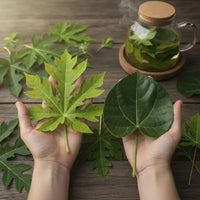
Papaya Leaf Tea Benefits: Key Compounds, Uses, Evidence, and Preparation Tips

Curiosity about herbal infusions continues to grow, especially among those seeking gentle, holistic options for their wellness routines. Papaya leaf tea stands out as a beverage with a long history of traditional use, intriguing plant compounds, and a unique taste profile. If you’re interested in papaya leaf tea benefits but want clear, balanced information about where those ideas come from and how to safely enjoy it, this guide covers the essentials in a practical, responsible way.
Traditional Uses and Origins of Papaya Leaf Tea
As with many herbal teas, papaya leaf tea boasts a rich tradition across various cultures. Historically, communities in tropical regions where papaya trees thrive—such as parts of Southeast Asia, South America, and Africa—have prepared teas from the leaves for everyday enjoyment. These communities have valued papaya leaves for their fresh, earthy flavor and as a household alternative to more conventional teas. Traditional uses have included steeping the leaves as a wholesome beverage, often believed to promote overall vitality and well-being.
While historical practices provide context for exploring papaya leaf tea, it’s essential to note that these uses reflect cultural beliefs and daily habits rather than verified health outcomes. The ongoing global interest in papaya leaf tea continues to echo these traditions as people weave the beverage into their current routines. Today, options like Organic Papaya Leaf Tea | 24 Premium Bags – Caffeine-Free allow modern drinkers to enjoy this tradition with quality assurance and convenience.
Key Plant Compounds in Papaya Leaves
What inspires the curiosity around papaya leaf tea benefits? Much of the interest comes from the array of naturally occurring plant substances in the leaves—many of which are actively studied today. Some of the most notable compounds found in papaya leaves include:
- Flavonoids: Known for antioxidant activity, these compounds contribute to the leaf's distinct character and are common in many plant-based foods and teas.
- Alkaloids: Papaya leaves contain small quantities of alkaloids, providing a slightly bitter note and contributing to traditional perceptions of the tea’s invigorating profile.
- Vitamins and minerals: The leaves offer a source of micronutrients such as vitamin C, E, and some B vitamins, along with minerals like magnesium and potassium.
- Papain and other enzymes: Papaya leaves are traditionally valued for enzymes like papain, which have attracted scientific interest, although most research explores these in highly concentrated forms.
Those seeking a more potent source of these active compounds might also consider Organic Papaya Leaf Extract 16oz | 15X Liquid – Best Value Size, which delivers a concentrated dose of the beneficial constituents found in papaya leaves.
Appreciation for these compounds does not directly translate into guaranteed health effects, but they contribute to the plant’s unique place in herbal traditions and inform ongoing scientific inquiry.
Scientific Evidence: What Exists and How to Interpret It
It’s important to approach claims about papaya leaf tea with a thoughtful awareness of the types and strength of scientific evidence available. Here’s a breakdown of what’s currently known:
Laboratory Studies
Many studies on papaya leaf extracts occur in laboratory settings (in vitro) or use experimental models unrelated to daily human habits. These studies often investigate topics like antioxidant activity, plant compounds, or enzyme properties in controlled environments. While these findings are valuable for foundational understanding, laboratory results do not always translate directly to effects in people drinking a cup of tea at home.
Small Clinical Trials and Human Observations
A handful of small-scale studies have examined the use of papaya leaf extracts in specific populations. These trials sometimes suggest areas for further exploration, but sample sizes, methods of preparation, and outcome measures often vary widely. Most human-focused research still centers on extracts or supplements, not on traditionally brewed tea. Those who prefer standardized products might look into Papaya Leaf Extract Capsules 600mg | 10X Strength – Platelet Support for a convenient way to supplement.
Anecdotal and Traditional Accounts
Much of the enthusiasm around papaya leaf tea benefits arises from generations of anecdotal experience. Individuals and families have described subtle wellness effects and enjoyment as part of their regular routines. While such stories are meaningful, anecdotal evidence should be considered as personal experience rather than universal truth.
What Evidence Levels Mean
- Lab studies indicate potential and inspire future research.
- Small trials provide early clues but are not definitive.
- Anecdotes highlight historical and cultural connections, serving as a starting point for curiosity.
In summary, there is genuine scientific curiosity about papaya leaf compounds, but robust clinical evidence specific to papaya leaf tea as a beverage remains limited. A balanced perspective helps tea drinkers appreciate both the tradition and the current state of research.
Non-Medical Ways to Enjoy Papaya Leaf Tea in Daily Routines
Papaya leaf tea can be a flavorful and intriguing addition to your daily routine, especially if you’re open to herbal infusions beyond standard green or black teas. Here are some practical and enjoyable ways to brew, adapt, and savor papaya leaf tea at home:

Brewing Strength and Preparation
Brewing papaya leaf tea, whether from loose dried leaves or prepared bags, is straightforward:
- Standard Brew: Use 1 to 2 teaspoons of dried papaya leaf (or one tea bag) per cup of boiling water. Steep for 5 to 8 minutes, depending on how robust you prefer the flavor.
- Adjust for Taste: For a lighter, milder cup, steep less or use slightly fewer leaves. To experiment with a fuller-bodied flavor, extend steeping time or increase the leaf amount cautiously.
- Strain and Serve: Pour through a fine mesh or simply remove the tea bag. Savor hot, or allow to cool for a refreshing iced herbal beverage.
Pairing and Flavor Enhancements
Papaya leaf tea has an earthy, somewhat grassy taste profile that is both refreshing and distinctive. If you’re looking to balance or complement this flavor, you might try:
- Citrus Slices: Add a thin slice of lemon, lime, or orange for brightness.
- Natural Sweeteners: A drop of local honey, agave, or stevia can soften the edges without overpowering the tea’s natural character.
- Herbal Blends: Pair with a mild mint, lemongrass, or ginger infusion to add complexity and nuance.
For further variety, you can diversify your herbal beverage library with curated options such as the Herbal Tea Trio – Build-Your-Own Bundle.
Experimenting with temperature and concentration can also reveal new layers of aroma and taste. Whether you enjoy your tea strong and bold or light and subtle, there’s room for personal adaptation.
Incorporating Papaya Leaf Tea into Existing Habits
- Morning Rituals: Swap out your usual morning beverage for papaya leaf tea to start the day with something new.
- Afternoon Pause: Use it for a mid-day break, especially if you prefer caffeine-free options that offer a unique flavor.
- Blending: Mix papaya leaf tea with other herbal teas you already enjoy for added depth.

If you want to go beyond tea, Organic Papaya Leaf Extract 16oz | 15X Liquid – Best Value Size offers a potent and versatile addition to smoothies or juices, making it easy to integrate papaya goodness into your wellness routine.
Simple Precautions and Knowing When to Seek Guidance
While papaya leaf tea is appreciated worldwide and generally considered safe when used in moderation by healthy adults, it’s wise to approach any new herbal beverage with thoughtful consideration, especially if you have underlying health concerns or unusual sensitivities.
General Guidelines
- Start Small: Try a half-cup or single serving the first time to observe how your body responds.
- Quality Matters: Use reputable brands such as Herbal Goodness, known for transparent sourcing and careful processing.
- Listen to Your Body: If you notice any unusual reactions, pause consumption and monitor symptoms.

If you’re considering a supplement for platelet health, Blood Platelet Support with Papaya Leaf | Organic 15X Liquid Extract is designed specifically to support healthy platelet function using papaya leaf in a concentrated, easy-to-dose format.
Who Should Be Cautious?
- Pregnant or nursing individuals should consult with a qualified health professional before using new herbal products.
- Those with chronic health needs or who take prescription medications should check for possible interactions with their health provider.
- Children: Herbal teas are generally formulated for adults unless specifically labeled otherwise.
When to Seek Professional Advice
If you experience unexpected sensations after drinking papaya leaf tea, have pre-existing health considerations, or are unsure about herbal options, consult a healthcare professional or a licensed herbalist. Their expertise can offer tailored guidance based on your individual needs. A Personal Consultation with Herbalist or Health Coach might be useful for anyone desiring expert, individualized recommendations.
Papaya Leaf Tea: Cultivating Curiosity and Mindful Enjoyment
Choosing to explore papaya leaf tea is as much about savoring the ritual as it is about any specific benefit. While research continues, the tradition of papaya leaf’s use across cultures, the fascinating plant compounds involved, and the simple pleasure of preparation all come together to create a beverage worth discovering—gently, thoughtfully, and with mindful attention to your body’s cues.
For those seeking a flavorful addition to their tea repertoire, Organic Papaya Leaf Tea | 24 Premium Bags – Caffeine-Free offers a distinctive, heritage-rich alternative. As you explore this herbal infusion, remain open to its unique taste, cultural history, and the evolving world of scientific perspective.
Frequently Asked Questions
Question 1: What are the main benefits of papaya leaf tea?
Answer: Papaya leaf tea provides plant compounds like flavonoids, vitamins, minerals, and enzymes such as papain. Some drinkers are interested in potential wellness benefits, but robust clinical research is limited. For those seeking a more concentrated form, Organic Papaya Leaf Extract 16oz | 15X Liquid – Best Value Size provides a potent alternative.
Question 2: Is papaya leaf tea safe for daily use?
Answer: Papaya leaf tea is generally considered safe in moderation for healthy adults. Start with a small serving and observe how you feel. Always consult a professional if you are pregnant, nursing, have medical conditions, or take medication.
Question 3: How do I prepare papaya leaf tea for the best flavor?
Answer: Steep 1–2 teaspoons of dried papaya leaf or one tea bag in hot water for 5–8 minutes. Adjust the strength by altering the steep time. Enhance the flavor with citrus, herbs, or natural sweeteners. Ready-to-use options like Organic Papaya Leaf Tea | 24 Premium Bags – Caffeine-Free simplify preparation.
Question 4: Are there papaya leaf products for platelet support?
Answer: Yes, products such as Blood Platelet Support with Papaya Leaf | Organic 15X Liquid Extract and Papaya Leaf Extract Capsules 600mg | 10X Strength – Platelet Support are formulated to support healthy platelet function.
Question 5: Can papaya leaf tea be blended with other herbal teas?
Answer: Absolutely! Try blending with mild mints or citrusy herbs. The Herbal Tea Trio – Build-Your-Own Bundle provides the flexibility to experiment with combinations.
Question 6: Who should avoid papaya leaf tea?
Answer: Pregnant or nursing people, children, and those on medications or with medical conditions should consult a healthcare professional before use. For personalized recommendations, a Personal Consultation with Herbalist or Health Coach can help.
If you’re curious to bring papaya leaf tea into your daily ritual, start with reputable sources, enjoy experimenting with flavor combinations, and always listen to your body for the best experience.
About the Author
Herbal Goodness Editorial Team
The Herbal Goodness Editorial Team specializes in holistic health and superfoods, blending science and nature to educate and empower our community.
Related Articles
How to Choose Papaya Leaf Brands: Shopper’s Checklist for Every Lifestyle
Papaya Leaf Extract Capsules: How to Read Antioxidant Lab Results
Who Should Not Drink Papaya Leaf Juice? Evidence-Aware Safety Guide