





Sea Moss Gel Storage: Identifying Spoilage and Keeping It Safe at Home

Sea moss gel has quickly become a staple in many homes as more people appreciate its versatility and the simple, mindful routine of making it fresh. Whether blended into smoothies, stirred into teas, or enjoyed on its own, sea moss gel is delicate and perishable—its care determines both safety and quality. As a natural food product, sea moss gel behaves in unique ways from the moment it’s prepared, and understanding its storage, spoilage cues, and safe use is vital for every home user. In this guide, we’ll walk through practical, non-medical steps for keeping your sea moss gel safe, fresh, and appealing, helping you reduce waste and get the most out of every batch.
Understanding Sea Moss Gel Over Time: What to Expect as It Ages
A jar of freshly made sea moss gel has a clean taste, gentle ocean scent, and a silky texture. Like all natural gels, it changes gradually—even under ideal conditions. So, what’s normal and what should raise concern?
Typical Changes in Sea Moss Gel:
- Separation: Over days, some water may rise to the top or edges. This is normal—simply stir or shake gently to re-blend.
- Texture Shifts: It may thicken slightly or become looser, depending on your starting blend and storage method. As long as there’s no slimy, stringy, or clumpy feel that didn’t exist before, this isn’t harmful.
In addition to sea moss, incorporating supportive superfoods like Raw Sea Moss 8oz Bag | St. Lucia Wildcrafted – Nature's Multivitamin can enrich your wellness routine by offering natural minerals and nutrients.
What’s Not Normal (Potential Spoilage Signs):
- Unpleasant, Rotten, or Unexpected Smells: A sour, fishy, or off odor means it’s time to discard the gel.
- Visual Mold: Fuzzy, greenish, black, or white spots—especially where the air meets the gel—are indicators of spoilage.
- Unexpected Bubbling or Gas Formation: If you see persistent bubbles or the jar lid balloons out, this can signal unwanted activity in the gel.
Understanding the difference between safe changes and warning signs helps you use your sea moss gel confidently without worry.
The Role of Refrigeration, Freezing, and pH: Extending Sea Moss Gel Shelf Life
Sea moss gel is best kept cold. Temperature and acidity (pH) directly affect how long it stays safe and fresh:
Why Refrigeration Is Essential
The refrigerator slows natural change and curbs unwanted microbial growth. Under optimal conditions:
- Homemade sea moss gel typically lasts 2 to 3 weeks in the fridge.
- Shelf life can be shorter if the preparation or utensils weren’t thoroughly cleaned.
Cold Storage Tips:
- Use a tightly sealed, clean glass jar.
- Place gel towards the back of the fridge, not in the door.
- Always spoon out portions with a clean utensil.
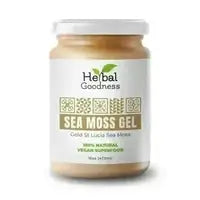
If you prefer to avoid frequent preparation, consider Sea Moss Gel 16oz | Wildcrafted Nutrient-Rich Superfood – In-Store Pickup for a ready-to-use, nutrient-rich option that aligns with proper storage recommendations.
The Impact of pH on Freshness
Sea moss gel’s slightly briny pH helps it last longer than some plant gels, but it’s still low-acid. Acidic environments help preserve foods. A squeeze of lemon juice can lower the gel’s pH, providing a small boost to safety and vibrancy—if desired for flavor, not as a foolproof preservative.
Freezing Sea Moss Gel for Long-Term Preservation
Freezing is a reliable preservation option:
- cube trays: Pour gel into silicone ice cube trays for easy, single-use portions.
- Jars: Leave space at the top of the jar to allow for expansion. Avoid overfilling.
- Label and date your containers before freezing. Gel can last up to 3–6 months in the freezer with minimal texture change.

Thawing Tips:
- Thaw cubes or jars in the fridge.
- Use within 7 days of thawing.
- Avoid refreezing thawed gel for best quality.
You might also want to explore Bulk Herbs & Roots Online for Tea, Tinctures & DIY Wellness - Organic 4oz Bags to support your homemade gel or infusions, which can add nourishing variety while following safe preservation techniques.
Safe Small-Batch Preservation: Cleanliness, Portioning, and Jar Sanitation
Small batches are ideal for home use—a fresh, manageable amount is easier to maintain and less likely to spoil. Here’s how to maximize safety:
Clean Utensils and Hands
- Always wash hands before handling gel.
- Use only clean, dry spoons or spatulas to avoid introducing contaminants.
If you use sea moss in beverages, Organic Papaya Leaf Extract 16oz | 15X Liquid – Best Value Size may also complement your wellness habits, as both require careful storage and batch management to retain potency.
Jar Sanitation Steps
- Sterilize jars: Immerse clean jars and lids in boiling water for 10 minutes, then let air dry.
- Fill jars only after they are cool and dry to avoid condensation.
- Store jars in the fridge as soon as the gel is ready.
Freezing in Cubes: Convenience and Waste Reduction
- Portion out sea moss gel into clean silicone trays.
- After freezing, pop cubes out and transfer to airtight freezer bags.
- Use cubes as needed to reduce thaw-refreeze cycles and prevent spoilage.
Decision Rules: When to Discard or Repurpose Sea Moss Gel
If you’re unsure about your gel, these decision rules can guide you safely:
When to Discard:
- If it smells sour, rotten, or different from when first prepared.
- If mold appears—anywhere, in any amount.
- If there is visible bubbling, swelling, or the lid bulges.
- If the texture changes drastically (slimy, stringy, grainy) without an obvious benign cause (like over-blending or over-thickening).
For those keen to diversify their superfood options, Raw Sea Moss 8oz Bag | St. Lucia Wildcrafted – Nature's Multivitamin is an easy way to start with the raw form, giving you control over freshness and quality from the source.
When You Can Safely Stir or Use:
- If some liquid separates but there is no off smell or visible mold, simply stir.
- If it thickens slightly but looks, smells, and tastes as usual, it is likely still food-safe.
You may also find Sea Moss Gel 16oz | Wildcrafted Nutrient-Rich Superfood – In-Store Pickup aligns well with your safety checklist, as it’s prepared for maximum freshness.
When to Repurpose:
- If nearing the end of its shelf life but not showing spoilage, use gel in smoothies, oatmeal, or cooking where texture changes aren’t noticeable
- Use leftover gel creatively within food-safe timing. Never repurpose spoiled gel.

Reducing Waste and Maximizing Food Safety at Home
Mindful handling and storage prevent waste and encourage safety. Tips for keeping your kitchen running smoothly:
- Make small batches to ensure you finish the gel within two to three weeks.
- Label batches with the date made.
- Use clean spoons every time—even household bacteria can shorten shelf life.
- Freeze extra gel promptly if you know you won’t use it soon.
- Be alert for any changes but trust your senses—smell and sight are primary cues.
- If in doubt, it's safer to compost than to risk using questionable gel.
Those interested in broadening their wellness recipes may enjoy pairing sea moss with Bulk Herbs & Roots Online for Tea, Tinctures & DIY Wellness - Organic 4oz Bags for creative and nutritious kitchen adventures.
Simple At-Home Sea Moss Gel Safety Checklist
- [ ] Store gel in a clean, airtight container
- [ ] Use the refrigerator for daily use, freezer for long-term
- [ ] Always use clean utensils
- [ ] Check for off smells or odd appearances
- [ ] Discard if mold, odd gas, or sour odor develops
- [ ] Label each batch with its date
- [ ] Repurpose if a batch is close to expiring but otherwise fine
- [ ] Never try to salvage clearly spoiled gel
Sea moss gel can fit beautifully into a mindful lifestyle, supporting simple routines and food safety at home. By following gentle rules rooted in observation, cleanliness, and good kitchen habits, you can enjoy your gel with peace of mind while wasting less. Remember: Every batch teaches you a bit more about the natural world and your own kitchen wisdom.
Frequently Asked Questions
Question 1: How long does homemade sea moss gel last in the refrigerator?
Answer: Homemade sea moss gel typically lasts 2 to 3 weeks in the fridge. To maximize freshness, use a clean jar and always handle with clean utensils. If you're seeking a convenient alternative, consider ready-made Sea Moss Gel 16oz | Wildcrafted Nutrient-Rich Superfood – In-Store Pickup.
Question 2: Can I freeze sea moss gel for later use?
Answer: Yes, freezing sea moss gel is effective for longer storage. Portion gel into silicone ice trays or leave space in jars, and use within 3–6 months. Thaw only what you need for up to 7 days of use.
Question 3: What are the main signs that sea moss gel has spoiled?
Answer: Discard gel if you notice sour or off smells, mold growth, persistent bubbling, or a bulging lid. Changes in texture such as sliminess can also indicate spoilage.
Question 4: Why is batch size important when making sea moss gel at home?
Answer: Smaller batches are easier to keep fresh and safe since you can use them up within a couple of weeks. This minimizes waste and supports mindful kitchen habits. Using options like Raw Sea Moss 8oz Bag | St. Lucia Wildcrafted – Nature's Multivitamin lets you control your portioning from start to finish.
Question 5: Is it necessary to sterilize jars before storing sea moss gel?
Answer: Yes, sterilizing jars helps prevent bacterial contamination and extends storage life. Use boiling water to sterilize and make sure jars are fully air-dried before filling.
Question 6: What other herbs or superfoods complement sea moss gel for wellness routines?
Answer: Sea moss pairs well with nutrient-rich botanicals such as Bulk Herbs & Roots Online for Tea, Tinctures & DIY Wellness - Organic 4oz Bags or even liquids like Organic Papaya Leaf Extract 16oz | 15X Liquid – Best Value Size.
Practicing safe sea moss gel storage and handling means you can enjoy every batch confidently. Start with small amounts, trust your senses, and let each experience guide your kitchen routine.
About the Author
Herbal Goodness Editorial Team
The Herbal Goodness Editorial Team specializes in holistic health and superfoods, blending science and nature to educate and empower our community.
Related Articles
Home Prep Guide: Safe, Flavor-First Ways to Prepare and Use Papaya Leaves
Teas, Tinctures, or Powders? How Herbal Formats Shape Plant Compounds
Best Organic Papaya Seed Powder for Preserving Natural Enzymes
Share this
Popular posts


FAQs
1. What are the main benefits of drinking bamboo leaf tea?
Drinking bamboo leaf tea supports hydration, relaxation, skin wellness, and antioxidant balance.
2. What is bamboo leaf extract used for?
It’s used for general body wellness, skin elasticity, hair and nail support, and overall vitality.
3. Can bamboo leaf help with skin care and body wellness?
Yes, bamboo leaf is rich in silica and antioxidants, which promote healthy skin, strong nails, and a youthful glow.
4. What forms of bamboo leaf are available?
You can find dried bamboo leaf, powder, extract, drops, oil, and bamboo leaf green tea.
5. Are there any side effects of bamboo leaf?
Bamboo leaf is generally safe when consumed in moderation. Always consult your healthcare provider before starting any new herbal supplement.