Rooibos and Sustainability: A Guide to Ethically Grown Premium Loose-Leaf Tea

Rooibos, a naturally caffeine-free herbal tea from South Africa, continues to gain appreciation not just for its unique flavor but also for the values and practices behind its production. As more tea drinkers seek teas that align with environmental and ethical priorities, understanding what makes rooibos sustainable becomes essential. When considering which premium loose-leaf rooibos to buy, a closer look at ethical sourcing, sustainable farming, water responsibility, and fair labor can help you make a decision aligned with your values.
What Does Sustainable and Ethical Mean for Rooibos Production?
Sustainability and ethics in rooibos production go beyond simple environmental consciousness. These concepts shape the way rooibos is grown, sourced, and brought to you as a premium loose-leaf tea. To choose the best quality rooibos, it's helpful to understand how these values manifest across the industry.
Sustainable Farming Practices in Rooibos Tea
Sustainable farming refers to growing rooibos in ways that preserve the natural environment for future generations. Key elements include:
- Soil Care: Rooibos thrives in poor, sandy soils. Ethical farmers rotate crops and minimize chemical inputs to maintain soil health and reduce erosion.
- Wild Harvesting: Some higher-end rooibos comes from wild-grown plants, hand-harvested with minimal impact on the ecosystem.
- Pesticide Reduction: Minimizing or eliminating synthetic pesticides ensures a cleaner, more eco-friendly rooibos.
- Biodiversity: Multi-crop farming and maintaining natural vegetation around plantations support birds, insects, and other wildlife.
When you shop for sustainably grown rooibos, these practices help protect the fragile ecosystems where the plant flourishes. Choosing our organic herbal teas is a way to ensure your loose-leaf comes from producers prioritizing sustainable soil and ecosystem health.
Water Stewardship in Rooibos Cultivation
Water is a precious resource in the arid regions of South Africa where rooibos is grown. Ethical producers focus on:
- Efficient Irrigation: Drip systems and rainfall capture reduce waste.
- Rainfed Rooibos: Many traditional producers rely on natural rainfall, further minimizing water use.
- Erosion Control: Maintaining grasses and shrubs between rows helps retain moisture and prevent washing away topsoil.
When considering where to buy premium loose-leaf rooibos, look for information about how growers steward water resources—a marker of genuine sustainability. Another great choice that reflects these values is our organic herbal teas, which allows you to shop in a more resource-efficient way.
Fair Labor and Social Responsibility on Rooibos Farms
Truly ethical rooibos means more than protecting land; it involves supporting the people behind the tea. This includes:
- Fair Wages: Workers on ethical farms receive fair compensation.
- Safe Working Conditions: Producers committed to worker well-being provide protective equipment and safe environments.
- Community Investment: Some rooibos cooperatives contribute to local schools, health centers, and social projects, helping uplift families and empower small communities.
When seeking rooibos for sale from a responsible source, information on social commitment signals that the tea aligns not only with environmental but also with human well-being.
Understanding Certifications and Labels When Buying Rooibos
When you shop for rooibos, especially premium loose-leaf options, third-party certifications and labels offer evidence of sustainable and ethical standards. Knowing what to look for can help you choose the best quality tea possible.
Primary Rooibos Certifications Explained
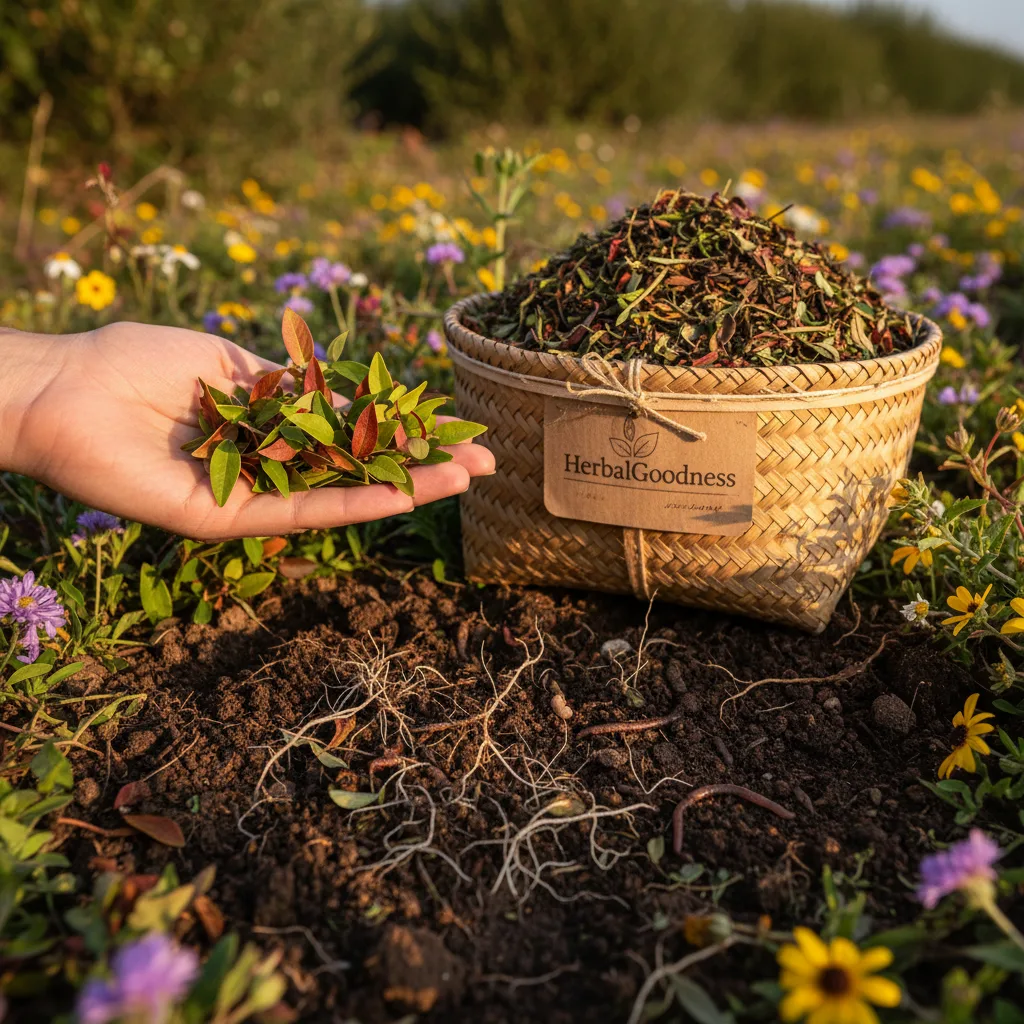
- Fair Trade: Ensures fair wages, safe working conditions, and equitable partnerships along the supply chain.
- Organic: Indicates that the rooibos has been cultivated without synthetic pesticides or fertilizers, meeting rigorous standards for soil and ecosystem health. Look for organic rooibos for sale with this label.
- Rainforest Alliance: Focuses on biodiversity conservation and sustainable livelihoods for agricultural workers, though less common for rooibos than other teas.
- Non-GMO Project Tested: Highlights that no genetically modified organisms are involved in the growing or processing of the tea.
Knowing how to decode these labels helps you confidently order rooibos that fits your sustainability criteria.
What to Watch for on Packaging or Descriptions
When considering which rooibos to buy, check for the following on tea packaging or online listings:
- Clearly stated certifications (e.g., USDA Organic, Fair Trade Certified)
- Details about the origin (“farm direct,” “smallholder grown,” “wild-harvested”)
- References to environmental programs or reforestation initiatives
- Notes on worker well-being or community support
The more transparent the brand or producer is about their sourcing, the easier it is to connect your purchase with ethical values. By selecting our Bulk Herbs collection, you can often find suppliers who disclose these important details for every purchase.
Sourcing Stories: Small Producers and Cooperative Models
Much of the best quality rooibos comes from smaller farms and regional cooperatives in South Africa’s Western Cape. These producers:
- Share profits among member growers, often reinvesting in equipment or social services.
- Emphasize hand-harvesting, which is gentler on the plants and landscape.
- May focus on heirloom or wild varieties unique to their region.
Some brands, like Herbal Goodness, carefully select rooibos from such cooperatives to offer premium loose-leaf tea that supports both people and planet. Choosing premium loose-leaf rooibos from such sources supports fair labor and meaningful community investment.
How Sustainability Impacts Rooibos Flavor, Aroma, and Freshness
Choosing ethically grown rooibos isn’t only about the environment or worker rights—it influences your actual tea experience. Here’s how sustainable practices benefit the final product:
- Soil Health Equals Richer Flavor: Healthy soils nurture more complex flavor compounds in rooibos leaves.
- Wild and Organic Rooibos: These often deliver a more vibrant aroma, free from synthetic processing residues.
- Small Batch Processing: Cooperative and family farms frequently use traditional, small-scale methods, drying and fermenting rooibos in sunlit courtyards. This preservation of centuries-old techniques enhances both taste and character.

When you buy premium, responsibly sourced loose-leaf rooibos, you can often trace the nuanced flavor directly to earth-friendly farming and people-first practices. For those interested in variety and further minimizing environmental impact, consider our organic herbal teas, which offer a curated selection from ethical sources.
Practical Questions to Ask When Shopping for Premium Rooibos
To ensure you’re buying ethically grown, sustainable rooibos tea, consider these key questions:
- Where and how was this rooibos grown?
- Does it carry reputable certifications (e.g., organic, fair trade)?
- Is the brand transparent about its farmers or cooperatives?
- Are there details on water and land stewardship?
- How is quality preserved from harvest to packaging?
Raising these points not only helps you shop smarter, but also encourages tea companies to strengthen their own sustainability efforts. Purchasing our Bulk Herbs collection is another excellent route to further this commitment.
Recognizing the Best Quality and Value for Premium Rooibos
When shopping for premium loose-leaf rooibos, several cues help identify teas that balance quality, taste, and responsible sourcing:
- Leaf Appearance: High-quality rooibos is deep red-brown, uniform, and largely free from twigs or dust.
- Freshness Indicators: Look for recent harvest years and air-tight or resealable packaging, which help preserve flavor.
- Vendor Reputation: Read about the company’s sourcing commitments—brands like Herbal Goodness often share their ethical standards and relationships with regional farmers.
- Price-to-Value: Sustainably produced, premium rooibos may cost a bit more, reflecting fair compensation for growers, careful hand selection, and eco-friendly methodologies.
Supporting Eco-Friendly Packaging and Delivery
Sustainable rooibos isn’t just about origin—it continues through to packaging and shipping:
- Compostable or Recyclable Packaging: Some producers invest in eco-conscious solutions to minimize plastic waste.
- Bulk and Loose-Leaf Formats: Buying in larger quantities or in loose-leaf form reduces packaging and allows you to portion out tea as needed, further minimizing environmental impact. Choosing our organic herbal teas makes eco-friendly bulk purchases easy.
- Minimal or Carbon-Neutral Shipping: Some brands offset carbon emissions or use minimal packaging to decrease overall footprint.
By choosing brands that support these efforts, you further align your tea routine with environmental stewardship.
The Future of Ethical Rooibos: Trends and Innovations
The landscape for ethically grown rooibos tea continues to evolve:
- Climate Adaptation: Research and adaptation are helping growers maintain quality harvests amid shifting weather patterns.
- Stronger Producer-Consumer Connections: More tea companies now share the stories of individual farmers, connecting your cup directly with the land and hands that created it.
- Transparency Improvements: Digital traceability and expanded certifications will allow buyers to verify sustainability claims even more easily.
With greater demand for responsible tea, your purchase can play a part in supporting these positive industry shifts.
Making Your Rooibos Choice Matter
Finding ethically grown, premium loose-leaf rooibos is now more possible than ever. By seeking out certified, transparent, and socially responsible teas, tea lovers can enjoy a deeper connection to both their favorite flavor and the positive change their choices help foster. Sustainability isn’t just a trend—it’s a way to ensure future generations enjoy rooibos as vibrantly as today.
FAQs:
- How can I tell if a rooibos tea is sustainably produced?
Look for certifications like Fair Trade or Organic on packaging, details about eco-friendly farming, or information about the producer's water stewardship and labor practices. Brands that transparently share their sourcing story make it easier to buy sustainably produced rooibos.
- What certifications should I seek when shopping for premium loose-leaf rooibos?
Popular and trustworthy labels include USDA Organic, Fair Trade Certified, and Non-GMO Project Tested. These ensure standards for environmental care and fair social practices are met.
- Does buying ethical rooibos affect its taste and freshness?
Yes, sustainably farmed rooibos often delivers improved flavor and aroma, as healthy soils and hand-processing methods preserve the tea’s unique character and freshness.
- Where can I find premium quality, ethically sourced rooibos for sale?
Shop at reputable specialty tea retailers or brands recognized for their sourcing transparency and certifications. Look for vendors who detail their harvesting and labor practices for assurance.
- Is loose-leaf rooibos better for sustainability than tea bags?
Loose-leaf rooibos typically requires less packaging and offers a fresher, fuller flavor. If you’re seeking the best quality with an eco-friendly approach, loose-leaf is often the preferred choice.
- What questions should I ask before I order rooibos to ensure it’s ethically produced?
Ask about origin, third-party certifications, farming practices, worker support, and packaging. Responsible vendors are open to sharing this information or featuring it on their website.
Author Name:
Herbal Goodness Editorial Team
Author Bio:
The Herbal Goodness Editorial Team specializes in holistic health and superfoods, blending science and nature to educate and empower our community.
References:
Rooibos Tea: A Review of Current Research and Future Directions – National Institutes of Health
Sustainable Practices in the Rooibos Industry – Food and Agriculture Organization