Reading Oregano Oil COAs in 2026: Beginner’s Guide to Lab Reports

Reading Oregano Oil COAs in 2026: Beginner’s Guide to Lab Reports
Buying oregano oil supplements today is different from picking up a product off the shelf and hoping for the best. Modern, quality-focused consumers now want proof of what’s inside every bottle—and the most trusted brands are happy to provide it. One powerful tool that empowers buyers is the Certificate of Analysis (COA), a laboratory report detailing exactly what’s in the oregano oil you’re considering. But if you’ve ever looked at a COA and felt lost in the lingo, you’re not alone! This guide will help you understand oregano oil COAs, unraveling common terms, what tests look for, quality indicators, and practical steps for comparing products—all in clear language anyone can follow.
What Is a Certificate of Analysis (COA) for Oregano Oil?
A Certificate of Analysis (COA) is a document provided by an independent laboratory (or sometimes in-house, if fully accredited) that details the results of lab tests performed on a specific batch of a supplement or essential oil. For oregano oil, a COA will generally include:
- The batch or lot number tested
- The name and address of the testing lab
- Dates for when the sample was received and tested
- A summary of the tests performed and their results
- The name and credentials of the approving analyst
COAs are considered the gold standard for transparency, as they offer a snapshot of product purity, authenticity, and safety. In 2026, well-informed shoppers regularly request and read these before making a purchase, especially for organic or “clean label” oregano oil products.
Why Are Lab Reports Important for Oregano Oil Supplements?
Oregano oil supplements are valued for their unique phytochemicals, especially carvacrol and thymol. However, essential oils and liquid extracts can vary widely in quality, potency, and purity. Modern COAs help you:
- Confirm that the oil actually contains the claimed compounds
- Ensure the product is free of potentially harmful contaminants
- Compare quality metrics between different brands
- Avoid misleading marketing, adulteration, or poor-quality imitations
A great example of this focus on safety and authenticity can be seen in liquid extracts crafted for immune support. A popular product such as Oil of Oregano (75% Carvacrol) - 2oz Liquid - Immunity demonstrates the value of a well-documented COA—not only clarifying carvacrol content but ensuring the absence of dangerous additives.
Main Components of an Oregano Oil COA: What to Expect
The specific details can vary by lab, but most COAs for oregano oil will focus on a few core areas:
1. Identification and Active Compound Profile
GC‑MS Analysis (Gas Chromatography-Mass Spectrometry)
- Shows a breakdown of all the major phytochemicals (terpenes) in the oil, most notably carvacrol and thymol.
- Results are usually reported as percentages (e.g., "Carvacrol: 72% by GC‒MS").
- You may also see minor compounds like p-cymene, gamma-terpinene, and others, which are natural parts of oregano’s profile.
Quality Clues:
- Authentic oregano oil will show a high carvacrol percentage (often 60–80+%, depending on the variety).
- Complete terpene profiles indicate genuine sourcing.
For those interested in supplementing their routine with proven phytochemical powerhouses, exploring other immune-supporting botanical products such as Soursop Leaf Graviola Extract - - Organic 15X Liquid Extract - Cell Renew & Immunity can help broaden the wellness toolkit.
2. Purity and Contaminant Screening
Pesticide Residue Testing
- Organic oregano oil COAs often list "ND" (Not Detected) for tested pesticide residues.
- If pesticides are named and quantified, values should be well below established safety limits.
Heavy Metal Analysis
- Tests for common metals like lead (Pb), arsenic (As), cadmium (Cd), and mercury (Hg).
- Results are usually shown in parts per million (ppm) or parts per billion (ppb).
- “ND” or very low numbers are best.
Microbial Testing
- Assesses for yeast, mold, or other microorganisms.
- Standard COAs list "Conforms," “Absent,” or actual colony-forming units (CFU) counts.
Quality Clues:
- Absence of contaminants helps confirm clean sourcing and manufacturing.
Keeping purity in mind, many shoppers gravitate toward products with documented pesticide and heavy metal testing. The rigorous standards found in Papaya Leaf Extract - - Organic 16oz 15X Liquid Extract show how transparency in lab reporting applies to a wide spectrum of herbal supplements.

3. Additional Quality Markers
- Physical Appearance: Color, aroma, and clarity description
- Density and Viscosity: Especially important for confirming authenticity (thick or thin oils can indicate dilution)
- Solvent Residue: Particularly relevant for some extraction processes (look for “None Detected” for common solvents)
If you’re exploring oregano oil as part of a comprehensive approach to wellness, supporting other body systems is also vital. For example, Sea Moss - Raw Dried from St Lucia - 8oz Bag - Nature's MultiVitamins is a natural source of trace minerals and may complement a clean-label supplement regimen.
4. Documentation and Traceability Details
- Batch/Lot Number and Sample ID: Ensures the report matches your product
- Name and Address of Testing Lab: Verifies independent analysis
- Test Dates & Report Date: Fresh, current COAs are best (produced within the past 12–18 months)
- Lab Analyst Name and Title: Adds an extra layer of accountability
How to Read and Understand Oregano Oil COA Terminology
Lab reports can feel dense, but most use a few recurring terms and abbreviations. Here’s a plain-language decoder:
- ND: Not Detected. Means none was found at the lab’s detection limit.
- ppm / ppb: Parts per million/billion. Used for very low-level contaminant measurements.
- GC-MS: The main lab technique for mapping the unique “fingerprint” of oregano oil.
- Conforms: Meets the established standard/test requirement.
- CFU: Colony Forming Units, a count of living microbial organisms.
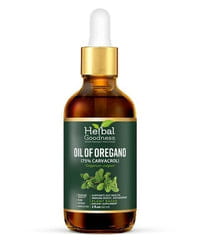
Key Question: If you see lots of terms but no absolute values (like actual mg/kg, %, or ppm numbers), it’s wise to request more specific data. Shoppers who request documentation for products like Oil of Oregano (75% Carvacrol) - 2oz Liquid - Immunity set themselves up for an informed purchase.
Steps to Request and Compare Oregano Oil COAs as a Consumer
Here’s how to put your new COA reading skills into action:
Step 1: Ask for the COA—Before You Buy
- Reputable brands make COAs available upon request, often downloadable from their website or supplied via customer service.
- Always check the COA matches the batch or lot number on your physical product.
Step 2: Review Key Information
- Confirm the testing lab’s name, credentials, and that dates are current.
- Look for a complete cannabinoid or terpene profile (especially carvacrol and thymol levels).
- Examine purity reports for heavy metals, pesticides, and solvents.
Step 3: Compare Multiple COAs
- Place COAs from different brands side by side.
- Compare carvacrol percentages (higher is often better, but not always—context matters).
- Check for comprehensive contaminant testing—not just “summary” data.
If you want to cross-compare oregano oil with other popular wellness ingredients, reviewing batch documents for items like Papaya Leaf Extract - Capsules 600mg - 10X Strength illustrates how thorough lab testing isn’t exclusive to essential oils.
Step 4: Be Alert to Red Flags
- No dates (or out-of-date COAs)
- Unnamed testing labs or in-house/non-accredited reports
- Vague terms like “meets spec” without numbers
- Missing key tests (no heavy metal or pesticide screening)
- Generic or reused COAs (the same document for multiple products or lots)
Step 5: Follow Up with the Seller
- If anything is unclear, ask for clarification—how was the oil extracted, what do the numbers mean, etc.
- Reliable brands will answer openly or provide supporting documentation.

Practical Quality Clues: What to Look for in an Oregano Oil COA
A COA is only as valuable as the information it shares. Here are proven markers of a trustworthy oregano oil report:
- Transparency: Tests and all key results disclosed, not just summaries
- Accredited Labs: Listings from well-known, independent testing bodies
- Up-to-Date Testing: Documentation references current batches
- Full Terpene Profile: Carvacrol and thymol plus other natural constituents
- Clear Absence of Contaminants: Pesticides, solvents, and heavy metals marked as “ND” or far below limits
- Physical and Sensory Descriptions: Product color, scent, or appearance align with pure oregano oil
These quality clues help you select supplements with confidence. For broader cellular and immune support, many choose the carefully tested Soursop Leaf Tea Graviola Leaves - Organic 24/2g Tea Bags - Immunity & Cell Renew to round out their natural regimen.
Questions to Ask Before Buying Oregano Oil
When shopping for oregano oil, a little curiosity goes a long way. Here are practical questions that can reveal a lot:
- Can you share the latest COA for this batch?
- Is this testing performed in a third-party accredited lab?
- Which extraction method is used, and does the COA confirm no solvent residue?
- What are the levels of carvacrol and thymol in this lot?
- Have you tested for heavy metals and pesticides? May I see those results?
- Are the batch and COA dates current (within the last year)?
- Does the COA match the lot number on my product?
Brands that answer these confidently tend to be the most reliable and are often the ones offering detailed batch documentation for products like Oil of Oregano (75% Carvacrol) - 2oz Liquid - Immunity.
How to Make Sense of Test Results: Common Scenarios
- High Carvacrol Levels (e.g., 70%+): Sought after for purity and aroma, but results should align with the species and extraction type.
- Low or Absent Contaminants: Confirming "ND" results or trace amounts well below accepted safety standards is an excellent sign.
- Unexpected Components: Seeing ingredients not typical for oregano oil (like synthetic boosters) is a major red flag.
- No Data on Key Tests: Lack of info on pesticides, metals, or solvents can mean corners were cut.
Building Your Oregano Oil IQ: Habits for Smart Supplement Shopping
- Always request and read the COA before committing to a new oregano oil brand.
- Compare lab results directly, not just marketing claims.
- Stay alert to key terminology and numbers that reflect authentic, safe, and potent oil.
- Trust brands that value openness and give you everything you need to confidently make a choice—no matter what their advertising says.
References
U.S. Pharmacopeia Guide to Certificates of Analysis for Botanicals – U.S. Pharmacopeia, insight into botanical COA reading.
American Herbal Products Association: Understanding Lab Testing and COAs – AHPA, consumer resource for herbal product testing clarity.
FAQs:
- What is the purpose of a COA for oregano oil?
A Certificate of Analysis (COA) for oregano oil verifies the quality, purity, and composition of a specific batch, offering transparency and peace of mind to customers who want to ensure their supplement is genuine and contaminant-free.
- How can I get a COA for oregano oil before I purchase?
Request the COA from the seller or brand directly. Many reputable companies provide them on their website or via customer support, especially for organic or high-quality oregano oil products.
- What are the most important things to look for in a COA?
Check for up-to-date test results, independent lab accreditation, specific details on terpene profile (especially carvacrol), and thorough screening for pesticides, heavy metals, and solvents.
- Are there red flags in oregano oil COAs I should watch out for?
Yes, be cautious of COAs missing dates or lab names, vague results (like 'meets limits' without numbers), outdated reports, or missing contaminant tests. Transparency is a positive sign.
- Why is carvacrol concentration important in oregano oil?
Carvacrol is a key natural component of oregano oil, long valued for its aroma and wellness properties. Authentic oregano oil generally contains significant carvacrol content, which is reflected in the COA.
- How recent should a COA be for a supplement product?
The best COAs reference testing from the past 12 to 18 months and exactly match the batch or lot number of your product. Old or generic reports may not accurately represent current quality.
- Is it safe to buy oregano oil from brands that don’t supply a COA?
It’s always safest to choose transparent brands that readily provide lab reports. The absence of a COA can mean poor testing practices or limited oversight, even for products labeled as 'natural' or 'organic.'
Author Name:
Herbal Goodness Editorial Team
Author Bio:
The Herbal Goodness Editorial Team specializes in holistic health and superfoods, blending science and nature to educate and empower our community.
References:
Oregano Oil vs. Black Seed Oil: Sensory & Sourcing Guide
Introducing Graviola to Young Taste Buds: Fun, Family-Friendly Flavor Exploration