Questions to Ask Before Choosing a Herbal Supplement Manufacturer
Understanding how to keep herbal supplements genuinely fresh is critically important for anyone developing private-label products. The right questions about shelf life and stability can help you avoid surprises down the line and build a reputation for quality that endures. When approaching a private-label manufacturer—especially for plant-based supplements like teas, powders, capsules, or liquid extracts—founders and growing brands should know how to ask about stability testing, timelines, packaging choices, documentation, and sample testing. This guide offers practical, plain-English insights so you can prepare thoughtful RFQs and protect your brand’s integrity from the start.
Why Shelf Life & Stability Matter for Herbal Supplements
Herbal supplements are valued for their natural compounds and plant-based goodness. However, those compounds are sensitive to time, light, humidity, and oxygen. Shelf life refers to the length of time a product maintains its intended freshness, potency, flavor, and appearance. Stability involves the supplement’s ability to remain unchanged under normal storage and shipping conditions.
When private-labeling, shelf life and stability aren’t just regulatory boxes to tick—they directly affect product quality, customer satisfaction, and repeat sales. Well-documented shelf life also helps when setting realistic expiration dates and batch management for inventory. Herbal tea blends, for example, may lose flavor or aroma if not packaged and stored correctly, highlighting the need to evaluate how long your chosen herbal mix will delight customers.
Types of Stability Testing: Accelerated vs. Real-Time
What Does Stability Testing Involve?
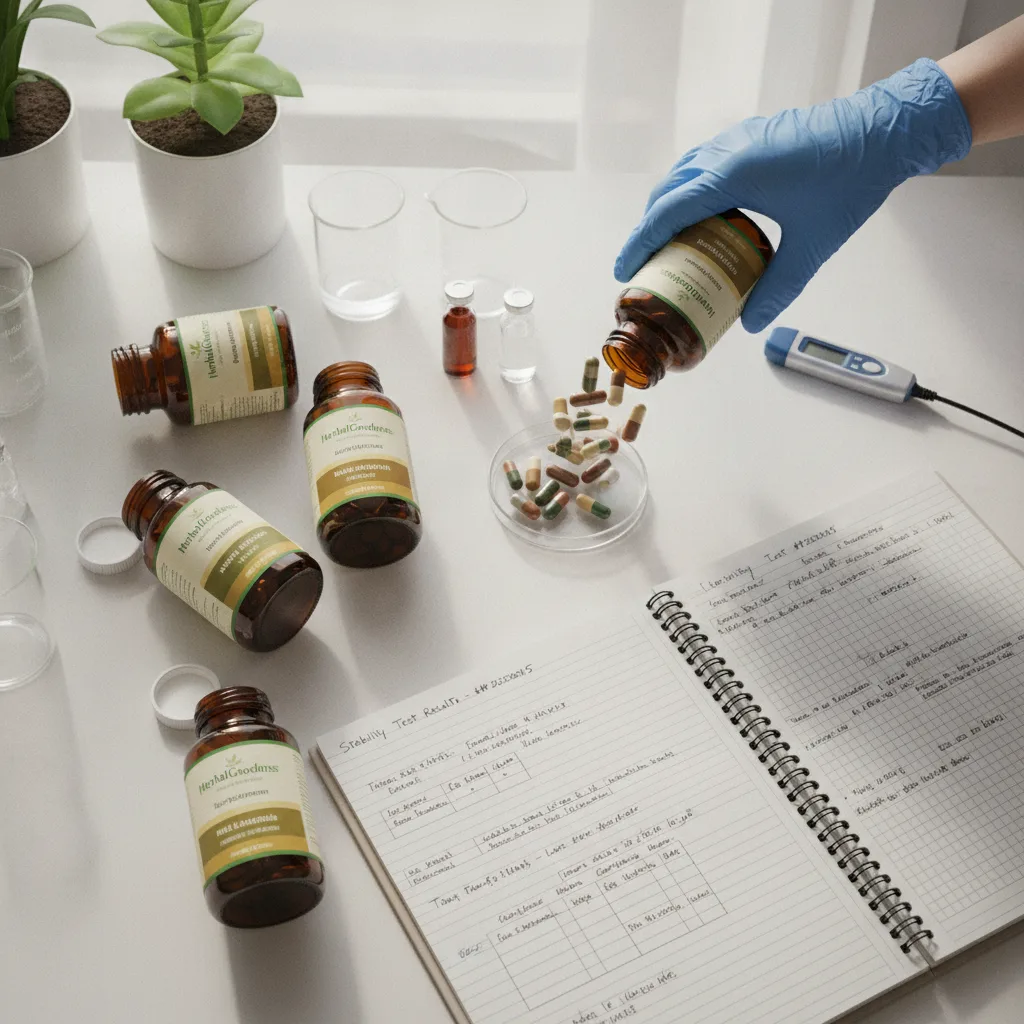
Stability testing is how manufacturers determine how long a supplement stays fresh and effective. There are two main types you should ask about when evaluating a private-label partner:
-
Accelerated Stability Testing: This involves placing samples under stressful conditions like higher temperature or increased humidity to "speed up" aging. It helps estimate how long a product will last and can provide results within weeks or months. While accelerated data offers valuable guidance, it rarely replaces real-time evidence when making final expiration date decisions.
-
Real-Time Stability Testing: Samples are stored under normal conditions, with periodic checks over months or years. This method best reflects how the supplement will perform in actual storage and on retail shelves.
If your herbal products feature botanicals such as soursop, papaya, or sea moss, consider how their unique compounds react under these conditions. For instance, Raw Sea Moss 8oz Bag | St. Lucia Wildcrafted – Nature's Multivitamin can benefit from both stability testing types due to its nutrient-dense composition and moisture sensitivity.
What to Ask:
- What kinds of stability tests do you perform for herbal supplements?
- Can you provide both accelerated and real-time stability data?
- How frequently are samples tested and results recorded?
Documentation: What Reports & Certificates Should You Request?
Requesting the right paperwork ensures transparency and confidence in your private-label project. Consider these standard documents:
- Stability Reports: Summarize test conditions, timelines, results, and any observed changes. For instance, you might see indications of color shift, loss of aroma, or changes in powder caking.
- Certificate of Analysis (COA): Provides a snapshot of quality for each batch, covering aspects like identity, strength, and purity.
- Shelf Life Statements: Official confirmation of how long a product remains within specification, based on data.
Batch-specific COAs are critical for capsules and liquid extracts. When working with advanced plant-based formulas such as Blood Platelet Plus Capsules 20X | 60ct – Advanced Platelet Formula, this documentation supports both compliance and customer trust.
Key Questions:
- Can I review sample stability or shelf life studies specific to my herbal formula?
- Will you provide a batch-specific COA with each shipment?
- What processes ensure consistency from batch to batch?
Choosing a private-label manufacturer goes beyond comparing products and pricing. It requires a partner who understands quality standards, documentation, packaging, and the details that help protect your brand’s reputation.
If you’re looking for a reliable herbal supplement manufacturing partner, explore opportunities with Herbal Goodness by completing our Retailer & Wholesaler Interest Form.
Packaging Choices: Protecting Herbal Quality Over Time
Packaging is more than branding. It is vital for preserving plant extracts, powders, capsules, and teas. For instance, while working with Soursop Leaf Graviola Extract 15X Liquid | Organic Cell & Immunity, ensuring liquids are stored in amber bottles with airtight seals will retain their potency far longer than in clear, unstable containers.
For Liquid Herbal Extracts
Liquids are sensitive to oxygen, light, and moisture. Ask about:
- Opaque or amber bottles to block light
- Tamper-evident caps
- Airtight seals
- Packaging compatibility with herbal ingredients—some liquids may interact with certain plastics, so glass is often preferred
Choosing packaging for liquid formulas such as Organic Papaya Leaf Extract 16oz | 15X Liquid – Best Value Size protects delicate phytonutrients and extends shelf life by minimizing air and light exposure.
For Herbal Powders & Teas
Powders and dried leaves can absorb moisture and odors, altering texture and flavor. Look for:
- Moisture-barrier pouches or jars
- Desiccant packs inside packaging
- Resealable closures to limit air exposure after opening
For Capsules & Tablets
These forms need to avoid humidity and crushing. Consider:
- Blister packs for single servings
- High-barrier bottles
- Proper fillers to reduce movement/breakage during shipping
Samples of packaging formats used for herbal blends—like the protective pouches featured in the Soursop Leaf Tea | Organic Graviola 24 Bags | Soursop Tea Benefits for Immunity & Wellness—help you understand how your supplements will maintain their freshness on store shelves.
Sample Questions:
- Which packaging options do you recommend to maximize shelf life for my supplement format?
- Are packaging materials tested for compatibility with my herbal ingredients?
- Can I order packaging samples for evaluation?
Storage Recommendations: Guidance for Founders and Distributors
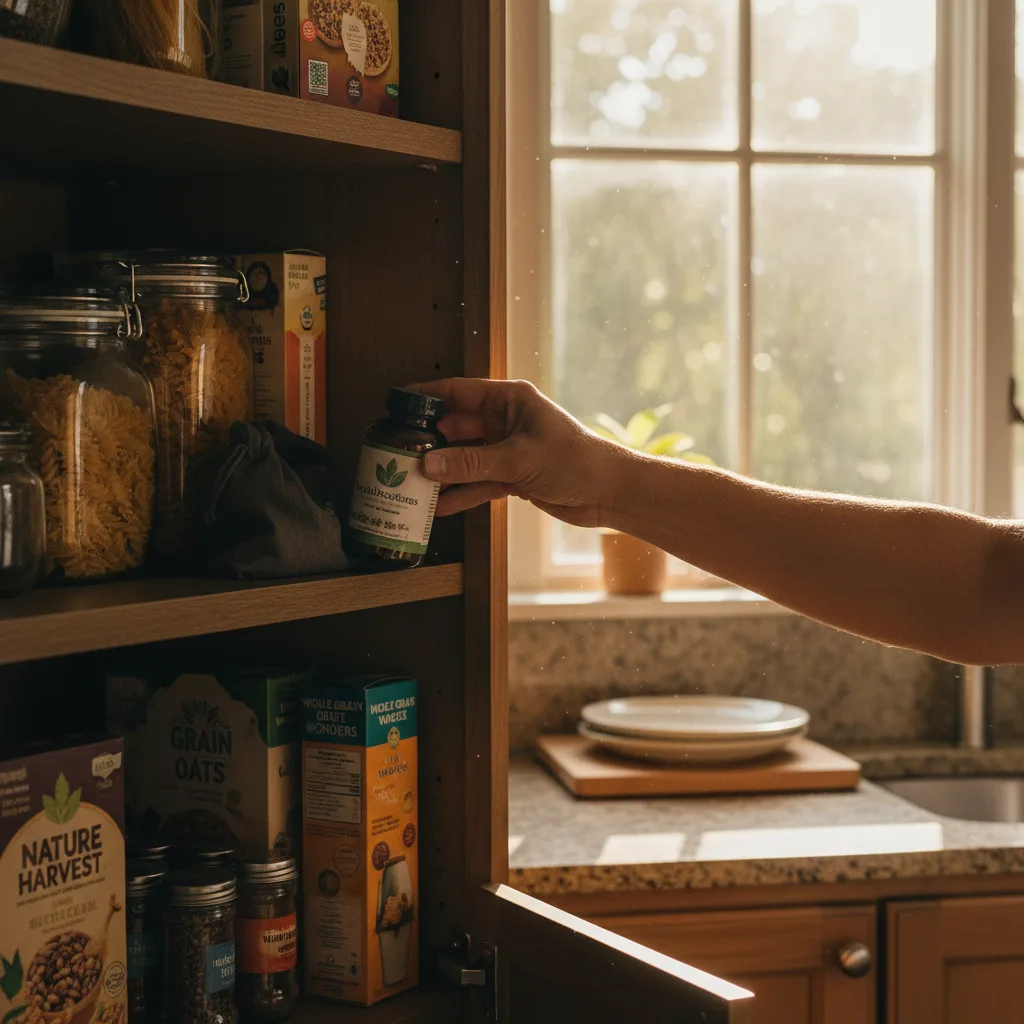
How products are stored from manufacturing to end-user makes a significant difference in their quality lifespan. When requesting shelf life or stability data, always ask for storage recommendations that match test conditions.
-
Typical advice includes:
- Store away from direct sunlight
- Keep in a cool, dry place
- Avoid temperature extremes—especially for liquid extracts or soft gels
- Reseal after use
Ask manufacturers to share real-world storage guidelines that you can pass along to fulfillment centers, retailers, and consumers. Ensuring your team knows and communicates proper conditions is as vital as the testing itself. For instance, proper storage of Bulk Loose Leaf Teas & Tisanes - Organic 4oz - Herbal Wellness Teas helps preserve the tea's intrinsic aroma and efficacy.
Sample Testing: Why It Matters Before Ordering at Scale
Before committing to a large batch, consider requesting small samples tested over a short period in the packaging you’ll be using. Even with excellent reports and strong references, performing your own observations can offer peace of mind. For liquid-based formulas, you might request pilot runs of Blood Platelet Support with Papaya Leaf | Organic 15X Liquid Extract so you can personally evaluate stability before scaling up orders.
-
Ask to receive:
- Shelf-life-tested samples for pilot runs
- Explanation of test protocols and findings
- Guidance on how to check products for freshness and appearance over time

Key Questions to Include in Your RFQ or Supplier Evaluation
When drafting a Request for Quote (RFQ) or supplier questionnaire, don’t get lost in technical language. Focus on clear, essential questions that demonstrate your commitment to safe, reliable, and premium products:
- What shelf life do you assign to finished herbal supplements of this format?
- Can you provide both accelerated and real-time stability data?
- Which packaging options do you recommend for maximum freshness?
- Do you include moisture/oxygen barriers or preservatives if required?
- Will each batch include a Certificate of Analysis (COA) and clear expiration dating?
- Can I receive product storage and handling guidelines?
- What is your SOP for addressing changes in appearance, taste, or aroma over time?
Realistic Timelines: What to Expect From Testing and Manufacturing
After placing an initial order, stability testing and documentation typically require several weeks to several months. Accelerated stability results might be available within 4–8 weeks. Real-time testing, if not already completed, may be ongoing as you launch. It’s appropriate to ask for any available interim data and clarification on when final statements will be shared.
Manufacturers like Herbal Goodness, accustomed to private-label partnerships, generally have established protocols. Still, communicating your desire for transparency and seeing sample documents early fosters a mutually beneficial process. Products with strong data on shelf life, such as Organic Papaya Seed Powder 4oz | Gut Cleanse & Digestive Support, demonstrate the importance of both documentation and proactive brand management.
Building a successful herbal supplement brand starts with choosing the right partner. From product development support to quality-focused manufacturing processes, Herbal Goodness works with businesses looking to bring premium plant-based products to their customers.
Ready to discuss your wholesale or private-label goals? Submit our Retailer & Wholesaler Interest Form and take the next step toward your herbal product journey.
Summary: Building Shelf Life Confidence Into Your Brand
Founders looking to launch private-label herbal supplements want a seamless, low-stress process that maintains the authenticity and freshness of botanicals. By centering your questions on shelf life, stability reports, packaging quality, and storage guidance, you can confidently choose manufacturers who will support both your brand and your customers. Remember, these conversations aren’t just about ticking boxes—they set the standard for product excellence and trust.
Frequently Asked Questions
Question 1: How can I ensure the liquid herbal extract I choose will stay fresh on the shelf?
Answer: For best results, select extracts sold in amber or opaque bottles with airtight seals, like Soursop Leaf Graviola Extract 15X Liquid | Organic Cell & Immunity, and request both stability data and packaging details from your manufacturer.
Question 2: What documentation should my private-label herbal supplement supplier provide?
Answer: Always ask for a Certificate of Analysis, batch-specific stability reports, and shelf life statements. These are especially important when working with finished formats like Blood Platelet Plus Capsules 20X | 60ct – Advanced Platelet Formula.
Question 3: Why does packaging matter so much for herbal supplements?
Answer: Good packaging maintains freshness and efficacy. Moisture barrier pouches, desiccant packs, and high-barrier bottles—like those used in Soursop Leaf Tea | Organic Graviola 24 Bags | Soursop Tea Benefits for Immunity & Wellness—help protect supplements from humidity and air, preserving quality.
Question 4: Should I test samples before placing a large order?
Answer: Yes, request samples of your final product format and packaging, just as you might with Blood Platelet Support with Papaya Leaf | Organic 15X Liquid Extract, and observe them for stability and freshness before scaling production.
Question 5: What are the most important questions to include in my request for quote (RFQ)?
Answer: Be sure to ask about assigned shelf life, stability testing protocols, recommended packaging, documentation for each batch, and storage/handling guidelines for your supplement type.
Question 6: How should herbal teas be stored for maximum shelf life?
Answer: Keep teas in cool, dry, dark environments with resealable closures, as used for Bulk Loose Leaf Teas & Tisanes - Organic 4oz - Herbal Wellness Teas, to retain their aroma and potency.
Question 7: Why is real-time stability testing important?
Answer: Real-time testing monitors products under normal conditions, so you see how supplements hold up for consumers over months and years—not just in a lab. This is key for long-term customer satisfaction and quality assurance.
When evaluating private-label herbal supplement manufacturers, keep these shelf life, stability, and packaging questions in mind. An informed approach lays the foundation for safe, high-quality products your customers can trust.
About the Author
Herbal Goodness Editorial Team
The Herbal Goodness Editorial Team specializes in holistic health and superfoods, blending science and nature to educate and empower our community.
References
Introducing Graviola to Young Taste Buds: Fun, Family-Friendly Flavor Exploration
Oregano Oil vs. Black Seed Oil: Sensory & Sourcing Guide


FAQs
Drinking bamboo leaf tea supports hydration, relaxation, skin wellness, and antioxidant balance.
It’s used for general body wellness, skin elasticity, hair and nail support, and overall vitality.
Yes, bamboo leaf is rich in silica and antioxidants, which promote healthy skin, strong nails, and a youthful glow.
You can find dried bamboo leaf, powder, extract, drops, oil, and bamboo leaf green tea.
Bamboo leaf is generally safe when consumed in moderation. Always consult your healthcare provider before starting any new herbal supplement.