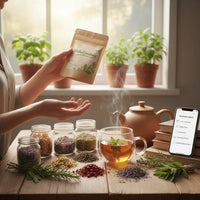
Pleurisy Root Tea: Preparation, Taste, and Blending Guide for Daily Rituals

Exploring the traditional art of brewing pleurisy root tea can open a world of gentle everyday rituals. This guide will walk you through how to prepare pleurisy root tea at home, discuss its unique taste, outline practical kitchen techniques for safe brewing, and share insights on pairing and blending for a satisfying cup. Whether you’re curious about herbal traditions or seeking the best quality pleurisy root tea for thoughtful routines, this article provides grounded, educational advice for your wellness journey.
Understanding Pleurisy Root Tea: Qualities and Appeal
Pleurisy root (Asclepias tuberosa) has been long valued for its place in North American herbal traditions. The vibrant orange root—sometimes called butterfly weed—has been used traditionally as a tea decoction for its grounding, earthy character. Many who buy pleurisy root tea today seek not only its rich cultural heritage but also its ability to add a steadying note to their herbal rituals.
The gentle brewing process highlights the distinctive qualities of pleurisy root tea:
- A warm, subtly spicy aroma
- Earthy, gently bitter base notes
- Hints of sweetness that deepen with slow decoction
As you shop for pleurisy root tea, consider sourcing from brands like Herbal Goodness that emphasize organic growing practices and transparent sourcing. Selecting the best quality roots can lead to a richer, more nuanced tea experience.
How to Prepare Pleurisy Root Tea: Step-by-Step Kitchen Guide
Sourcing Pleurisy Root for Your Tea
- Shop for whole dried pleurisy root from reputable herbal shops or order pleurisy root tea online to assure freshness and correct plant identification.
- Look for roots that are clean, firm, and aromatic—signs of best quality pleurisy root.
Basic Brewing Method
To prepare a genuine cup of pleurisy root tea, follow this traditional decoction method, which gently extracts the root’s flavors and subtle characteristics:
Ingredients:
- 1 teaspoon dried pleurisy root (per cup of tea)
- 1 cup fresh filtered water
Instructions:
- Add the pleurisy root to a small saucepan with the water.
- Bring to a very gentle simmer—never a rapid boil, to preserve delicate compounds.
- Let it simmer, uncovered, for 15–20 minutes, stirring occasionally.
- Strain out the root. Flavor and aroma deepen as the tea cools slightly.
- Pour into your favorite mug and enjoy as part of your daily routine.
Kitchen Tip: Resist the urge to over-brew. Simmering gently ensures the flavor remains balanced—not overpowering or too bitter.
Making a Larger Batch for Daily Rituals
For those who like consistency in their herbal rituals, prepare a larger batch and store in a glass container, refrigerated for up to 2–3 days. Always use fresh, filtered water and sanitized equipment for best results.

Tasting Notes: What Does Pleurisy Root Tea Taste Like?
The flavor of pleurisy root tea is subtle and earthy, with undercurrents of gentle spice. Many herbalists describe its profile as:
- Mildly bittersweet at first sip
- An earthy backdrop that anchors lighter herbal blends
- A naturally warming sensation, making it appealing for calming tea rituals
Those who shop for premium or organic pleurisy root teas often seek these subtle qualities, especially when looking for a grounding beverage to pair with mindful practices at home.
Safe Preparation Techniques and Storage Best Practices
Safe Kitchen Methods
When handling pleurisy root, follow basic kitchen safety:
- Purchase from trusted sources: Always shop for pleurisy root tea labeled for culinary use.
- Proper measurement: Use about 1 teaspoon dried root per cup; avoid excess.
- Gentle simmering: Decoct slowly to preserve taste and tradition.
Sensible Storage
- Store unused pleurisy root in an airtight glass jar, away from sunlight and humidity.
- Label with the date of purchase to track freshness—best used within one year.
- If brewing ahead, refrigerate prepared tea (in a clean, sealed container) and use within several days.
By following these steps, you can help protect the integrity and flavor of your pleurisy root tea, whether you buy in small batches or order pleurisy root bulk for regular ritual use.
Artful Herbal Pairing: Traditional Blending Ideas
While pleurisy root tea is appreciated on its own, many enjoy pairing it with gentle companion herbs for a harmonious daily tea. Here are several non-medical, taste-focused pairing ideas:
- Linden flower (Tilia spp.): Adds a soft floral sweetness that lifts the root’s earthiness.
- Lemon balm (Melissa officinalis): Brightens and soothes, blending well with pleurisy root’s subtle spice.
- Chamomile: Introduces apple-like notes and calming aromas, creating a comforting cup.
- Peppermint: Offers a refreshing finish that pairs nicely with the root’s grounding warmth.
When blending, balance the pleurisy root with lighter-tasting herbs in roughly equal portions. If you order best quality pleurisy root tea blends online, review their ingredient lists for such time-honored combinations.
Simple Home Blending Method
To create your own everyday herbal blend:
- Choose one or two companion herbs (dried) to complement your pleurisy root.
- Mix equal parts or adjust to suit your taste preference.
- Use 1 teaspoon of the mixed blend per cup of water, using the decoction method outlined earlier.
- Enjoy your custom blend as an intentional part of your wellness routine.
Herbal Goodness and similar brands often offer the option to shop for individual herbs and blends, letting you become the architect of your own daily ritual.

Creating Meaningful Daily Rituals with Pleurisy Root Tea
Developing a daily pleurisy root tea ritual goes beyond brewing a cup—it’s about setting aside intentional time for yourself. With care in preparation, attention to taste, and gentle blending, you create a soothing practice that can anchor your day.
- Choose a consistent time: Morning or evening routines help your body anticipate the calming effects of the ritual.
- Use quality tools: A favorite mug, glass teapot, or wooden spoon can make the process feel special.
- Reflect on tradition: Pause and appreciate the heritage behind each cup.
For those buying pleurisy root tea to enrich a mindful lifestyle, combining tradition and quality sourcing is key. Organic pleurisy root and trusted preparation methods set the foundation for a deeply satisfying practice.
Selecting and Shopping for the Best Quality Pleurisy Root Tea
Those seeking the most enjoyable pleurisy root tea rituals should pay attention not only to how the tea is prepared, but to the origin and integrity of the root itself.
Where to Buy Premium, Organic Pleurisy Root Tea
- Trusted specialty herb retailers: Shop for pleurisy root tea with rigorous quality standards.
- Brands focused on transparency: Herbal Goodness and select others publish sourcing and processing practices.
- Organic certifications: Choosing certified organic pleurisy root tea when available supports both sustainability and purity.
Assessing Quality at Home
- Aromatic freshness: The root should have a clean, earthy scent and natural coloration.
- Packaging: Look for airtight, light-protective packaging—especially when ordering pleurisy root tea online.
Purchasing from reputable sources helps ensure you get the full sensory experience in every cup, enhancing the pleasure and reliability of your daily ritual.
Responsible Use: Precautions and Herbal Wisdom
While pleurisy root is traditionally appreciated in teas, it’s best enjoyed as part of a varied herbal rotation. Use sensible amounts and observe how your body responds. If you are uncertain about incorporating a new herb into your routine, a personal consultation with an herbal professional is recommended.
Remember: Herbal teas, including pleurisy root, are not a replacement for varied nutrition or medical advice. Always use non-medical, curiosity-driven exploration to guide your herbal journey.
Summary
Preparing pleurisy root tea at home is a mindful act rooted in tradition. From selecting the best quality pleurisy root to brewing with care, each step enhances the flavor and enjoyment of your daily ritual. Whether you order pleurisy root tea online or shop for companion herbs in-person, focusing on quality sourcing and gentle kitchen methods creates a satisfying, grounded experience. Explore subtle blends, store your herbs wisely, and find joy in every calming cup you prepare.
FAQs:
- How do I prepare pleurisy root tea for the best taste?
To prepare pleurisy root tea with optimal flavor, use about 1 teaspoon of dried pleurisy root per cup of filtered water. Simmer gently for 15–20 minutes, then strain. This traditional decoction method extracts its earthy and subtly sweet notes.
- Where can I order high quality pleurisy root tea online?
You can buy premium pleurisy root tea from reputable herbal retailers specializing in organic and transparent sourcing. Look for clear labeling and organic certification when shopping online.
- What does pleurisy root tea taste like?
Pleurisy root tea offers a mild bittersweet taste, underlying earthiness, gentle spice, and subtle sweetness, making it an appealing choice for grounding tea rituals.
- Can I blend pleurisy root tea with other herbs?
Yes, blending pleurisy root tea with gentle herbs like linden, lemon balm, or chamomile creates a balanced, pleasant cup. Use roughly equal portions and experiment to find your favorite daily blend.
- How should I store pleurisy root for long-lasting freshness?
Store dried pleurisy root in an airtight jar, away from sunlight and humidity. Purchased tea blends should be kept sealed and dated. Use prepared tea within 2–3 days if refrigerated.
- Are there safe kitchen techniques for preparing pleurisy root tea?
Always buy pleurisy root tea intended for culinary use, measure about 1 teaspoon per cup, and simmer gently. Follow basic hygiene and food safety to ensure a safe daily ritual.
Author Name:
Herbal Goodness Editorial Team
Author Bio:
The Herbal Goodness Editorial Team specializes in holistic health and superfoods, blending science and nature to educate and empower our community.
References:
Introducing Graviola to Young Taste Buds: Fun, Family-Friendly Flavor Exploration
A World Map of Adaptogenic Herbs: Origins & Traditions
Graviola in the Classroom and at Home: Creative Activities to Teach Kids About Tropical Plants