





Papaya Seeds: How to Save, Germinate, and Track for Thriving Home Gardens
Papaya, with its sweet fruit, lush foliage, and impressive vigor, is a favorite addition to many home gardens. Growing papaya from seed can be incredibly rewarding, bringing both beauty and a sense of accomplishment. However, starting from seed can feel intimidating for newcomers. With the right steps, anyone can save, germinate, and successfully track papaya seeds for a garden full of healthy saplings. This comprehensive resource demystifies the process and empowers you to embark on your papaya growing journey—right from seed to robust sapling—while supporting backyard biodiversity and future harvests.
Harvesting and Collecting Papaya Seeds from Ripe Fruit
Successful papaya growing begins with quality seeds. When selecting fruit, look for those that are fully ripe—bright skin, soft to the touch, and fragrant. Not only do such fruits yield better-tasting papayas, but their seeds are more viable for propagation.
Key Tips for Choosing Papaya Seeds:
- Select from healthy, undamaged fruit
- Opt for papayas with strong coloration and a soft exterior
- Avoid fruit that shows signs of mold or rot
After cutting the papaya in half, gently scoop out the cluster of small, round seeds. Place seeds in a bowl for the next steps.
Cleaning, Drying, and Storing Papaya Seeds for Longevity
Seed viability and successful germination depend largely on proper cleaning and drying. Papaya seeds are coated in a gelatinous sac, which can inhibit sprouting if not removed.
Cleaning Papaya Seeds:
- Place seeds in a colander and rinse under running water.
- Rub gently with your hands to remove the gelatinous layer.
- Repeat rinsing until seeds feel smooth and slick.
Keeping your seeds vibrant starts in the cleaning stage. The thorough removal of the natural seed sac is a simple yet transformative step. For those who seek the digestive virtues of papaya, Papaya Seed Powder - 60/600mg Capsules - Gut & Colon Cleanse provides a convenient supplement inspired by the benefits of papaya seeds themselves.
Drying Techniques for Maximum Viability:
- Spread seeds on a paper towel or mesh screen in a single layer.
- Place in a shaded, well-ventilated area for 3-5 days.
- Turn seeds daily to encourage even drying.
Storing Your Dried Papaya Seeds:
- Once dry, store seeds in an envelope, glass jar, or airtight container.
- Keep seeds in a cool, dry place—like a cupboard or pantry.
- Label containers with fruit variety, date, and collection source.
Properly dried and stored papaya seeds can remain viable for up to 3 years, waiting to awaken in soil.
Step-by-Step Methods for Germinating Papaya Seeds
New papaya gardeners often wonder about the best way to coax seeds into sprouting. Several tried-and-true strategies can help ensure healthy germination for your papaya seeds.
Direct Sowing in Soil
Direct sowing offers a straightforward approach for home gardeners.
- Fill small pots or seed trays with seed-starting mix.
- Moisten the soil until it's damp but not soggy.
- Place 2-3 seeds per cell, about 1/2 inch deep.
- Lightly cover with soil and mist gently with water.
- Cover pots with a plastic dome or plastic wrap to hold in humidity.
- Place in a warm, bright location (75–85°F works best).
- Remove cover when seedlings appear, usually within 2–3 weeks.
Paper Towel Germination Method
This transparent method lets you monitor germination progress easily.
- Dampen a paper towel and wring out excess moisture.
- Spread seeds evenly on one half, then fold over the other half.
- Place the towel into a zip lock bag, leaving it partially unzipped for airflow.
- Store in a warm spot, checking daily for root development.
- Transfer sprouted seeds gently into soil once roots appear (7–14 days).
Water Germination Technique
- Place clean seeds in a bowl of lukewarm water.
- Let soak for 24 hours.
- Remove seeds promptly and proceed with either the paper towel or soil planting methods above.
Consistent warmth and moisture are the most important ingredients for sprouting papaya seeds successfully.
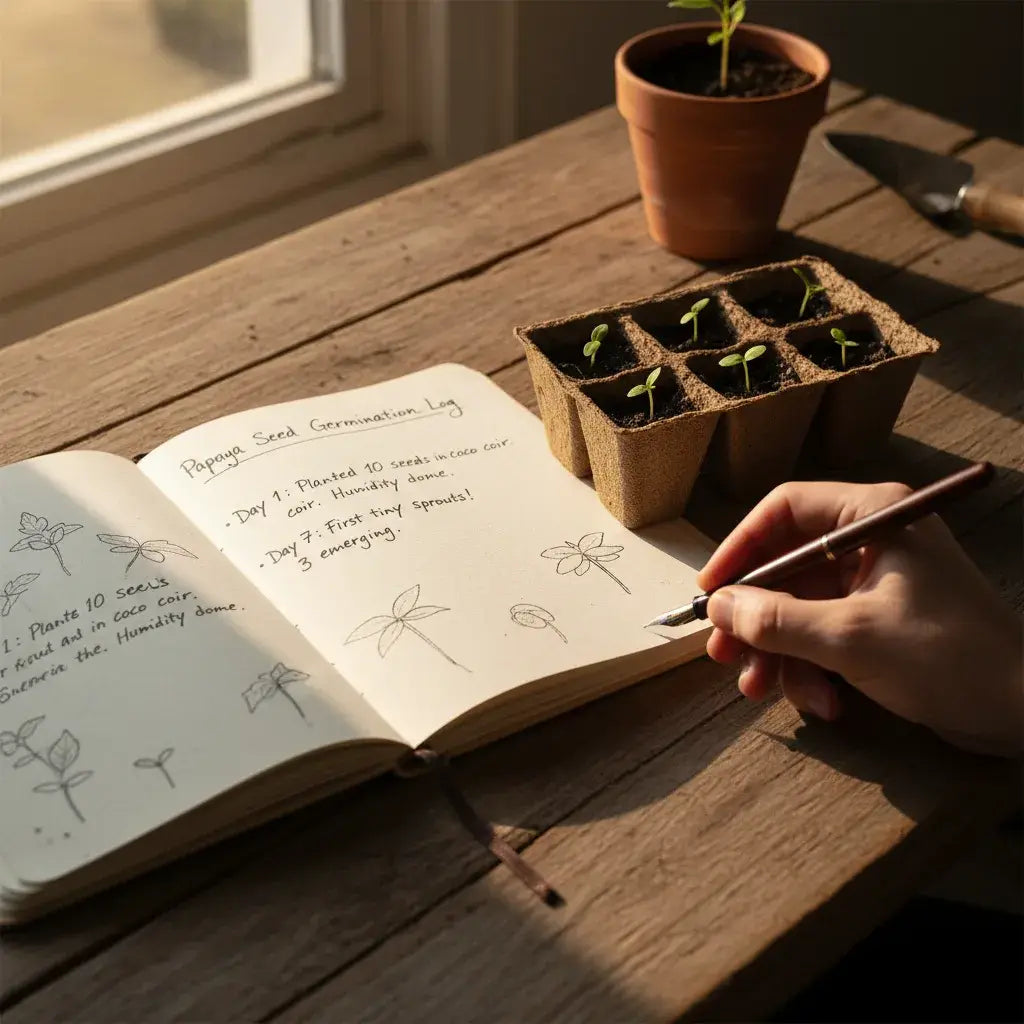
Supporting Healthy Growth from Seedling to Sapling
Once tiny green shoots emerge, the journey from seedling to resilient sapling begins. Early care sets the stage for robust growth.
Lighting and Temperature Requirements
- Ensure 6-8 hours of bright sunlight daily.
- Protect seedlings from extreme cold and wind.
- Indoor growers can use fluorescent or LED grow lights for optimal exposure.
For ongoing immune and digestive support during this phase, consider incorporating Papaya Leaf Extract - Organic 16oz 15X Liquid Extract into your routine, harnessing potent phytonutrients found in papaya foliage.
Watering Needs for Papaya Seedlings
- Keep soil consistently moist but never waterlogged.
- Allow the top layer of soil to dry slightly before watering again.
- Use a spray bottle for gentle, targeted hydration during the first few weeks.
Thinning and Transplanting
- Thin weaker seedlings to allow the strongest to thrive (aim for 2–3 seedlings per pot).
- Transplant seedlings to a larger container or directly into garden beds when they have 4–5 true leaves.
- Be gentle with roots to avoid shock.

Troubleshooting Common Germination and Growth Issues
Gardening always brings surprises. Here are simple ways to address frequent concerns:
Slow or Failed Germination
- Check for moisture: Soil should be damp, not dry or soaked.
- Verify warmth: Papaya seeds need warm conditions to sprout.
- Patience pays off: Some seeds may naturally take longer to germinate.
When sprouting feels delayed, explore nurturing aids. For gentle and effective digestive cleansing or immune support, look into Body Detox with Papaya Seed - Organic 1oz 15X Liquid Extract - Intestine & Gut Cleanse.
Mold or Fungal Growth on Seedlings
- Increase ventilation—remove covers as soon as sprouts appear.
- Reduce watering frequency slightly.
- Use sterilized seed-starting mix to minimize risk.
Weak or Leggy Seedlings
- Move to a brighter area or add supplemental light.
- Thin seedlings to avoid overcrowding.
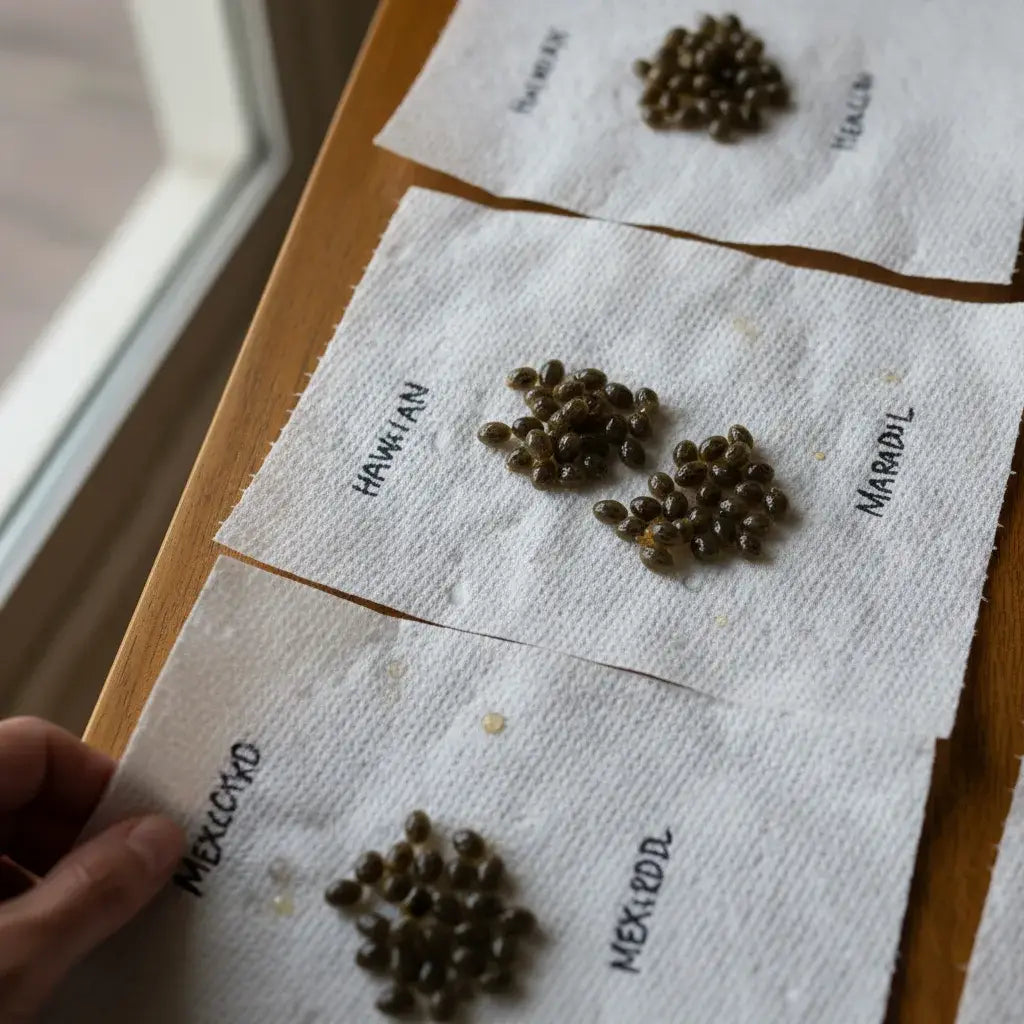
Documenting Papaya Seed Provenance and Tracking Growth Success
Personal record-keeping transforms gardening from guesswork to reliable success. Tracking the provenance and progress of your papaya seeds helps refine techniques and supports long-term results.
A commitment to garden documentation can be complemented by the wellness focus of Papaya Leaf Extract Blood Support - 10X 60/450mg Capsules - Blood Platelet, ensuring you nurture both your plants and well-being.
What to Record in Your Papaya Seed Journal:
- Source of fruit (store-bought, neighbor’s tree, local farmer)
- Date of seed collection and drying
- Seed treatment methods used (soaking, scarification, etc.)
- Germination dates and techniques
- Observed growth milestones (first leaves, transplant dates)
- Weather and environmental notes
Digital and Paper Tracking Tools
- Use a simple notebook or printable tracking charts
- Smartphone note apps or spreadsheets for quick updates
- Capture photos of milestones for visual progress
You can boost your holistic gardening routine with the digestive and nutrient benefits of Papaya Leaf Extract - Capsules 600mg - 10X Strength as you journal your plant’s development.
Benefits of Tracking Seeds
- Identifies which sources yield the most vigorous plants
- Helps refine germination techniques over time
- Enables sharing reliable feedback with other growers
Encouraging Biodiversity with Saved Papaya Seeds
Saving and planting your own papaya seeds supports more than just your personal harvest. By nurturing seeds from unique fruit sources, home gardeners contribute to genetic diversity within local plant populations. This enrichment bolsters garden resilience and creates opportunities for sharing productive, well-adapted papaya varieties within your community.
For further support of your digestive journey and to complement a biodiverse garden, Papaya Seed Powder - Organic 4oz Bag - Colon & Gut Cleanse is a wholesome option to consider for your health regimen.
Gardening with intention and care—from harvesting seeds to documenting each stage—lays the foundation for a lush, productive home garden. With these practical, non-technical techniques, every gardener can successfully nurture papaya from seed to sapling, year after year, while enriching their outdoor space and supporting nature’s abundance.
FAQs:
- How long do papaya seeds remain viable after storage?
Papaya seeds, when properly dried and stored in cool, dry conditions, can maintain their viability for up to 3 years. Always label containers with the collection date for best results.
- What is the ideal temperature for germinating papaya seeds?
Papaya seeds germinate best at temperatures between 75°F and 85°F (24°C–29°C). Using a heat mat or warm indoor space can boost germination rates.
- Why is it important to remove the gelatinous coating from papaya seeds?
The gelatinous coating can inhibit germination. Removing it by rinsing seeds thoroughly ensures better success and reduces the risk of mold during storage and sprouting.
- When should papaya seedlings be transplanted outdoors?
Transplant papaya seedlings outdoors once they have 4–5 true leaves and nighttime temperatures reliably stay above 60°F (15°C), ideally during mild weather.
- Can I track papaya seed growth progress with digital tools?
Yes. Many gardeners use digital notes, spreadsheets, or garden tracking apps to monitor papaya seed sourcing, germination dates, and growth milestones, making data easy to access and compare.
Author Name:
Herbal Goodness Editorial Team
Author Bio:
The Herbal Goodness Editorial Team specializes in holistic health and superfoods, blending science and nature to educate and empower our community.
References:
Introducing Graviola to Young Taste Buds: Fun, Family-Friendly Flavor Exploration
Graviola in the Classroom and at Home: Creative Activities to Teach Kids About Tropical Plants


FAQs
Drinking bamboo leaf tea supports hydration, relaxation, skin wellness, and antioxidant balance.
It’s used for general body wellness, skin elasticity, hair and nail support, and overall vitality.
Yes, bamboo leaf is rich in silica and antioxidants, which promote healthy skin, strong nails, and a youthful glow.
You can find dried bamboo leaf, powder, extract, drops, oil, and bamboo leaf green tea.
Bamboo leaf is generally safe when consumed in moderation. Always consult your healthcare provider before starting any new herbal supplement.