Organic Mullein Leaf Tea Review Guide for First-Time Buyers

Ordering a new organic mullein leaf tea is an experience, and sharing your perspective through a thoughtful review can genuinely help others make confident, informed decisions. If you’re new to writing product reviews—especially for something as nuanced as herbal tea—knowing where to start can make the process less intimidating and more impactful for the community. In this beginner-friendly guide, you’ll discover what to pay attention to after you receive your organic mullein leaf tea, how to capture your impressions on taste, packaging, shipping, and sourcing, and a ready-to-use review template that supports other shoppers.
Why Your Organic Mullein Leaf Tea Review Matters
Reviews go beyond giving a simple thumbs up or down—they highlight details future buyers can’t get from stock images or product descriptions. For organic mullein leaf tea, sharing your experience with aspects like freshness, flavor, and packaging supports both seasoned tea drinkers and first-time buyers. Consider your review as a contribution to the wider herbal tea community—it’s a chance to recommend, clarify, or reassure based on your real-life use. Above all, remember to keep your feedback helpful, non-medical, and focused on objective experiences.
What to Notice When You Receive Your Organic Mullein Leaf Tea
Unboxing: First Impressions and Packaging
When your mullein leaf tea order arrives, start by noting your first reaction. Is the packaging secure and intact? Does it keep the tea fresh? Thoughtful packaging helps preserve the aroma and quality of organic herbs—describe materials used (resealable bags, tins, eco-friendly options) and whether the information on the package matches what you expected.
Consider mentioning:
- Was the tea sealed properly?
- Were ingredient lists and sourcing info clearly labeled?
- Did packaging appear recyclable or sustainable?
If you're interested in other teas with strong packaging and clear labels, the Soursop Leaf Tea | Organic Graviola 24 Bags | Soursop Tea Benefits for Immunity & Wellness also sets a quality example.
Appearance and Freshness Checks
Before steeping, examine the dry mullein leaves. Fresh organic mullein often has a greenish hue and feels light and fluffy, with minimal crushed dust.
Things to observe:
- Color, size, and texture of the dried leaves
- Presence of stems, dust, or other plant material
- Aroma—fresh herbs tend to have a clean, mild scent
Being specific about your observations helps others gauge quality and consistency across batches and brands. This is especially relevant when comparing bulk options such as our Bulk Herbs collection, ideal for those who enjoy customizing their tea experiences.
Sourcing and Sustainability Details
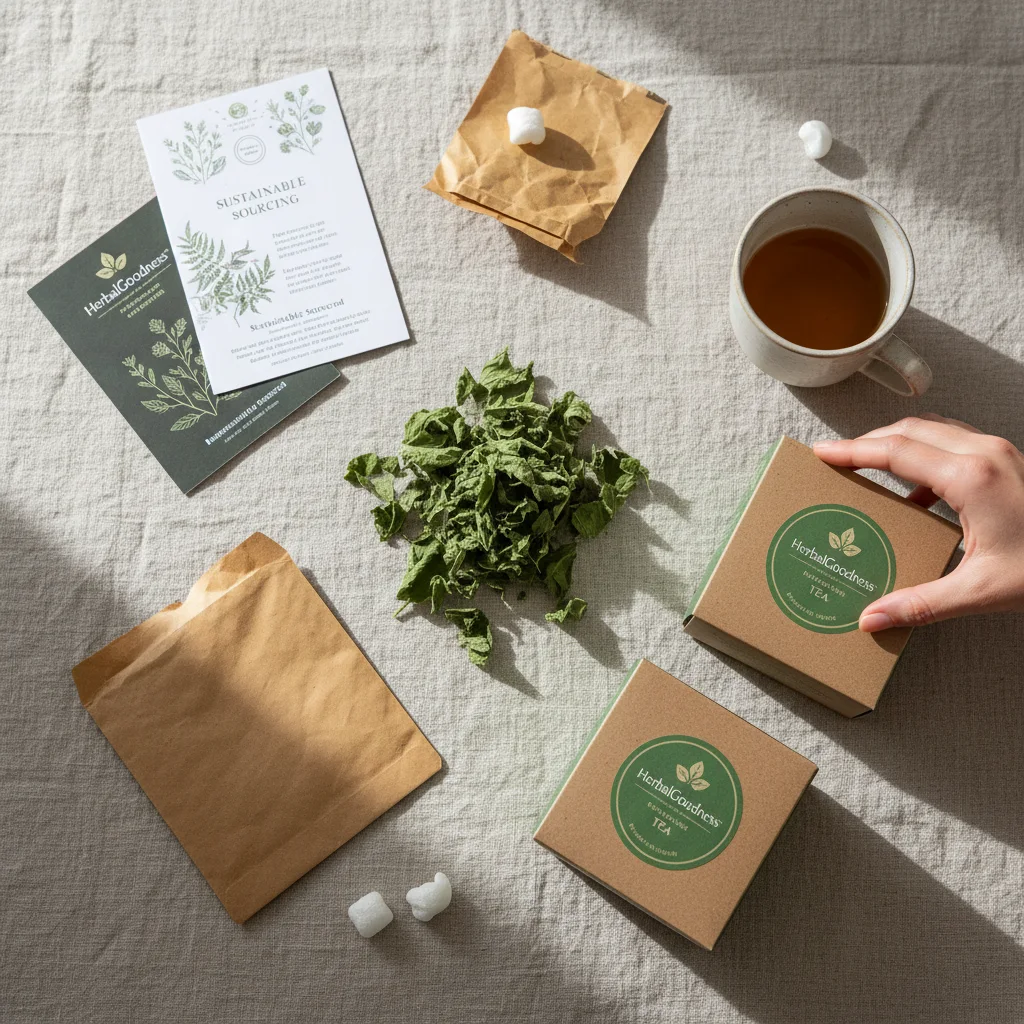
Buyers of organic mullein leaf tea often care about where and how plants are grown. If your packaging lists details about sourcing (like region, certification, or farming methods), mention these in your review. Note the presence of certifications like USDA Organic, or information about fair trade and ethical sourcing—even if the safety and quality are your main priority, others may appreciate these details.
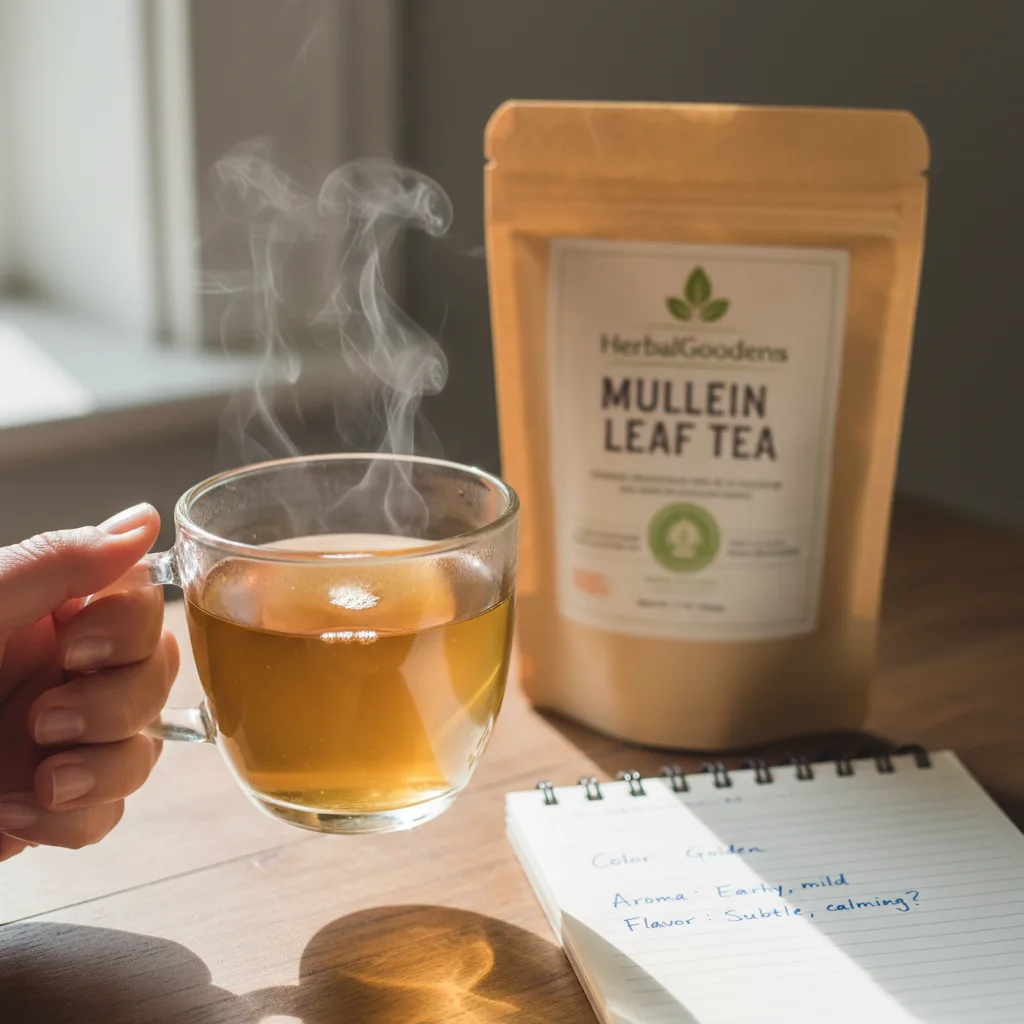
Steeping Organic Mullein Leaf Tea: Flavor and Aroma Notes
Recording Your Steeping Method
Describing how you prepared your first cup helps fellow tea drinkers compare results. Note:
- How much mullein leaf did you use (teaspoon, grams, etc.)?
- What was the water temperature (if specified)?
- How long did you steep the tea?
If you followed instructions on the package, mention that, or explain any adjustments you made for personal taste. This supports others who may wish to replicate your process. Herbal blends like the Organic Herbal Tea Trio – Build-Your-Own Bundle | Mix & Match Any 3 USDA Organic Herbal Teas & Save 20% also provide clear instructions and easy customization.
Describing Aroma and Taste: A Step-by-Step Guide
Mullein leaf tea is traditionally valued for its light, naturally earthy aroma. When you take your first sip, focus on:
- Is the flavor mild, grassy, or slightly floral?
- Was there any bitterness, sweetness, or aftertaste?
- Do the aroma and taste match your expectations?
Comparing the taste to other herbal teas you’ve tried can provide context for readers, especially newcomers. It also helps to mention how the flavor blends when paired with other ingredients (like lemon or honey), though your primary focus should be the mullein itself.
Texture and Mouthfeel
Some teas feel silky, while others have a more herbaceous texture on the palate. Briefly noting texture (smooth, dry, light-bodied) adds practical detail, especially for those sensitive to these nuances.
Assessing the Shipping and Buying Experience
Delivery Timeliness and Care
Reliable shipping can be just as significant as the tea quality for online buyers. After receiving your order, consider addressing:
- Did the package arrive on time?
- Were there any issues with damage or missing items?
- How was the customer service (if you contacted them)?
Factual notes about your shipping experience, without brand promotion or critique, help set clear expectations for future purchases. A smooth shipping experience is a hallmark of reputable brands, such as Herbal Goodness, whose Mullein Leaf Tea Organic 24 Bags | Respiratory & Lung Wellness Support is shipped with freshness in mind.
Freshness Upon Arrival
Review whether your mullein tea maintained its freshness during transit. Was the seal intact and the interior aroma strong? This is where packaging and shipping quality intersect—other shoppers will value insight into whether the tea arrives as fresh as advertised.

How to Share Sourcing, Organic, and Ethical Credentials
What to Look For on Labels
Organic tea lovers often seek assurance regarding farming and harvesting practices. In your review, mention certifications, such as:
- USDA Organic or equivalent
- Fair Trade, Rainforest Alliance, or sustainability logos
- Transparent sourcing information (country of origin, single source, etc.)
This supports shoppers who prioritize not only taste but also the broader values behind what they buy. If exploring other teas, Organic Papaya Leaf Tea | 24 Premium Bags – Caffeine-Free and Bamboo Leaf Tea 24 Bags | Nature's Silica – Collagen & Biotin Support are also noted for their transparency.
Transparency and Quality from Herbal Goodness
If your mullein leaf tea is from a reputable brand like Herbal Goodness, note any provided certificates or transparency documents. Sharing this builds trust and provides context, especially for first-time buyers uncertain about organic standards.
Writing Balanced, Non-Medical Feedback
Avoiding Medical Claims
While mullein has a long tradition in herbal practices, it’s important to keep your review factual and experience-based. Avoid mentioning any health conditions, treatments, or outcomes. Focus instead on sensory attributes, quality, and purchasing experience.
Balancing Praise and Suggestions
A well-rounded review acknowledges what worked for you and, politely, what could be improved for future batches. If you noticed inconsistencies in leaf quality or packaging, mention them factually. Similarly, positive experiences—like unexpectedly fresh aroma or robust flavor—also inform others and support the best reviews.
Ready-to-Use Template for Your Organic Mullein Leaf Tea Review
Here’s a simple structure to help guide your review writing process. Feel free to adjust details so your perspective is authentic and helpful.
Title: (e.g., "Fresh and Gentle Mullein Tea – Great Organic Quality!")
1. Packaging and Shipping:
- The tea arrived securely packed, with [describe material] packaging. The seal was [intact/loose], and the package was delivered on time.
2. Appearance and Freshness:
- The mullein leaves looked [color, quality, size]. The aroma was [fresh/mild/etc.], and the leaves were mostly whole with minimal dust.
3. Sourcing and Certifications:
- Sourcing info was [clearly stated/not present]. The tea displayed [certifications, if any], which I found reassuring. Other products with excellent sourcing such as Organic Papaya Leaf Extract 16oz | 15X Liquid – Best Value Size can serve as an example.
4. Steeping Notes:
- I used [amount] of tea and steeped it for [time] in [temperature] water. The instructions were [clear/helpful].
5. Taste and Texture:
- The tea tasted [mild/floral/earthy/etc.] with a [smooth/light/robust] body. Aroma matched my expectations and lingered pleasantly.
6. Overall Impressions:
- I appreciated the freshness and clarity of sourcing. [Any suggestions or tips for others.] If looking to explore more wellness teas, try the Organic Herbal Tea Gift Set | 24 Teabags Wellness Collection.
Would buy again: Yes/No/Maybe
Encouraging Positive Feedback for the Community
Sharing your mullein leaf tea experience in this clear, structured way makes your review both beginner-friendly and truly helpful for others. Engage directly with the senses—taste, aroma, packaging feel—and illuminate product qualities that pre-purchase shoppers can’t see. Keeping your feedback constructive, specific, and focused on the core purchase experience ensures you’re empowering a thriving herbal tea community.
Tips for Making Your Review Stand Out
- Stick to your senses: Describe what you saw, smelled, and tasted
- Note packaging and shipping specifics, including eco-friendly details
- Mention certifications and any sourcing information
- Include your steeping method and how it affected flavor
- Keep all feedback factual, polite, and non-medical
Clear and honest reviews not only assist buyers but also set a standard for companies to maintain quality while supporting transparency and sustainability practices in the herbal tea industry.
Frequently Asked Questions
Question 1: How do I assess the freshness of my mullein leaf tea for a review?
Answer: Look at the color, texture, and aroma of the dried leaves. Fresh leaves are typically greenish and fluffy. You can compare this with premium bulk options such as our Bulk Herbs collection.
Question 2: What sourcing or certifications should I check for when reviewing organic tea?
Answer: Look for certifications on your packaging such as USDA Organic, Fair Trade, and any details about region or farming practices. Teas like Bamboo Leaf Tea 24 Bags | Nature's Silica – Collagen & Biotin Support often clearly display these on their labels.
Question 3: Is it helpful to mention other herbal teas when writing my mullein review?
Answer: Yes. Comparing mullein to other herbal teas you’ve tried gives readers context on flavor, aroma, and overall experience.
Question 4: Should I include delivery and packaging details in my review?
Answer: Definitely. Sharing your impressions of packaging and how your mullein leaf tea arrived (secure, sealed, undamaged) supports trust for future buyers.
Question 5: How do I keep my mullein leaf tea review balanced and non-medical?
Answer: Focus on sensory details like aroma, taste, and packaging. Avoid making any health claims. Highlight both what you appreciated and any minor improvements, as shown in the Organic Papaya Leaf Extract 16oz | 15X Liquid – Best Value Size review structure.
Question 6: Where can I find inspiration for writing high-quality herbal tea reviews?
Answer: Use the provided review template and browse descriptions or reviews on tea bundles like Organic Herbal Tea Gift Set | 24 Teabags Wellness Collection for ideas.
Ready to share your perspective? After ordering organic mullein leaf tea, use these guidelines to write an insightful review—helping fellow tea enthusiasts make confident, informed choices.
About the Author
Herbal Goodness Editorial Team
The Herbal Goodness Editorial Team specializes in holistic health and superfoods, blending science and nature to educate and empower our community.