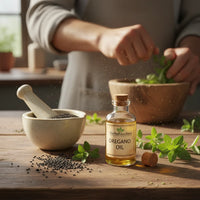
Oregano Extract vs. Oregano Tea: Differences in Flavor, Uses, Preparation

Oregano Extract vs. Oregano Tea: Differences in Flavor, Uses, Preparation
Oregano stands out among herbs for both its robust flavor and its long-standing tradition in kitchens and herbal pantries worldwide. But when it comes to choosing between oregano extract and oregano tea, many herb lovers find themselves wondering which option is best suited to their everyday routines. Each form offers a unique preparation process, concentration level, flavor profile, and set of practical benefits. In this in-depth comparison, you'll learn exactly how oregano transforms from leaf to extract or tea, what to expect from each in terms of taste, how they're used, and smart tips for picking the right one for your lifestyle.
Understanding Oregano: From Leaf to Extract and Tea
Before diving into the nuances between oregano extract and oregano tea, it's important to see how each is actually made – and why that matters for flavor, strength, and everyday convenience.
How Oregano Tea Is Made
Oregano tea is created by steeping dried or fresh oregano leaves in hot water, typically for 5–10 minutes. This gentle brewing process extracts the aromatic compounds and subtle flavors from the leaves, creating a mild, slightly earthy beverage.
Typical steps for making oregano tea:
- Use 1–2 teaspoons of dried oregano or a few fresh sprigs per cup of water
- Pour hot (not boiling) water over the leaves
- Steep for 5–10 minutes
- Strain and enjoy — optionally add honey, lemon, or blend with other herbs
This simple approach means you’re mainly pulling out water-soluble compounds and getting an infusion that showcases the lighter, herbal side of oregano. For those interested in exploring other herbal infusions, a popular choice is Soursop Leaf Tea Graviola Leaves - Organic 24/2g Tea Bags - Immunity & Cell Renew.
How Oregano Extract Is Made
Oregano extract (sometimes called an oregano tincture or liquid extract) typically involves soaking oregano leaves in a solution of alcohol and water, or occasionally pure glycerin. This method extracts a wider range of compounds—including potent essential oils—which are not as easily released by hot water alone.
General steps in making oregano extract:
- Fresh or dried oregano leaves are chopped
- Leaves steep in alcohol (often 40–60% ABV) or a non-alcoholic base for several weeks
- The mixture is agitated occasionally
- Liquid is then strained and stored in a dark glass dropper bottle
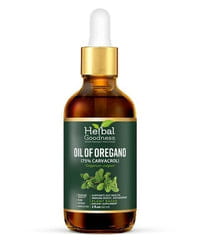
This process creates an extract that is more concentrated, shelf-stable, and often much more aromatic compared to tea. If you're curious about concentrated herbal formulas, Oil of Oregano (75% Carvacrol) - 2oz Liquid - Immunity offers a robust example of liquid herbal extracts.
Flavor Differences: Oregano Tea vs. Oregano Extract
One of the biggest distinctions between these two options is in their taste — both in potency and in complexity.
The Taste of Oregano Tea
Oregano tea tends to be mild, subtle, and earthy, with notes of mint and a slight bitter edge. The gentle infusion allows some of the floral and grassy tones of oregano to shine through. It is less pungent than the raw leaf or oil, making it a pleasant, sippable drink on its own.
- Great for those seeking a light, mellow herbal beverage
- Easy to combine with honey, lemon, or other herbs
For similar mellow undertones in an herbal blend, try a soothing cup of Bamboo Leaf Tea – 24/1.5g Tea Bags - Nature's Collagen & Biotin, which can be a gentle introduction to the world of botanical teas.
The Taste of Oregano Extract
Oregano extract is much stronger, more pungent, and resinous due to the high concentration of essential oils like carvacrol and thymol. A few drops typically add a pronounced herbal kick and a slightly warming sensation.
- Typically used diluted – a little goes a long way
- Strong, almost medicinal aroma and flavor
- Powerful addition to recipes needing robust oregano notes

In summary: Oregano tea is gentle and sippable, while oregano extract is bold, concentrated, and potent.
Preparation: Ease, Customization, and DIY Potential
Both oregano tea and extract can be made at home, but they require different skills and yield different results.
Brewing Oregano Tea: Simple and Adaptable
- Incredibly straightforward — ideal for beginners
- Ready in minutes
- Can use fresh or dried leaves
- Easy to adjust strength by steeping longer or adding more leaves
- Can blend with other tea herbs for tailored flavor
If you prefer the ease and versatility of tea blends, our organic herbal teas lets you create a variety of herbal combinations at home.
Making Oregano Extract: Involves Patience and Precision
- Requires more patience (usually 2–6 weeks)
- Needs alcohol or vegetable glycerin as a base
- Must be measured carefully and stored properly
- Produces a more stable, portable product

For those who enjoy the ritual of making herbal products, extracts are rewarding—but if you value speed and simplicity, tea is hard to beat. If you are looking to enhance your daily wellness regimen beyond just oregano, you might consider the benefits found in Soursop Leaf Graviola Extract - - Organic 15X Liquid Extract - Cell Renew & Immunity, which offers concentrated support for your routine.
Everyday Uses: Culinary, Home, and On-the-Go
Oregano is a versatile herb, and its tea and extract forms play distinct roles in daily life.
Culinary Uses: Cooking with Tea and Extract
Oregano Tea:
- Usually consumed as a beverage
- May be used to flavor broths, soups, or to steep grains
- Lends mild herbal notes to dishes that benefit from liquid infusions
Products like Papaya Leaf Tea - Organic 24/2g Tea Bags offer creative possibilities for herbal beverages and infusions.
Oregano Extract:
- Used for adding concentrated oregano flavor to marinades, sauces, or dressings
- Just a few drops can infuse dishes with an intense, savory hit
- Common in recipes where water would dilute flavor too much
If a bold, potent extract is what you seek, look to the versatility of Oil of Oregano (75% Carvacrol) - 2oz Liquid - Immunity, which is designed for both culinary and supplemental uses.
Travel Convenience and Portability
- Oregano Tea: Requires access to hot water and a strainer. Tea bags make it portable, but loose-leaf tea is less convenient for travel.
- Oregano Extract: Extremely portable. A small bottle fits in a bag or purse for easy use anytime, anywhere—no brewing required.
Teas like Soursop Leaf Tea Graviola Leaves - Organic 24/2g Tea Bags - Immunity & Cell Renew come in single-serve packs, which are handy for travel.
Shelf Life and Storage
- Oregano Tea Leaves: Dried oregano leaves keep for several months if stored away from light and moisture, but once brewed, tea should be consumed quickly.
- Oregano Extract: Alcohol-based extracts can remain stable for many years. Glycerin- or vinegar-based extracts have a shorter shelf life, but are still generally longer-lasting than loose tea.
Extracts formulated for long-term use, such as Soursop Leaf Graviola Extract - - Organic 15X Liquid Extract - Cell Renew & Immunity, are ideal if shelf life is an important factor for you.
Everyday DIY Tests: Assessing Quality and Potency
Herb enthusiasts often like to compare their oregano by sight, smell, and taste. Here are a few simple ways to get a sense of quality and strength, whether you choose tea or extract:
- Aroma: Crush dried leaves or uncap an extract bottle and inhale. Fresh, pungent scent indicates proper storage and potent oils.
- Color: Deep green-brown for dried leaves; a rich amber or greenish tint for extracts suggests careful processing.
- Taste: Oregano tea should be gentle, not musty. Extract should tingle the tongue and taste sharp—without harsh bitterness.
Choosing Between Oregano Extract and Oregano Tea: What Fits Your Lifestyle?
Selecting the best form of oregano comes down to your personal preferences and practical needs. Here are some scenarios to help clarify your decision.
Oregano Tea Is Ideal If:
- You enjoy relaxing with a warm, herbal drink
- You prefer subtle flavors and gentle infusions
- You like to blend your own herbal tea mixes
- Your kitchen routine values simple, whole-leaf preparations
- Freshness and ritual are important to you
Herbal tea bundles such as the Herbal Tea Gift Set – Wellness Tea Gift Variety Collection - Organic 24 Teabags can make it easier to explore different tea types for your ritual.
Oregano Extract Is Ideal If:
- You need a portable, concentrated product
- You enjoy intense, robust herbal flavor in food
- You want something with a long shelf life
- Convenience is key: just a few drops, anytime
- You enjoy DIY herbal projects and precise dosing
To further supplement your herbal extract collection, consider options like Papaya Leaf Extract - - Organic 16oz 15X Liquid Extract, which is designed for easy dosing and robust support.
Both options allow you to experience oregano’s traditional character in daily life—but with totally different flavor intensities, prep moments, and culinary uses.
Beyond Flavor: Other Considerations
While taste and preparation are big factors, some additional points may influence your choice:
- Allergies/Sensitivities: Alcohol-based extracts may not suit everyone. Always check labels if you have sensitivities.
- Sourcing: Organic and wildcrafted oregano are prized by flavor lovers for their complexity.
- Cost: Home-brewed teas are economical, while extracts have a higher upfront investment but last longer per serving.
- Experimentation: Many herb enthusiasts like to try both, using tea for daily rituals and extract for cooking or travel.
Final Thoughts: Exploring Oregano’s Versatility
Whether brewed gently as a tea or captured in a concentrated liquid, oregano brings warmth, vibrancy, and earthy aroma to the herbal enthusiast’s everyday world. Understanding these differences allows you to make mindful choices—whether you crave the simplicity of a hot herbal cup or need the flexibility of an on-the-go extract. For those who love exploring herbal traditions, trying both forms is a delicious way to discover which best matches your rhythms and tastes.
FAQs:
- Is oregano extract more potent than oregano tea?
Yes, oregano extract is generally much more concentrated than oregano tea. While tea provides a gentle infusion of water-soluble compounds, extract contains higher concentrations of aromatic oils and flavor compounds, resulting in a stronger taste and aroma.
- Can you use oregano extract and oregano tea interchangeably in recipes?
Not always. Oregano extract is highly concentrated and intended for small, measured quantities, while oregano tea is mild and can be used in larger amounts as a base liquid. Substituting one for the other may change a dish’s flavor balance.
- How long do oregano tea and oregano extract last?
Dried oregano for tea can last several months if kept airtight and away from light and moisture. Brewed tea should be consumed within a day or two. Alcohol-based oregano extract, if stored properly, can last for years.
- What does oregano tea taste like compared to the extract?
Oregano tea offers a mild, earthy, and slightly minty flavor—gentle enough to drink on its own. Oregano extract is bold, aromatic, and packs a powerful punch of herbal intensity, due to the concentrated essential oils extracted.
- Which is easier for travel: oregano extract or tea?
Oregano extract is more travel-friendly. A dropper bottle is compact and requires no brewing. Tea bags are somewhat portable, but you’ll need access to hot water.
- Can you make both oregano tea and extract at home?
Yes, both can be homemade. Oregano tea requires only hot water and leaves, while extract needs alcohol or glycerin and time for soaking the leaves. Extracts take longer but produce a concentrated product.
- Are there any practical DIY tests for good oregano?
For both tea and extract, a strong, fresh aroma signals high quality. Good color—deep green for tea leaves and amber for extracts—also indicates freshness. Taste-testing in small amounts can help you assess flavor strength.
Author Name:
Herbal Goodness Editorial Team
Author Bio:
The Herbal Goodness Editorial Team specializes in holistic health and superfoods, blending science and nature to educate and empower our community.
References:
Introducing Graviola to Young Taste Buds: Fun, Family-Friendly Flavor Exploration