Olive Leaf vs. Lemon Balm, Nettle & Bay: Distinct Flavors, Traditions, and Culinary Inspiration

Choosing the right leaf for your tea, infusions, or kitchen creations can be both delightful and bewildering. Olive leaf, a centuries-old staple in Mediterranean regions, stands alongside popular favorites like lemon balm, nettle, and bay in the world of botanicals. Each offers a unique bouquet of flavor, aroma, and traditional uses. How do they genuinely compare when it comes to culinary inspiration or daily home rituals? This guide explores olive leaf and three other beloved leaf herbs through the lens of taste, history, phytochemical profiles, and practical applications. Whether you’re crafting a soothing brew, seasoning a meal, or exploring new flavors, these insights unveil what makes each leaf distinct — and how olive leaf may surprise you.
Exploring the Botanical Roots of Olive Leaf and Classic Leaf Herbs
Olive Leaf: Mediterranean Heritage at Your Fingertips
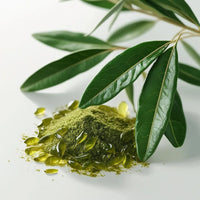
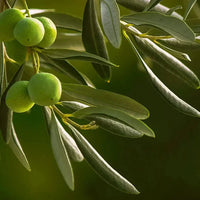
Derived from Olea europaea, the olive tree, olive leaf is celebrated for its deep green hue and subtle, slightly bitter aroma. Traditionally harvested from mature olive trees, the leaves have been valued in Mediterranean homes for their complex flavors which work beautifully in both teas and culinary infusions. Olive leaf stands apart due to its gentle astringency and grassy undertones, offering an experience that is less pungent than bay, and less sweet than lemon balm.
Lemon Balm: Sunny Fragrance and Gentle Zest
Known botanically as Melissa officinalis, lemon balm brings a burst of citrusy fragrance to the table. Its soft, heart-shaped leaves are often favored for their uplifting scent and delicate flavor, reminiscent of lemon with subtle minty notes. Lemon balm grows widely throughout Europe and is frequently included in herbal blends for its fresh and calming presence, perfect for light, aromatic teas or as a lively addition to salads and desserts.
Nettle: Wild Green Abundance
Nettle (Urtica dioica) is a robust herb known for its serrated leaves and slightly grassy, earthy taste. Often foraged in wild landscapes, nettle must be handled with care due to its stinging trichomes, but once dried or cooked, it loses this prickly quality. Nettle is cherished in many kitchen traditions for its mineral-rich green flavor profile, making it a hearty addition to soups, stews, and nourishing infusions.
Bay Leaf: Bold, Warming Essence
Classic bay leaf, usually derived from Laurus nobilis, is indispensable in Mediterranean and global cuisines. Whole bay leaves release a sweet, woodsy aroma with nuanced spicy notes, layering complexity into sauces, roasts, and slow-simmered dishes. Unlike olive leaf’s grassy subtlety, bay brings structure and warmth, but is more aromatic than lemon balm and less earthy than nettle.
Flavor Insights: Comparing Profiles and Kitchen Potential
Olive Leaf’s Subtlety and Versatility
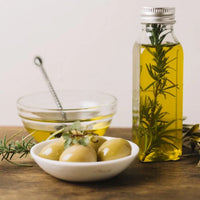
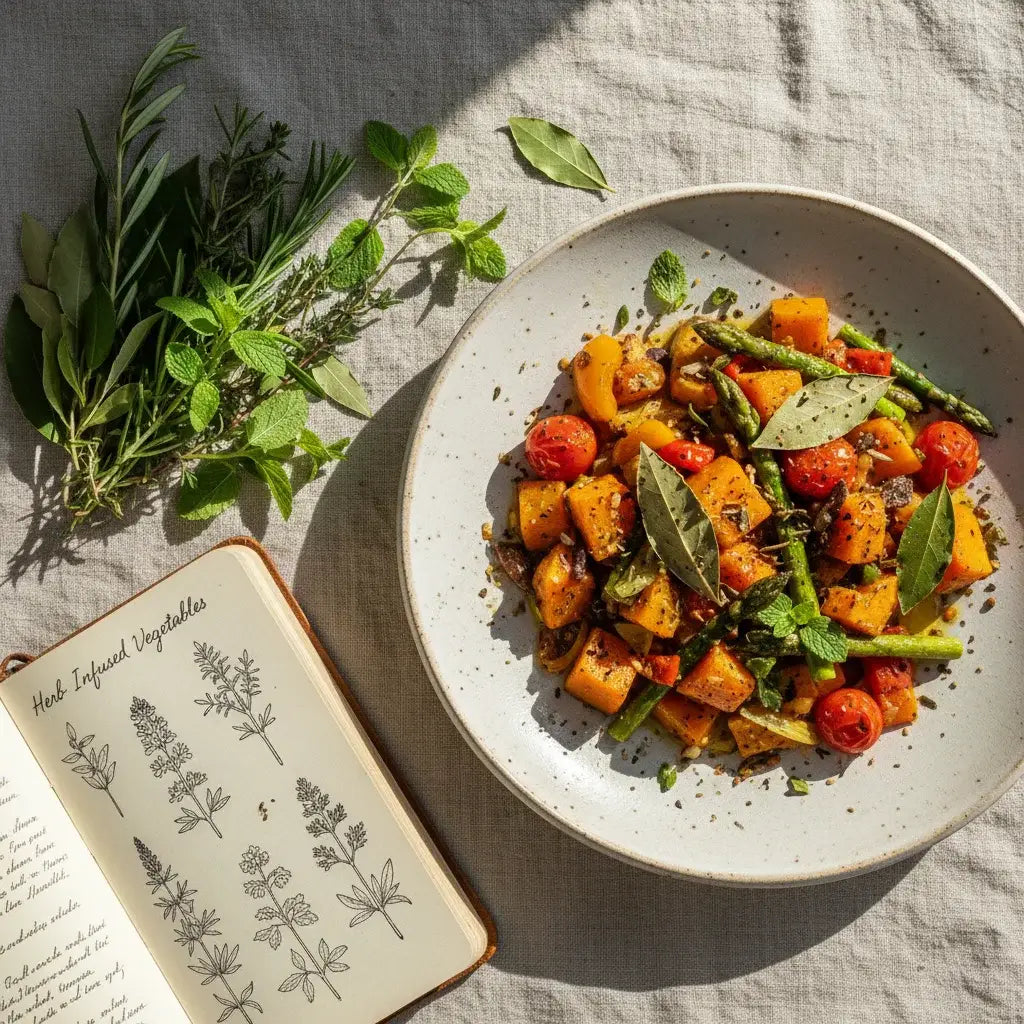
Olive leaf is prized for its mild bitterness and clean, green tonalities. When brewed as a tea, it yields a mellow infusion, less robust than black or green teas yet with enough character to stand on its own or blend seamlessly with citrus peels or floral accents. In culinary use, finely chopped or steeped olive leaves nod to the flavor of extra-virgin olive oil, but without the oily texture, lending themselves well to marinades, dressings, and even roasted vegetables.
For those eager to add olive leaves to their repertoire, the Olive Leaf - Organic 1oz 15X Liquid Extract - Immunity & Performance delivers the essence and benefits of this Mediterranean botanical in a potent, convenient form. Try incorporating it into your daily teas or wellness routines to discover its nuanced, grassy character.
Lemon Balm’s Citrusy Uplift
Lemon balm fascinates with its sunny, lemony zip, which enlivens teas and culinary creations alike. Its gentle tang makes it an excellent choice for iced teas, sorbets, vinaigrettes, or fruit salads. Compared to olive leaf, lemon balm is bright and sweet, best for refreshing themes or lighter fare. If you enjoy exploring herbal teas, Bamboo Leaf Tea – 24/1.5g Tea Bags - Nature's Collagen & Biotin is a delicious way to experience the versatility of tea blends, supporting both taste and wellness with every sip.
Nettle’s Deep Green Taste
With a flavor akin to spinach but richer, nettle gives infusions and broths substantive body. Its taste is less pronounced than bay’s aromatics and less fragrant than lemon balm, but nettle’s subtle grassiness makes a nourishing foundation in everything from herbal teas to hearty vegetable soups. Consider combining olive or nettle with Papaya Leaf Extract - Capsules 600mg - 10X Strength for synergistic, mineral-rich infusions that bridge tradition and modern wellness.
Bay’s Warming Complexity
Bay leaves are seldom eaten whole; instead, they’re infused into dishes to impart a heady, complex bouquet. Where olive leaf is soft and understated, bay is bold and spicy, making it ideal for flavoring stocks, sauces, and braises. Remove before serving to enjoy their full effect without the leaf’s toughness.
Phytochemical Overview: What Sets Each Herb Apart
Olive Leaf’s Unique Compounds
Olive leaf contains a variety of phytochemicals, including oleuropein and other polyphenols, which contribute to its characteristic taste and aroma. These compounds play a role in the plant’s natural defenses and provide bitter notes that are noticeably different from the menthols of mint family herbs like lemon balm. If you’re exploring potent plant compounds for immunity and vitality, Olive Leaf - Organic 1oz 15X Liquid Extract - Immunity & Performance is a simple, efficient way to access these benefits.
Lemon Balm’s Aromatic Constituents
Lemon balm is rich in essential oils such as citral and limonene, which lend its signature lemon fragrance and flavor. These volatile oils are most pronounced when lemon balm is used fresh, making the herb ideal for drinks, light meals, and delicate infusions.
Nettle: Mineral-Rich Greens
Nettle stands out for its abundance of vitamins and minerals derived from its lush, deep green foliage. While it lacks strong volatile aromas, its grassy bitterness and deep, nourishing flavor profile are a reflection of the plant’s matrix of water-soluble phytochemicals. Looking to maximize the mineral-rich qualities of your herbal blend? Papaya Leaf Extract - Capsules 600mg - 10X Strength can amplify your infusions, providing additional complexity and health support.
Bay Leaf: Terpenes and Spices
Bay leaves are valued for their high concentration of essential oils, particularly cineole and eugenol, which are responsible for the signature aromatic and slightly spicy notes. These compounds are enhanced during slow cooking, making bay an ideal herb for broths and sauces.
Traditional and Modern Preparations: Brewing and Cooking with Leaf-Based Herbs

Olive Leaf Home Applications
Olive leaf can be used in a dried or fresh state. Popular methods include:
- Steeping in hot water for a simple infusion
- Blending with lemon zest or mint for layered tea blends
- Incorporating into homemade marinades or dressings
- Adding to roasted dishes for subtle, savory complexity Because of its mild flavor, olive leaf pairs beautifully with citrus, herbs like parsley, and gentle spices such as coriander. For an easy and powerful addition to your routine, add Olive Leaf - Organic 1oz 15X Liquid Extract - Immunity & Performance to your infusions or marinades for Mediterranean-inspired flair.
Lemon Balm in Culinary and Tea Traditions
Lemon balm’s light, citric notes excel in:
- Iced teas and summer infusions
- Fresh salads, salsas, and fruit dishes
- Baked goods like cookies and muffins
- Sweet sauces or syrups for desserts Lemon balm shines brightest when used fresh, but dried leaves retain enough aroma for herbal infusions and potpourri. If you love a dynamic selection, explore the Herbal Tea Gift Set – Wellness Tea Gift Variety Collection - Organic 24 Teabags to experience a variety of flavor combinations, including lemony and herbal notes.
Nettle for Wholesome Recipes
Common nettle uses include:
- Herbal infusions made with dried nettle leaves
- Rich additions to veggie soups, purees, and risottos
- Pasta fillings and wild green pesto blends
- Cooking as a spinach substitute in omelets or croquettes Always handle raw nettle with gloves to avoid irritation; drying or blanching neutralizes the stinging effect. If exploring nutrient-dense herbal blends appeals to you, adding Papaya Leaf Extract - Capsules 600mg - 10X Strength alongside nettle can boost mineral support in your recipes.
Culinary Power of Bay Leaf
Bay excels in:
- Long-cooked stews, sauces, and stocks
- Infusing with grains or lentils for layered flavor
- Seasoning pickles and savory preserves
- Blending in spice sachets for slow cooker recipes Bay is generally removed before serving to avoid its chewy texture; its flavors linger in any dish it touches.
Pairing Olive Leaf with Popular Herbs: Creative Tips
- Olive Leaf + Lemon Balm: Blend for a soothing tea where bitters meet citrus.
- Olive Leaf + Nettle: Layer in green, mineral-rich tones for nourishing infusions.
- Olive Leaf + Bay: Try subtle, savory complexity in slow-cooked soups or grain dishes.
- Multi-Leaf Blends: For adventurous home cooks and tea lovers, olive leaf offers an earthy canvas that works well with almost any other leaf-based herb. To experiment with such blends, our organic herbal teas provide wonderful flexibility for creating signature infusions at home.

Sourcing, Storage, and Selection Best Practices
Choosing Quality Leaves
- Olive Leaf: Look for vibrant, deep green leaves without brittleness or yellowing. Organic or wild-harvested sources can yield the purest flavor. Products such as Olive Leaf - Organic 1oz 15X Liquid Extract - Immunity & Performance ensure premium sourcing for optimal benefits.
- Lemon Balm: Fresh is best, with bright, aromatic leaves. Dried lemon balm should be kept away from light and heat to maintain its delicate oils.
- Nettle: Only use young leaves, dried promptly for the freshest, mildest flavor. Ensure your supply is free from contaminants or roadside pollutants. Combining with Papaya Leaf Extract - Capsules 600mg - 10X Strength can enhance nutrient content.
- Bay Leaf: Whole, unbroken leaves with a robust aroma are optimal. Store in airtight containers to preserve volatile oils.
Storing for Freshness
- Dry, airtight containers are essential for all dried herbs, kept away from direct sunlight. The Herbal Tea Gift Set – Wellness Tea Gift Variety Collection - Organic 24 Teabags offers convenient pre-portioned teas stored for ultimate freshness.
- For fresh leaves, refrigerate and use promptly for maximum flavor and aroma.
Inspiration for Gourmet and Everyday Uses
- Tea Blends: Combine olive leaf with honey, citrus peels, or mint for lively customized teas. Use our organic herbal teas as your base for endless experimentation.
- Culinary Creations: Stir olive leaf into salad dressings, sprinkle over roasted vegetables, or steep in oils for dipping sauces.
- Homemade Infusions: Use all four herbs to craft your own herbal vinegars, syrups, or flavored sundries for personalized kitchen experiences. Explore diverse selections with the Herbal Tea Gift Set – Wellness Tea Gift Variety Collection - Organic 24 Teabags for creative inspiration.
- Garnishing and Decoration: Lemon balm and bay add visual flair as well as taste in plated presentations.
Practical Insights: How to Decide Which Leaf to Use
- For soft, mellow teas or subtle flavoring: Choose olive leaf or lemon balm. Olive Leaf - Organic 1oz 15X Liquid Extract - Immunity & Performance makes a quick and easy addition to any infusion.
- For deep, green infusions or robust soups: Opt for nettle or combine nettle with Papaya Leaf Extract - Capsules 600mg - 10X Strength for an even more enriching experience.
- For complex, aromatic stews and sauces: Trust bay leaf.
- For unique kitchen experimentation: Olive leaf pairs well with both traditional and contemporary herbs, making it a fresh choice for chefs and tea enthusiasts alike.
FAQs:
- How does olive leaf's flavor compare to bay, lemon balm, and nettle?
Olive leaf offers a mild, grassy, and slightly bitter flavor, distinct from bay's bold aromatics, lemon balm's citrusy sweetness, and nettle's earthy green taste. Each brings its own culinary and infusion potential.
- What are the best ways to use olive leaf in the kitchen?
Olive leaf can be steeped as a tea, blended into seasoning mixes, infused in oils or marinades, or added to roasted vegetables or salad dressings for a subtle, savory touch.
- Can olive leaf be combined with other herbs in tea blends?
Yes, olive leaf pairs well with lemon balm for a citrusy tea, with nettle for green, robust infusions, or with bay for savory broths. Its mildness makes it a versatile blending herb.
- How should I store olive leaf, lemon balm, nettle, and bay for best flavor?
Store herbs in airtight containers away from sunlight and moisture. For fresh herbs, refrigerate and use promptly. Dried herbs should be kept in a cool, dry place to retain their aroma and taste.
- Are fresh or dried leaves better for culinary uses?
Lemon balm excels fresh due to its volatile oils, while olive leaf, nettle, and bay are frequently used dried for consistent flavor and convenient storage.
- What makes olive leaf unique among leaf-based herbs?
Olive leaf is unique for its Mediterranean origin, gentle astringency, and phytochemical profile, offering a grassy, mild bitterness that differs from mint family herbs and traditional culinary staples.
Author Name:
Herbal Goodness Editorial Team
Author Bio:
The Herbal Goodness Editorial Team specializes in holistic health and superfoods, blending science and nature to educate and empower our community.
References:
Introducing Graviola to Young Taste Buds: Fun, Family-Friendly Flavor Exploration
Graviola in the Classroom and at Home: Creative Activities to Teach Kids About Tropical Plants