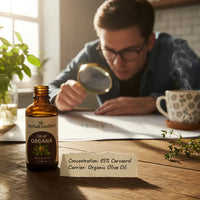
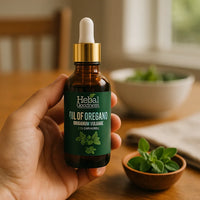
Oil of Oregano: Heritage, Key Compounds, Research Insights & Safe Use

Oil of oregano has captivated cultures for centuries, renowned for its versatility and unmistakable aroma. Today, it sparks curiosity among those exploring natural botanicals and plant-derived products. Whether found in kitchen spice racks or in modern supplement aisles, oil of oregano is valued for its distinct properties and compounds. For newcomers, understanding its rich cultural legacy, the active components like carvacrol and thymol, and the nuances in available formats is key to making informed choices. This beginner’s guide provides a comprehensive exploration of oil of oregano, demystifying its background, key ingredients, and practical guidance for discerning the best products on the market.
Deep Roots: The Cultural Significance of Oregano
Ancient Traditions and Global Recognition
Oregano (Origanum vulgare) has played a prominent role across the Mediterranean, Middle Eastern, and European traditions since antiquity. The plant itself was a prized ingredient in Greek and Roman societies—symbolizing joy, vitality, and flavor enhancement. Traditional preparations often included infusing oregano in olive oil or water, and applying it in culinary, household, and folk custom contexts.
From Kitchen Staple to Botanical Standout
While oregano leaves are familiar in cooking, the concentrated oil—either as an essential oil or extract—has found its way into various botanical practices worldwide. In Mediterranean cultures, oregano infusions and topical blends have been part of everyday living, gaining a reputation for their aromatic and sensory qualities. This deep-rooted history paved the way for modern interest in the plant’s unique profile and applications.
Spotlight on Key Phytochemicals: Carvacrol & Thymol
The Compounds That Define Oil of Oregano
Oil of oregano contains a distinct blend of phytochemicals responsible for its flavor, scent, and botanical properties. Two of the most prominent are:
- Carvacrol: A phenolic compound largely credited for oregano oil's signature aroma. Carvacrol is present in varying percentages, depending on the plant species and extraction method. Its robust structure yields a sharp scent and intense taste.
- Thymol: Another significant phenolic found in oregano oil. Thymol lends a warm, herbaceous aroma and supports the oil’s pungency.
Other naturally occurring components include p-cymene, gamma-terpinene, and terpinene-4-ol, but carvacrol and thymol remain the most studied and referenced.
Why Purity and Quantities Matter
Concentration levels of carvacrol and thymol differ among oil of oregano products. Quality supplements and essential oils indicate these percentages on labels. For consumers, knowing these values helps in comparing potency and authenticity, while ensuring product transparency.
Decoding Oil of Oregano Products: Essential Oils vs. Extracts
Essential Oil: Aromatic and Highly Concentrated
Oregano essential oil is typically steam-distilled from the leaves and flowering tops of the Origanum vulgare plant. The result is a volatile, highly aromatic substance. This form is extremely concentrated and, in most cases, is not designed for direct ingestion. Instead, it’s often used in aromatherapy or diluted in carrier oils for topical applications.
Important Considerations for Essential Oil Use
- Dilution: Pure oregano essential oil is potent and should always be diluted before external use.
- Label Clarity: Seek products specifying chemotype, carvacrol/thymol content, and botanical source.
Extracts and Supplement Forms: Capsules, Drops, and Blends
Oil of oregano is also available in extracts—produced via cold pressing or ethanol extraction. These extracts may be suspended in carrier oils (like olive oil) and formulated as:
- Liquid drops: For measured use under the tongue or in beverages.
- Capsules: Encapsulated oil or extract for controlled intake.
Use instructions and concentrations vary by brand, so consumers should follow product-specific recommendations. Notably, oregano oil extracts intended for nutritional use are usually standardized for carvacrol and/or thymol concentrations.
Comparing Product Formats
- Essential Oil: Pure, aromatic; for external or aromatherapeutic use only.
- Extract (Liquid or Capsule): Standardized for key compounds; formatted for nutritional use.
- Blends: Sometimes combined with other botanical or carrier oils; check ingredient transparency.
Navigating Research: Reading Scientific Studies on Oregano Oil
Understanding Study Design and Terminology
When exploring oil of oregano’s documented properties, it helps to approach research critically. Key tips include:
- Human vs. laboratory studies: Much early research is performed in vitro (test tubes) or in animal models. Results cannot always be extrapolated directly to everyday use.
- Concentration matters: Pay attention to dosages and composition when comparing findings to actual products available in stores.
- Study duration: Short trials may yield different results compared to ongoing usage.
Recognizing Quality Sources
Seek peer-reviewed journals, university and research institution publications, and transparent declarations of botanical species and extraction methods. Reliable studies will state the oregano variety, the precise extraction process, and the exact ratios of active phytochemicals.
Pro Tip: Scrutinize the methods section of a study to identify how the oil was sourced and standardized. Ensure any claims align with your intended product use and format.
Limitations and Emerging Areas
As scientific interest expands, more long-term, diverse, and well-controlled studies continue to emerge. Stay informed through reputable botanical and nutritional science sources, and always evaluate new claims with critical discernment.
Safety and Practical Usage Tips for Oil of Oregano
Choosing High-Quality Oregano Oil Products
- Verify species: Top-tier options use Origanum vulgare or Origanum onites, since these varieties offer optimal carvacrol and thymol content.
- Source transparency: Manufacturers should list country of origin, farming practices, and extraction techniques.
- Purity standards: Look for third-party testing, non-GMO, and organic certifications if desired.
Best Practices for Use
- Consultation: When considering new botanicals or supplements, discussing with a professional is recommended for personalized guidance.
- Follow instructions: Adhere strictly to serving sizes and directions provided by the product manufacturer.
- Allergy awareness: Oregano belongs to the Lamiaceae (mint) family; check for sensitivities to related herbs.
- Storage: Store oil of oregano products in cool, dark places to maintain freshness.
Key Safety Considerations
Oregano oil is highly concentrated. Avoid contact with sensitive areas (eyes, mucous membranes) and always dilute when applying externally. Some individuals may experience irritation or heightened sensitivity, especially when using essential oils improperly. Secure storage is essential to keep the oil out of the reach of children and pets.

Selecting the Right Oil of Oregano for Your Needs
The optimal oil of oregano form depends on your preferences, priorities, and intended use:
- Aromatic experience: Select an essential oil for aromatherapy (with proper dilution).
- Botanical supplementation: Choose standardized extracts in capsules or liquid drops, with labeled carvacrol and thymol content.
- Ingredient transparency: Opt for products that fully disclose their syllable, extraction method, and concentration.
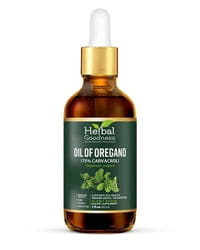
Evaluating product labeling, reading independent reviews, and purchasing from reputable vendors can provide confidence in your selection. With a growing number of options on the market, informed consumer choices drive higher product standards, support safety, and promote overall satisfaction.
Final Thoughts: Empower Your Botanical Journey
Oil of oregano’s rich historical roots and distinctive phytochemical profile invite both tradition and curiosity to the table. By delving into its background, understanding its core compounds like carvacrol and thymol, exploring product differences, and approaching scientific research with a discerning eye, you can make empowered decisions as you explore this revered botanical. Always prioritize accurate information, product quality, and user safety for the best experience in your natural wellness journey.

FAQs:
- What is oil of oregano and how is it traditionally used?
Oil of oregano is a concentrated extract obtained from Origanum vulgare leaves and flowering tops. Historically, it has been valued for its robust aroma and flavor, and incorporated into various traditional culinary and household applications across Mediterranean and Middle Eastern cultures.
- What are the key compounds found in oil of oregano?
The primary compounds in oil of oregano are carvacrol and thymol, two phenolic substances that contribute to its distinctive scent and flavor. Other components include p-cymene and gamma-terpinene, but carvacrol and thymol are the most widely recognized.
- How do essential oils differ from oil of oregano extracts?
Oregano essential oil is highly concentrated and intended primarily for external or aromatic use, requiring dilution. Oregano oil extracts, found as liquid drops or capsules, are formulated for nutritional purposes and typically standardized for carvacrol and thymol content. If you are interested in supplement forms, consider Oil of Oregano (75% Carvacrol) - 2oz Liquid - Immunity.
- What should I look for when choosing an oil of oregano product?
Look for products made from Origanum vulgare, with clear labeling of carvacrol and thymol percentages, transparent ingredient sourcing, and manufacturing methods. Reputable brands may also provide third-party testing data. A good example is Oil of Oregano (75% Carvacrol) - 2oz Liquid - Immunity.
- Are there any safety tips for using oil of oregano?
Yes. Always dilute pure essential oil before external use, adhere to serving guidelines, and store out of reach of children and pets. Individuals with sensitivities to the mint family should exercise caution, and it's wise to consult a professional before starting new botanicals. If you prefer a botanical supplement with additional support, you can explore Blood Platelet Plus - 60/600mg 20X Strength Capsule - Platelet Boost.
Ready to explore the benefits and possibilities of oil of oregano? Discover our curated selection of high-quality oils and extracts, each crafted for purity and transparency. Whether you're seeking an aromatic boost or a botanical supplement, take your next step toward informed, confident choices—shop our oil of oregano collection today!
Author Name:
Herbal Goodness Editorial Team
Author Bio:
The Herbal Goodness Editorial Team specializes in holistic health and superfoods, blending science and nature to educate and empower our community.
Referrences:
Introducing Graviola to Young Taste Buds: Fun, Family-Friendly Flavor Exploration
Graviola in the Classroom and at Home: Creative Activities to Teach Kids About Tropical Plants