Naturally Caffeine-Free Herbal Teas: How to Choose the Best Ones

Enjoying a warm cup of tea is a cherished ritual for many. But have you ever wondered how caffeine—or the complete absence of it—lands in your tea cup? Understanding tea chemistry can feel mysterious, but a few basics about plant origins and the nuances of labeling empower you to shop smarter. Whether you’re curious about energizing blends or searching for a gentle, naturally caffeine-free option, this beginner’s guide breaks down exactly where caffeine comes from in teas, why many herbal infusions are naturally without caffeine, and how to read labels and formats for the best, clean sip.
Understanding Caffeine in Traditional Teas
Caffeine is a natural compound found in many plant species. In the world of traditional teas, this invigorating chemical mostly originates from the Camellia sinensis plant. Black, green, oolong, and white teas all come from this plant, and their caffeine content depends on how the leaves are harvested, processed, and brewed.
How Tea Leaves Produce Caffeine
Plants like Camellia sinensis synthesize caffeine as part of their natural growth. The amount of caffeine in your tea can vary based on:
- The part of the plant used (young leaves often contain more caffeine)
- Cultivation conditions (altitude, soil, climate)
- Processing methods (fermentation, drying)
Every step from leaf to cup can alter the exact amount, but if your tea is labeled black, green, oolong, or white, it nearly always contains some level of naturally occurring caffeine. For those wishing to avoid caffeine, steering away from these and instead considering herbal alternatives will offer a gentler experience.
Tea Chemistry: The Basics
Caffeine is an alkaloid—a group of compounds commonly found in plants. In the case of tea, it’s accompanied by other natural plant chemicals, which collectively influence aroma, taste, and subtle effects on alertness. While caffeine is often associated with boosting energy, each plant in the tea world has its own unique set of compounds and effects, highlighting why the broad world of teas offers something for every lifestyle.
Why Many Herbal Teas Are Naturally Caffeine-Free
The category of herbal tea (sometimes called herbal “tisanes”) covers a wide range of plant infusions that do not use Camellia sinensis leaves. Instead, herbal teas might include flowers, roots, seeds, fruits, or leaves from plants such as chamomile, peppermint, rooibos, lemon balm, ginger, and others. If you’re seeking a beverage that soothes without stimulation, naturally caffeine-free herbal teas are a smart choice.
Botanical Reason: No Caffeine Created
Most of the plants used for herbal infusions do not generate caffeine at any stage of their life cycle. For example:
- Chamomile: Derived from the Asteraceae flower, contains no natural caffeine.
- Rooibos: A South African bush used for its mild, sweet profile, is naturally caffeine-free.
- Peppermint: A cooling herbal from the mint family, carries no caffeine.
This means that, unlike decaffeinated teas (where caffeine is chemically removed), these herbal infusions are free from caffeine from the start—no extra processing is needed. Options such as Organic Papaya Leaf Tea | 24 Premium Bags – Caffeine-Free deliver flavorful, gentle infusions ideal for any time of day.
Navigating Decaf and Naturally Caffeine-Free: What’s the Difference?
The terms “decaffeinated” and “naturally caffeine-free” appear often on tea labels, but they are not the same thing. Understanding these differences will help you select a tea that truly fits your needs.
Decaffeinated Teas
Decaf teas begin as traditional tea (from Camellia sinensis) and undergo additional processing to remove most—but not all—of the caffeine. Methods include water extraction, carbon dioxide, and other specialized techniques. While decaf teas often contain much less caffeine than their regular counterparts, trace amounts can remain. If you are highly sensitive, it’s wise to opt for options that never contained caffeine in the first place.
Naturally Caffeine-Free Teas
In contrast, naturally caffeine-free teas are made from botanicals that never had caffeine in their makeup. There’s no extraction process required. Herbal infusions, such as hibiscus or lemongrass, provide a gentle sipping experience with no concern for caffeine at any stage—ideal if you are seeking a beverage entirely free of stimulants. A delightful antioxidant-rich choice is Organic Hibiscus Tea 24 Bags | Heart Health & Antioxidant Wellness.
Key takeaway:
- "Decaf" = Coffee or tea with caffeine mostly (but not entirely) removed
- "Naturally caffeine-free" = No caffeine present in the plant at any point
Smart Herbal Tea Buying Tips: Reading Labels and Avoiding Surprises
With so many teas and tisanes available today, a little label literacy goes a long way. Here’s how to confidently interpret the language on your next box or pouch.
Focus on Ingredient Lists
Scan for these signals:
- Traditional tea names (black, green, white, oolong): Expect caffeine, unless explicitly noted otherwise (for instance, “decaffeinated green tea”).
- Blends: If you see both black or green tea and herbal ingredients, assume there’s some caffeine.
- Herbal/fruit names (chamomile, ginger, rooibos, hibiscus, lemon balm, fennel, etc.): These typically signal a naturally caffeine-free blend, such as Guava Leaf Tea Organic 24 Bags | Immunity & Gut Wellness – Caffeine-Free.
Look for "Naturally Caffeine-Free" on Packaging
Manufacturers often highlight this claim if no caffeinated ingredients are present. When you see "naturally caffeine-free,” it means the ingredients are entirely non-caffeinated by nature. Look for clear indications—many reputable brands provide this statement on the box.
Decaf Confusion: Not the Same as Naturally Caffeine-Free
Remember that “decaffeinated” teas have undergone steps to reduce—rather than eliminate—caffeine content. If your aim is zero caffeine, prioritize herbal infusions labeled "naturally caffeine-free." Items such as the Herbal Tea Trio Bundle | Guava, Hibiscus & Avocado – 3 Organic Packs can help build a caffeine-free tea collection for your pantry.
Check for "May Contain Traces" Statements
Cross-contamination can occur in facilities that handle both tea and herbal blends. Statements like “may contain traces of caffeine” or “processed in a facility that also handles tea leaves” are included for transparency, particularly important if you are very sensitive to caffeine or want total assurance. The more detailed the product labeling, the easier it is for those with sensitivities to choose wisely.
Tea Formats and Cross-Contamination: What to Know
Modern tea comes in many forms—bags, loose leaf, powders, liquid extracts, and ready-to-drink bottles. Each option has its own potential for cross-contact with caffeine.
Teabags vs. Loose Leaf
- Teabags: Mixed on factory lines, so pay attention to statements about cross-contamination and closely read the ingredient list.
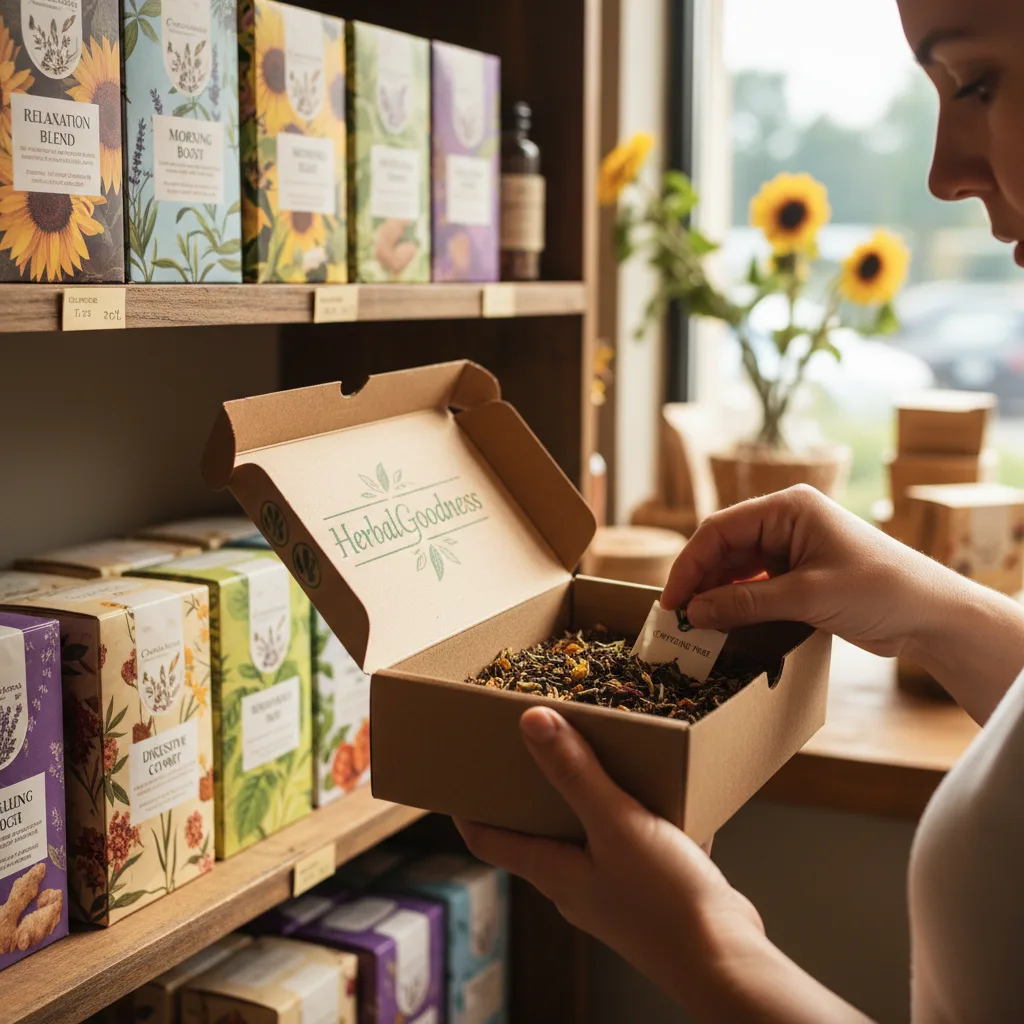
- Loose Leaf: Easier to verify purity if you’re buying single-ingredient botanicals. Brands like Herbal Goodness, for example, put emphasis on clear single-herb sourcing. For even more versatility, our organic herbal teas allow you to experiment with pure, single-ingredient herbal blends.
Powders and Extracts
- Powders (like matcha or herbal blends): Matcha is always caffeinated since it’s just ground green tea. Watch for herbal powders processed in facilities that also handle green or black tea, which could contribute to traces of caffeine.
- Liquid and Herbal Extracts: Sourcing matters. Good brands use dedicated equipment for herbal extracts, but it’s wise to check packaging for any advisory statements. The Soursop Leaf Graviola Extract 15X Liquid | Organic Cell & Immunity is an example of a liquid extract crafted for wellness without caffeine concerns.
Ready-to-Drink and Blended Beverages
- Bottled teas and herbal drinks: Flavored teas can blend herbal infusions with green or black tea for taste and aroma but usually list all components. Seek out products listing “caffeine-free herbal infusion” if you prefer certainty. Choosing transparent brands helps ensure your bottled blend fits your caffeine needs.
Understanding Label Language: A Practical Guide
Knowing how to decode label terms arms you with confidence. Here are some specific words and phrases to look for:
- "Naturally caffeine-free": The product contains only herbs or botanicals that have no caffeine in their chemistry.
- "Herbal tea" or "Herbal infusion": Indicates a blend made from non-Camellia sinensis plants—generally caffeine-free, but always check for any added traditional tea.
- "Decaffeinated": Traditional tea that’s been processed to lower caffeine content—may still have minimal residual caffeine.
- "Contains tea leaves": Signals some level of natural caffeine unless it’s a decaf blend.
- "Cross-contamination" or "May contain traces of caffeine”: A safety notice for those with high caffeine sensitivity.
Sourcing and Quality for Clean Herbal Teas
Shoppers focused on clean, reliably caffeine-free teas benefit from understanding sourcing and manufacturing standards.
- Direct, traceable sourcing: Look for brands that indicate single-origin sourcing and dedicated herbal processing lines. Herbal Goodness, for instance, emphasizes the purity of its ingredients for herbal teas and infusions. Their Soursop Leaf Tea | Organic Graviola 24 Bags | Soursop Tea Benefits for Immunity & Wellness is a great caffeine-free choice for boosting immunity.
- Transparency: Reputable companies provide detailed ingredient lists, mention facility practices, and clearly label the caffeine content of each blend.
- Product certifications: Consider third-party certifications like USDA Organic or Non-GMO Project to add a layer of quality assurance. While not direct indicators of caffeine status, these often signal more robust oversight and cleaner products for your wellness journey.

Confident Buying: Aligning Choice with Preference
When you walk the tea aisle, your decision can now be guided by:
- Intent: Do you want a little lift, or a gentle, soothing beverage?
- Label: What do the ingredient list and claims say about caffeine content?
- Certainty: Are you comfortable with decaf, or do you want the assurance of a naturally caffeine-free blend?
- Format: Does the tea format and brand share enough information about their sourcing and facility practices?
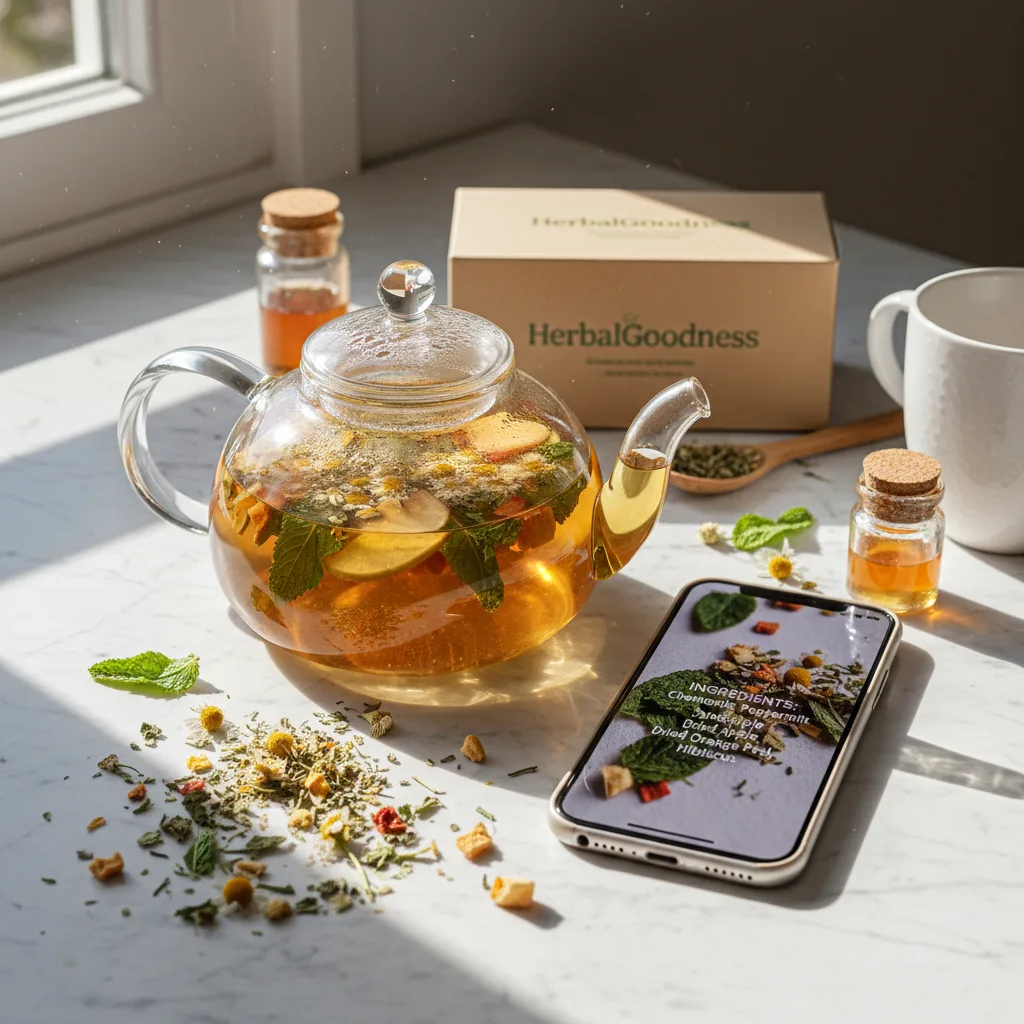
By understanding how caffeine (or its absence) ends up in your cup, you’re empowered to make smart, clean, and personally aligned choices—whatever your perfect sip might be.
Frequently Asked Questions
Question 1: How can I tell if my tea is naturally caffeine-free?
Answer: Carefully read the ingredient list. Look for herbal or fruit names such as hibiscus or papaya leaf, or clear labeling such as “naturally caffeine-free,” as found on products like Organic Papaya Leaf Tea | 24 Premium Bags – Caffeine-Free.
Question 2: Are decaffeinated teas completely free from caffeine?
Answer: No, decaffeinated teas have had most of the caffeine removed but may still contain trace amounts. Those seeking truly caffeine-free options should choose herbal infusions like Organic Hibiscus Tea 24 Bags | Heart Health & Antioxidant Wellness.
Question 3: What should I look for in a high-quality caffeine-free herbal tea?
Answer: Seek direct, traceable sourcing, transparency in ingredient lists, and certifications such as USDA Organic. Consider brands like Herbal Goodness, with options such as Soursop Leaf Tea | Organic Graviola 24 Bags or the Herbal Tea Trio Bundle | Guava, Hibiscus & Avocado – 3 Organic Packs.
Question 4: Do herbal extracts or loose teas carry any caffeine risk?
Answer: Most herbal extracts and loose teas made from non-Camellia sinensis plants are naturally without caffeine, but always check for cross-contamination statements and buy from trusted sources. Try our organic herbal teas for pure blends.
Question 5: Can I mix different herbal teas for a custom caffeine-free blend?
Answer: Yes, combining various naturally caffeine-free herbs is safe and delicious. Explore bundles like the Herbal Tea Trio Bundle | Guava, Hibiscus & Avocado – 3 Organic Packs to create unique blends.
Question 6: Why do some herbal teas have 'may contain traces of caffeine' on the label?
Answer: Cross-contamination can occur during processing in facilities that handle both herbal blends and regular teas. If you are very sensitive, select products from brands with dedicated lines and clear labeling, including Guava Leaf Tea Organic 24 Bags | Immunity & Gut Wellness – Caffeine-Free.
Curious about finding your clean, naturally caffeine-free herbal teas? Let your newfound label savvy guide you to an option perfectly suited for your lifestyle and taste preferences.
About the Author
Herbal Goodness Editorial Team
The Herbal Goodness Editorial Team specializes in holistic health and superfoods, blending science and nature to educate and empower our community.
References
Introducing Graviola to Young Taste Buds: Fun, Family-Friendly Flavor Exploration
Graviola in the Classroom and at Home: Creative Activities to Teach Kids About Tropical Plants
Why Social Impact Matters in Plant-Based Wellness