Mushrooms and Your Plate: Nutrient Profile, Antioxidants & Prep Impact

Mushrooms have earned their place on the modern plate for their earthy taste and versatility in the kitchen. But beyond flavor, they're often chosen for their unique nutritional makeup, differing from common fruits and vegetables. This deep dive explores what mushrooms actually bring to your meals—including their vitamin, mineral, fiber, and antioxidant content. You’ll also discover how selecting, storing, and cooking methods such as sautéing, roasting, and drying can impact mushrooms' taste and nutritional composition. Let’s uncover the secrets to maximizing their value in your kitchen, so every bite becomes a nourishing experience.
Understanding the Nutrient Profile of Mushrooms
Mushrooms are natural sources of a range of nutrients, being neither plant nor animal but part of the fungi kingdom. Their composition can vary by species, yet they often provide an exciting nutritional complement to your meals.
Key Vitamins Found in Mushrooms
Mushrooms offer a diverse set of vitamins:
- Vitamin D: Unique among produce, when exposed to sunlight or UV light, some mushroom varieties like shiitake and maitake can contain significant amounts of vitamin D.
- B Vitamins: Including riboflavin (B2), niacin (B3), and pantothenic acid (B5), these are essential for energy metabolism.
- Folate: Found in moderate amounts, supporting normal cellular function.
- Other Vitamins: Trace levels of vitamins such as biotin and thiamine can also be present.
For those looking to mirror some of the unique vitamin and antioxidant support mushrooms offer, the Mushroom Blend - Organic 1oz 15X Liquid Extract - Adaptogens & Brain Power provides a convenient alternative.
Minerals Present in Mushrooms
Mushrooms provide an array of helpful minerals, though levels differ among varieties:
- Selenium: Commonly found in button and cremini mushrooms, it acts as a vital component of various physiological processes.
- Potassium: Essential for maintaining healthy fluid balance, is present in notable quantities.
- Copper and Phosphorus: Both play key structural and metabolic roles in the body.
Beta-glucans and chitin, the main forms of dietary fiber in mushrooms, also contribute texture and may support a balanced diet. For those interested in plant-based sources of trace minerals and defense antioxidants, products such as Sea Moss - Raw Dried from St Lucia - 8oz Bag - Nature's MultiVitamins offer additional variety for your supplementation strategy.
Fiber Content and Types
While not a high-fiber food, mushrooms do contain dietary fiber, mostly in the form of beta-glucans and chitin. These fibers contribute texture and may support a balanced diet. Dried edible sea vegetables, like sea moss, also provide valuable fiber content that complements mushroom-rich recipes, especially for plant-forward dishes.
Noteworthy Antioxidant Compounds
Antioxidants are molecules that engage with environmental factors in the body. Mushrooms are a notable source of:
- Ergothioneine: Found in higher concentrations in oyster and shiitake mushrooms.
- Glutathione: Present in several common varieties.
- Polyphenols & Flavonoids: Contributing to the overall antioxidant capacity.
The mix of these nutrients makes mushrooms a unique player in whole-food-based nutrition, and you can find a broad spectrum of mushroom-adaptogen combinations in Mushroom Blend - Organic 1oz 15X Liquid Extract - Adaptogens & Brain Power.
Common Edible Mushroom Varieties and Their Unique Properties
There are hundreds of edible mushroom types worldwide, but a few regularly appear in culinary use. Each has subtle differences in nutritional content, texture, and flavor.
Button (White) Mushrooms
- Mild flavor, high water content.
- Good source of B vitamins and selenium.
Cremini (Baby Bella) Mushrooms
- Slightly earthier taste than white mushrooms.
- Similar nutrient profile with some additional minerals.
Portobello Mushrooms
- Meaty texture and robust flavor.
- Higher levels of potassium.
Shiitake Mushrooms
- Distinctly savory.
- Contains substantial amounts of ergothioneine and dietary fiber.
Oyster Mushrooms
- Delicate flavor.
- Known for higher ergothioneine content.
Maitake and Enoki Mushrooms
- Maitake offers a layered, woody taste and plenty of B vitamins.
- Enoki brings a crisp bite and unique shape, with a lighter nutrient profile.
Exploring edible types is a great way to diversify nutrients and culinary enjoyment. Some mushrooms are even incorporated into specialized blends for cognitive support, such as Lion's Mane Mushroom Liquid Extract - Organic 1oz - Brain & Mood.
The Role of Harvesting & Storage in Mushroom Quality
How mushrooms are harvested and stored plays a pivotal role in the nutrients they retain and the flavors they deliver.
Harvest Freshness Matters
The shorter the time between harvest and consumption, the higher the chance of maximum nutrient retention—especially for delicate vitamins. Mushrooms share this trait with other botanicals; for example, ensuring freshness is equally important for dried Sea Moss - Raw Dried from St Lucia - 8oz Bag - Nature's MultiVitamins, which also benefit from minimal processing.
Storage Best Practices
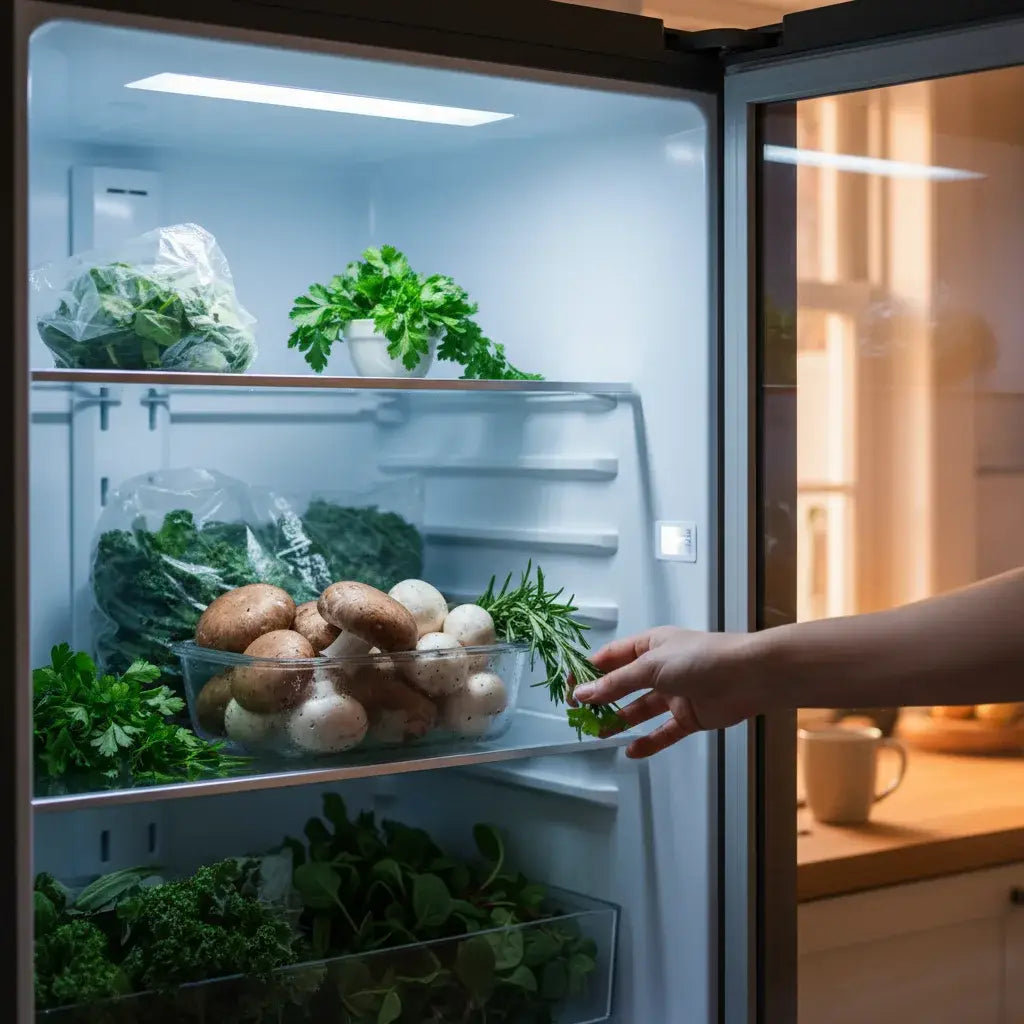
- Refrigeration: Place mushrooms in a paper bag in your refrigerator’s crisper drawer to keep them dry and slow decomposition.
- Avoid Airtight Containers: Excess moisture can cause mushrooms to degrade rapidly.
- Short-Term Use: For the best texture and flavor, use fresh mushrooms within a few days of purchase.
- Long-Term Storage: Drying mushrooms can extend their shelf life and preserve many nutrients, such as fiber and antioxidants.
Tip: Always check for spoilage before use—fresh mushrooms should be firm with smooth, unblemished caps.

How Cooking Methods Affect Mushroom Flavor and Nutritional Value
The method you use to prepare mushrooms—whether sautéing, roasting, or drying—can influence both what you taste and the nutrient composition available to you.
Sautéing Mushrooms
- Flavor: Caramelizes natural sugars, enhancing umami characteristics.
- Nutrients: Short cooking times and moderate heat generally help retain most B vitamins and minerals.
- Use minimal oil and avoid high temperatures to limit any potential nutrient loss.
For those seeking to support brain and cognitive function alongside nutrient-rich culinary choices, Lion's Mane Mushroom Liquid Extract - Organic 1oz - Brain & Mood brings a focused option for supplementation.
Roasting Mushrooms
- Flavor: Intensifies earthy notes and can create a slightly crisp texture.
- Nutrients: Roasting at a moderate temperature can preserve antioxidants, while excessive heat may reduce some heat-sensitive vitamins.
- Spread mushrooms evenly on a baking tray for best results.
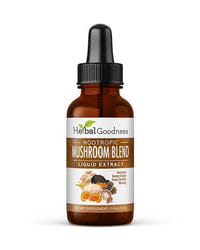
Roasting also provides an opportunity to experiment with a variety of adaptogen blends, as found in Mushroom Blend - Organic 1oz 15X Liquid Extract - Adaptogens & Brain Power, for wellness enthusiasts who incorporate both culinary and supplemental mushrooms.
Drying Mushrooms
- Flavor: Concentrates savory notes and deepens aroma.
- Nutrients: This method is excellent for retaining fiber, minerals, and most antioxidants. Rehydrated dried mushrooms can be as flavorful as fresh.
- Store dried mushrooms in an airtight container in a cool, dry place for long-term use.
If you appreciate the long shelf-life and concentrated minerals of dried ingredients, Sea Moss - Raw Dried from St Lucia - 8oz Bag - Nature's MultiVitamins brings similar versatility to your pantry, pairing well with mushroom-based recipes for an added layer of nutrition.
Other Preparation Tips
- Cleaning: Gently wipe mushrooms with a damp cloth instead of rinsing, to maintain their texture.
- Slicing or Chopping: Cut just before cooking to stave off oxidation and water loss.
- Leave the Skin On: Where possible, cook mushrooms with their skins to get the benefit of all their nutrients.
Selecting the Best Mushrooms at the Store or Market
Knowing what to look for can ensure you bring home mushrooms that are both tasty and rich in nutrients:
- Appearance: Choose mushrooms that are smooth, plump, and free of dark spots.
- Smell: Fresh mushrooms have a mild, earthy fragrance. Musky or sour odors can be an indicator of aging.
- Texture: Mushrooms should feel firm, never slimy or sticky.
Consider trying different types, as unique textures and flavors can be a delightful addition to your kitchen. Integrating products such as Mushroom Blend - Organic 1oz 15X Liquid Extract - Adaptogens & Brain Power enables a convenient way to incorporate a variety of mushroom nutrients daily.
Practical Tips to Make the Most of Your Mushrooms
Enjoying mushrooms for both their flavor and nutritional attributes is simple when you follow a few guidelines:
- Purchase Frequently: Smaller batches ensure freshness and nutrient availability.
- Store Properly: Paper bags in the fridge promote breathability and extend shelf-life.
- Experiment with Cooking: Try sautéing, roasting, and even grilling mushrooms for a range of textures and tastes.
- Pair with Other Ingredients: Mushrooms shine in stir-fries, soups, and grain bowls alike. Combining them with ocean-based botanicals like Sea Moss - Raw Dried from St Lucia - 8oz Bag - Nature's MultiVitamins increases the diversity of nutrients in your meals.
- Don’t Overcrowd the Pan: Mushrooms release moisture when cooked—avoid steaming or limp texture by using a wide pan.
Bringing It All Together: Mushrooms for Every Plate
Whether you’re exploring mushrooms for their flavor, texture, or the nutrition they offer, understanding how to select, store, and prepare them is key to making the most of this fascinating food. With a broader view of how each step—from harvest to plate—impacts both taste and nutritional profile, you can confidently include more mushrooms in your meals and experience their full culinary potential.
FAQs:
- What nutrients are commonly found in edible mushrooms?
Mushrooms typically contain B vitamins, vitamin D (when UV-exposed), fiber, selenium, potassium, copper, and antioxidant compounds such as ergothioneine and glutathione. The exact composition varies depending on the mushroom variety.
- How does cooking method impact the nutritional value of mushrooms?
Sautéing and roasting often preserve B vitamins and minerals, while drying maintains fiber and antioxidants well. Excess heat or prolonged cooking may reduce some heat-sensitive nutrients, so moderate techniques are optimal.
- What’s the best way to store fresh mushrooms to preserve quality?
Store fresh mushrooms in a paper bag in the refrigerator’s crisper drawer. This helps keep them dry, firm, and delays spoilage. Avoid airtight containers, which can lead to moisture buildup.
- Do different types of mushrooms offer unique benefits?
Yes, each variety—such as shiitake, oyster, or cremini—provides its own combination of nutrients, textures, and flavors. Exploring a variety offers a broader range of culinary and nutritional qualities.
- Should mushrooms be peeled or washed before cooking?
Wipe mushrooms gently with a damp cloth or soft brush instead of washing heavily, which can affect texture. Avoid peeling; much of the nutrition is concentrated just under the skin.
- Can I use dried mushrooms as a substitute for fresh ones?
Yes, dried mushrooms are a convenient and flavorful alternative. They retain many nutrients and can be rehydrated for use in most recipes.
Author Name:
Herbal Goodness Editorial Team
Author Bio:
The Herbal Goodness Editorial Team specializes in holistic health and superfoods, blending science and nature to educate and empower our community.
References:
Introducing Graviola to Young Taste Buds: Fun, Family-Friendly Flavor Exploration
Graviola in the Classroom and at Home: Creative Activities to Teach Kids About Tropical Plants