Mullein Species 101: Identifying Mullein in Your Herbal Products

Understanding Mullein Species at a Glance
If you’ve picked up an herbal tea or supplement and spotted “mullein” on the label, you might wonder what exactly is inside. The world of mullein is more varied than you might expect—over two hundred known species exist! However, only a few are commonly found in consumer products. Knowing which mullein species is in your product can add a richer layer to your wellness journey, especially if you're curious about sourcing origins, flavor, or personal preferences. This guide breaks down the essentials: which species show up most, how to spot them on product labels, and why thoughtful shoppers might care about the details.
What Is Mullein? Plant Basics and Popular Species
Mullein is the common name for plants in the genus Verbascum, widely recognized for their tall flowering stalks, soft felt-like leaves, and history of use in diverse traditions. Let’s introduce the two most common species you’ll encounter in herbal products:
Verbascum thapsus (Common Mullein)
- Also called great mullein or woolly mullein
- Noted for tall, candle-like flower spikes and large, velvety leaves
- Recognized globally for its soft, silvery appearance
Verbascum densiflorum (Denseflower Mullein)
- Sometimes called denseflower mullein or dense flowering mullein
- Features more densely clustered yellow blooms with narrower leaves compared to V. thapsus
Understanding this distinction is valuable—not all products simply say “mullein.” The specific species name provides insight into the plant’s look, traditional use, and even natural habitat. For those seeking herbal teas for wellness, Mullein Leaf Tea - Organic 24 Tea Bags - Respiratory & Lung is a prime example of a quality product that specifies its plant parts and use.
Decoding Botanical Names on Herbal Product Labels
You might notice that some products list the botanical name alongside or instead of “mullein.” These names follow the Latin taxonomy system—a standardized way to identify plants worldwide. Here’s how to read them:
- “Verbascum thapsus” = common mullein/ great mullein
- “Verbascum densiflorum” = denseflower mullein
The genus name (Verbascum) appears first, followed by the species (e.g., thapsus or densiflorum). Some premium or highly transparent brands may even list the plant part used—such as “Verbascum thapsus leaf” or “Verbascum densiflorum flower.”
Why Do Botanical Names Matter?
Botanical names help ensure you’re getting the plant you expect and can be especially important if you have personal preferences or are comparing flavor, aroma, or sourcing traditions. Herbal teas from bulk herbal blends such as our organic herbal teas also benefit from clear labeling so you know exactly what botanicals are included.
How Species Differences Impact Your Herbal Experience
While all mullein species share certain traits, differences in flavor, aroma, and texture can subtly influence your enjoyment of a product—or inspire curiosity about sourcing and seasonality.
Flavor and Aroma Notes
Verbascum thapsus:
Traditionally described as mild, subtly earthy, and gently herbaceous, making it a favorite for mellow teas.
The leaf, in particular, tends to have a light, inoffensive aroma—easily blended with other botanicals.
Verbascum densiflorum:
Occasionally appreciated for a more pronounced, ‘greener’ or slightly floral flavor due to its flowers.
May offer a slightly brighter note compared to woolly mullein species.
Texture and Appearance
- V. thapsus leaves are particularly soft and fuzzy, almost wool-like, which can influence how teas or infusions feel on the palate.
- V. densiflorum leaves are narrower and less densely covered in fuzz, giving a slightly different mouthfeel in certain preparations.
Comparing mullein blends or products often comes down to personal sensory experience. If you notice a difference between brands or batches, it might just be a matter of species!
Growing Conditions and Sourcing Stories
Curious consumers are increasingly interested in where (and how) their herbs are grown. Species differences can tell you a lot about the plant’s story and sourcing journey.
Verbascum thapsus Origins
- Grows famously well in North America and Europe.
- Known as a hardy ‘pioneer’ plant, thriving in sandy or disturbed soils.
- Often found wild, but also cultivated for specialized uses.
Verbascum densiflorum Origins
- Primarily native to Europe and parts of Asia, but can adapt to North American climates.
- Prefers sunny, open meadows and light, well-drained soils.
Sourcing from wild versus cultivated stands can affect everything from plant consistency to harvesting methods—factors that influence not only what’s in your cup, but also the story behind it. Those who value transparent sourcing may find our Bulk Herbs collection to be a good fit, as they offer roots and herbal ingredients with careful attention to origin and purity.
Label Literacy: Tips for Spotting Mullein Species in Herbal Products
Deciphering herbal product labels can seem daunting at first, but with a few simple strategies, you can become an empowered label reader. Here’s what to look for:
- Find the Latin name: Seek out “Verbascum thapsus,” “Verbascum densiflorum,” or another Verbascum species on the label or supplement facts panel.
- Check the plant part: Some products specify “leaf,” “flower,” or “whole plant.” This adds another meaningful layer.
- Look for certifications: Quality-focused brands may highlight where the plant was grown, whether it’s organically cultivated, wildcrafted, or sustainably sourced.
- Notice the blend: Occasionally, products blend multiple species or plant parts for a desired profile. Labels may list all contributing plants.
Why These Details Matter
Knowing how to find and interpret this information means:
- More mindful purchasing and less guesswork.
- Ability to select products based on taste, aroma, or sourcing origin—tailoring your herbal experience to your personal values and curiosity.
Common Product Formats and Species Use
Most mullein-based herbal products, such as loose-leaf teas, dried bulk herbs, tinctures, and encapsulated powders, will feature one of the main species or sometimes a combination. The choice of species can modestly affect product characteristics:
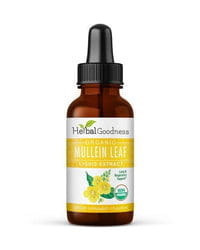
- Teas and infusions: The gentle flavor profile of V. thapsus leaf is often preferred for a smooth drinking experience. For example, Mullein Leaf - Organic 15X Liquid Extract - Respiratory & Lung Health provides a liquid extract made precisely for respiratory support, reflecting species selection and processing.

- Herbal extracts and tinctures: Both V. thapsus and V. densiflorum are valued; formulation depends on sourcing and traditional practices.
- Topical applications: Texture and size of the leaf may guide selection where applied.
Choosing a bulk or blended tea, such as our organic herbal teas, allows for experimenting with different botanicals, including blends that may highlight the unique properties of specific mullein species.
Shopping with Confidence: Questions to Ask
When exploring mullein products, considering species information adds a thoughtful step to your process:
- Which Verbascum species is used in this product?
- Is it specified on the label or website?
- Do I prefer a lighter or a brighter herbal note?
- Are sourcing or growing practices transparent?

Empowered by this knowledge, you can select the mullein product that aligns with your tastes, origins of interest, and values.
Curiosity Leads to Connection
Understanding the nuances of mullein species isn’t just “botanical trivia.” It’s a direct window into the world of plants, land stewardship, and the traditions shaping the herbs on your shelf. For enthusiasts, cultivators, and conscious shoppers alike, connecting with these subtle details can transform the act of choosing herbal products into a more intentional, informed, and enjoyable experience.
Ready to deepen your herbal knowledge? Explore product labels, ask questions, and invite curiosity the next time you shop for mullein.
FAQs:
- What are the most common mullein species found in herbal products?
The two most common mullein species in herbal products are Verbascum thapsus (common or woolly mullein) and Verbascum densiflorum (denseflower mullein).
- How can I identify which mullein species is in my herbal product?
Check the label for the botanical (Latin) name. 'Verbascum thapsus' and 'Verbascum densiflorum' are the two names most frequently listed on reputable herbal product packaging.
- Do different mullein species taste different?
Slightly, yes. Verbascum thapsus tends to have a milder, earthier flavor, while Verbascum densiflorum may be slightly more floral or green.
- Does the part of the mullein plant used matter?
Yes, flavors and textures vary depending on whether the leaf, flower, or entire plant is used. Labels may specify which part is included.
- Are there key sourcing differences between mullein species?
Verbascum thapsus is widely naturalized in North America and Europe, thriving in open fields, while Verbascum densiflorum is more commonly associated with European or Asian origins.
- Why do some brands list only 'mullein' and not the species?
Some brands may simplify labeling for marketing, but quality-focused companies often include full botanical names to support transparency and consumer choice.
Author Name:
Herbal Goodness Editorial Team
Author Bio:
The Herbal Goodness Editorial Team specializes in holistic health and superfoods, blending science and nature to educate and empower our community.
References:
Introducing Graviola to Young Taste Buds: Fun, Family-Friendly Flavor Exploration
Why Social Impact Matters in Plant-Based Wellness
Taxonomy and botany of Verbascum species – Oxford Academic, Annals of Botany
Mullein – National Center for Complementary and Integrative Health (NCCIH)