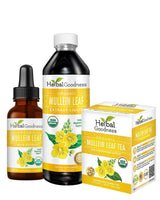
Mullein in Arabic: Names, Traditional Uses, and Home Preparations Guide

Across the diverse landscapes of the Arab world, the mullein plant—long regarded for its unique properties—holds a rich legacy rooted in tradition and everyday life. Whether you encounter it as botanical illustrations in ancient manuscripts or as practical remedies passed down through families, mullein stands out for both its cultural significance and enduring relevance. This article explores how mullein is known across Arabic dialects, the time-honored approaches to its use, and actionable advice for identifying, sourcing, and preparing it safely in your own kitchen.
Arabic Names for Mullein in Local Dialects
One of the fascinating aspects of herbal life in the Arab world is how local dialects shape the names of plants.
Common Arabic Names for Mullein:
- Kharrouf (خَراف)
- Andan (عنْدان)
- Shaara’a al-dhab (شَعَرَاء الذَّهب)
- Ward al-Khameel (ورد الخميل)
- Tabgh (تبغ)
The name “Kharrouf” is widely used in the Levant (Jordan, Syria, Lebanon, and Palestine), but you may hear “Andan” in more rural or Bedouin communities. Moroccan herbalists may refer to mullein as “Tabgh,” while “Shaara’a al-dhab” translates roughly to “the golden-haired plant”—a nod to the soft, fuzzy leaves and the bright yellow flower spikes mullein produces. These names reflect not only linguistic variety but also regional insights into the plant’s unique appearance and uses.
Decoding Market and Apothecary Labels
When visiting local markets or herb sellers in Arabic-speaking regions, being familiar with these names is critical. Many markets display Arabic script only. Typical label cues to identify mullein include:
- “كهرنف” or “خَراف” (Kharrouf)
- “عنْدان” (Andan)
- Use of the phrase “أعشاب طبيعية” (natural herbs)
If you’re shopping for mullein in a North African market, listen for “Tabgh” or look for labels using French alongside Arabic. In the Levant, “Kharrouf” is often front and center on herb shop labels.
Folkloric and Culinary Traditions Involving Mullein
Mullein in Arabic Folklore
In many Arabic cultures, mullein has been a familiar wild plant for centuries. Folklore often weaves stories of mullein as a household staple—appreciated for the softness of its leaves, its sunny yellow flowers, and its ability to thrive on rocky hillsides and dry planes. Elder generations might cherish tales of gathering mullein in spring and summer, drying its leaves for wintertime use.
Culinary Practices Involving Mullein
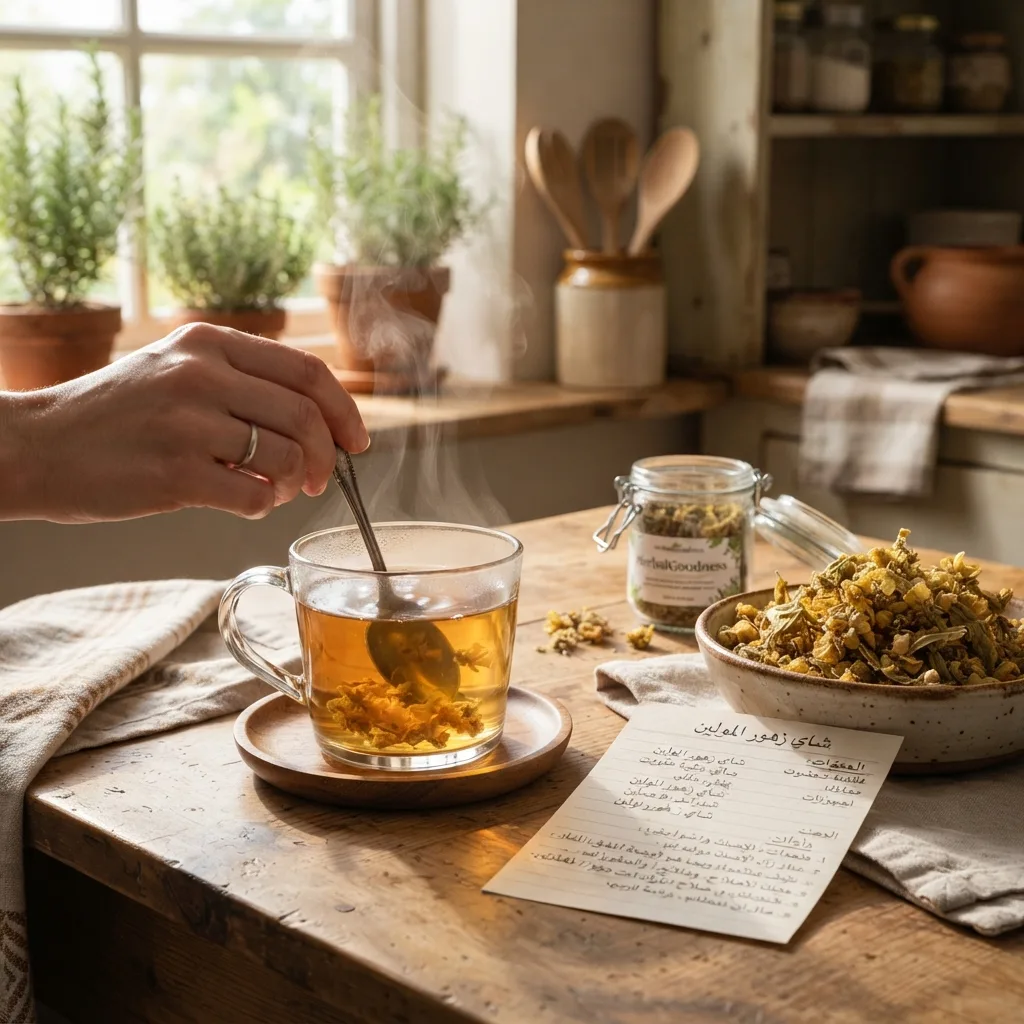
Mullein is rarely eaten as food in Arabic cuisine, but it does play a subtle role in traditional kitchens. Dried mullein leaves or flowers may be added sparingly to herbal blends for brewing, particularly for teas (“shai al-andan” or “shai kharrouf”). In some rural areas, young, tender mullein leaves can be used as a leafy wrap for grains, though this use is comparatively rare.
If you're interested in the broader world of gentle herbal teas, options like Organic Papaya Leaf Tea | 24 Premium Bags – Caffeine-Free provide a natural, herbal experience for those looking to diversify their wellness routine. Herbal blends can enhance social rituals or personal relaxation.
Mullein as a Social Ritual
Herbal tea is often central to Arab hospitality. Serving mullein tea, alone or combined with other herbs like sage or thyme, conveys a respect for tradition and an invitation to sit and converse. Exploring herbal infusions at home expands this tradition, with blends such as Bamboo Leaf Tea 24 Bags | Nature's Silica – Collagen & Biotin Support also playing a role in broadening tea offerings for gatherings and self-care.
Traditional Mullein Preparations in the Arab World
Mullein Tea (Shai Andan or Shai Kharrouf)
Classic Preparation:
- Rinse a handful of dried mullein leaves (or flowers) in cool water.
- Place in a teapot or heat-safe mug.
- Pour freshly boiled (not boiling) water over the herbs.
- Cover and steep for 8–10 minutes.
- Strain through a fine mesh or cloth to remove fine hairs.
- Sweeten lightly with honey if desired. Some Arabic recipes add a sprig of mint or a squeeze of lemon.
Tips: Straining is essential—mullein’s tiny leaf hairs can irritate if not filtered well.
Herbal Papaya Bath Soap | 2 Bars/3.5oz – Natural Skin Cleanse & Glow can be a gentle complement when considering traditional topical uses for soft, sensitive skin after herbal steam infusions.
Steam Infusions with Mullein Leaves
Steam infusions are another longstanding approach in traditional Arabic herbal practice. This method involves:
- Adding dried mullein leaves to a bowl
- Pouring hot (not boiling) water over the herbs
- Leaning over the bowl and inhaling the rising steam
This technique is generally regarded as calming and soothing, especially during the cooler months. Some families add a few drops of thyme or eucalyptus oil for supplementary aroma, though mullein alone is the tradition in many communities.
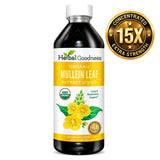
Steam infusions for comfort and aromatherapy can be supported further with carefully sourced leaves. If you want to experience the benefits of mullein in a convenient modern format, Mullein Leaf Organic 15X Liquid Extract | Respiratory & Lung Wellness provides concentrated support for respiratory traditions in a user-friendly drop format.
Topical Folk Uses
In certain Arab rural traditions, the soft leaves of mullein are sometimes used externally—often by softening a cleaned leaf in warm water and placing it gently on the skin. This practice is most commonly documented among elder generations or in village contexts. Whenever trying folk uses, it’s wise to test for skin sensitivity on a small patch and consult local experts or experienced practitioners for guidance.
Sourcing and Buying Mullein in Arabic Markets
Key Tips for Locating Quality Mullein
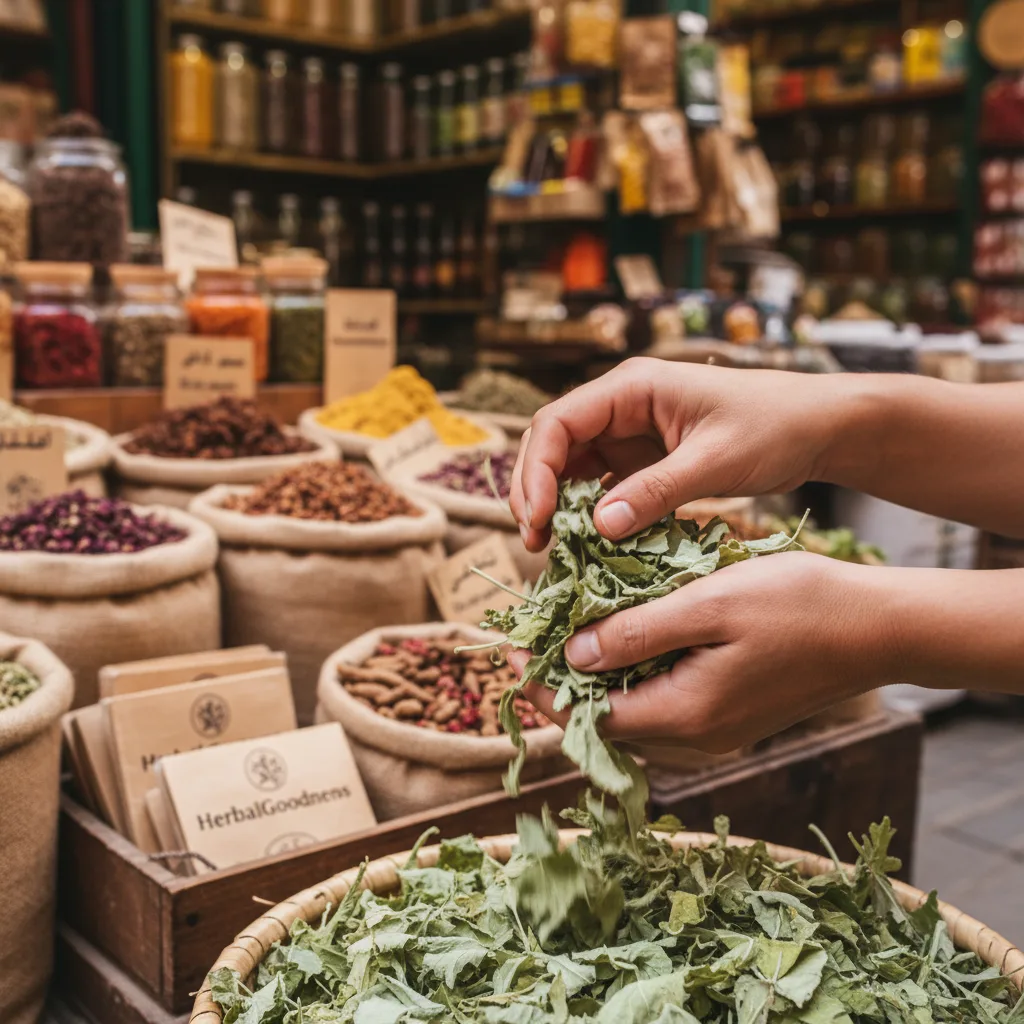
- Visit Local Herbalists (Attarine/عطارين): Traditional herbalists are an excellent source for mullein. Ask for “kharrouf” or other local names.
- Inspect for Freshness: Look for soft, silvery leaves and a gentle, clean aroma. Avoid dusty, brown, or brittle samples.
- Check for Label Clarity: Authentic mullein is usually labeled in clear Arabic script—double check translations if purchasing in mixed-language markets.
- Ask Origin Questions: If possible, inquire about the region where the plant was harvested. Wild-harvested mullein from mountainous or high plateau areas is often preferred.
Recognizing Adulterants
Herb markets vary in quality control. In some cases, mullein may be blended with other plants. If in doubt, visit a trusted seller and become familiar with the look and scent of pure mullein: soft, fuzzy pale green leaves and a mild, almost lightly floral aroma.
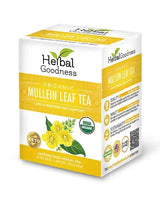
For those looking to try a time-honored tea format, Mullein Leaf Tea Organic 24 Bags | Respiratory & Lung Wellness Support offers a practical, pre-portioned experience true to traditional use.

How to Read Mullein Labels in Arabic
Navigating Arabic labels can require a little practice, but several words/phrases are especially relevant:
- “ورق الخميل” (mullein leaves)
- “زهرة الخميل” (mullein flowers)
- “نبات بري” (wild plant)
- “أعشاب طبيعية” (natural herbs)
- “نبتة عضوية” (organic herb)
Watch for product forms: dried leaves (“ورق مجفف”), loose flowers, or even pre-filled tea bags. Some modern markets include both Arabic and English, but in rural settings, Arabic script dominates. Reading herbal labels with a keen eye builds confidence in any market or apothecary setting.
Practical Steps for Preparing Mullein at Home
Safety and tradition go hand in hand when using mullein in the home kitchen:
- Always start with a small amount. Test for any sensitivity.
- Rinse well. Dust and fine hairs can accumulate during storage.
- Strain thoroughly. Use fine mesh, coffee filters, or cheesecloth to capture fine plant hairs.
- Store in a dry, dark cupboard. This helps preserve aroma and freshness.
- Keep away from contaminants. Ensure surfaces and utensils are clean to maintain herb quality.
Enjoying mullein as a tea or steam infusion is a gentle way to connect with the botanical wisdom cherished across the Arab world. For the full flavor and benefit of tradition, select whole, well-dried leaves, and steep patiently. If blending with other herbs, follow recipes or ask local herbalists for guidance. Incorporate Mullein Leaf Organic 15X Liquid Extract | Respiratory & Lung Wellness into modern routines where convenience or standardization is preferred.
Cultural Significance: Honoring Heritage and Modern Curiosity
Discovering mullein within the context of Arabic tradition is more than just about brewing a cup of tea—it’s about honoring generational wisdom and connecting with the landscape. The way mullein names shift from Morocco to Jordan, or how techniques evolve from highland villages to urban centers, tells a story of continuity and adaptation. Today, as more people embrace world botanicals, exploring mullein’s place in Arab culture can be a beautiful entry point for those seeking to expand their herbal experiences with care and respect. Adding choices like Bamboo Leaf Tea 24 Bags | Nature's Silica – Collagen & Biotin Support can further enrich modern herbal traditions for wellness at home.
For anyone wanting to experience authentic herbal teas, Mullein Leaf Tea Organic 24 Bags | Respiratory & Lung Wellness Support and Organic Papaya Leaf Tea | 24 Premium Bags – Caffeine-Free offer convenient starting points rooted in a long legacy of plant-based wellness.
Frequently Asked Questions
Question 1: What are the main Arabic names for mullein?
Answer: The most common Arabic names for mullein include Kharrouf (خَراف), Andan (عنْدان), Shaara’a al-dhab (شَعَرَاء الذَّهب), Ward al-Khameel (ورد الخميل), and Tabgh (تبغ).
Question 2: How can I ensure I’m buying real mullein in Arabic markets?
Answer: Look for clear Arabic labels, and ask trusted herbalists for Kharrouf or Andan. Authentic mullein is soft, fuzzy, pale green, and mildly floral. Products like Mullein Leaf Tea Organic 24 Bags | Respiratory & Lung Wellness Support can help if you want guaranteed sourcing.
Question 3: What is the traditional use of mullein in Arab households?
Answer: Traditionally, mullein is used for teas, steam infusions, and occasionally as an external skin soother. It plays a role in social rituals with herbal teas and is prized for respiratory comfort.
Question 4: Are there convenient ways to use mullein today?
Answer: Yes, modern formats like Mullein Leaf Organic 15X Liquid Extract | Respiratory & Lung Wellness offer concentrated herbal drops. Pre-portioned teas and blends are also widely available.
Question 5: Can I combine mullein with other herbal teas?
Answer: Absolutely. Blends with herbs such as sage, thyme, or Bamboo Leaf Tea 24 Bags | Nature's Silica – Collagen & Biotin Support are both traditional and popular in modern wellness routines.
Question 6: What is the safest way to prepare mullein tea?
Answer: Use well-dried leaves, rinse thoroughly, and strain with a fine mesh or cheesecloth to remove fine hairs. Brew for 8–10 minutes with freshly boiled water (not boiling). For extra confidence, pre-portioned herbal teas like Organic Papaya Leaf Tea | 24 Premium Bags – Caffeine-Free can simplify the process.
Question 7: Does mullein tea contain caffeine?
Answer: No, mullein tea is naturally caffeine-free, as are other traditional blends like Bamboo Leaf Tea 24 Bags | Nature's Silica – Collagen & Biotin Support.
Exploring mullein’s traditional uses and preparing it safely at home allows you to experience centuries of Arabic herbal knowledge firsthand. Embrace this heritage by sourcing carefully and brewing thoughtfully.
About the Author
Herbal Goodness Editorial Team
The Herbal Goodness Editorial Team specializes in holistic health and superfoods, blending science and nature to educate and empower our community.
Related Articles
Does mullein leaf actually help lungs? Exploring evidence, tradition, and safe use
Understanding Mullein Capsules: Production, Labels, and How to Compare Formats
Mullein Tea and Men’s Routines: Flavor, Traditions, and Safe Ways to Try