Moringa Seed 101: From Pod to Pantry — Uses, Processing, and Sustainable Sourcing

Few plants have captured the imagination of culinary enthusiasts, sustainability advocates, and natural beauty seekers quite like moringa. Moringa seeds, derived from the slender pods of the Moringa oleifera tree, have journeyed from local homesteads to global kitchens and beauty routines. Their unmistakable look, earthy flavor, and versatility in both raw and processed forms make moringa seeds a fascinating addition to any mindful pantry. This introductory guide delves into how moringa seeds move from their tree pods to everyday uses, how they're processed into oils and powders, and what makes sourcing truly sustainable. Get ready for a deep dive into the world of moringa seeds — and discover how they can enrich your home beyond the table.
Understanding Moringa Seeds: Origins and Characteristics
Moringa seeds originate from the drumstick-shaped pods of the Moringa oleifera tree, a fast-growing plant native to parts of South Asia and Africa. Recognizable by their brown, winged hulls, moringa seeds are about the size of a pea and nested in rows within fibrous, elongated pods. Each pod may contain up to 20 seeds, depending on tree maturity and climatic conditions.
From Tree to Table: The Lifecycle of a Moringa Seed
The journey begins with the flowering of moringa trees, typically occurring once or twice yearly. After pollination, flowers transform into pods, which are harvested once plump and dry. Mature pods are cut from the tree before opening naturally, then left to air dry further so the seeds can be easily extracted by hand or with gentle mechanical methods. This hands-on approach helps preserve the seed's structure and purity, making it suitable for various applications.
Nutritional and Physical Qualities
Moringa seeds possess a firm texture and mild, slightly nutty taste. While not consumed directly in large quantities, they are often added to culinary and cosmetic products for their notable natural properties. When crushed or pressed, moringa seeds yield a clear oil revered for its smooth application and subtle flavor. The leftover seed cake, densely packed with plant material, also finds its place in homes and artisanal food crafts.
The Processing Path: Powder, Oil, and Seed Cake
Moringa seeds undergo several processing phases to transform into different usable products. This multipurpose potential is one of the factors fueling their popularity worldwide.
Moringa Seed Oil: Extraction and Everyday Use
Moringa seed oil, often called 'ben oil' due to its high behenic acid content, is extracted by cold pressing or solvent extraction. Cold pressing involves applying gradual pressure to cleaned, shelled seeds, yielding a light, aromatic oil without the need for chemical solvents. This oil is valued in culinary circles for its neutral yet subtly nutty profile, making it suitable for salad dressings and light sautéing.
In household settings, moringa seed oil's smooth consistency lends itself well to topical routines and homemade hair serums. Its naturally stable structure means it resists rancidity and can be used as a carrier oil for fragrant blends, gentle moisturizers, and soothing serums.
If you’re seeking other plant-based oils for health and beauty benefits, Black Seed Oil 8oz - Cold-Pressed Liquid - Immunity & Wellness is another excellent choice for both topical and culinary applications.
Moringa Seed Powder: Milling and Mixing
To produce moringa seed powder, seeds are first thoroughly dried, then ground into a fine or coarse meal. The resulting powder is often mixed into spice rubs, gravies, and baked goods, offering an earthy dimension to everyday flavors. Unlike moringa leaf powder — which has a vibrant green color — moringa seed powder features a beige to light brown hue and a more understated taste.
When exploring the culinary world, moringa seed powder acts as a creative enhancer for everything from whole grain crackers to artisan dips and sauces. It can also be combined with grains, seeds, or other botanicals for unique kitchen blends. Those interested in plant-based nutritional support may also enjoy Moringa Leaf Extract - Organic 1oz 15X Liquid Extract - Immunity & Wellbeing, which delivers the potential of moringa in a convenient liquid form.

Seed Cake: Natural Home Solutions
The pressed remains, or seed cake, left after oil extraction are far from wasted. This byproduct is rich in plant fiber and is sometimes used in traditional settings as a base for natural cleaning solutions. Home crafters may also utilize seed cake to create eco-friendly household products or as a nourishing addition to compost mixes. In the same spirit of sustainable, waste-minimizing solutions, Organic Papaya Seed Powder 4oz | Gut Cleanse & Digestive Support can enrich your wellness and home routines.
Culinary Uses: Innovative and Everyday Applications
Moringa seed products have made a splash among chefs and home cooks seeking novel textures and flavors. While moringa seeds are not consuming stir-fried or roasted like peanuts, their processed forms present many options.
Moringa Oil in the Kitchen
Thanks to its subtle flavor and high smoke point, moringa oil is often drizzled on salads or used for light sautéing. Its mild profile complements both savory and sweet dishes, standing out in vinaigrettes, soups, and as a finishing oil over roasted vegetables. Those who love experimenting may also be interested in exploring whole food blends such as Bulk Herbs & Roots - Organic 4oz Bags - Herbal Tea for added nutrition in the kitchen.

Moringa Seed Powder as a Spice
A pinch of moringa seed powder can elevate the nutritional profile and depth of everyday meals. Blend it with other spices for a custom rub on roasted root vegetables, or stir a small amount into rice dishes for an earthy undertone. For experimental bakers, moringa seed powder can mix into flatbreads or crackers, adding a mild nutty touch. If gut health and variety are high on your list, Papaya Seed Powder - 60/600mg Capsules - Gut & Colon Cleanse are worth a look as another botanical dietary addition.
How to Store and Use Moringa Seed Products
For best results, moringa oils and powders should be stored in a cool, dark place, away from direct sunlight or moisture. Airtight containers are ideal for maintaining freshness and minimizing oxidation. Moringa seed cake, typically more perishable, can be stored briefly in airtight jars — especially if used for DIY home craft projects. To keep all your botanicals fresh, practices for storing our organic herbal teas also apply well to moringa products.
Beauty and Household Uses: Beyond the Kitchen
Moringa seed derivatives hold a respected place in personal care and home routines, offering natural alternatives for those looking to minimize synthetic ingredients.
Moringa Oil for Skin and Hair
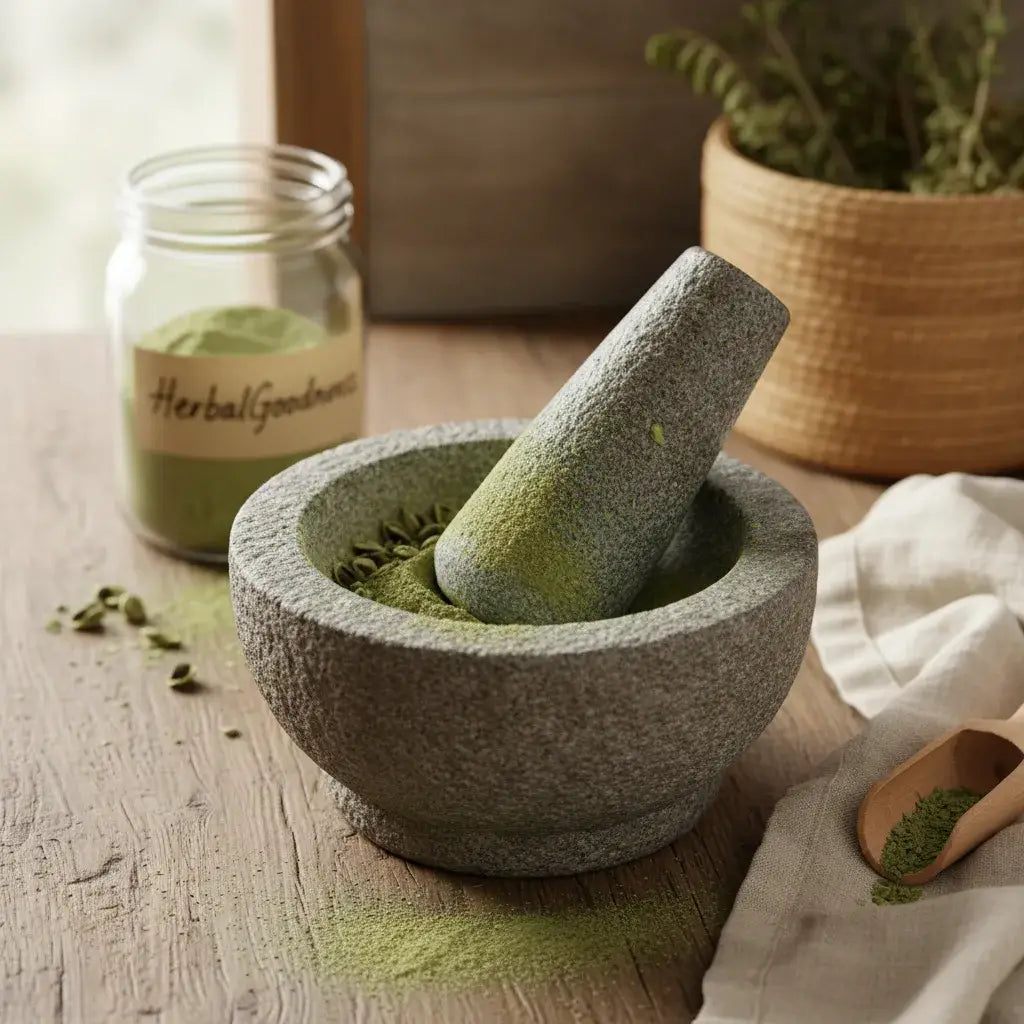
Light and easily absorbed, moringa oil serves as a gentle moisturizing base for skin and hair routines. Many natural beauty enthusiasts blend moringa oil with essential oils for a custom face or body serum, or use it to smooth the ends of dry hair and tame frizz. For more advanced beauty support, Radiantly Good Looking - 2fl.oz - Skin & Anti-Aging offers an expertly blended herbal formula for radiant skin.
DIY Cleaning and Home Projects
The fiber-rich seed cake has been traditionally repurposed in household routines, from gentle cleaning mixes to eco-conscious projects such as biodegradable scrubs and compost enrichment. Its versatility makes it a go-to option for those seeking less waste and a more circular approach to home resourcefulness. Conscious crafters may want to try cleaning up with Herbal Papaya Bath Soap - 2 bars/3.5oz, which combines herbal traditions with practical household needs.
The Art of Sustainable Sourcing: What to Look For
As interest in moringa seeds grows, so does the importance of sourcing them responsibly. Sustainable production safeguards both the environment and farming communities, ensuring future generations enjoy this remarkable plant.
Ethical Agriculture Practices
Look for moringa products from growers who embrace agroforestry and intercropping, supporting healthy soil and biodiversity. Responsible farmers typically abstain from harmful chemicals, relying instead on natural pest management and crop rotation to nurture robust moringa trees.
Certifications and Supply Chain Transparency
Third-party certifications such as organic and fair trade offer peace of mind, signaling that seeds have been produced with respect for both people and the planet. Transparent supply chains, where businesses openly share farming partnerships and community investments, further demonstrate a commitment to ethical sourcing.
Local Impact and Global Benefits
Supporting moringa products from local cooperatives helps strengthen rural economies and reduce carbon footprints. When purchasing, consider companies that invest in education, training, and fair compensation for farm workers — contributing to positive, long-lasting community impact.
How to Choose Quality Moringa Seed Products
Selecting high-quality moringa seed products involves more than checking a label. Look for clear origin information, minimal processing, and freshness indicators like manufacturing or harvest dates. Reputable brands will also prioritize environmentally friendly packaging and clear instructions for use and storage.
While price can be a guide, the lowest cost sometimes means corners were cut during growth or production; instead, invest in products from trusted companies with strong sourcing ethics and community ties. For those interested in herbal blends with reliable sourcing, Bulk Herbs & Roots - Organic 4oz Bags - Herbal Tea provides both quality and transparency.
Creative Ways to Incorporate Moringa Seeds Into Daily Living
Exploring moringa seeds opens the door to a richer, more varied household routine. From experimenting with new recipes to customizing personal care routines, moringa's adaptability makes it a favorite among creative thinkers and eco-conscious homes. As you get to know this ancient seed, don’t hesitate to add your own spin to timeless traditions, discovering just how seamlessly moringa fits into modern life.
FAQs:
- What are the main non-medical uses of moringa seeds?
Moringa seeds are often used in cooking as powdered spice, for homemade beauty routines via cold-pressed moringa oil, and in eco-friendly cleaning and household crafts through seed cake byproducts.
- How is moringa seed oil extracted?
Moringa seed oil is commonly extracted using cold pressing, which involves gently pressing cleaned seeds to release the oil without introducing heat or chemical solvents, retaining its light texture and subtle flavor.
- How should I store moringa seed products like powder and oil?
Store moringa seed oil and powder in airtight containers in a cool, dark place away from sunlight and moisture to preserve freshness and prevent spoilage.
- What should I look for when sourcing sustainable moringa seeds?
Prioritize products with clear origin, certifications such as organic or fair trade, and transparency about their supply chain and farming practices. Support companies with community investments and eco-friendly production.
- Can moringa seed cake be used at home?
Yes, moringa seed cake is used for DIY household crafts and eco-conscious cleaning routines. It also serves as an enriching component for compost and natural cleaning blends.
- Is moringa seed powder the same as moringa leaf powder?
No, moringa seed powder is made from the dried, ground seeds and is beige in color with a mild, earthy flavor, while moringa leaf powder comes from dried leaves and is green with a more grassy taste.
- How is moringa seed oil used in personal care?
Its light, absorbent texture makes moringa seed oil suitable as a gentle base for skin serums, hair moisturizers, and homemade massage blends.
Author Name:
Herbal Goodness Editorial Team
Author Bio:
The Herbal Goodness Editorial Team specializes in holistic health and superfoods, blending science and nature to educate and empower our community.
References:
Introducing Graviola to Young Taste Buds: Fun, Family-Friendly Flavor Exploration
Graviola in the Classroom and at Home: Creative Activities to Teach Kids About Tropical Plants