





How to Read Online Reviews Before Buying Papaya Leaf Extract

How to Read Online Reviews Before Buying Papaya Leaf Extract
Considering papaya leaf extract? In our digital age, almost every purchase starts with a quick check of online reviews. But do you know what to look for—and what to ignore? With papaya leaf supplements gaining popularity, learning how to read online reviews before buying papaya leaf extract is a smart way to feel secure in your purchase. This guide walks you through proven strategies to spot genuine feedback, recognize misleading testimonials, and use reviews to make informed choices, so you can shop confidently for the best product for your wellness needs.
Why Reviews Matter When Buying Papaya Leaf Extract
Online reviews are often the first point of reference for shoppers seeking papaya leaf extract. But beyond star ratings, reviews can tell you much more: they offer real stories, highlight customer experiences, and often flag concerns not apparent from product descriptions.
When it comes to supplements—where purity, effectiveness, and safety are top priorities—paying attention to reviews becomes even more important. Unscrupulous sellers may try to manipulate ratings, so understanding the signals of authenticity can help you avoid disappointment and choose a supplement you feel good about.
The Real Value of Honest Customer Feedback
- Insights into taste, texture, or capsule size
- Common patterns with side effects or satisfaction
- Clues about shipping, customer service, and refund policies
- User tips on best-use practices
Genuine reviews help bridge the gap between technical label information and everyday experience, especially for new users testing papaya leaf extract for the first time.
Key Features to Look for in Papaya Leaf Extract Reviews
Not all reviews carry equal weight. Here’s how to identify what truly matters:
1. Specific Details Over General Praise
Reviews that offer real-life context are far more valuable. Look for mentions of:
- Duration of use ("I've been using this papaya leaf extract for a month…")
- Observable effects noticed by the reviewer
- Sensory details (taste, smell, ease of swallowing)
- Comparisons to previous brands or formulas
Generic statements like "Great product!" or "Would buy again!" are often less trustworthy or may be prompted by incentives.
2. Balanced, Nuanced Perspectives
Genuine feedback usually includes both praise and critique. Watch for:
- Comments that mention both pros and cons ("It worked well, but the capsules are a bit large.")
- Users comparing expectations versus reality
- Constructive suggestions for improvement
A string of five-star reviews with no variation can signal potential bias or even fake testimonials.
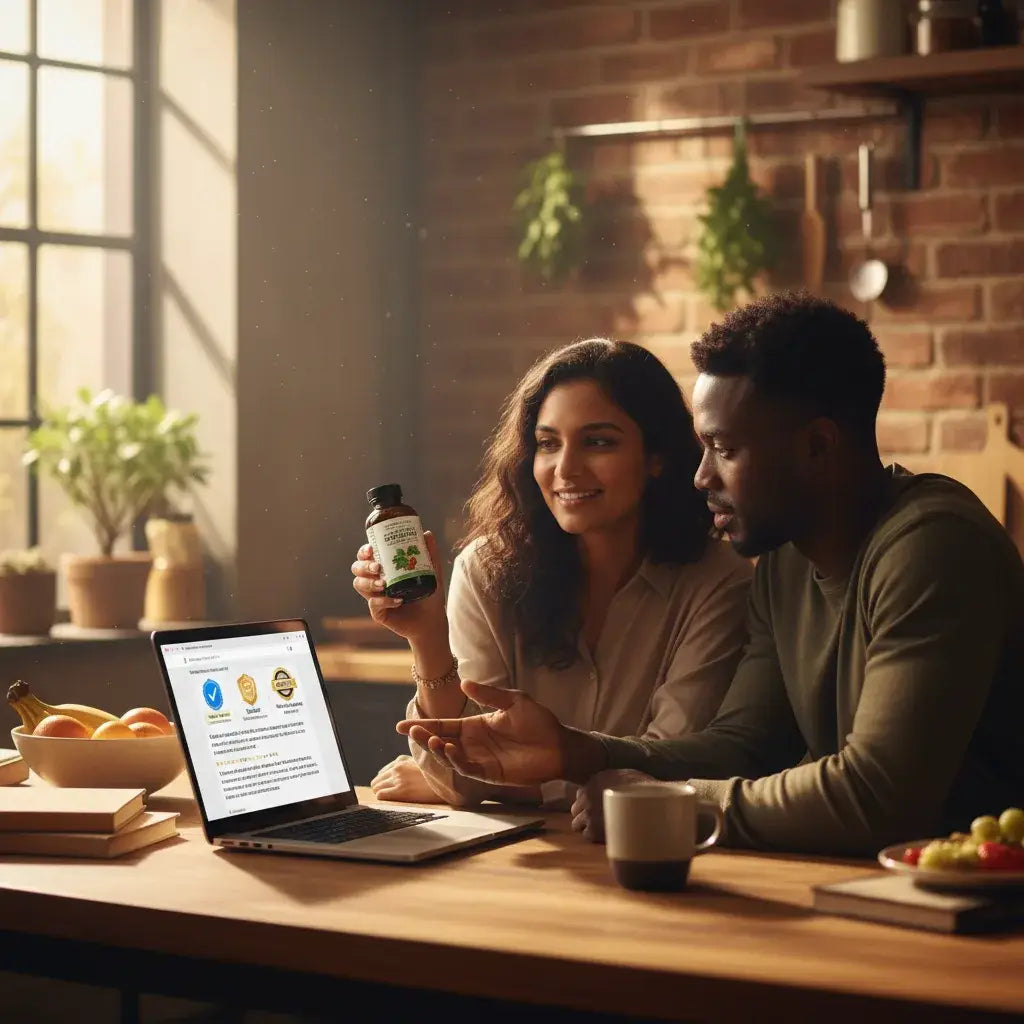
3. Verified Purchase Badges
Prioritize reviews marked as “Verified Purchase.” These are written by customers who bought the product through the platform, reducing the chance of fabricated feedback.
4. Detailed Descriptions of Customer Service Interactions
Positive notes about quick refunds, fast responses, or solutions offered by the seller provide extra confidence in a brand’s integrity. Companies that prioritize customer satisfaction often stand by their product quality as well.
Red Flags: Spotting Fake, Biased, or Unreliable Reviews
Unfortunately, not all reviews are honest. Some sellers may boost their visibility with misleading or generated testimonials. Here’s how to protect yourself:
1. Look for Suspicious Patterns
Watch carefully for the following warning signs:
- Numerous reviews posted in a short period
- Similar wording across different reviews
- Reviews lacking any specific product details
- Overuse of technical jargon or exaggerated promises
- Reviewer profiles with minimal history
2. Be Skeptical of Only Positive—or Only Negative—Reviews
While a great product earns plenty of positive reviews, an absence of critical or middle-ground feedback can be concerning. Authentic products usually show a range of opinions.
3. Check for Reviewer Incentives or Disclosures
Some sellers may offer perks for writing reviews. Carefully read for disclosures like "I received this product for free in exchange for my honest review." While not always negative, these reviews should be balanced with others from standard buyers.
4. Cross-Reference on Multiple Retailers
If the same product has drastically different ratings on Amazon, the brand’s website, and wellness shops, pause to compare why. Discrepancies could indicate filtered or selectively published feedback.
Interpreting Review Trends and Signals
Beyond reading individual testimonials, look for larger trends that reveal consistent user experiences.
1. Patterns in Specific Outcomes
Are users repeatedly mentioning certain qualities—whether positive or mixed? For papaya leaf extract, look for feedback on:
- Consistency of the product batch-to-batch
- Packaging quality and freshness
- Delivery speed and packaging security
- Taste and smell (especially for liquid extracts or teas)
2. Relative Frequency Over Star Ratings
A single complaint shouldn’t outweigh a dozen positive stories. Instead, focus on whether multiple reviewers echo the same strengths or weaknesses. This collective wisdom can be a strong indicator of what to expect.
3. Updates or Follow-Up Reviews
Customers who return to update their feedback weeks or months later often have the most reliable experiences to share. Their insights highlight product consistency and seller responsiveness.
Beyond Reviews: How to Validate Claims Before You Buy
While customer feedback is powerful, it should be part of a broader approach to choosing a papaya leaf extract.
1. Cross-Check With Product Labels
Authentic, quality brands make transparency easy. Check that label details mentioned in reviews match what’s clearly posted in product images or on the seller’s site:
- Country of origin
- Organic or non-GMO certifications
- Vegan, gluten-free, and allergen statements
- Active ingredient content per serving
Discrepancies are a cue to probe further.
2. Seek Out Third-Party Lab Reports
Leading brands should provide or reference third-party laboratory testing for their papaya leaf extract. These independent reports verify:
- Ingredient accuracy (does the label reflect what’s inside?)
- Absence of unwanted fillers or contaminants
- Purity specifications
If you can’t easily find these reports—or if the brand is hesitant to provide them—it’s a sign to proceed cautiously.
3. Assess Seller and Retailer Transparency
Transparent sellers openly list their company details, have clear return and refund policies, and welcome direct communication with consumers. If you can’t find contact info or the company seems evasive, look for more established alternatives.
Advanced Tips for Distinguishing Quality Papaya Leaf Extract Products
1. Confirm Organic and Ethical Sourcing
Brands committed to quality frequently highlight their sourcing. Look for details about organic certifications, sustainable farming practices, and fair-trade commitments. These provide an extra layer of confidence in both product quality and brand values.
2. Review Supplement Facts and Ingredient Lists
Scan for unnecessary additives, artificial colors, or flavors. Shorter ingredient lists with fewer fillers often signal a purer, higher-quality product. Multiple reviewers mentioning “clean” ingredients can further validate quality claims. Try Papaya Leaf Extract - Organic 1oz 15X Liquid - Blood Platelet to experience the advantages of an organic and straightforward supplement formula.
3. Evaluate Packaging
Consistent praise for sealed containers, tamper-resistant packaging, and recyclable materials can signal attention to detail and consumer safety. Feedback on Papaya Leaf Extract Blood Support - 10X 60/450mg Capsules - Blood Platelet frequently notes secure packaging and consistent freshness.
4. Trust, But Verify
If a specific benefit is mentioned frequently in reviews, compare it to what’s supported by credible resources—such as published research or educational sites (see sources below). This method helps balance anecdotal feedback with fact-based information.
Making Sense of Negative Reviews and Low Ratings
Even the most reputable papaya leaf extract brands receive some negative feedback. Here’s how to interpret it constructively:
1. Contextualize the Complaint
Is the issue related to personal preference (like taste or capsule size) or to a more concerning matter such as packaging or freshness? Not every negative review indicates a fundamental flaw. Some users of Papaya Leaf Extract - Capsules 600mg - 10X Strength mention capsule size, for example, while others appreciate the potency and results.
2. Look for Seller Responses
Brands that publicly respond to concerns are often more invested in customer satisfaction. Professional, solution-focused replies build trust.
3. Consider Timing and Circumstance
Sometimes external factors such as shipping delays during holidays affect review sentiment. Weigh reviews from repeat buyers or long-term users more heavily. If freshness is important to you, seasonal demand may play a small role in certain reviews of Papaya Leaf Extract - - Organic 16oz 15X Liquid Extract.

The Final Checklist: Preparing for an Informed Purchase
Before you click “buy,” keep this checklist handy to ensure you’re making a well-informed decision:
- Read the most recent reviews—filter for verified purchases if available.
- Look for trends and consistency—do experiences align across platforms?
- Check for transparency—are certifications, testing results, and ingredient lists easy to access?
- Evaluate brand trustworthiness—does the seller respond professionally to both praise and criticism?
- Assess your own priorities—do the product qualities mentioned match what’s important for your needs?
By following these steps, you can harness the power of online reviews and confidently select a papaya leaf extract that aligns with your wellness journey.
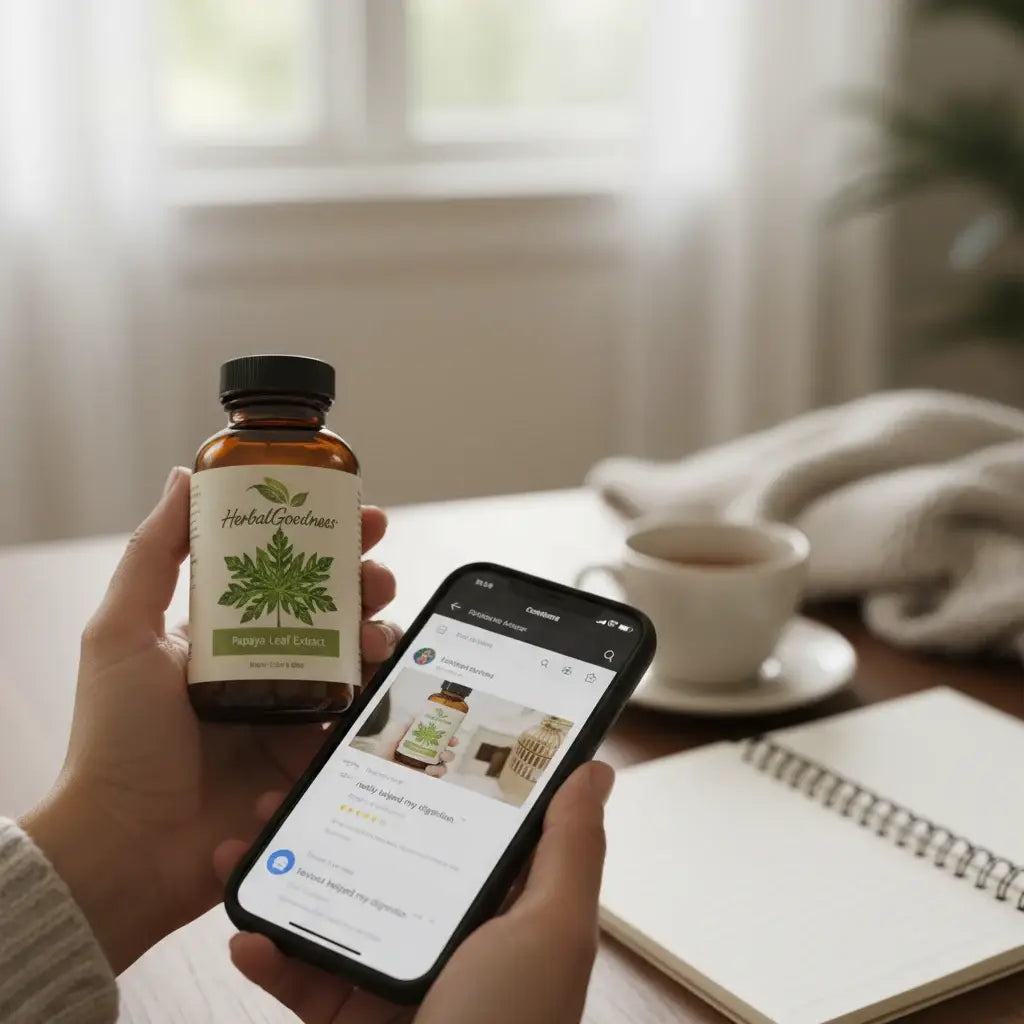
Ready to choose with confidence? Read real user experiences, verify authenticity, and select the papaya leaf extract that best supports your wellness goals.
FAQs:
- What should I look for in papaya leaf extract reviews?
Look for reviews that provide specific details, mention both positives and negatives, and are marked as verified purchases. Consistency across different retailers and platforms adds further credibility to customer feedback.
- How can I identify fake or incentivized reviews?
Fake reviews often share similar wording, lack specifics, appear in clusters within a short time, or make exaggerated claims. Pay close attention to reviewer history and check for disclosures of incentives.
- Should negative reviews stop me from buying papaya leaf extract?
Not necessarily. Negative reviews provide important context but should be weighed against the volume of positive feedback and whether the issues mentioned align with your personal priorities or concerns.
- How do third-party lab reports support supplement trust?
Third-party lab reports provide independent verification of ingredients and purity. They back up label claims and demonstrate a brand’s commitment to transparency and quality.
- Why is it important to compare reviews across multiple platforms?
Comparing reviews on different sites helps reveal consistent user experiences and can highlight if feedback is being filtered or curated by a specific retailer.
- What other factors should I consider besides reviews?
Check for clear labeling, organic or non-GMO certifications, transparent seller information, easy access to third-party test results, and clear return or refund policies.
- How can I use reviews to make the best decision for my needs?
Focus on feedback related to the qualities that matter most to you, whether it’s taste, vegetarian capsules, ease of use, or brand reliability. Let consistent patterns—not outliers—influence your choice.
Author Name:
Herbal Goodness Editorial Team
Author Bio:
The Herbal Goodness Editorial Team specializes in holistic health and superfoods, blending science and nature to educate and empower our community.
References:
Share this
Popular posts


FAQs
1. What are the main benefits of drinking bamboo leaf tea?
Drinking bamboo leaf tea supports hydration, relaxation, skin wellness, and antioxidant balance.
2. What is bamboo leaf extract used for?
It’s used for general body wellness, skin elasticity, hair and nail support, and overall vitality.
3. Can bamboo leaf help with skin care and body wellness?
Yes, bamboo leaf is rich in silica and antioxidants, which promote healthy skin, strong nails, and a youthful glow.
4. What forms of bamboo leaf are available?
You can find dried bamboo leaf, powder, extract, drops, oil, and bamboo leaf green tea.
5. Are there any side effects of bamboo leaf?
Bamboo leaf is generally safe when consumed in moderation. Always consult your healthcare provider before starting any new herbal supplement.