How to Read Black Seed Oil Lab Test Results Before You Buy
Choosing a high-quality cold-pressed black seed oil can feel overwhelming, especially with so many labels, test reports, and technical jargon. That golden bottle of Nigella sativa oil on the shelf or in your online cart might boast of being “pure,” “cold-pressed,” or “lab-tested”—but what does all that really mean? To buy with confidence, it helps to know how lab analyses like GC-MS, peroxide value, and fatty-acid profiles illuminate the story behind every drop. This guide breaks down these commonly reported tests, offers practical advice for reading Certificates of Analysis (COAs), and empowers you to make informed choices when evaluating black seed oil listings and labels.
Why Lab Testing Matters for Cold-Pressed Black Seed Oil
When it comes to botanical oils, especially cold-pressed black seed oil, purity and authenticity drive both quality and consumer trust. Lab testing verifies the oil’s origin, chemical makeup, scent, freshness, and integrity—details impossible to judge by appearance alone. By understanding what top lab tests measure, curious shoppers become informed consumers.
Cold-pressed extraction preserves characteristic compounds of Nigella sativa seeds without using heat or solvents, but not all oils labeled as such meet consistent standards. Laboratory analysis serves as a neutral check—detailing markers like volatile aromatic constituents, fatty acid balance, and the extent of natural preservation.
The Black Seed Oil 8oz | Cold-Pressed Nigella Sativa – Immune & Daily Wellness provides lab-tested assurances that are especially valuable for those seeking proven health support from their chosen oil.
Understanding Key Lab Tests: GC-MS, Peroxide Value, and Fatty-Acid Profile
Let’s walk through the most common laboratory assessments provided with high-quality cold-pressed black seed oil:
GC-MS: Gas Chromatography-Mass Spectrometry
What is it? GC-MS is an advanced technique that "fingerprints" the molecular composition of complex oils by separating and identifying each compound. In the context of black seed oil, a GC-MS test reveals hundreds of volatile and non-volatile constituents, most notably the unique, aromatic thymoquinone.
Why does it matter? GC-MS validates authenticity and the presence of signature bioactive compounds. It ensures the oil hasn’t been adulterated with cheaper oils or masked with artificial additives.
What should you look for?
- A readable table of identified compounds
- Thymoquinone presence (a hallmark of Nigella sativa)
- Distinctive natural aroma peaks (not synthetic)
- No unexpected or foreign substances
A product backed by a GC-MS report, such as Oil of Oregano 75% Carvacrol | 2oz – Potent Immune & Antifungal Support, also builds confidence for those researching similar test methodologies across different botanical oils.
Peroxide Value: Indicator of Freshness and Oxidation
What is it? Peroxide value measures how much oxidation has occurred in the oil. Oxidation happens when oils are exposed to heat, light, or air, potentially dulling flavor, aroma, and shelf life.
Why does it matter? A high peroxide value can signal degraded, stale, or poorly handled oil—even if it looks golden and rich. Lower values generally point to fresher, well-preserved oil.
What is typical for cold-pressed black seed oil? The lower the peroxide value, the better. While natural values vary, cold-pressed black seed oil should ideally report a peroxide value within the range broadly recognized for freshness (often below 10 meq/kg, but specific numbers may differ by source). Always check with your preferred brand or supplier for their best-practice benchmarks.
If preservation and natural extraction are key to your wellness routine, consider complementing your approach with Raw Sea Moss 8oz Bag | St. Lucia Wildcrafted – Nature's Multivitamin, which is valued for its fresh, natural nutrient content and robust laboratory testing as well.
Fatty-Acid Profile: The Oil’s Nutritional Blueprint
What is it? This analysis quantifies the percentages of major fatty acids—like linoleic, oleic, and palmitic acids—found within black seed oil.
Why does it matter? The fatty-acid profile influences flavor, aroma, texture, and how oil fits into wellness routines. Each cold-pressed oil batch may vary slightly based on crop, region, and extraction process.
What to look for?
- Linoleic acid (omega-6): Commonly 50-60%
- Oleic acid (omega-9): Around 20-25%
- Palmitic acid and stearic acid (saturated fatty acids): Typically lower percentages Recognizing these values offers a quick way to gauge authenticity and consistency.
For those comparing nutritional blueprints of different plant-based products, Organic Papaya Leaf Extract 16oz | 15X Liquid – Best Value Size lets you experience another detailed, lab-tested supplement that often includes easy-to-understand COA data.
Put It All Together: Reading a Certificate of Analysis (COA)
A Certificate of Analysis, or COA, is a document provided by responsible brands or suppliers that summarizes laboratory findings for a specific black seed oil batch. It is the ultimate tool for transparency, but may be intimidating at first glance.
The Key Elements of a COA for Black Seed Oil
Here’s what you’ll often find (sometimes with small format variations):
- Product identity: Specifies Nigella sativa source and whether oil is cold-pressed
- Batch number and date: Indicates traceability and freshness
- Lab test results: GC-MS summary, peroxide value, fatty-acid breakdown
- Compliance statements: Confirms oil meets internal and sometimes external standards
A reputable brand such as Black Seed Oil 8oz | Cold-Pressed Nigella Sativa – Immune & Daily Wellness will make COAs accessible upon request or within product listings, showing commitment to transparency and quality assurance. You’ll often find clear documentation and an open approach to sharing results.
How to Confidently Interpret the Data
When evaluating a COA, ask yourself:
- Do the lab results align with widely recognized values for cold-pressed black seed oil?
- Is the GC-MS profile authentic with clear identification of thymoquinone?
- Are the fatty-acid percentages within expected ranges?
- Does the peroxide value reflect careful, fresh processing?
- Is there enough traceability detail to distinguish one batch from another?
Don’t hesitate to reach out to the brand’s quality assurance or support team if any part of the report seems unclear. A reputable supplier welcomes questions—and those that publish robust COAs for plant-based wellness supplements, like Organic Papaya Leaf Extract 16oz | 15X Liquid – Best Value Size, are great examples of this customer-first approach.
Aroma, Freshness, and Purity: What the Tests Reveal
Each lab method tells its own story:
- GC-MS gives aromatic and bioactive markers, so an authentic black seed aroma—peppery, earthy, and slightly bitter—should match both sensory and spectrometry results.
- Freshness is reflected in a low peroxide value, meaning the product retains more of its original potency, color, and aroma.
- Purity is signaled when the fatty-acid profile matches Nigella sativa standards and GC-MS shows no cut oils or foreign ingredients.
Routine use of black seed oil products with published lab results, such as Black Seed Oil 8oz | Cold-Pressed Nigella Sativa – Immune & Daily Wellness, helps reinforce the connection between lab standards and health benefits.
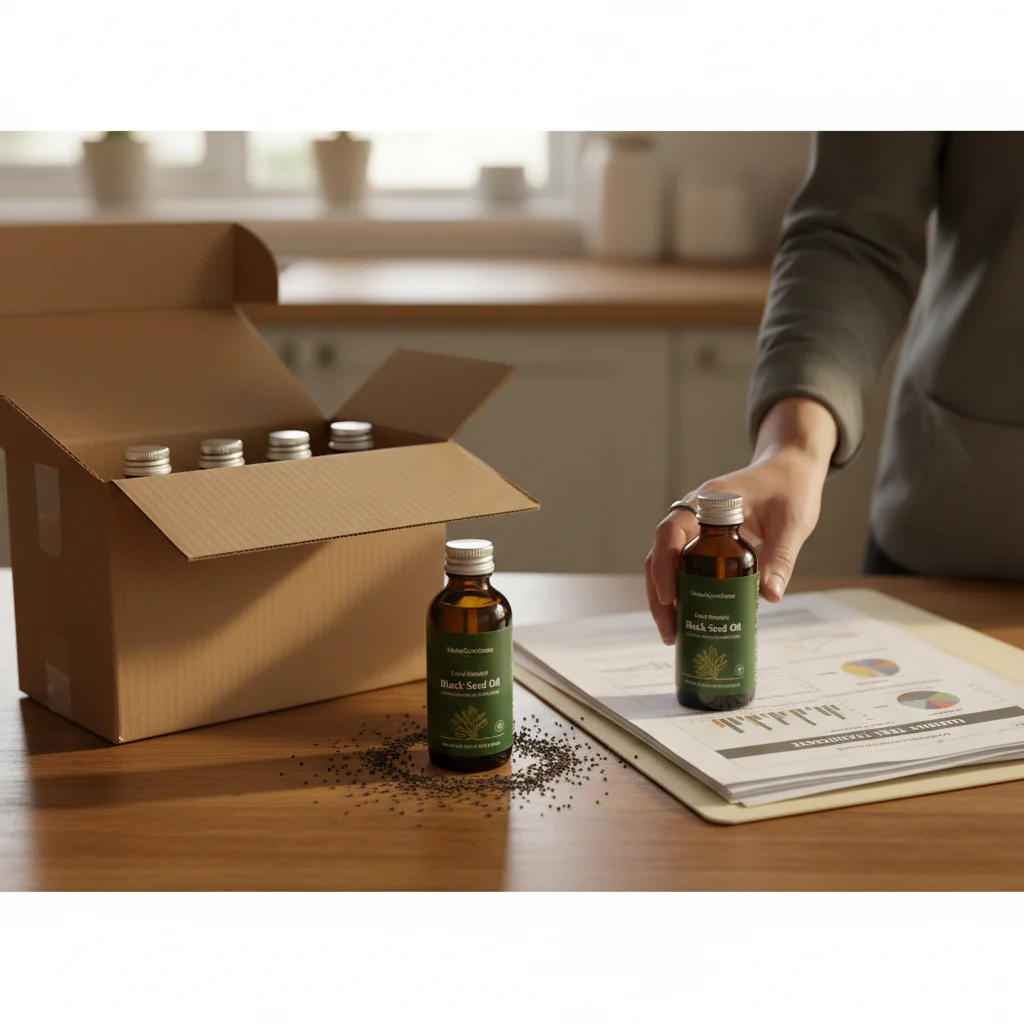
By checking for a fresh, authentic aroma and clear, unambiguous test results, you become an empowered, knowledgeable buyer who can better appreciate the unique qualities of botanically derived wellness supplements.
How Labels Relate to Lab Testing
Product labels may highlight “pure,” “lab-verified,” or “cold-pressed.” These terms should align with the results provided in COAs and lab summaries. Key label statements to check:
- Cold-pressed: Should be reflected in the COA and ensure no heat or solvent extraction was used
- Lab-tested: Ask for a summary of recent GC-MS, peroxide value, and fatty-acid tests
- Origin: Look for information on seed sourcing and extraction location
Understanding labels and cross-referencing with COA results is your best defense against misleading marketing. Brands like Black Seed Oil 8oz | Cold-Pressed Nigella Sativa – Immune & Daily Wellness often provide this detailed trio (label, COA, and lab summary) so you can verify every word printed on the bottle.

Tips for Evaluating Product Listings and Shopping Pages
- Seek Transparency: Prefer listings that mention or show laboratory results, not just generic “lab tested” claims.
- Check for Freshness Markers: Look for reference to peroxide value or batch date in product details.
- Compare Fatty-Acid Data: If provided, make sure the listed fatty-acid breakdown matches what is known about Nigella sativa oil.
- Trust the Source: Brands willing to share COAs and respond to detailed questions often prioritize consumer trust and product quality.
As you explore supplements for complementary wellness, Raw Sea Moss 8oz Bag | St. Lucia Wildcrafted – Nature's Multivitamin and Oil of Oregano 75% Carvacrol | 2oz – Potent Immune & Antifungal Support deliver transparent ingredient sourcing and robust reporting.
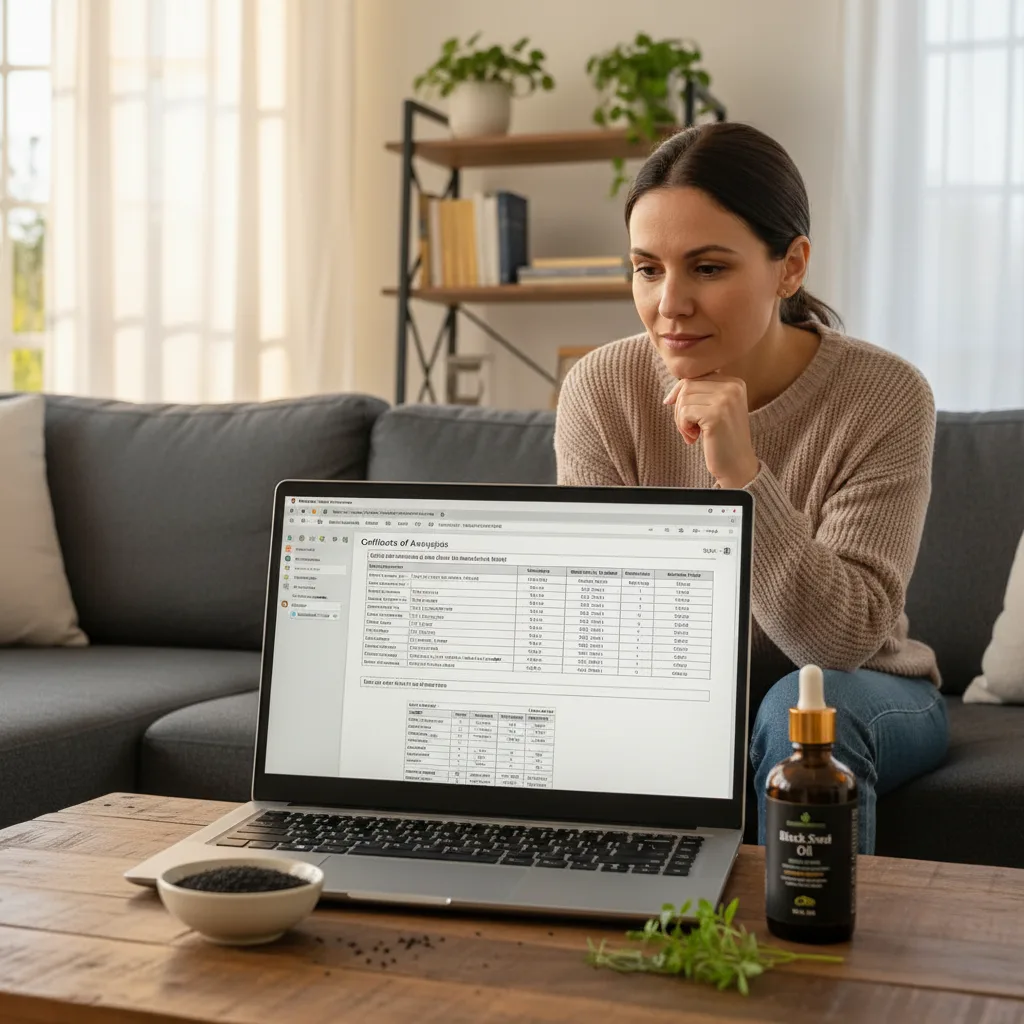
Frequently Asked Questions About Black Seed Oil Lab Testing
How can I tell if cold-pressed black seed oil is pure from lab results?
Purity is indicated by a consistent fatty-acid profile, thymoquinone presence, and the absence of foreign oils. GC-MS results and detailed COAs help confirm quality.
What should a GC-MS report for black seed oil include?
A GC-MS report should list thymoquinone, other characteristic Nigella sativa constituents, and lack unfamiliar additives. The compound table should match standard profiles for authenticity, much like the detail you can expect from Oil of Oregano 75% Carvacrol | 2oz – Potent Immune & Antifungal Support.
Why is peroxide value important on a COA for cold-pressed black seed oil?
Peroxide value reveals the oil’s freshness. Lower peroxide values reflect slower oxidation and newer, well-preserved oil, making this a key quality marker for any batch of Black Seed Oil 8oz | Cold-Pressed Nigella Sativa – Immune & Daily Wellness.
Where can I find a black seed oil’s fatty-acid profile when shopping?
Many reputable brands include fatty-acid percentages in product descriptions or within the COA. Always ask for this information if not listed—top brands of plant-sourced supplements such as Organic Papaya Leaf Extract 16oz | 15X Liquid – Best Value Size set a good example by providing such transparency.
How does a certificate of analysis help shoppers select quality cold-pressed black seed oil?
A COA verifies purity, batch-specific identity, and quality testing. Comparing lab values to Nigella sativa standards helps ensure an informed, confident selection, as is made clear when choosing Black Seed Oil 8oz | Cold-Pressed Nigella Sativa – Immune & Daily Wellness.
Are all "lab-tested" labels equally reliable?
No. Value comes from transparent access to actual lab reports—ideally COAs with GC-MS and fatty-acid data. Brands offering full reports demonstrate greater reliability, as shown by Raw Sea Moss 8oz Bag | St. Lucia Wildcrafted – Nature's Multivitamin.
What if the COA or lab test looks confusing or incomplete?
Contact the brand’s quality or customer support team. Reputable suppliers are ready to clarify results, ensuring you are comfortable with your purchase.
Conclusion: Trust and Empowerment Through Lab Knowledge
Understanding the role of lab testing—GC-MS, peroxide value, and fatty-acid profile—provides you with a clear way to assess the quality of cold-pressed black seed oil. Learning to read a COA is one of the most reassuring steps any shopper can take, especially when value, freshness, and authenticity matter. With resources from trusted brands and a basic grasp of these reports, your next purchase can be guided by knowledge and confidence.
Frequently Asked Questions
Question 1: How can I tell if cold-pressed black seed oil is pure from lab results?
Answer: Purity is indicated by a consistent fatty-acid profile, thymoquinone presence, and the absence of foreign oils. GC-MS results and detailed COAs help confirm quality.
Question 2: What should a GC-MS report for black seed oil include?
Answer: A GC-MS report should list thymoquinone, other characteristic Nigella sativa constituents, and lack unfamiliar additives. The compound table should match standard profiles for authenticity, much like those found for Oil of Oregano 75% Carvacrol | 2oz – Potent Immune & Antifungal Support.
Question 3: Why is peroxide value important on a COA for cold-pressed black seed oil?
Answer: Peroxide value reveals the oil’s freshness. Lower peroxide values reflect slower oxidation and newer, well-preserved oil, making this a key quality marker for cold-pressed Black Seed Oil 8oz.
Question 4: Where can I find a black seed oil’s fatty-acid profile when shopping?
Answer: Many reputable brands include fatty-acid percentages in product descriptions or within the COA. Leading brands of plant-sourced supplements such as Organic Papaya Leaf Extract 16oz | 15X Liquid – Best Value Size often provide this information.
Question 5: How does a certificate of analysis help shoppers select quality cold-pressed black seed oil?
Answer: A COA verifies purity, batch-specific identity, and quality testing. Comparing lab values to Nigella sativa standards helps ensure an informed, confident selection.
Question 6: Are all 'lab-tested' labels equally reliable?
Answer: No. Value comes from transparent access to actual lab reports—ideally COAs with GC-MS and fatty-acid data. Brands offering full reports demonstrate greater reliability, as shown by Raw Sea Moss 8oz Bag | St. Lucia Wildcrafted – Nature's Multivitamin.
Question 7: What if the COA or lab test looks confusing or incomplete?
Answer: Contact the brand’s quality or customer support team. Reputable suppliers are ready to clarify results, ensuring you are comfortable with your purchase.
Ready to select high-quality cold-pressed black seed oil? Use this guide and always check for transparent lab reports to inform your purchase.
About the Author
Herbal Goodness Editorial Team
The Herbal Goodness Editorial Team specializes in holistic health and superfoods, blending science and nature to educate and empower our community.
References
Oregano Oil vs. Black Seed Oil: Sensory & Sourcing Guide


FAQs
Drinking bamboo leaf tea supports hydration, relaxation, skin wellness, and antioxidant balance.
It’s used for general body wellness, skin elasticity, hair and nail support, and overall vitality.
Yes, bamboo leaf is rich in silica and antioxidants, which promote healthy skin, strong nails, and a youthful glow.
You can find dried bamboo leaf, powder, extract, drops, oil, and bamboo leaf green tea.
Bamboo leaf is generally safe when consumed in moderation. Always consult your healthcare provider before starting any new herbal supplement.